





Road Markers: The Driver's Safe Guide in Reduced Visibility Conditions
It was a cold winter morning, and an experienced driver was driving on an isolated road, surrounded by snow-covered hills. Soon, thick fog began to settle over the road, reducing visibility to almost zero. Although the road seemed to disappear into the fog, the road markers placed along the edge of the roadway shone like guiding beacons, giving the driver a sense of safety. But what makes these road markers so essential in such conditions and how do they influence road safety?
What are road markers?
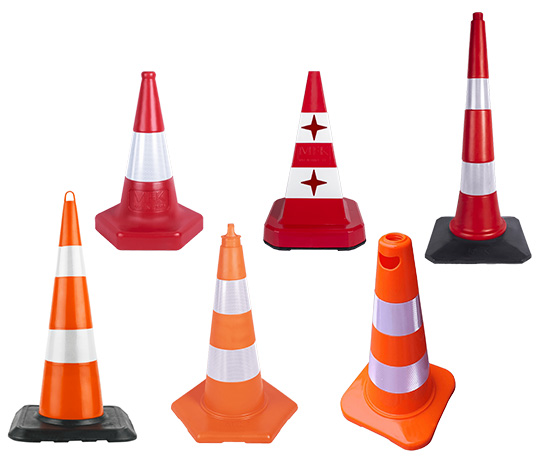
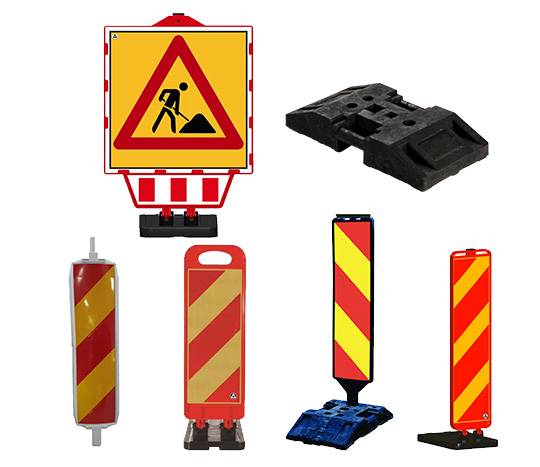
Road markers are vertical, visible, and reflective devices strategically placed along roads to delineate the path and guide drivers in risky areas. They play a crucial role in indicating dangerous curves, construction zones, or temporarily closed roads. Essentially, road markers are the silent friend of the driver, providing visual support in low visibility conditions or on difficult terrain.
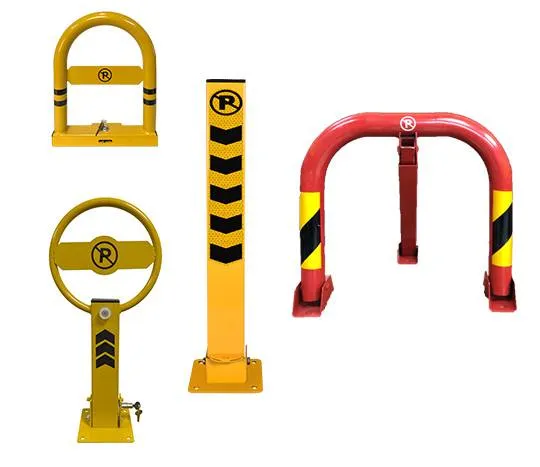
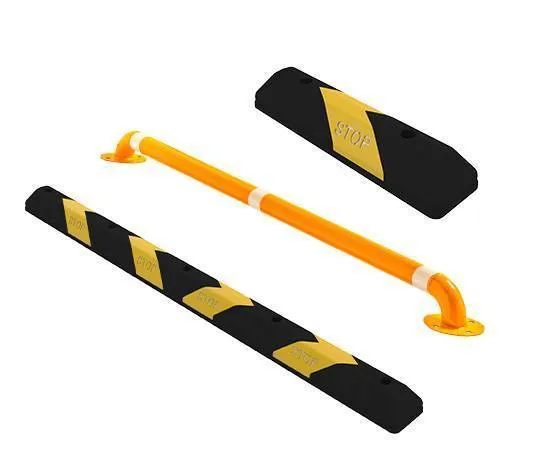
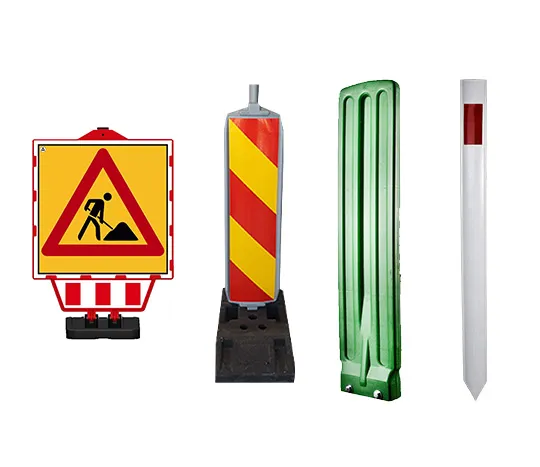
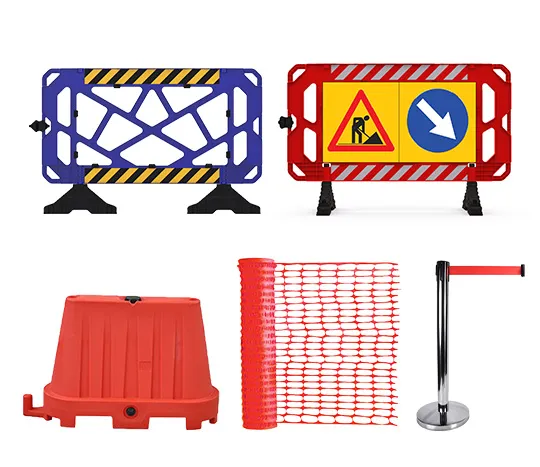
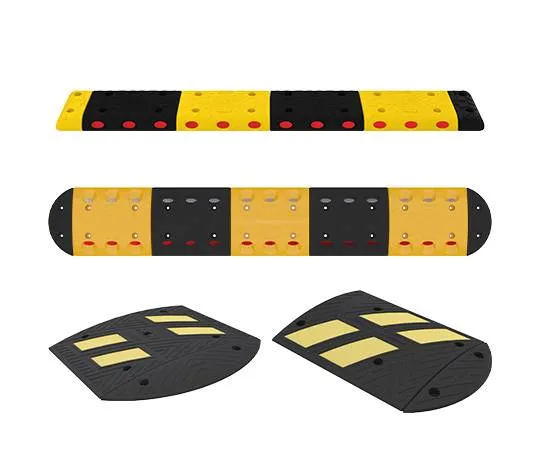
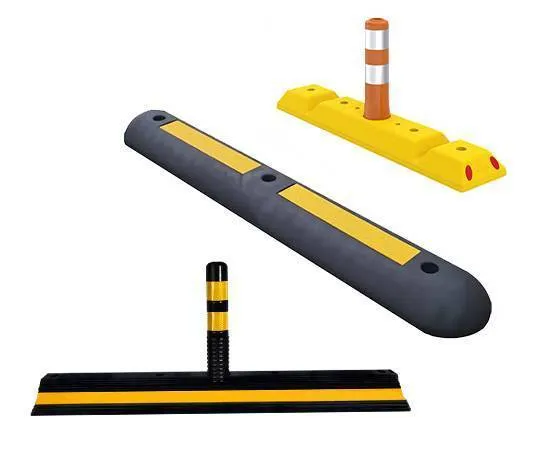
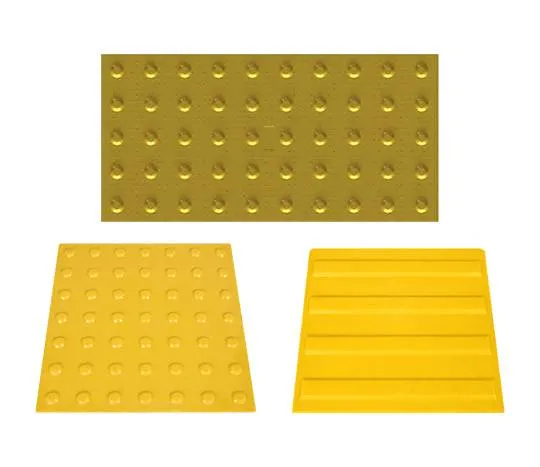
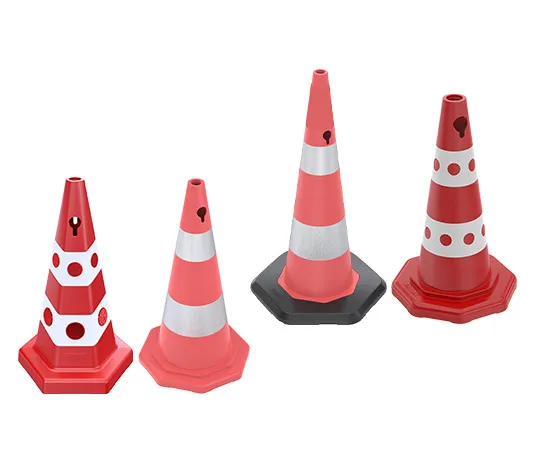
Best Selling Road Marker Products
The Role of Markers in Road Safety
One aspect that makes them extremely important is their ability to enhance road safety in difficult conditions. In situations such as dense fog, torrential rain, or nighttime, drivers can rely on road markers to stay safe on the road. These devices are often equipped with high-visibility reflective strips, allowing them to be seen from a distance, even in complete darkness.
Moreover, markers can indicate alternative routes or warn drivers about temporary restrictions, such as roads closed for repairs or changes in trajectory. They are a practical and effective solution for reducing the risk of accidents and preventing confusion in traffic.
Types of Road Markers
There are several types of road markers available on the market, each with specific purposes and characteristics. Here are some of the most commonly used types:
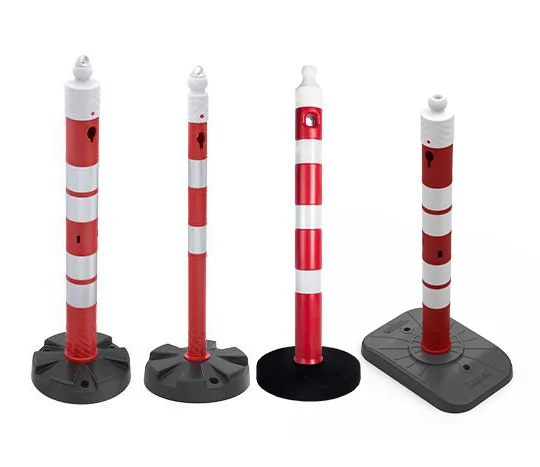
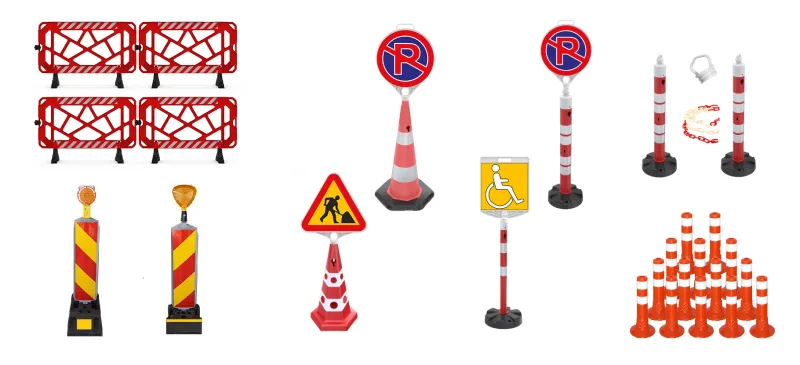
Temporary Markers: These are often used in construction areas to signal temporary changes in the route or imminent hazards. They can be easily moved and are made from lightweight yet durable materials.
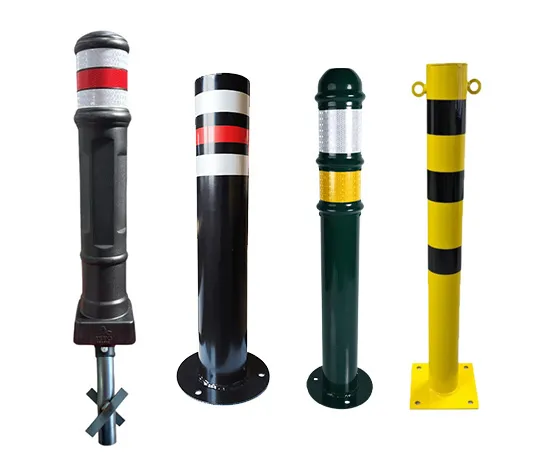
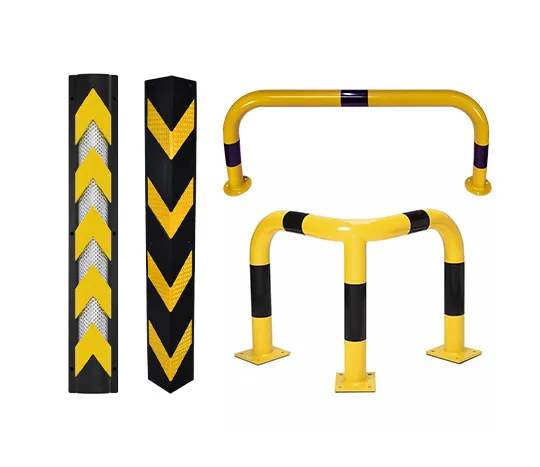
Permanently Fixed Markers: Placed in hazardous areas or at important intersections, these markers are anchored in the ground and made from durable materials such as metal or hard plastic. They can remain active for years, providing constant guidance.
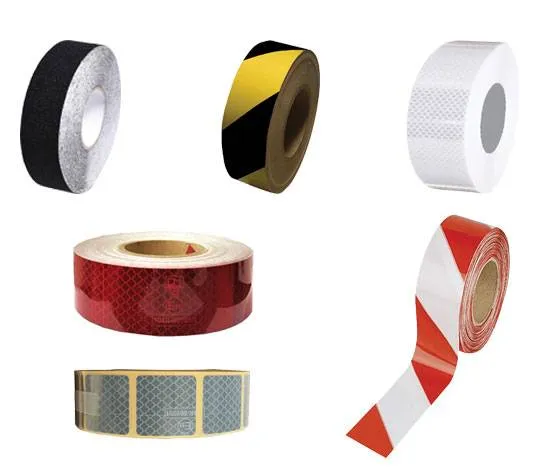
Reflective Markers: These markers are equipped with high-intensity reflective strips, making them essential in low visibility conditions. They are placed along the edges of roads and in curves to indicate the correct direction.
Flexible Markers: Ideal for high-traffic areas, these markers can be struck by vehicles without being damaged. They are made from flexible materials that quickly return to their original shape after a minor impact.
The Impact of Road Markers on Driver Behavior
Studies show that the presence of road markers has a psychological effect on drivers, making them more attentive and driving more cautiously. For example, when a driver encounters markers along the road in a hazardous area, they tend to slow down and be more aware of potential risks.
Markers also serve as a constant reminder that the route may present obstacles or unexpected road conditions, encouraging more responsible driving behavior.
The Technology Behind Modern Markers
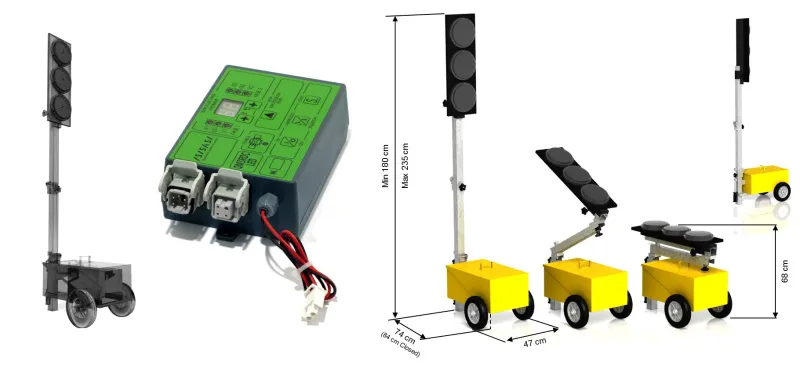
Over the years, technology has influenced and improved the design and functionality of road markers. More durable and flexible materials, as well as the increasing use of high-visibility reflective strips, make modern markers much more effective than their older versions. Additionally, there are smart markers equipped with sensors that can transmit real-time information about road conditions or weather status.
Conclusion
In conclusion, road markers play a vital role in ensuring safety on roads worldwide. Whether guiding drivers at night or warning about temporary or permanent obstacles, they are indispensable for maintaining smooth and safe traffic. Investing in modern and durable road markers is not only a necessity for road infrastructure but also an essential step in protecting the lives of road users.