


Traffic Separators
Traffic separators
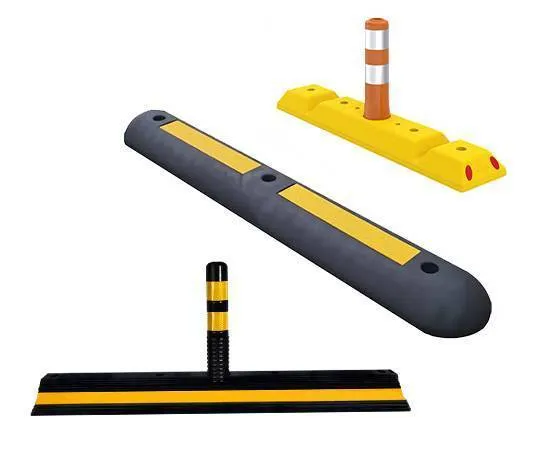
A traffic separator is fixed to the road surface and physically divides two directions of travel or two lanes. It is used mostly on the approach to junctions, where the road marking alone does not keep cars in their lane, and along the edge of cycle lanes.
Our models
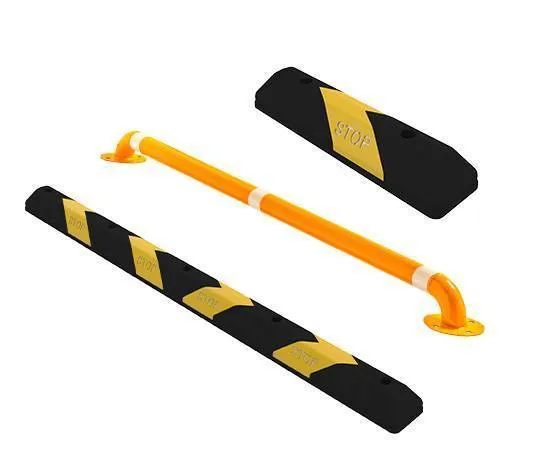
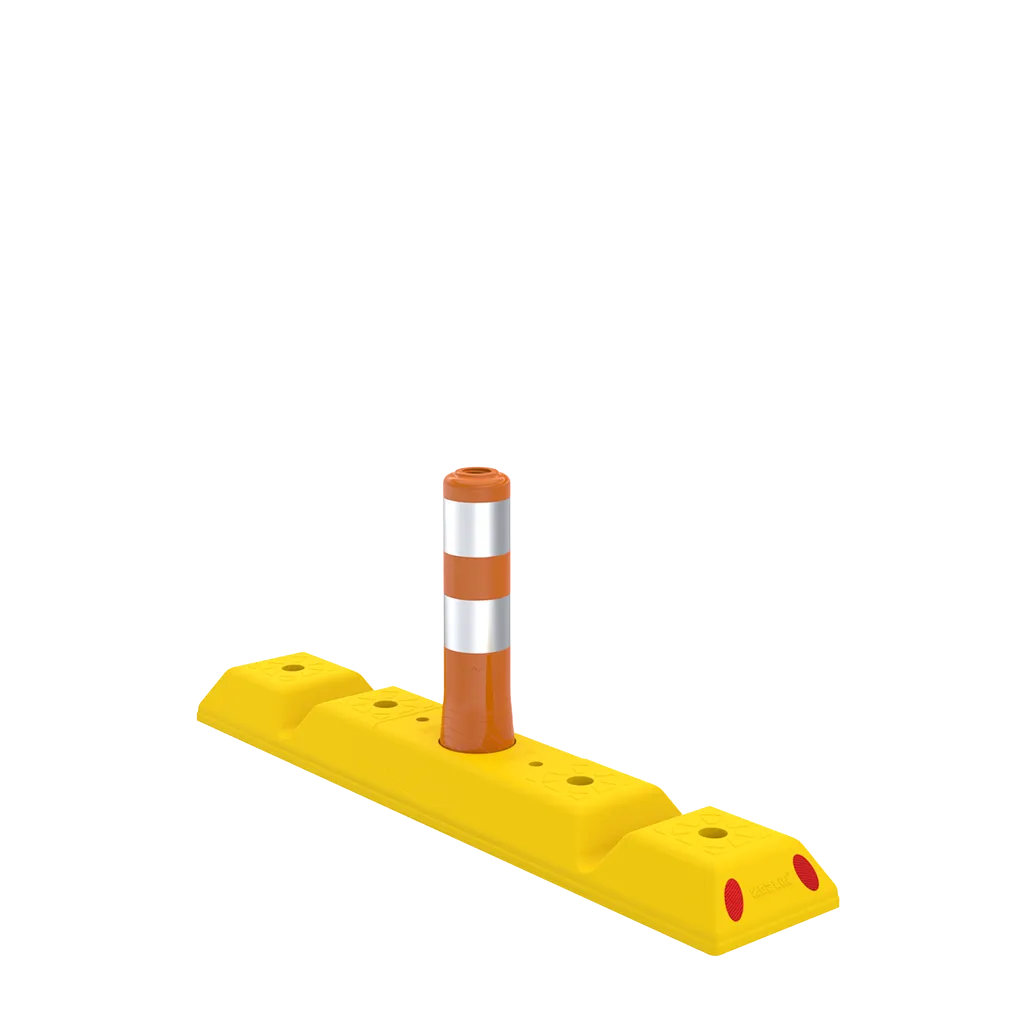
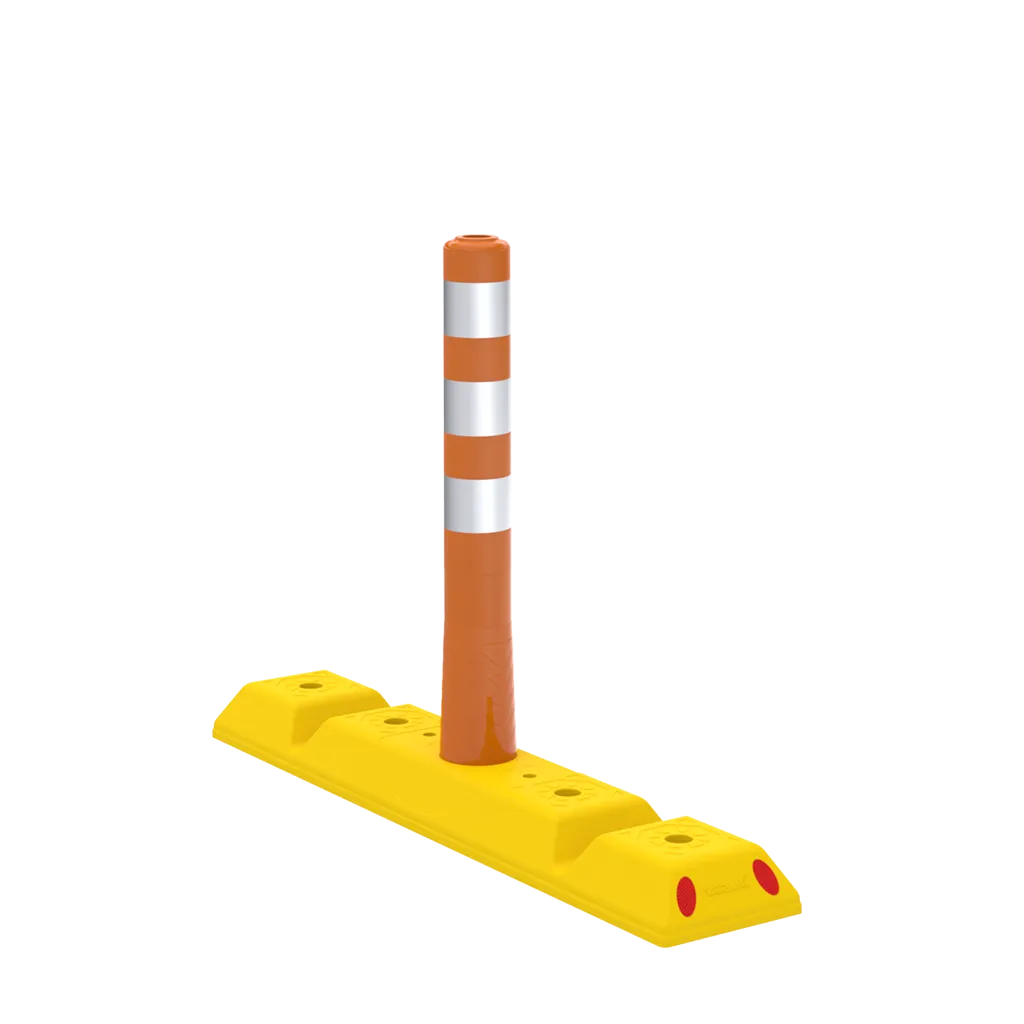
- V18-1050 and V18-1070 – yellow PPC base, 100 x 20 x 8 cm, 4 kg, with an orange TPU post of 50 or 70 cm;
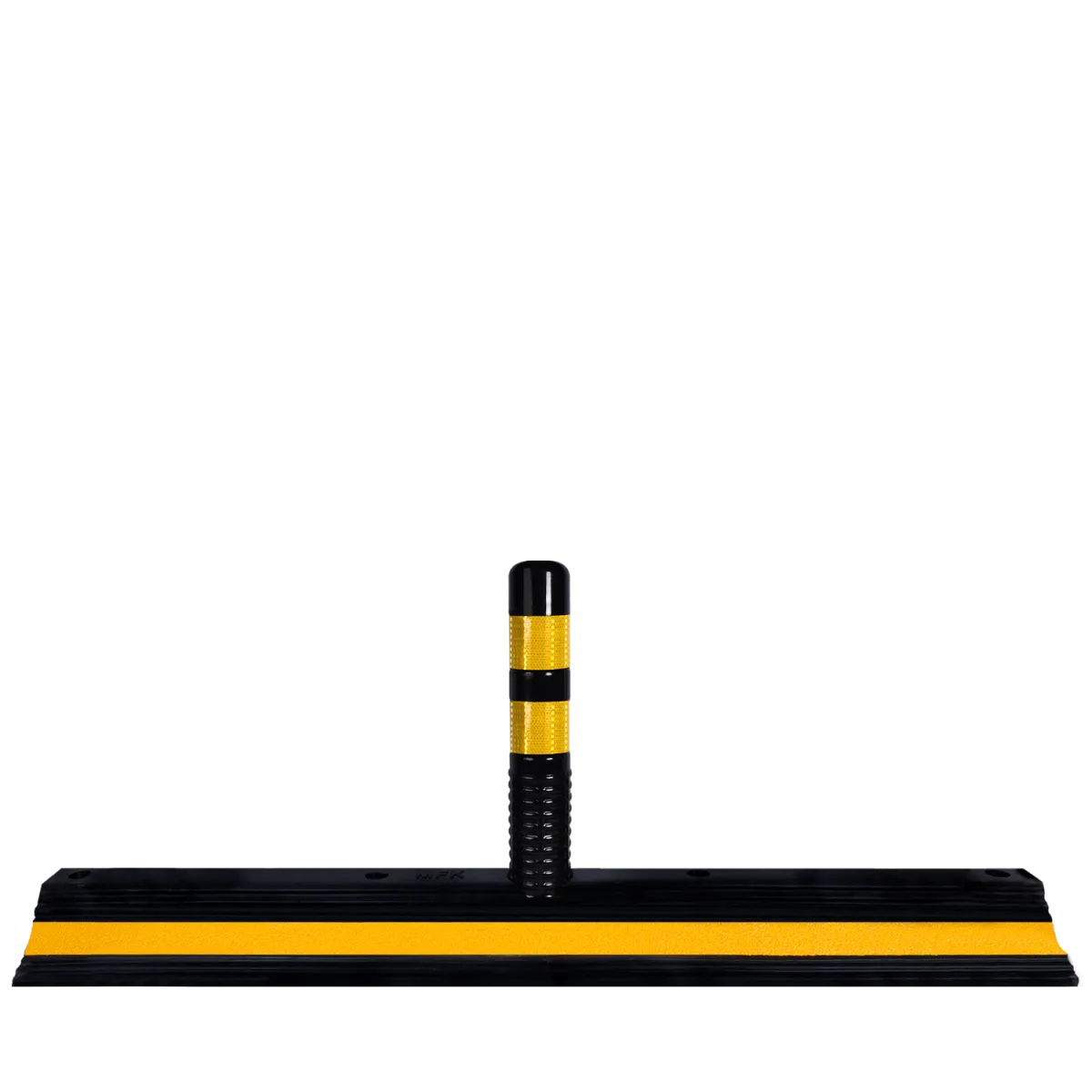
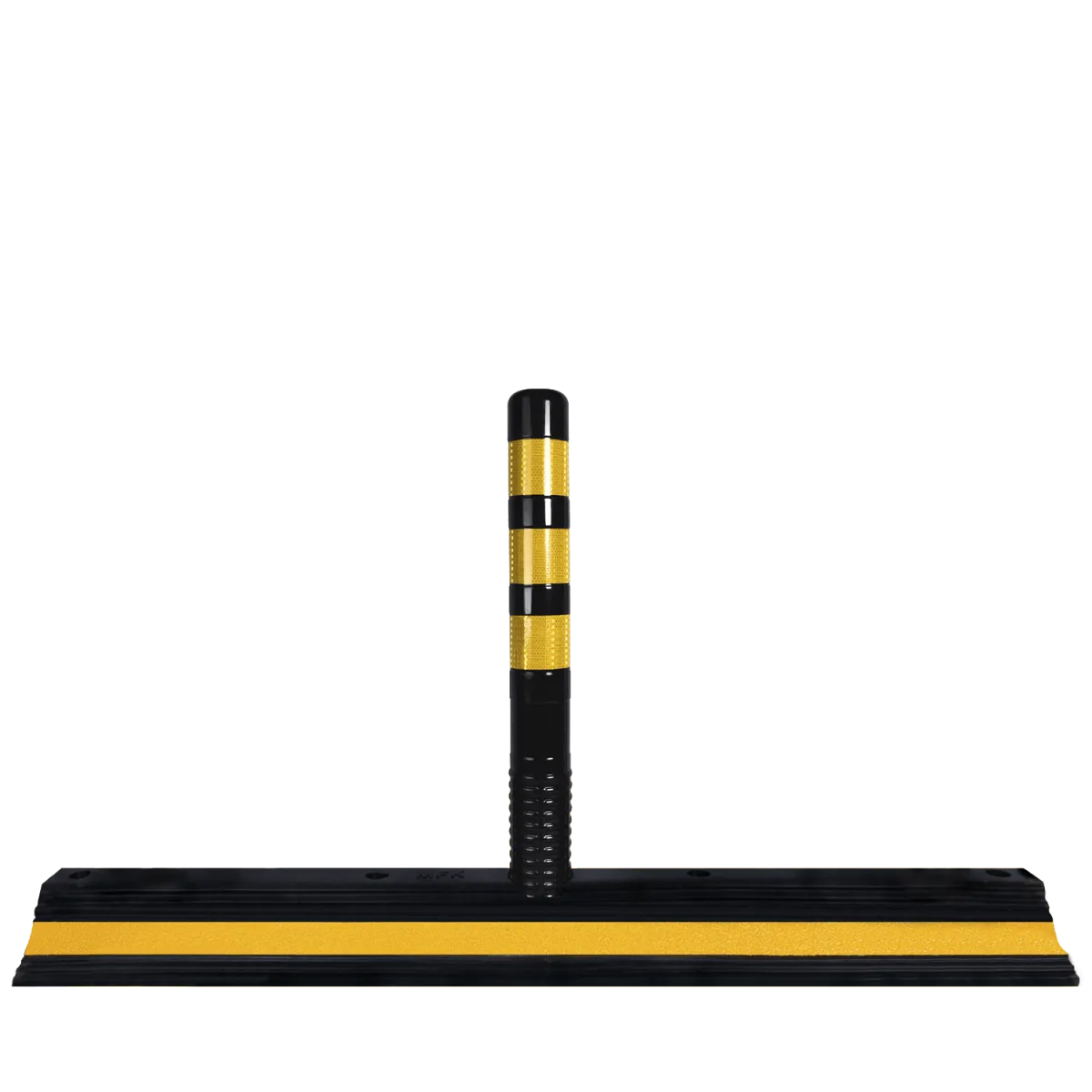
- V18-2045 and V18-2075 – black rubber base, 100 x 25 x 10 cm, with a black TPU post of 45 or 75 cm, 15 and 16 kg;
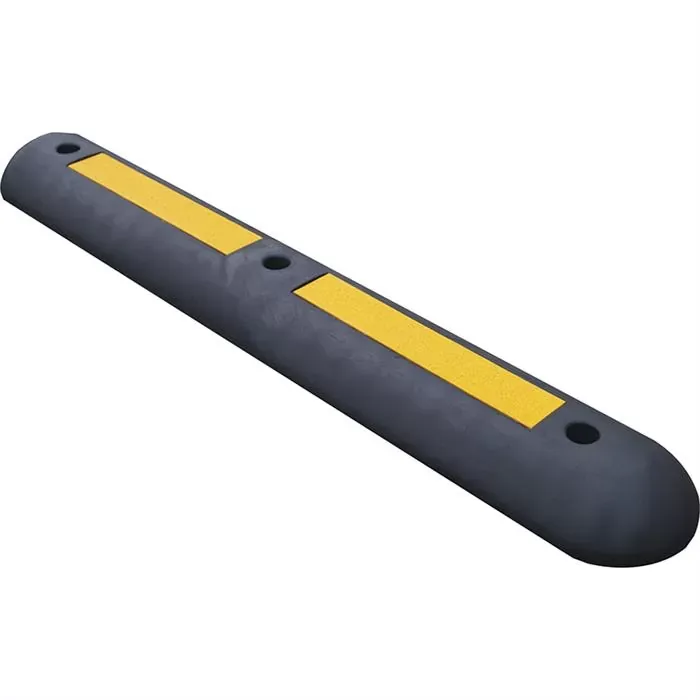
- V18 – low black PVC separator, 100 x 15 x 6 cm, 6.5 kg, with no post.
How to choose
First decide whether you want a post. Without one, the V18 sits just 6 cm above the asphalt and suits cycle lanes. With a post, the separation can be seen from a distance, and the TPU posts are flexible: when something brushes them, they bend and spring back.
Then choose the base. The PPC base is light, 4 kg, yellow, with 2 red cat's eyes. The rubber base is wider, higher and almost four times heavier, black, with a yellow reflective strip on each long side. The posts differ too: orange with white bands on the PPC models, black with yellow honeycomb bands on the rubber ones.
Installation and quantities
Every separator is 1 m long and comes with anchors and bolts. A continuous 20 m line means 20 pieces placed end to end; spacing them out means you need fewer.
Standard and related products
The separators are in our list of products compliant with SR 1848-1:2024. If you only need posts, without a base, see the flexible delineator posts and the delineator sets. We deliver in 1-3 working days.
? Frequently asked questions
What is a traffic separator for?
It physically divides two directions of travel or two lanes, mostly on the approach to junctions, and marks out cycle lanes.
What is the difference between the PPC and rubber separators?
How many separators do I need for a 10 m line?
Each separator is 1 m long, so a continuous 10 m line takes 10 pieces. If you leave gaps between them, you need fewer.
Are the anchors and bolts included?
Yes, every separator comes with its fixing kit: anchors and bolts for all of its fixing points.
Which separator suits a cycle lane?
The V18, the low 6 cm PVC separator with no post, is made for cycle lanes. If you want the lane edge to stand out more, the models with a flexible post can be used as well.

28 years of experience in road safety
Atto Trafic supplies complete road signage and safety equipment — signs, traffic signs, markings, parking barriers, speed bumps, mirrors, bollards and accessories.
- Durable products, compliant with STAS and SR EN
- ISO 9001 / 14001 / 27001 / 20671 certified
- Constant stock, delivery in 1-3 working days
- Support for municipalities, contractors, private car parks