




Auxiliary Work Signal Devices (V)


Work zone auxiliary devices (V)
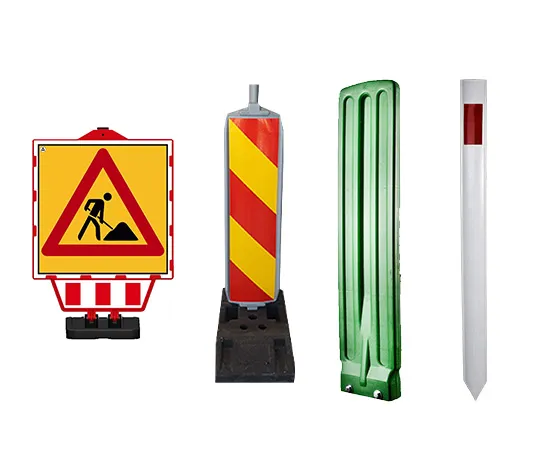
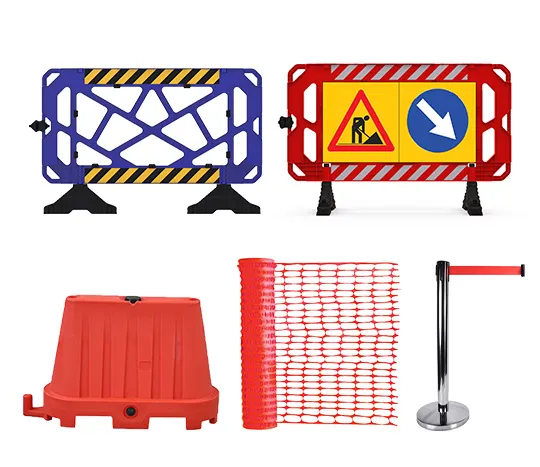
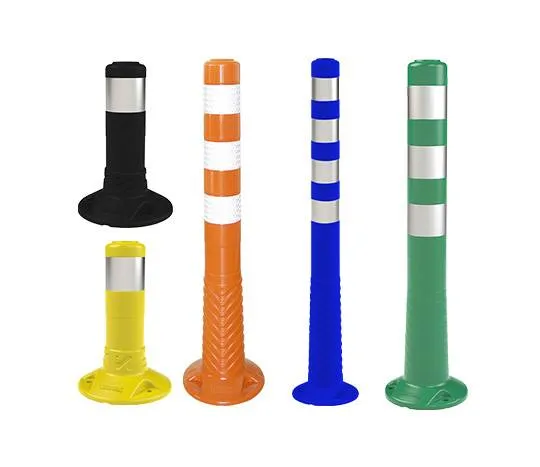
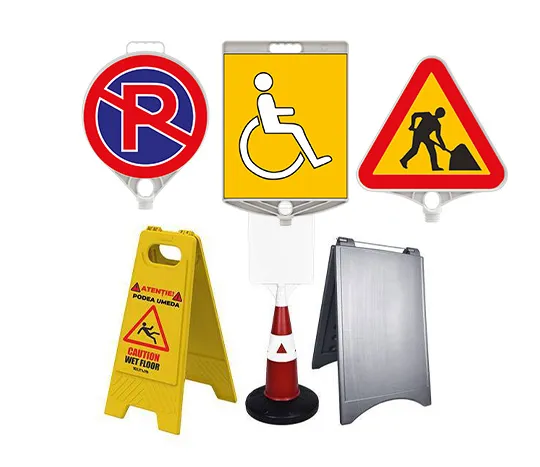
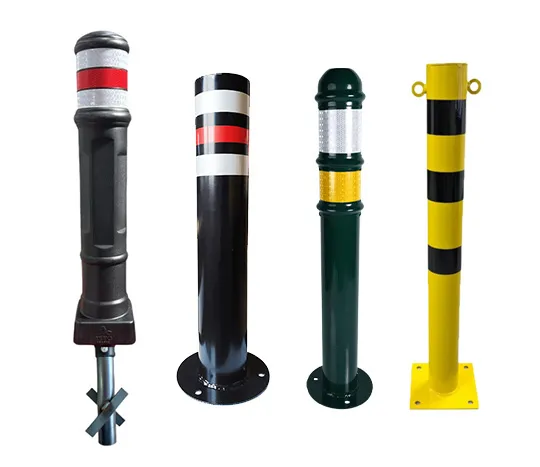
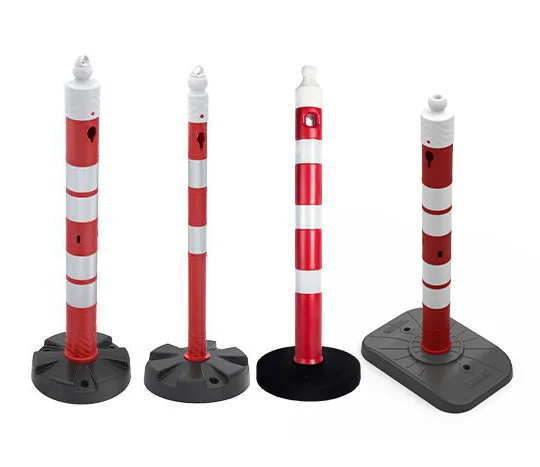
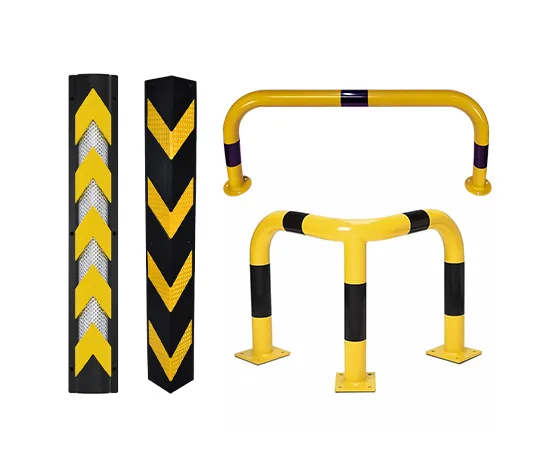
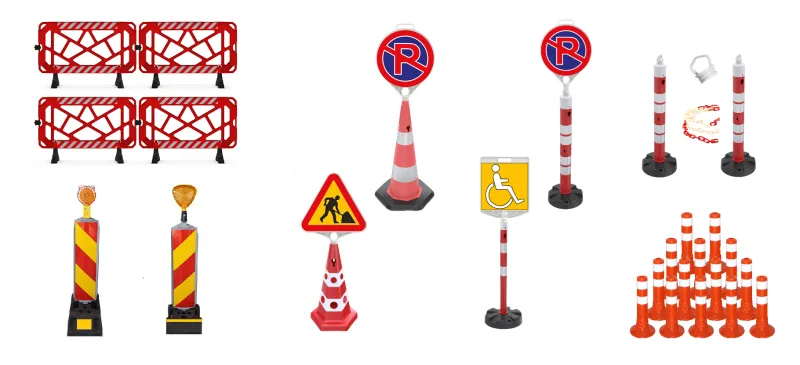
Besides signs, SR 1848-1:2024 describes the auxiliary devices used to mark off and control traffic in work zones: barrier boards, portable traffic lights, paddles, plastic barriers and mobile sign trolleys. The standard lists them for information; where a product standard exists, it takes precedence.
Barrier boards
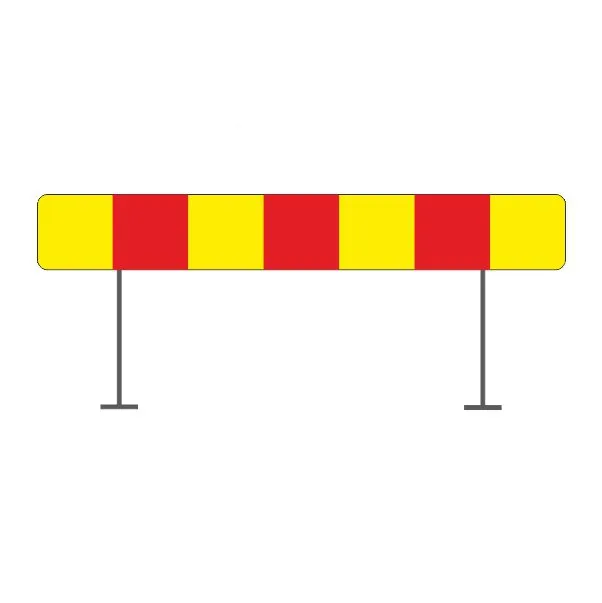
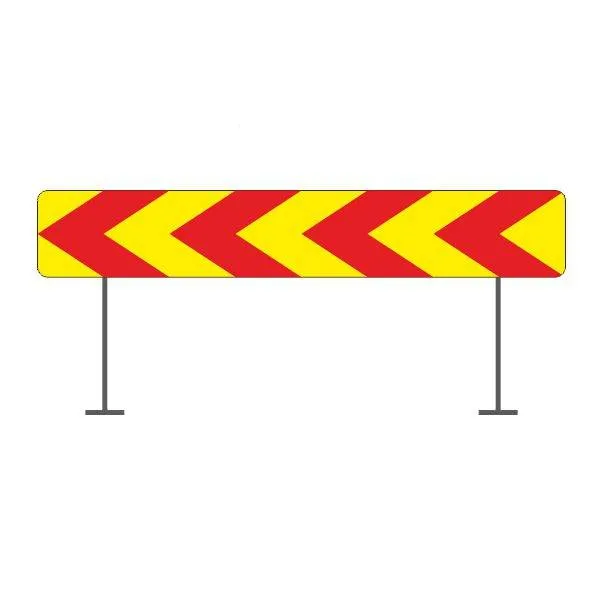
The 200x25 cm V9 barrier board marks the works lengthwise, while the 200x33 cm V10 directional board goes across the road at the start and end of the works, with the chevrons pointing to the side traffic passes on; SR 1848-2 sets both at 1.0 m above the ground. Both have class I sheeting; the class II versions are the V9 and V10. The rules of Order 1112/411/2000 require barrier boards to carry yellow-red retroreflective sheeting even where the existing signing is not retroreflective.
Alternating traffic: portable traffic lights and paddles
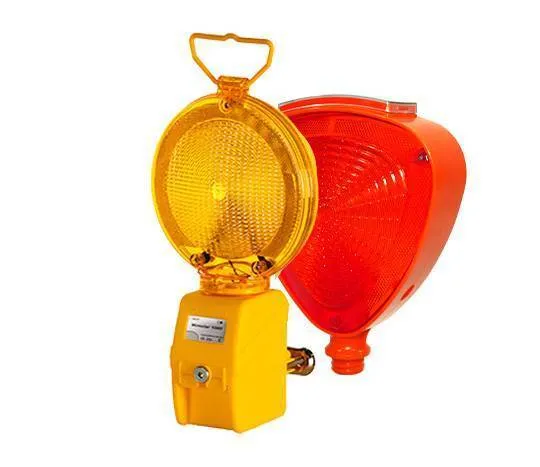
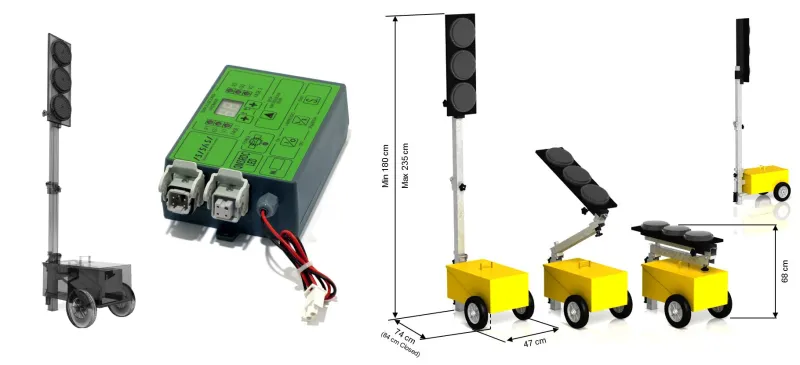
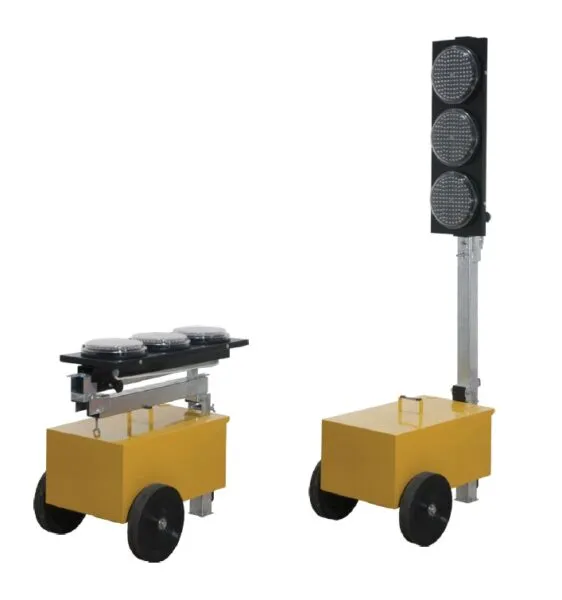
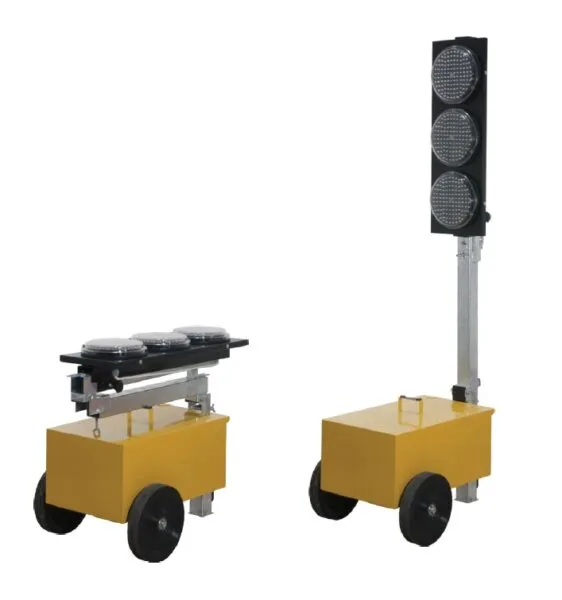
On a narrowed section, traffic taking turns is controlled by portable traffic lights, such as the set of two 200 mm LED lights V11-20 or the countdown version V11-21, or by traffic marshals with paddles, for example the V12-20 (STOP / GO, Ø20 cm) or the V12-30 (red / green, Ø30 cm). The rules also allow control by priority signs alone; alternating traffic cannot be organised on a section longer than 1,200 m.
Plastic barriers and trolleys
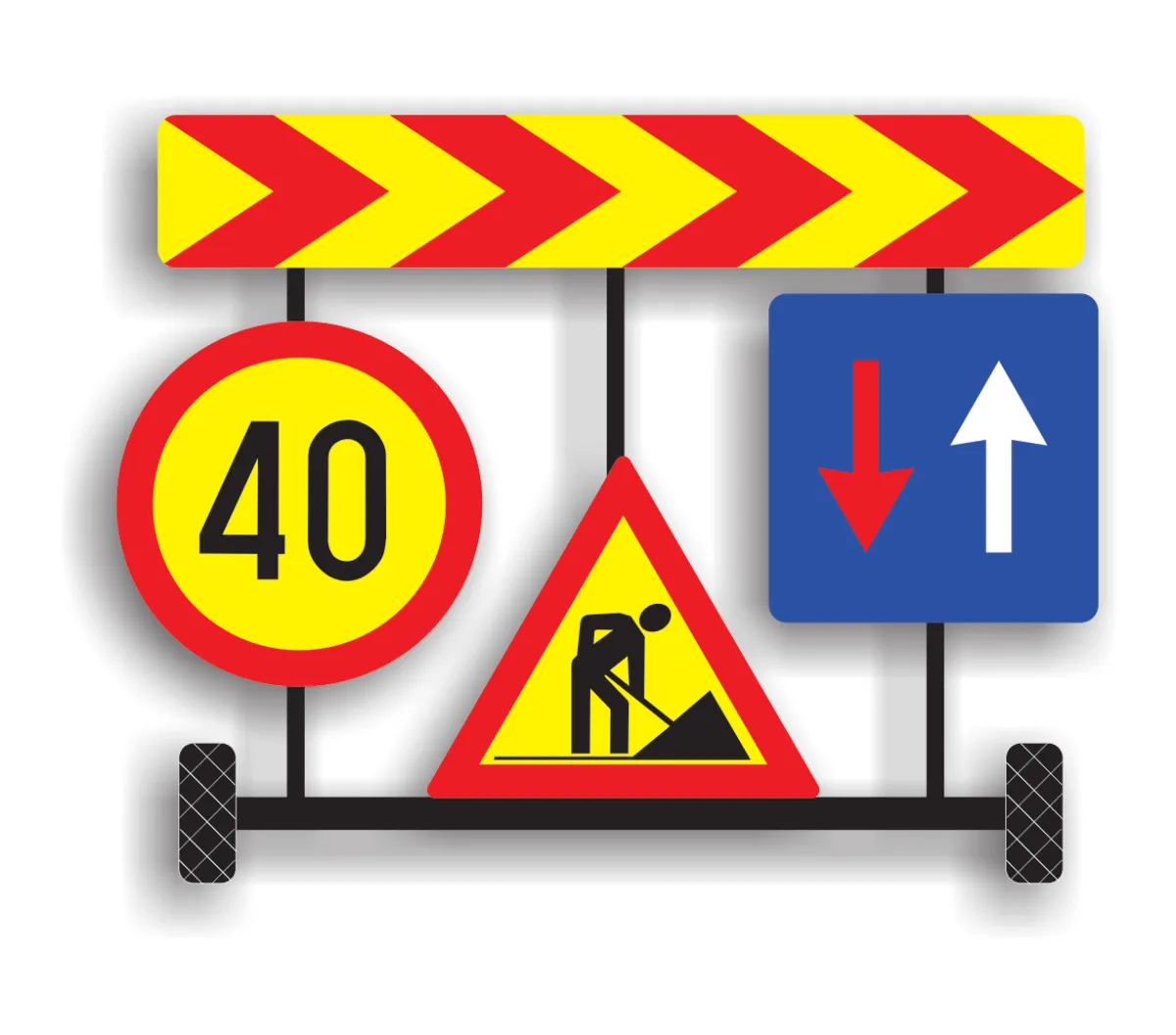
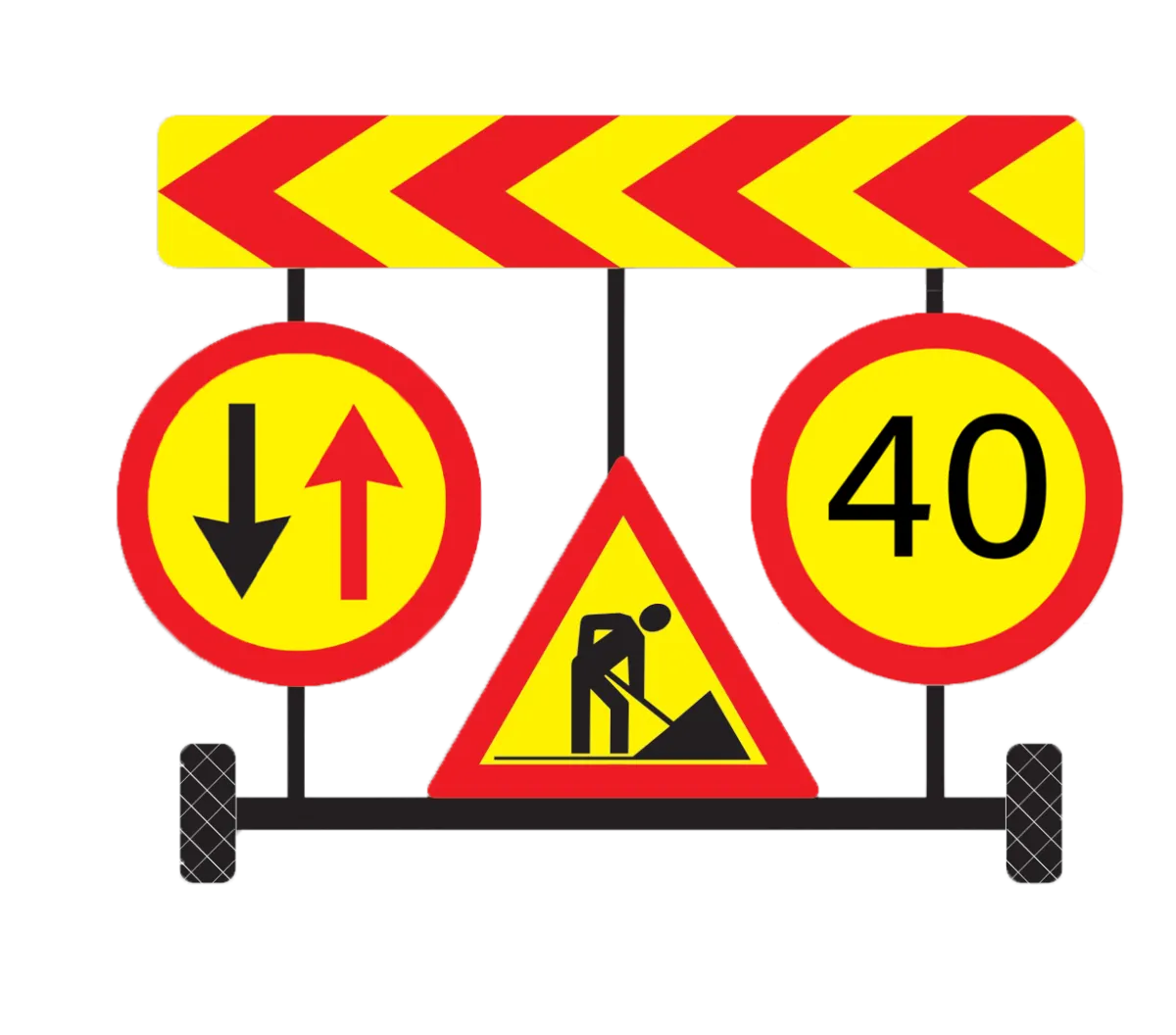
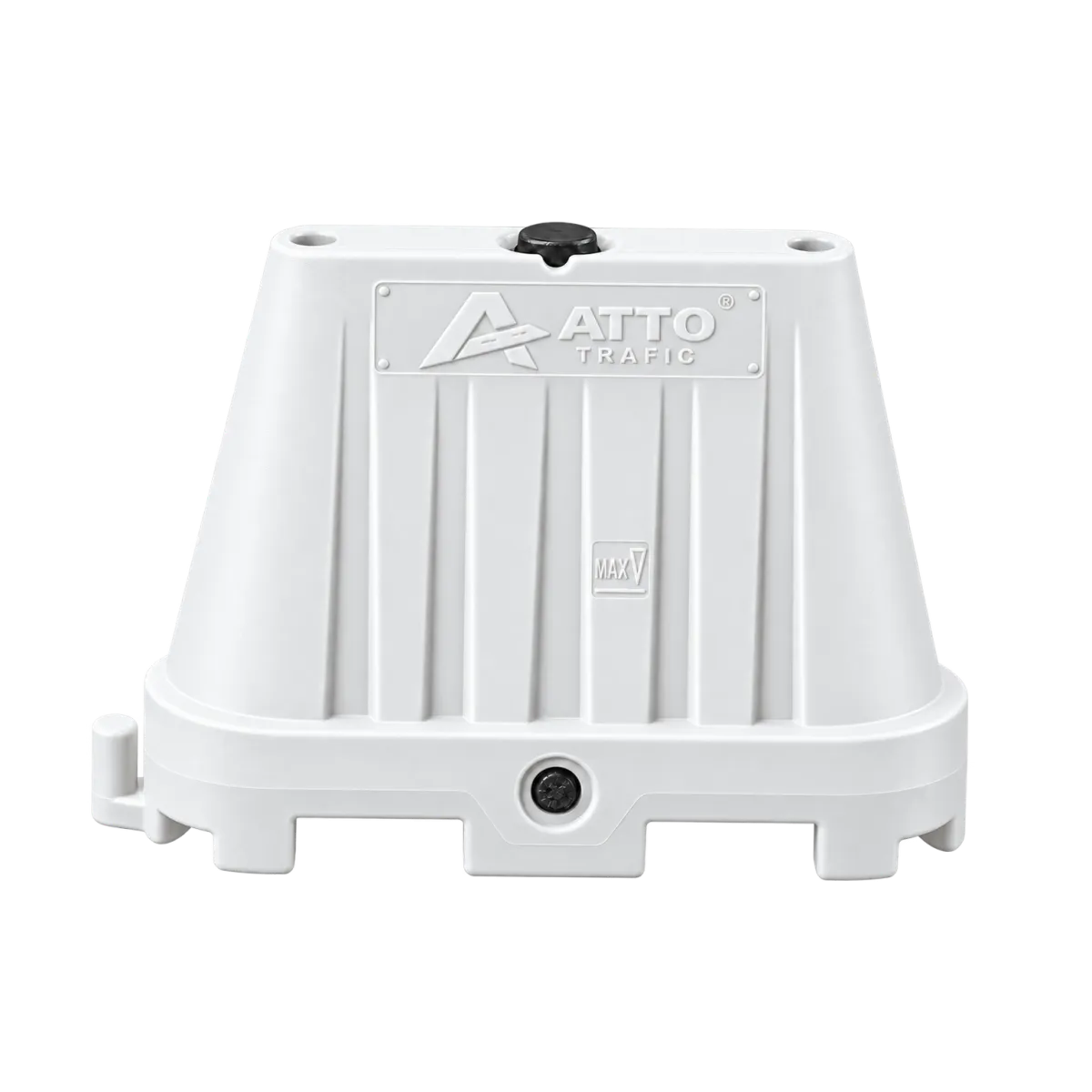
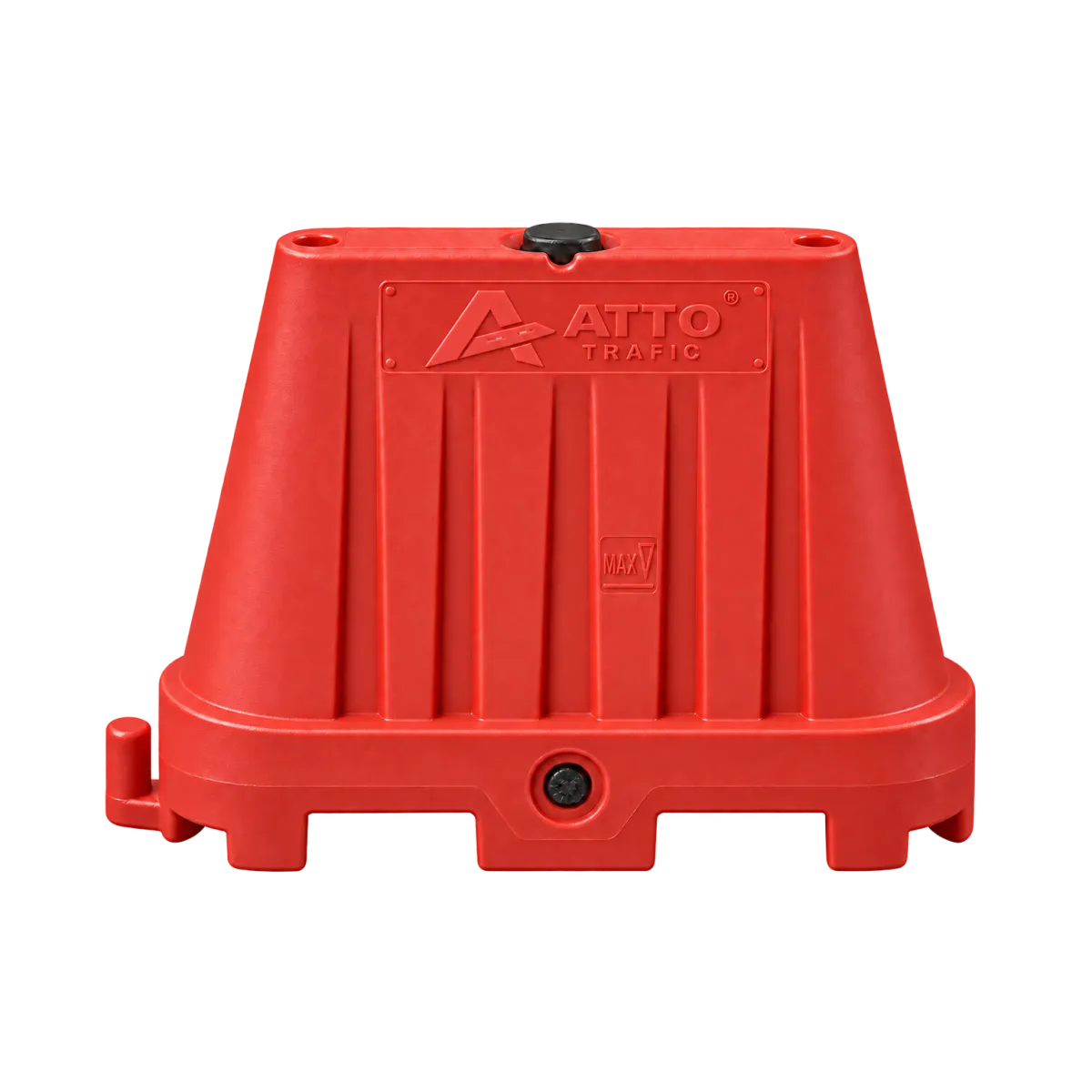
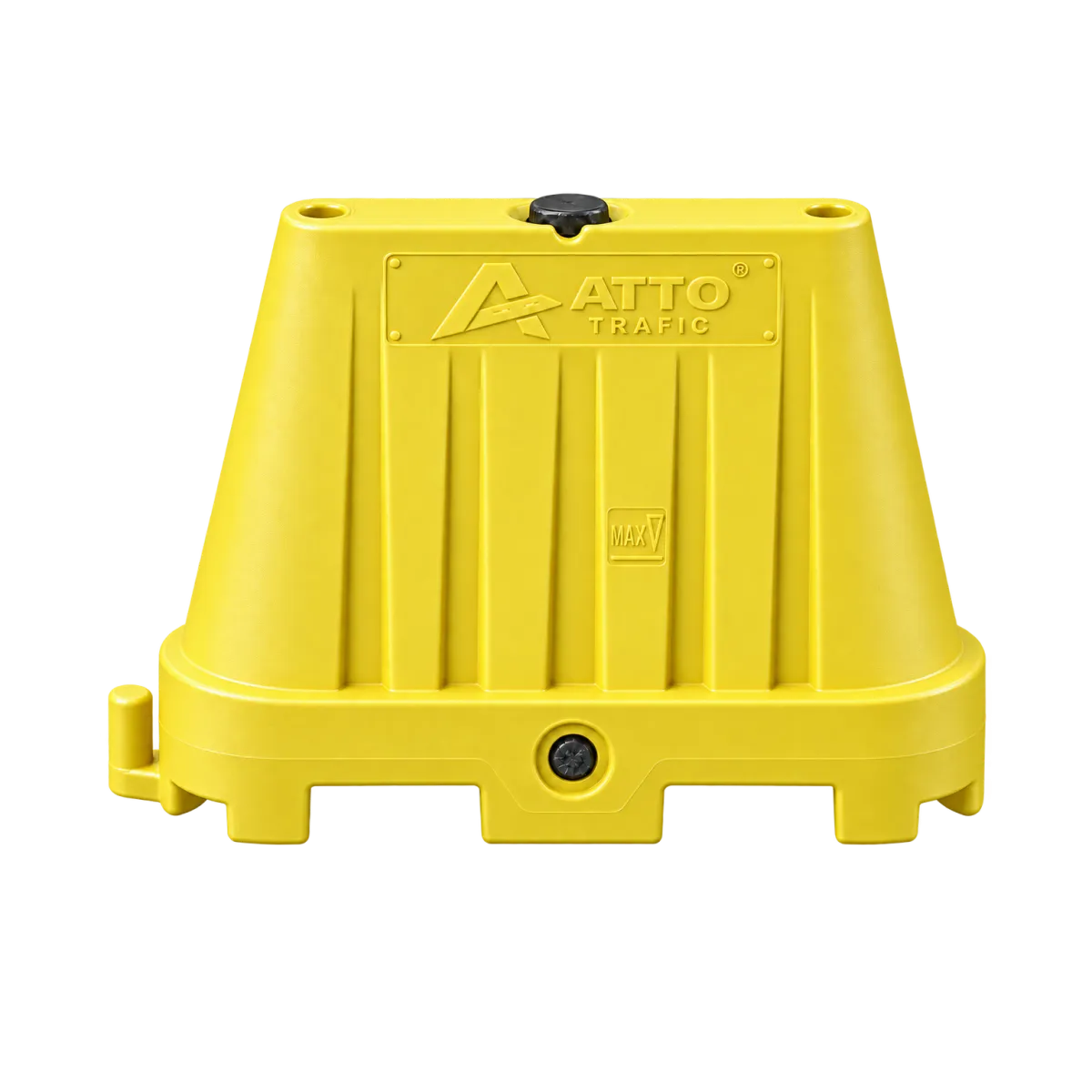
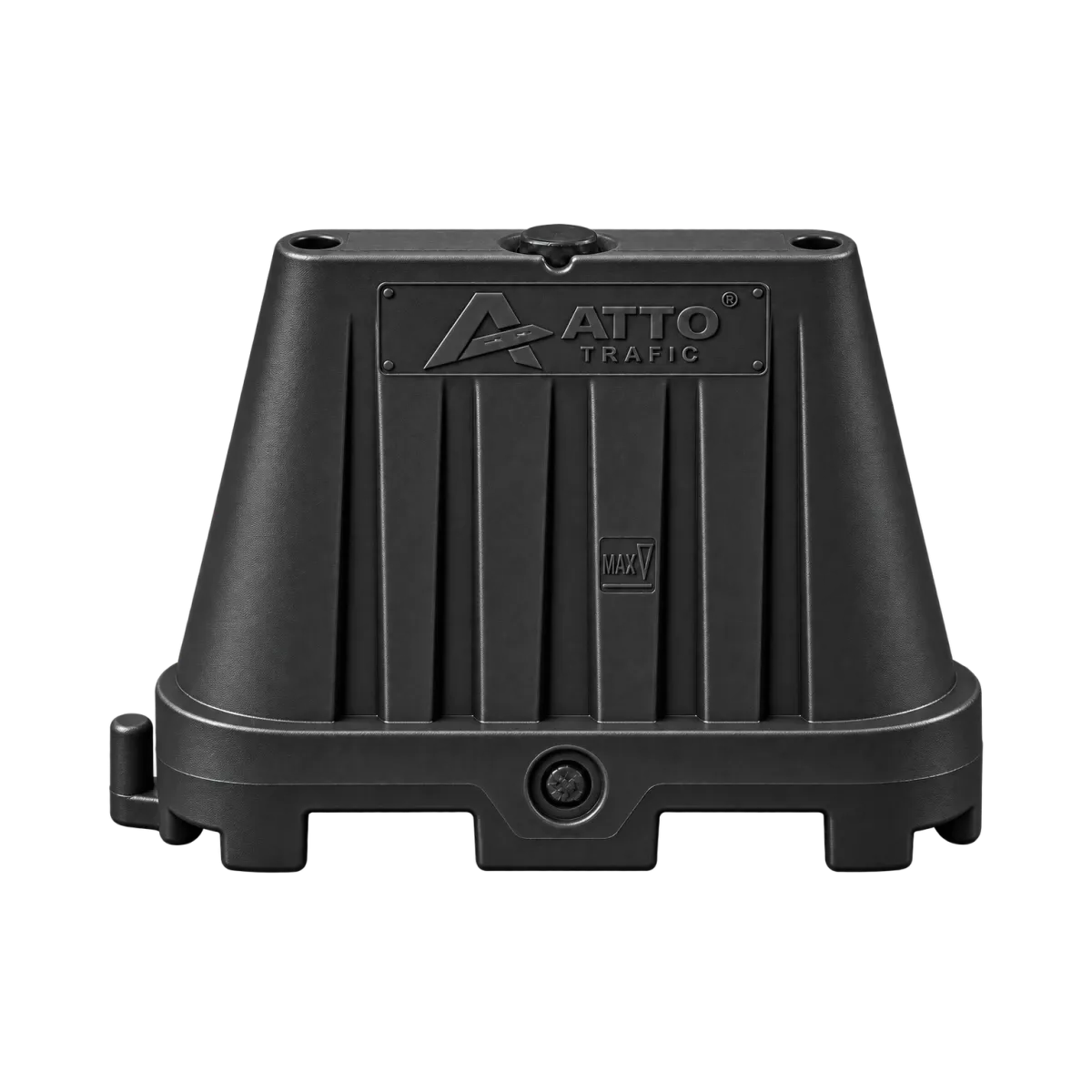
The 100x40x70 cm ballastable New Jersey plastic barriers, in red, white, yellow and black, mark off the work zone lengthwise or separate the directions on roads with at least two lanes each way. For work points that move gradually during the day, the V16 mobile sign trolleys, with chevrons to the right or left, carry the directional barrier board, the 40 km/h limit, the “Roadworks” sign and a priority sign.
Installation and maintenance
Like all temporary signing, auxiliary devices are installed to the layout approved by the road authority with the traffic police's agreement and maintained for the whole job. The signing that marks the works, which includes barrier boards, plastic barriers and markers, goes up after the advance signing and before the end-of-restriction signing. The temporary signs are in the temporary road signs (U) category.
? Frequently asked questions
What are work zone auxiliary devices?
The equipment in group V of SR 1848-1:2024 that supplements signs in work zones: barrier boards, portable traffic lights, paddles, plastic barriers, mobile sign trolleys and more. The standard lists them for information; product standards take precedence.
What is the difference between the barrier board and the directional board?
The V9 barrier board, 200x25 cm, marks the works lengthwise. The V10 directional board, 200x33 cm, goes across the road at the start and end of the works, and its chevrons show which way to pass. SR 1848-2 sets both at 1.0 m above the ground.
How is alternating traffic controlled?
The rules of Order MI/MT no. 1112/411/2000 allow three systems: priority signs, traffic marshals with paddles, or portable traffic lights supplemented with priority signs. The system is chosen by traffic and section length; alternating traffic cannot be organised over 1,200 m.
What do the rules require for barrier boards at night?
Simple and directional barrier boards must carry yellow-red retroreflective sheeting even where the existing signing is not retroreflective; in that case, the lengthwise edge of the work zone is also marked with steady or flashing amber lamps.
Where are plastic barriers used?
SR 1848-1:2024 provides them to mark off the work zone lengthwise or to separate the directions on roads with at least two lanes each way. The 100x40x70 cm New Jersey barriers are ballasted once in place.
In road safety since 1998
Atto Trafic supplies complete road signage and safety equipment — signs, traffic signs, markings, parking barriers, speed bumps, mirrors, bollards and accessories.
- Durable products, compliant with STAS and SR EN
- ISO 9001 / 14001 / 27001 / 20671 certified
- Constant stock, delivery within 24-48 hours
- Support for municipalities, contractors, private car parks