
0


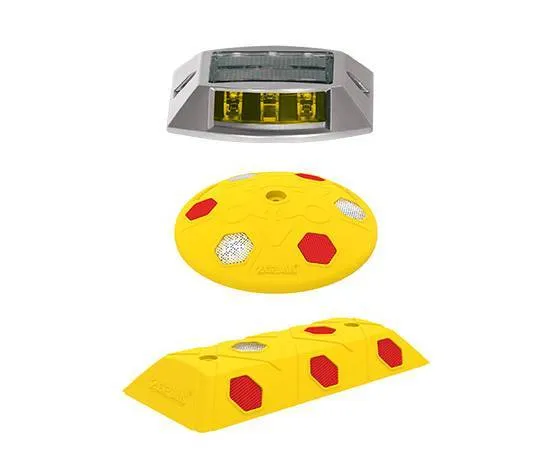
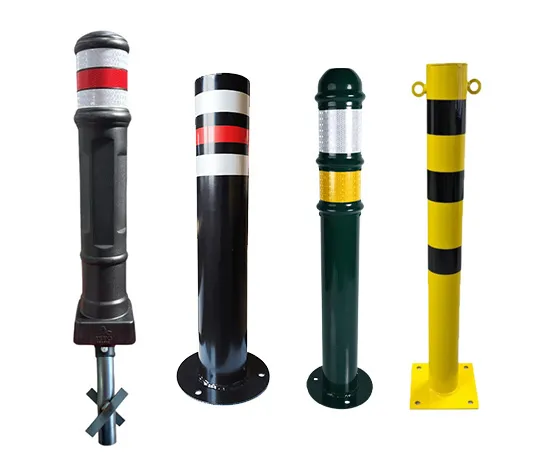
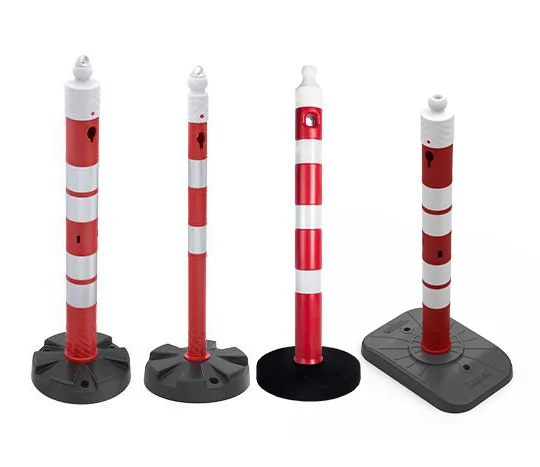


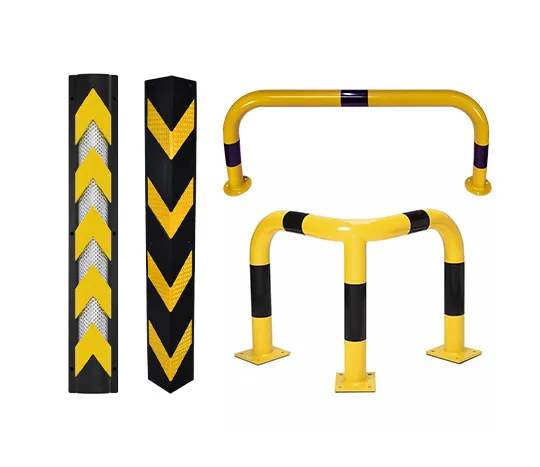
Road Studs
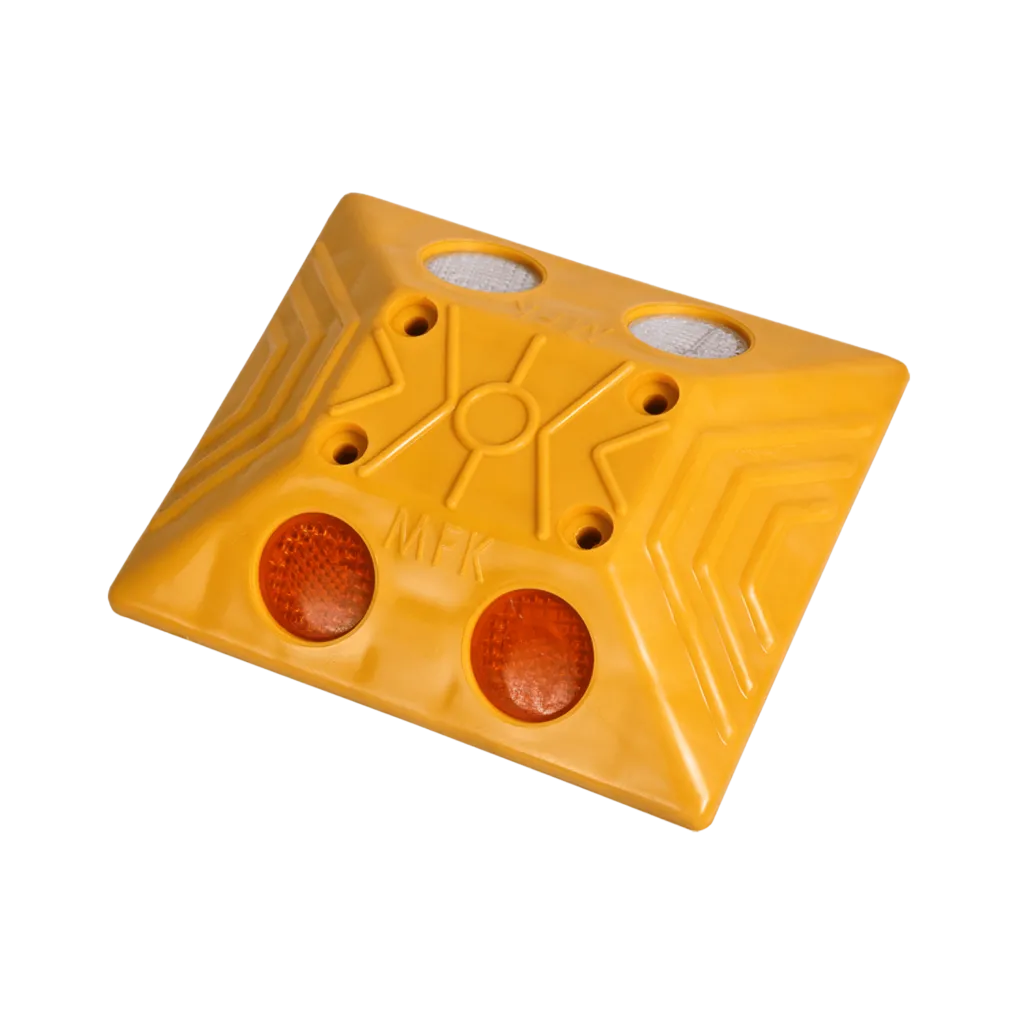
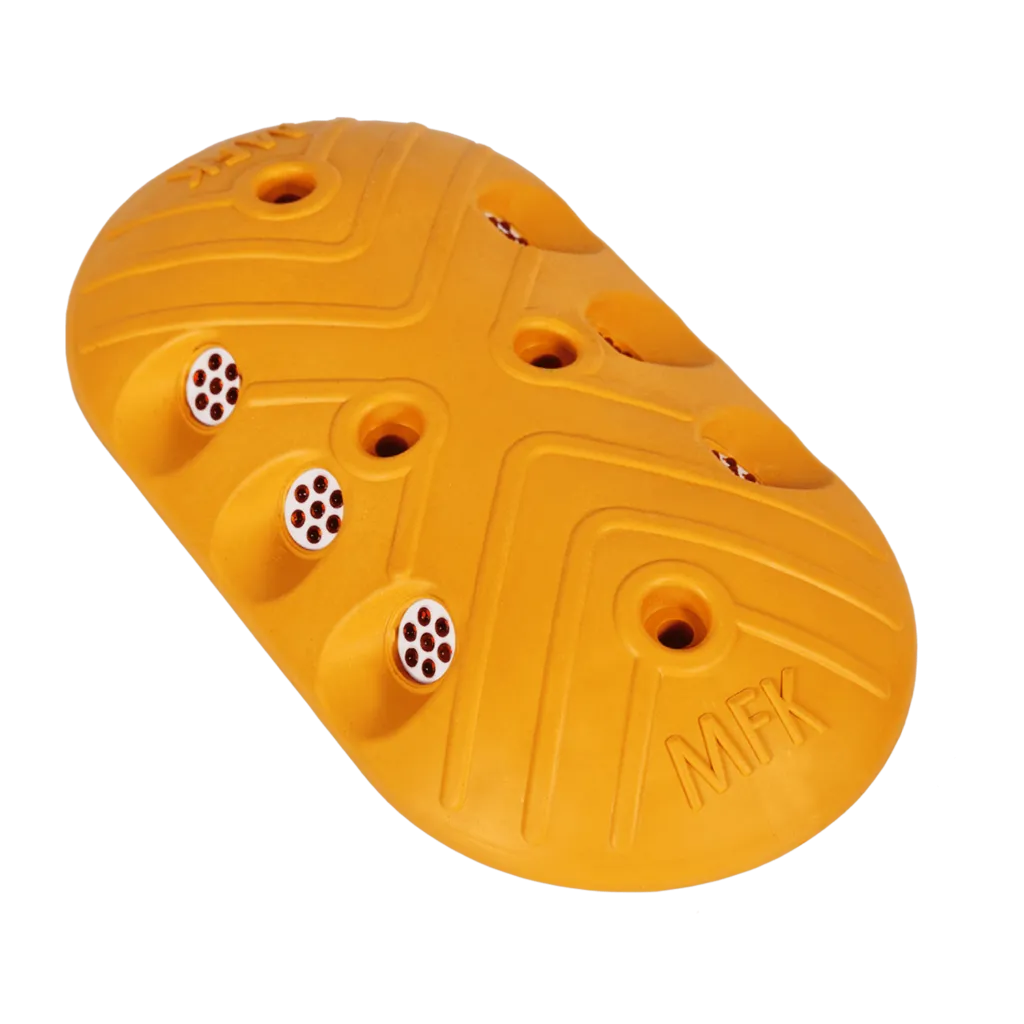
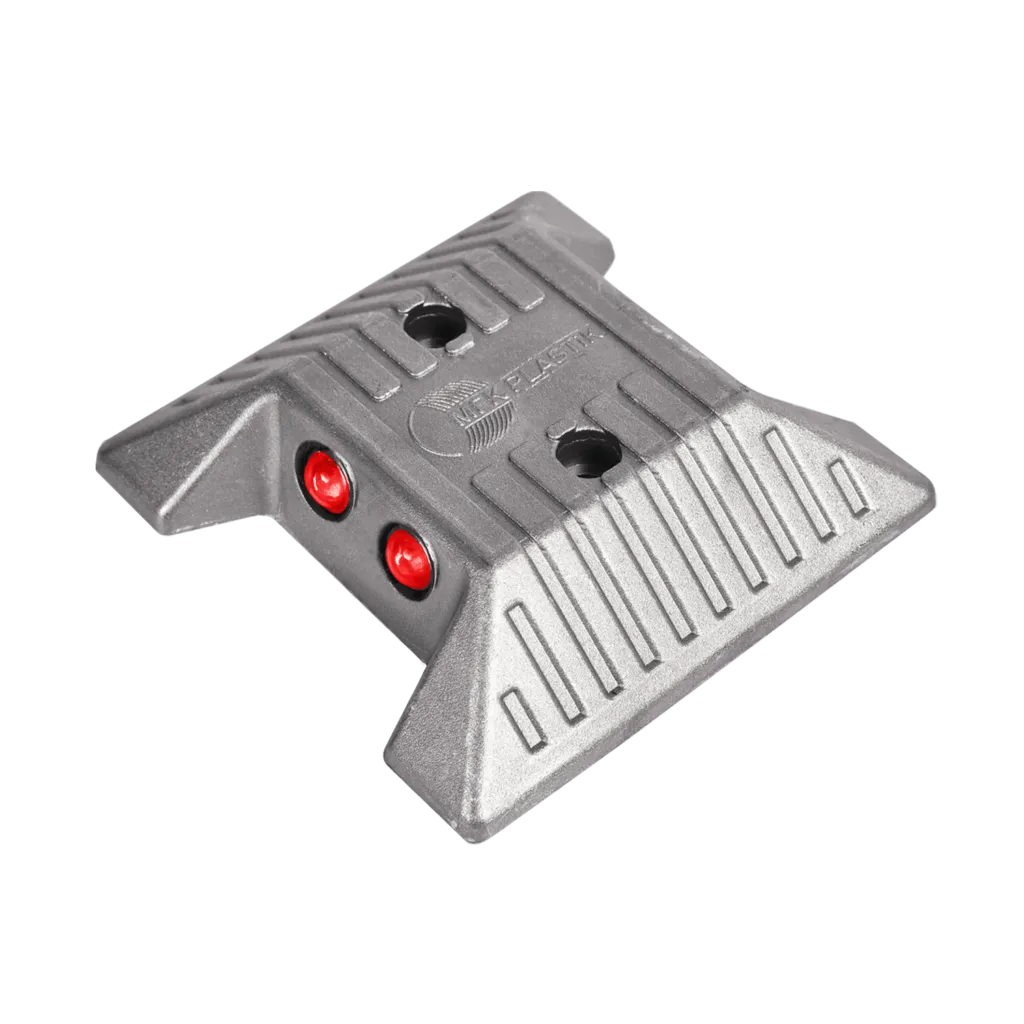
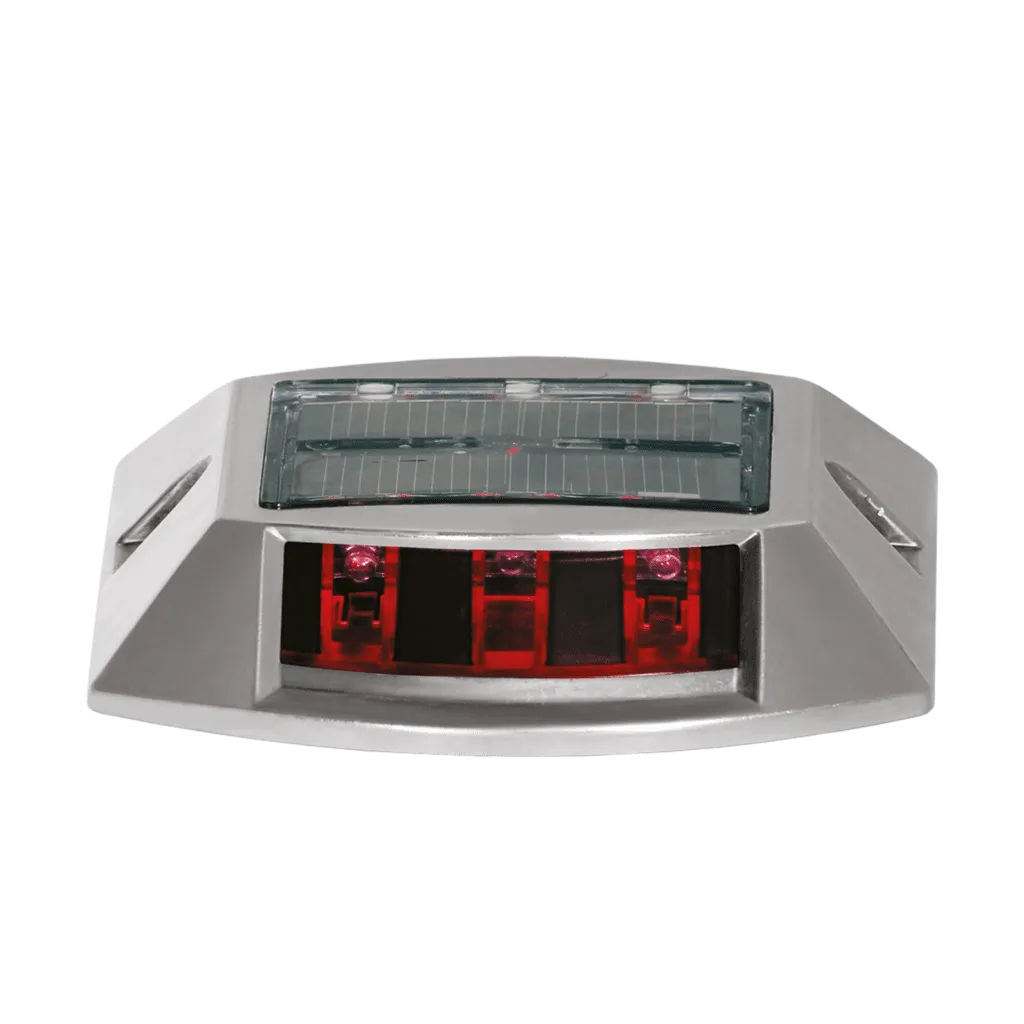
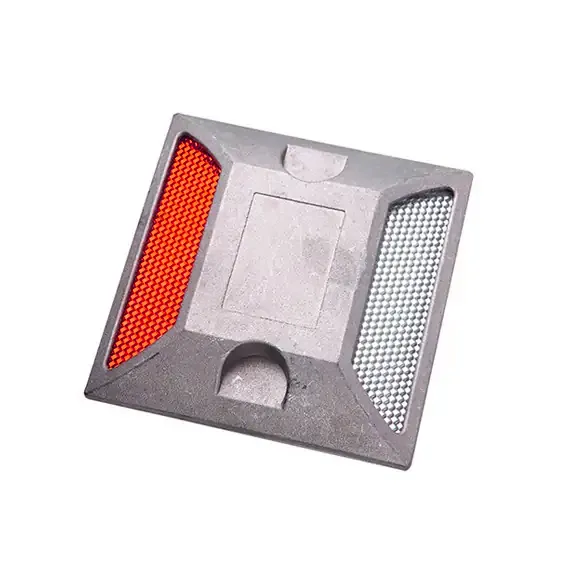
Complete Guide to Traffic Buttons and Their Uses
I. Introduction to Traffic Buttons Traffic buttons are important devices installed at pedestrian crossings or road intersections, allowing pedestrians to activate traffic lights to cross safely. In this article, we will explore the role, operation, and importance of traffic buttons in traffic management and promoting pedestrian safety. II. Operation of Traffic Buttons A. Activation: Pedestrians press the traffic button to request a green light at the traffic signal and to receive permission to cross the street. B. Communication with Traffic Signal: The button transmits a signal to the traffic signal controller, indicating the need to change the signal state and allow pedestrian crossing. C. Ensuring Safety: Activating the traffic button ensures that pedestrians receive sufficient time to cross safely and that road traffic is managed efficiently. III. Types of Traffic Buttons A. Wired Buttons: These buttons are connected to the traffic signal controller via an underground wire and are commonly used in older traffic signal systems. B. Wireless Buttons: These buttons communicate with the traffic signal controller through a wireless connection and are more flexible regarding installation and maintenance. C. Tactile Buttons: Some intersections are equipped with tactile traffic buttons, which provide tactile or acoustic feedback for pedestrians with visual or hearing impairments. IV. Importance of Traffic Buttons in Pedestrian Safety A. Promoting Safe Crossing: Traffic buttons give pedestrians control over the traffic signals, allowing them to cross the street at safe moments. B. Reducing Accident Risk: By managing traffic and ensuring adequate crossing time, traffic buttons help reduce the risk of accidents at intersections. C. Improving Urban Mobility: Traffic buttons are part of the urban infrastructure that facilitates pedestrian movement in cities, contributing to more efficient and safer urban mobility. V. Installation and Maintenance of Traffic Buttons A. Proper Placement: Traffic buttons should be placed in accessible locations for pedestrians and visibly to facilitate their use. B. Inspection and Maintenance: It is important that traffic buttons are inspected and maintained periodically to ensure they function correctly and are in good working condition.
Trusted partner since 1997
28 years of experience in road safety
Atto Trafic supplies complete road signage and safety equipment — signs, traffic signs, markings, parking barriers, speed bumps, mirrors, bollards and accessories.
- Durable products, compliant with STAS and SR EN
- ISO 9001 / 14001 / 27001 / 20671 certified
- Constant stock, delivery in 1-3 working days
- Support for municipalities, contractors, private car parks
Products in stock
Delivery within 24 hours
Custom offers