

Information Signs (G)
Group G of SR 1848-1:2024: pedestrian crossings, parking, stops, services, one-way.






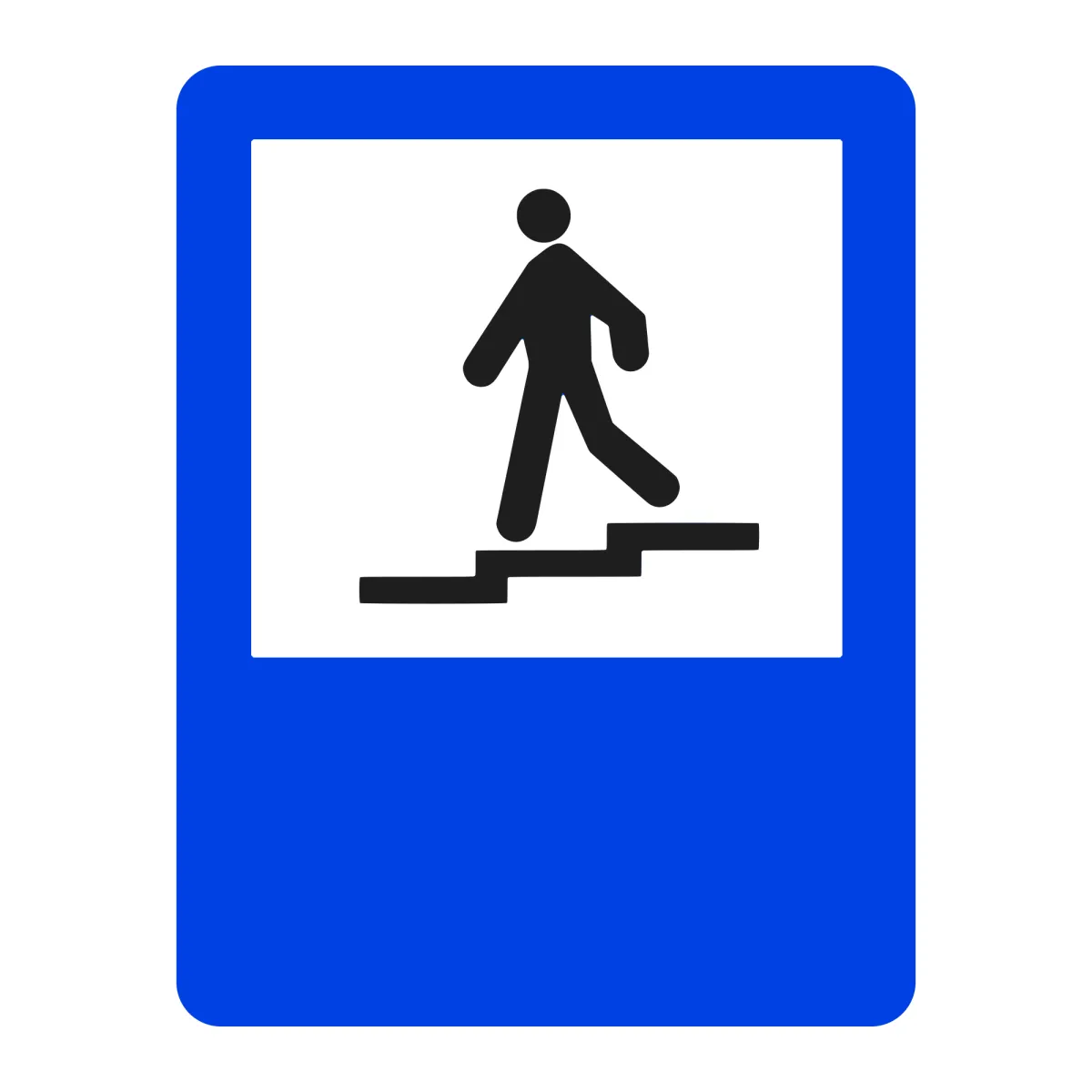
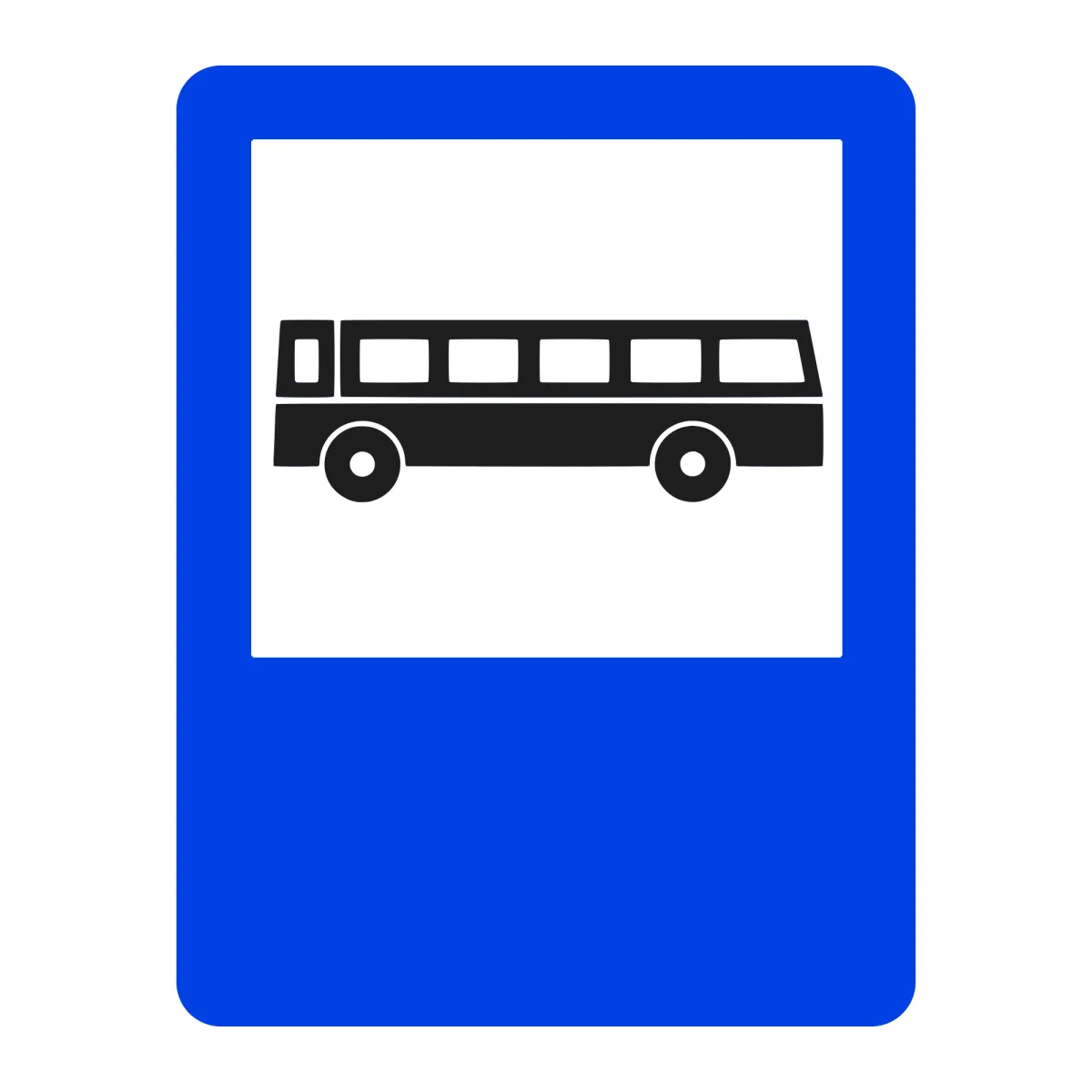
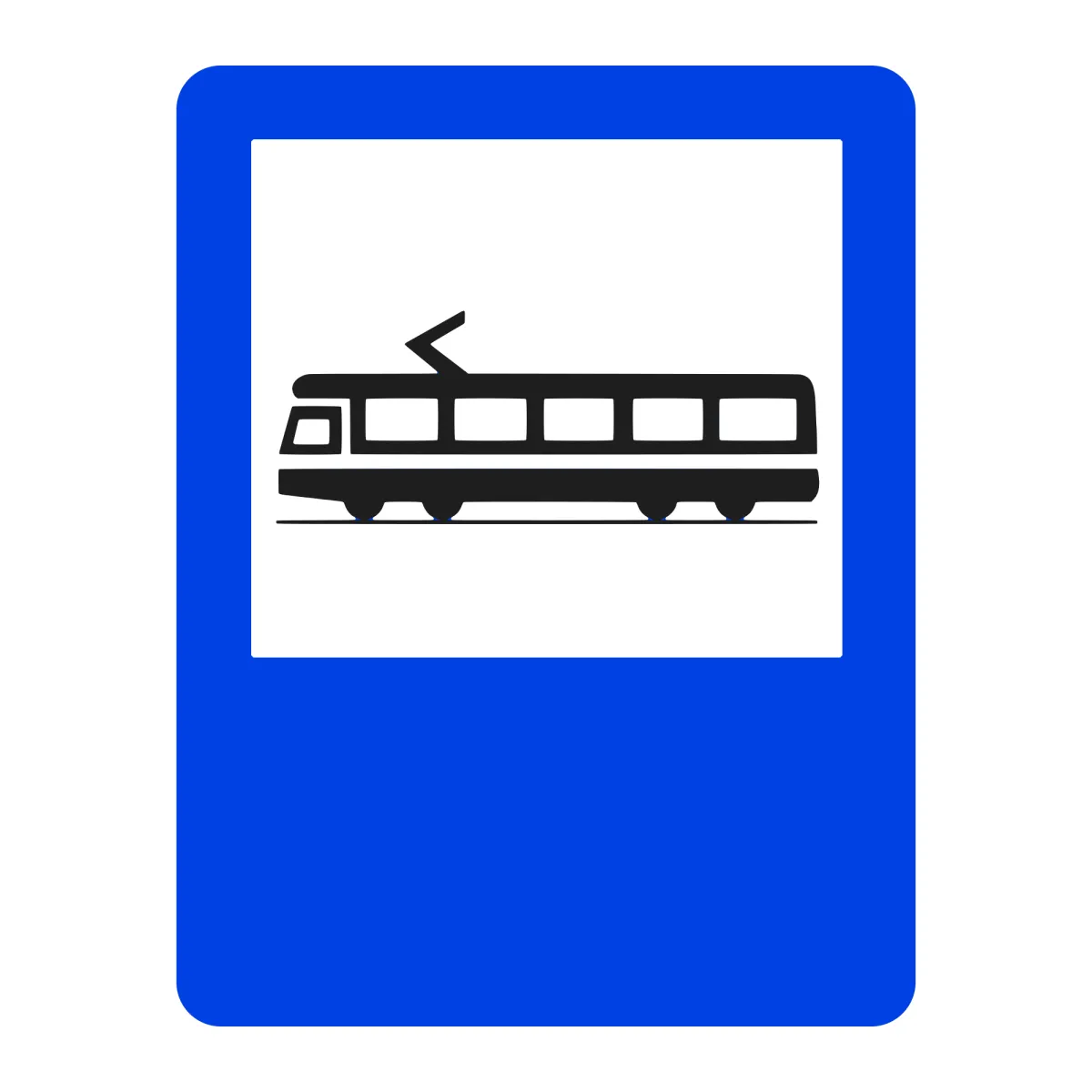
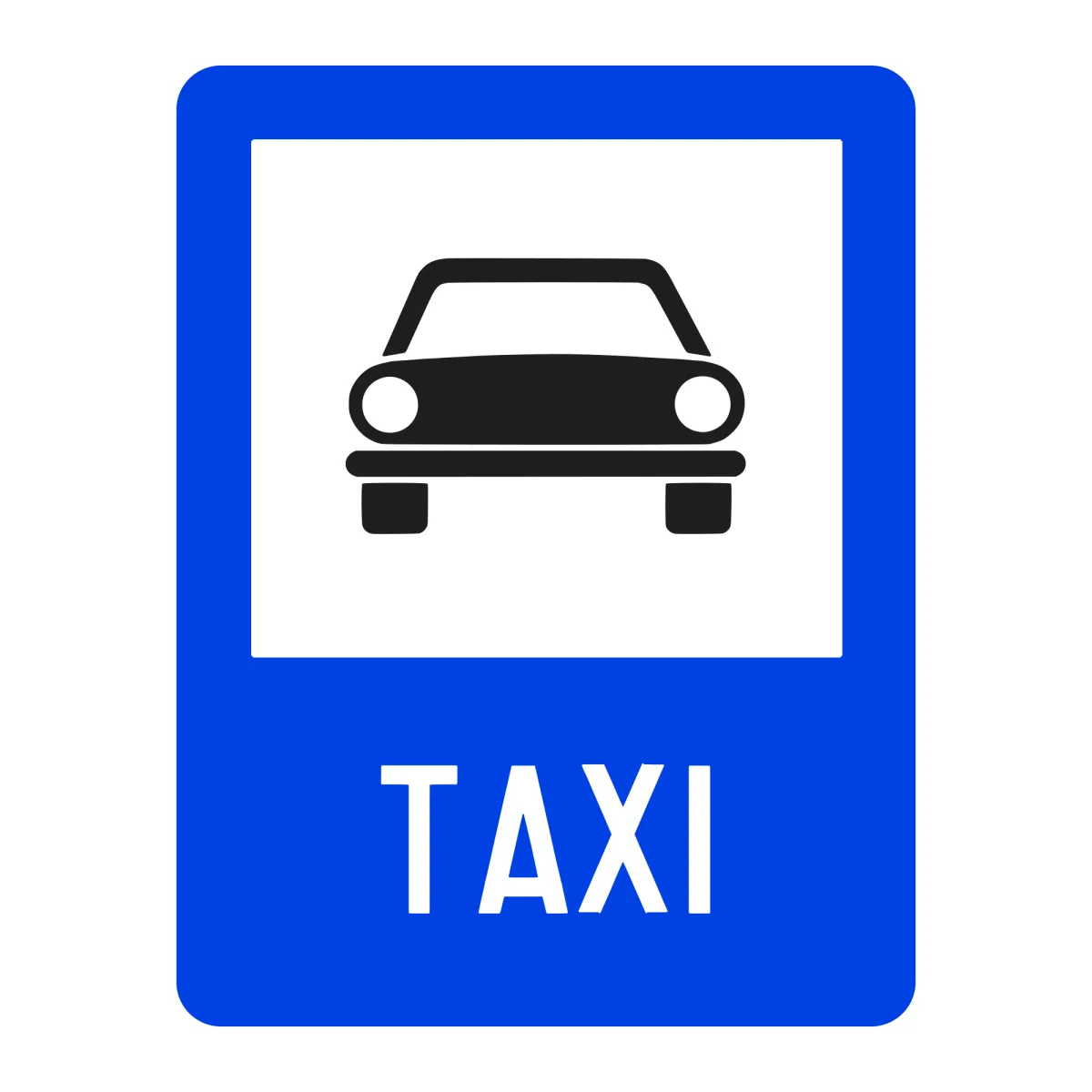

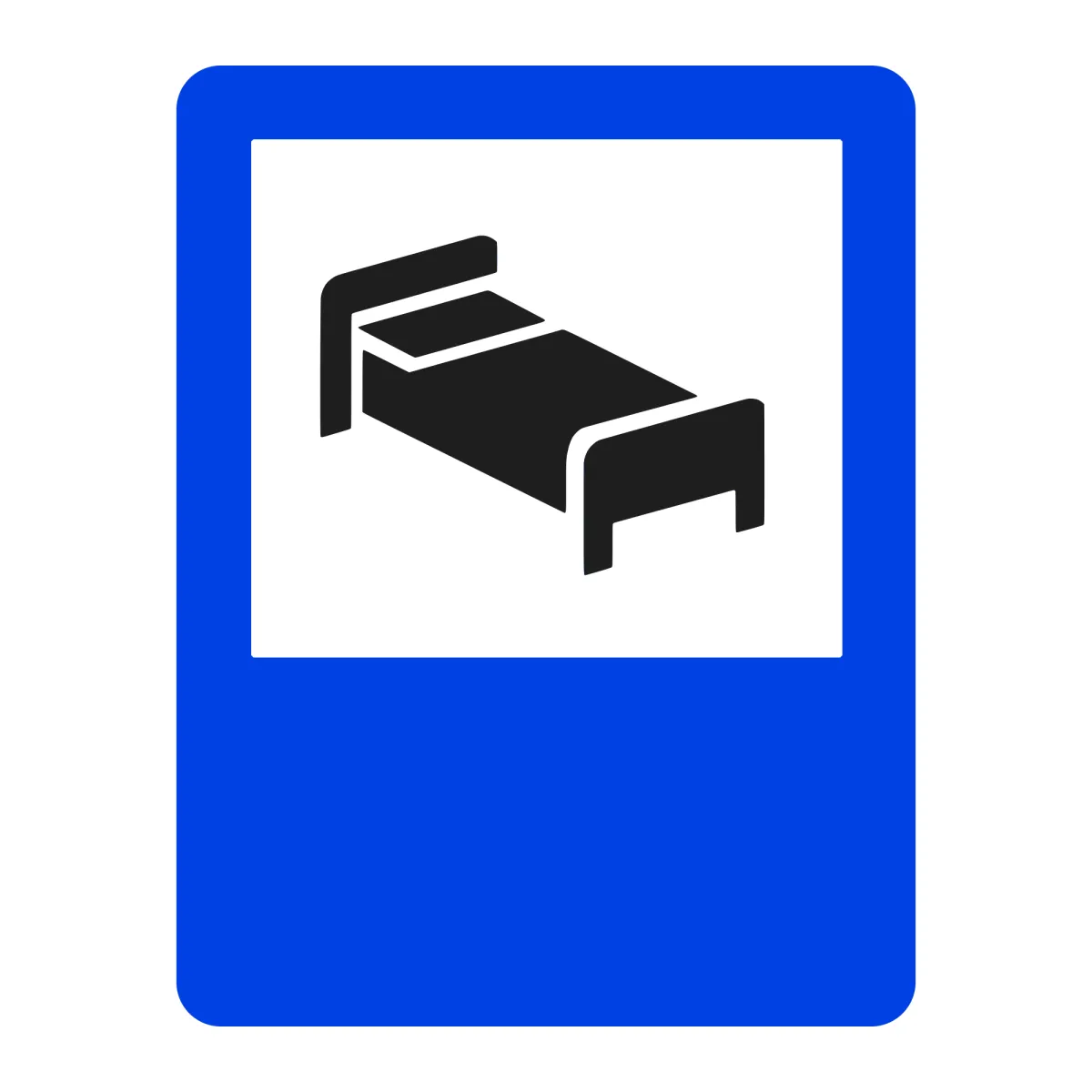



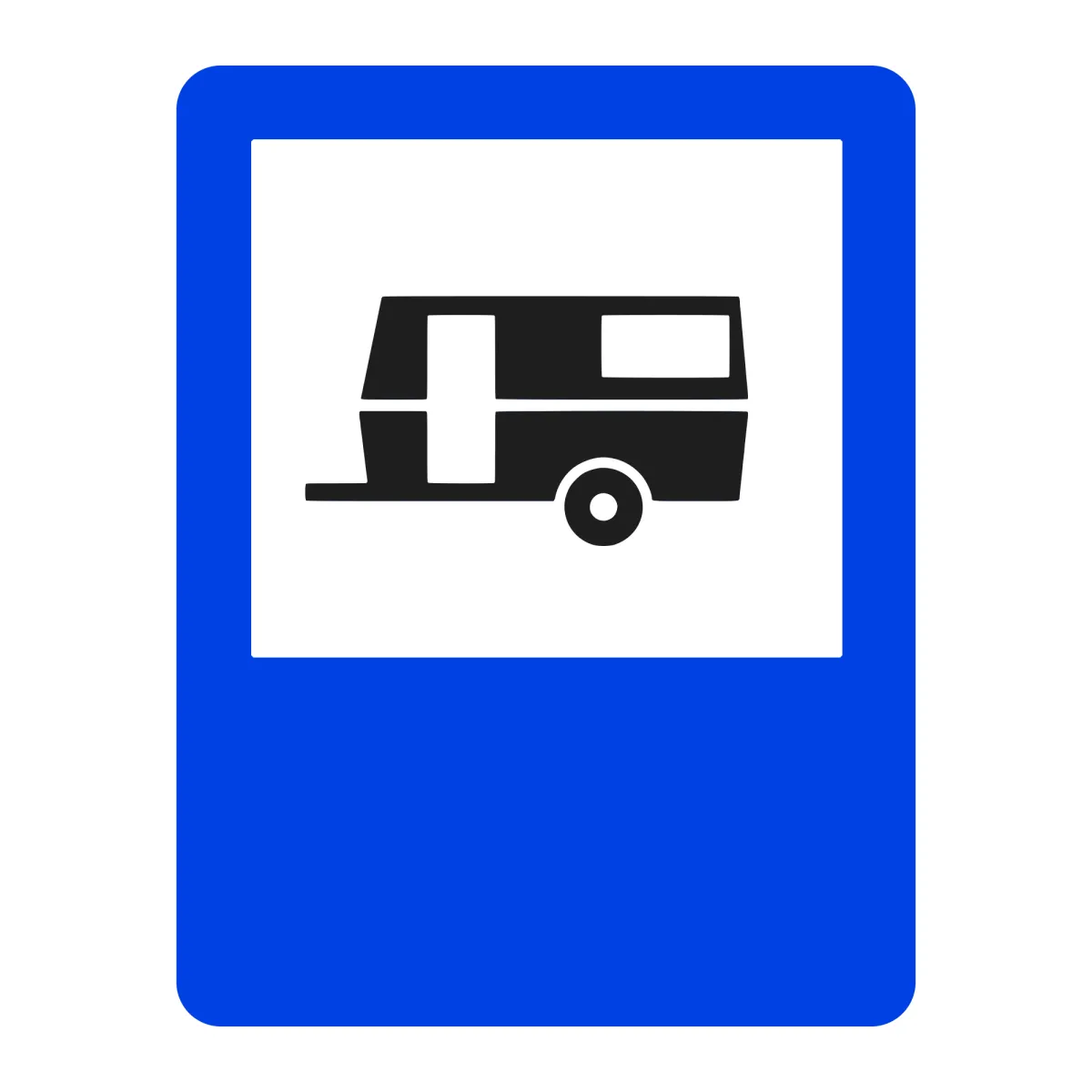
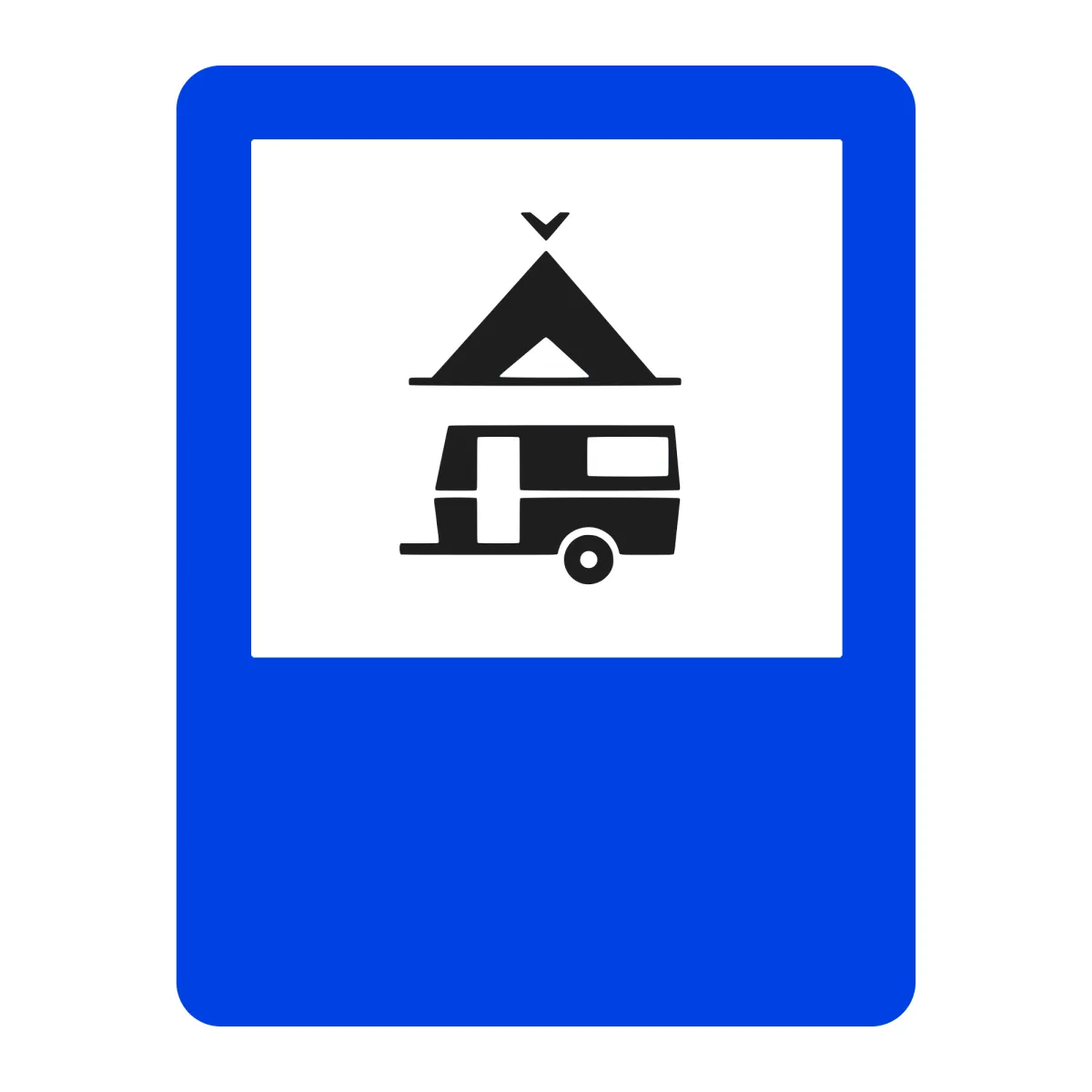



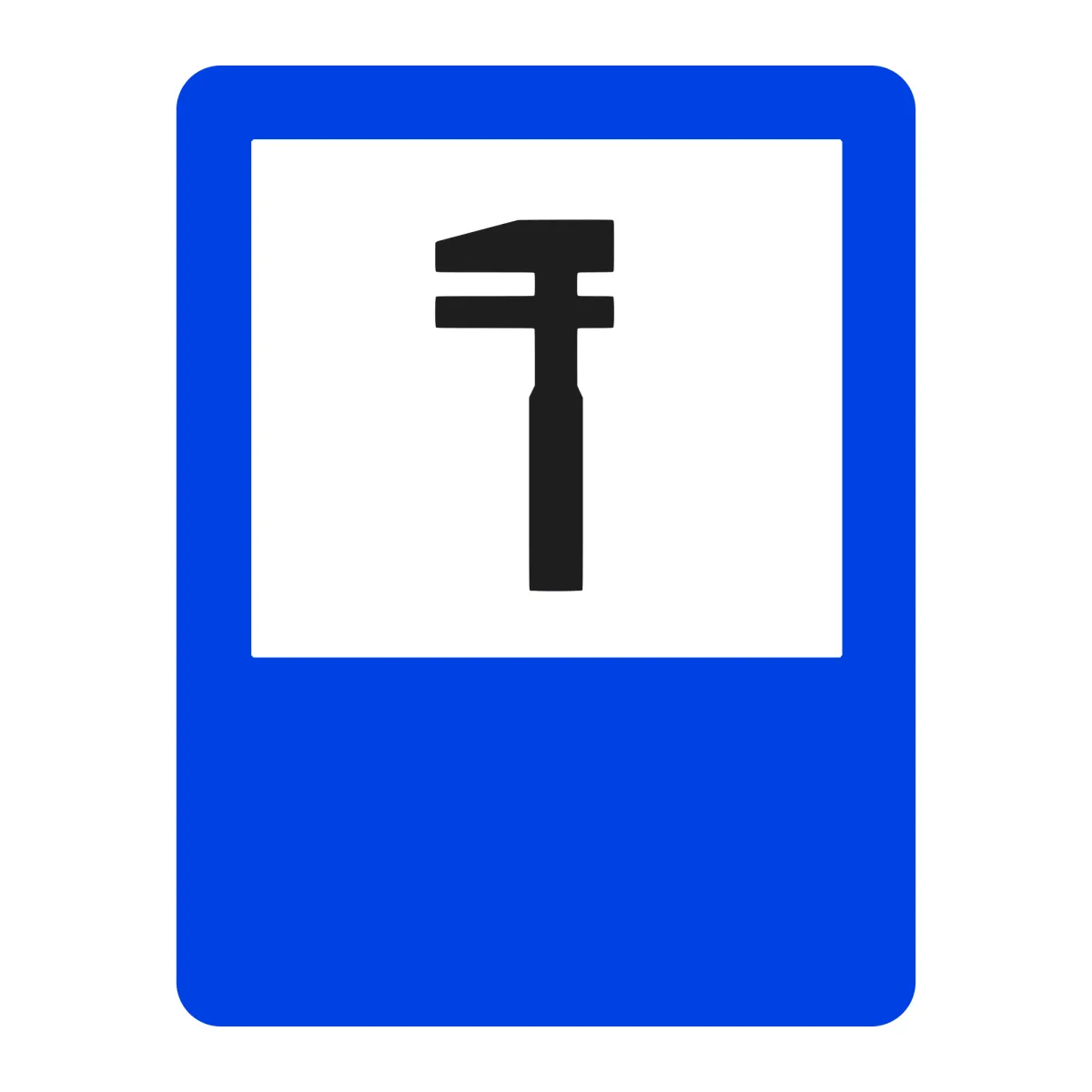

Information signs
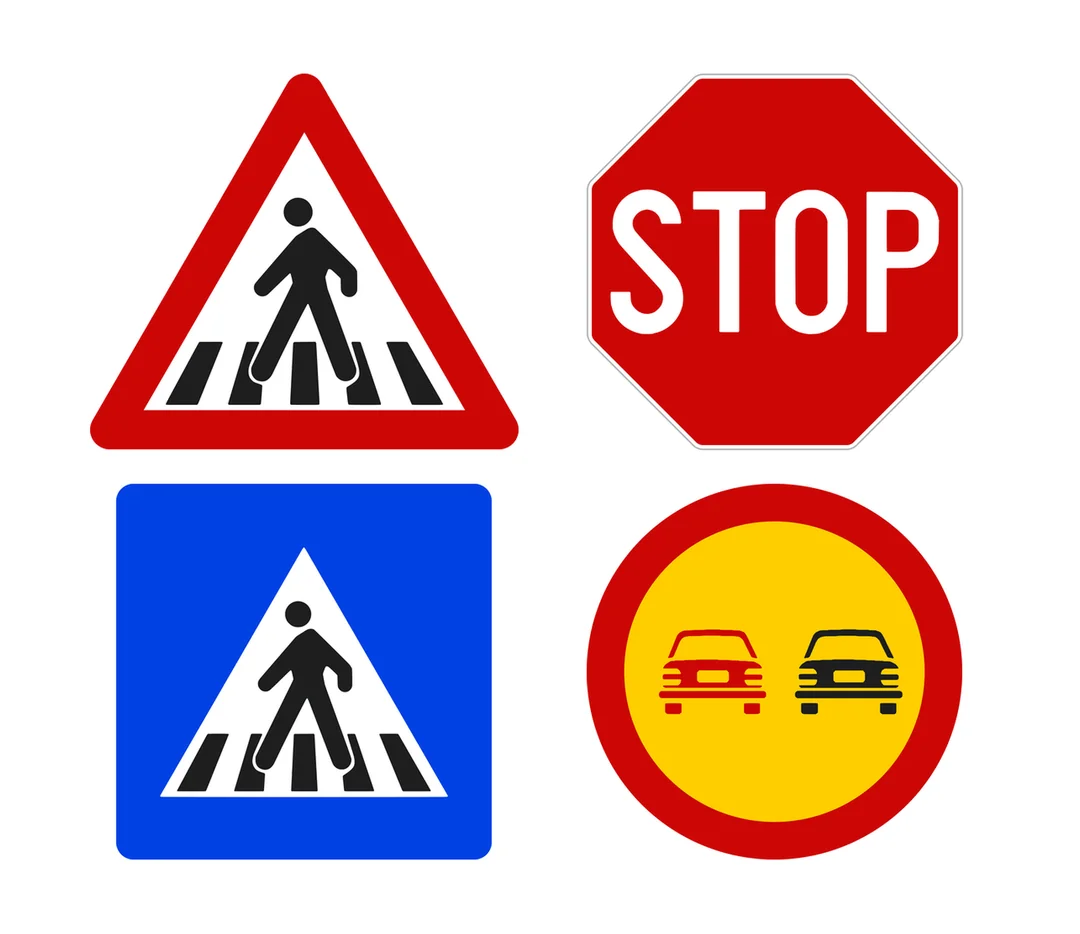
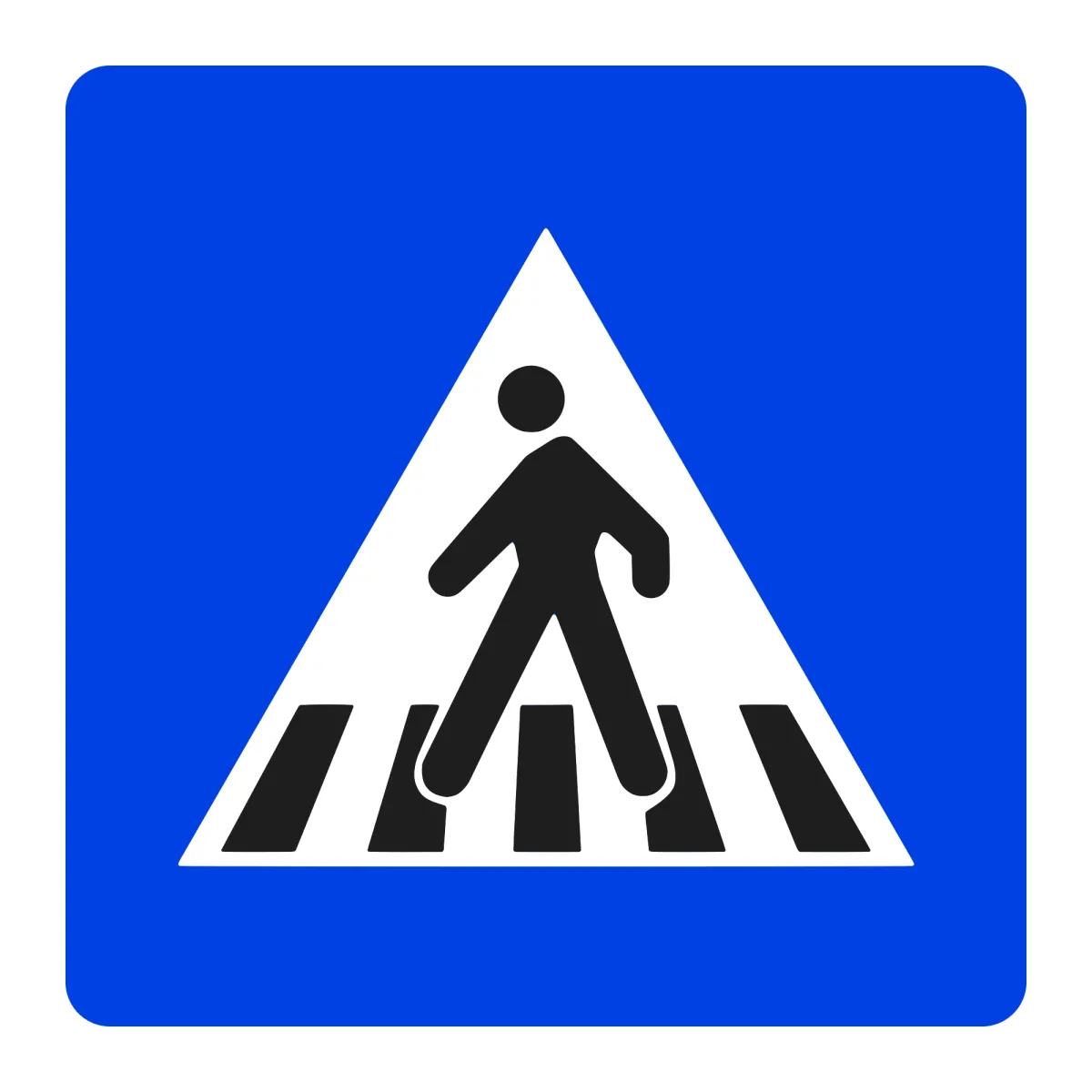
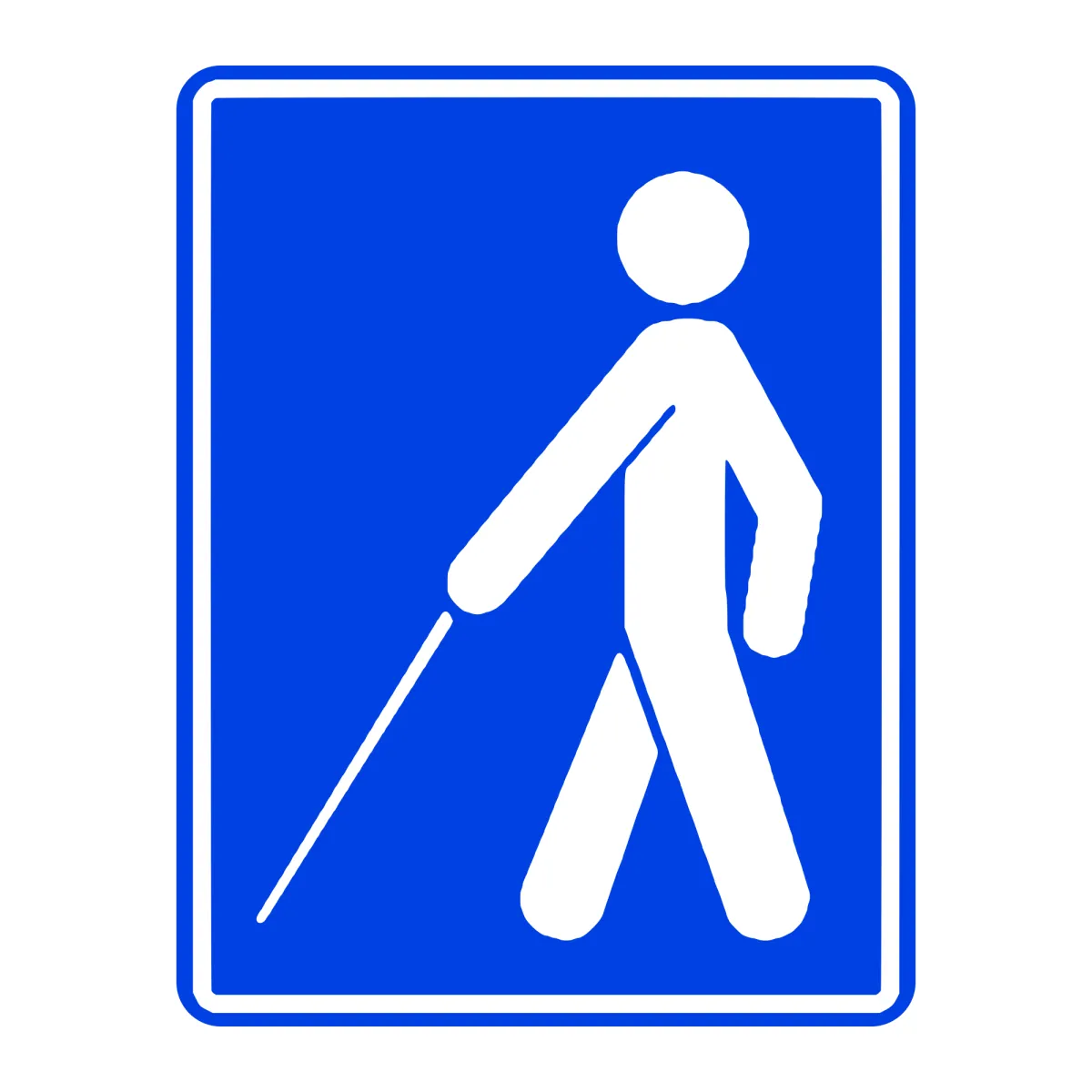
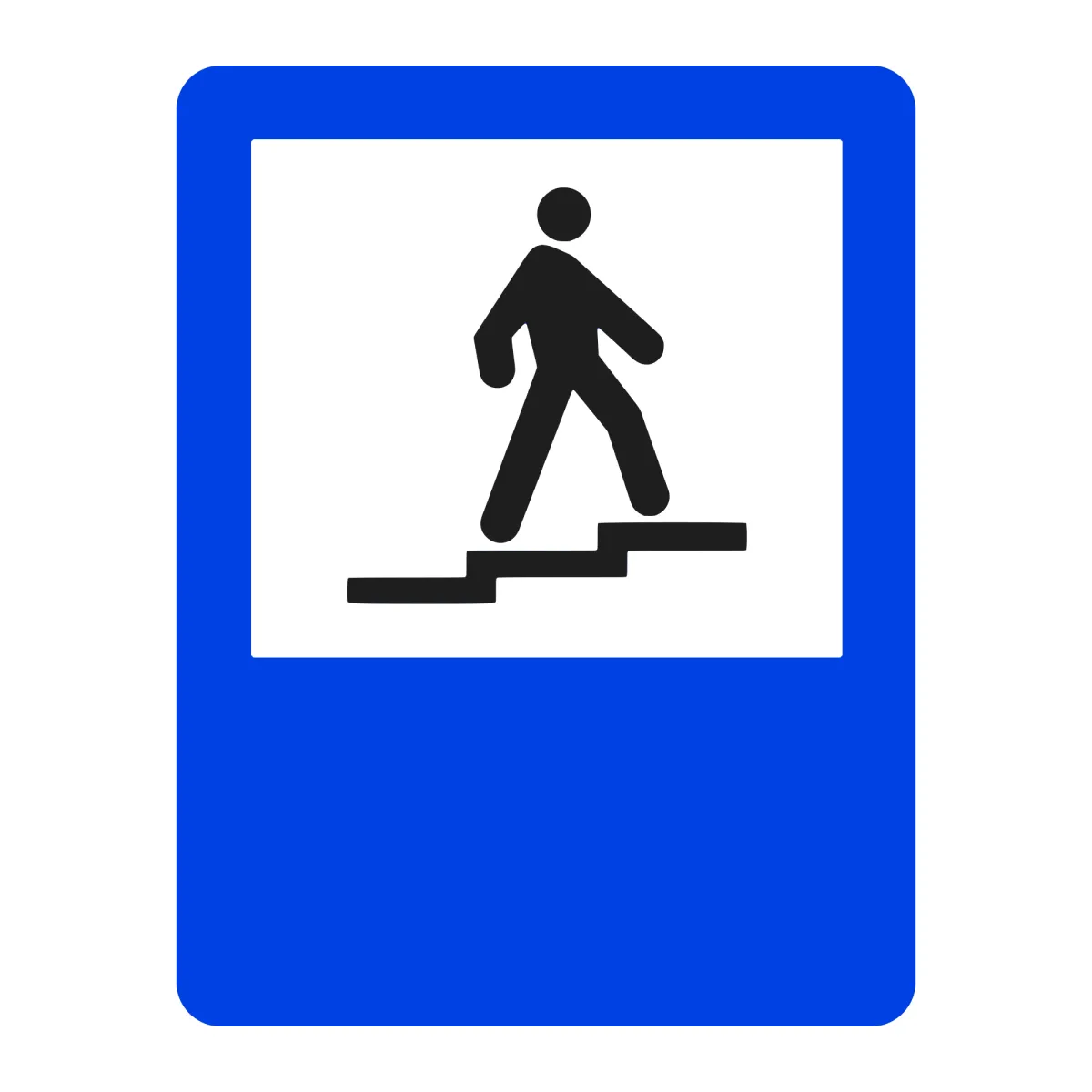
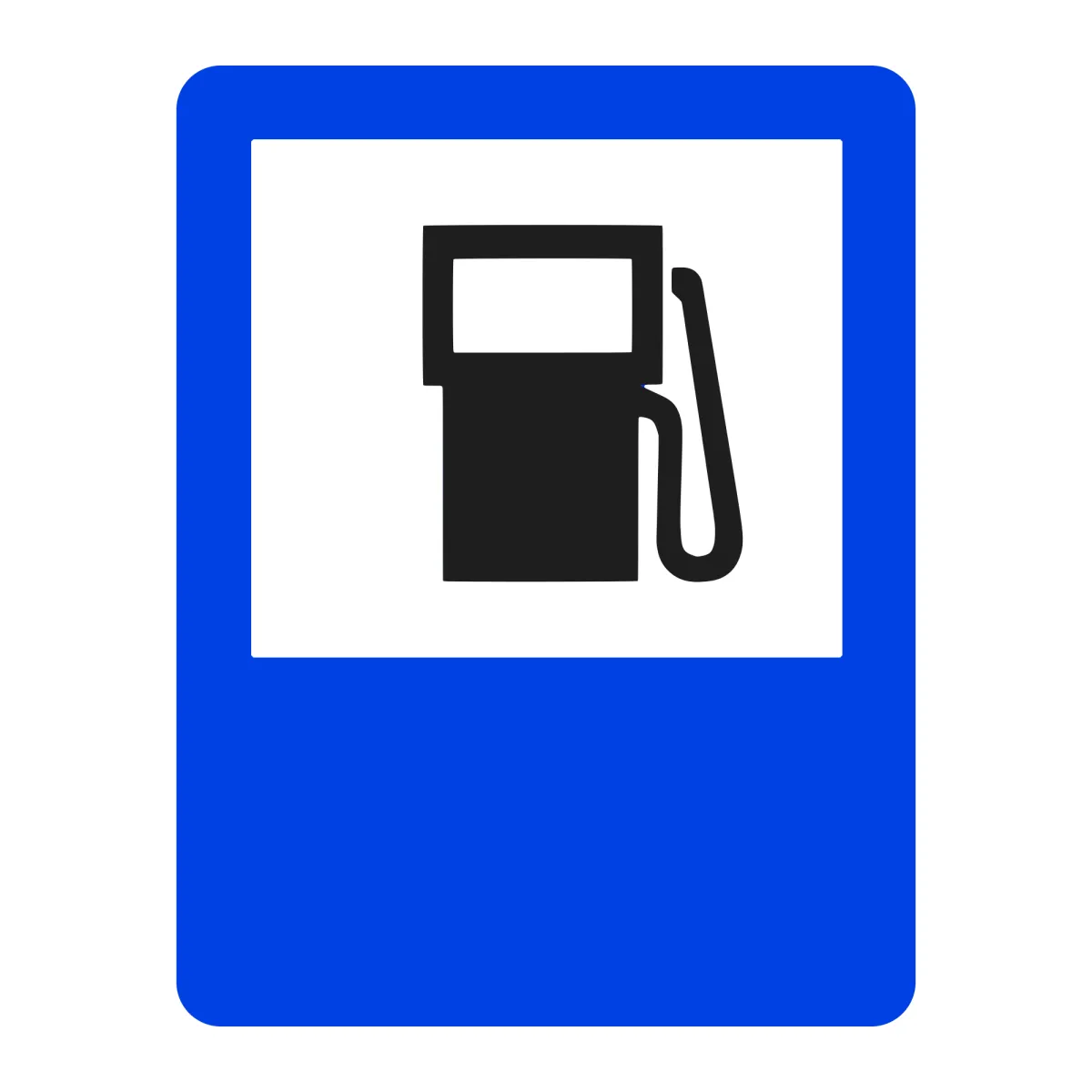
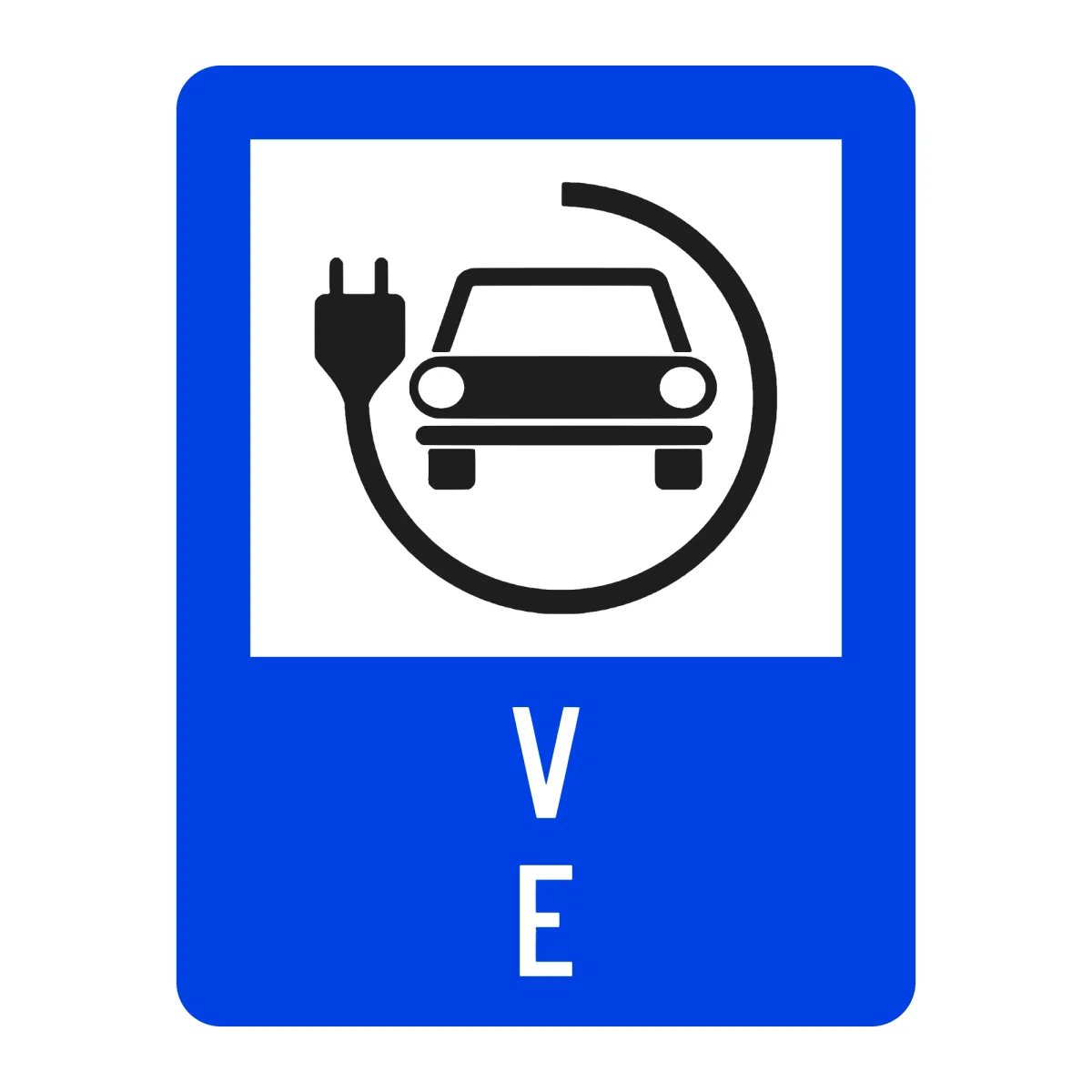
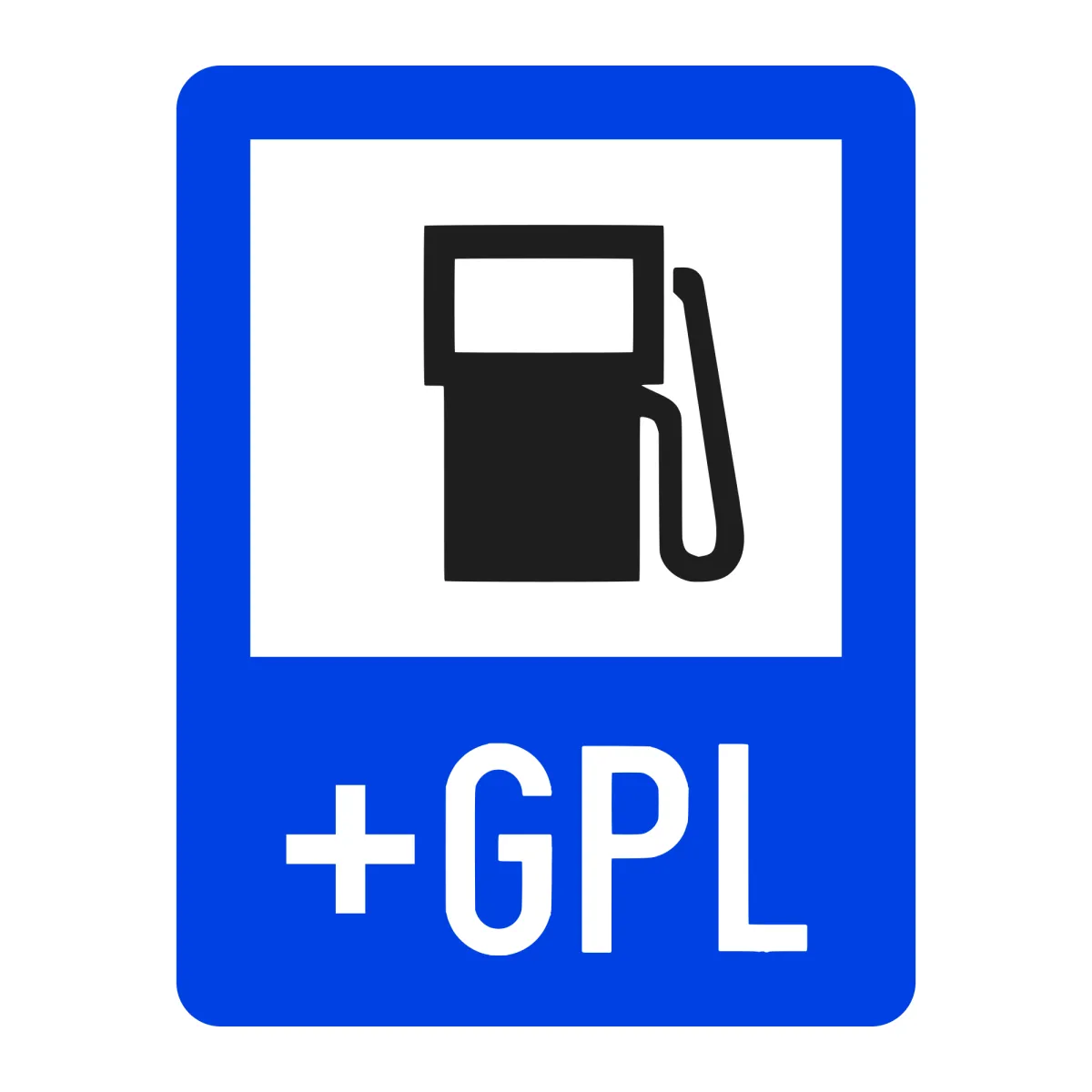
The signs in group G of SR 1848-1:2024 neither ban nor require anything: they tell road users what they will find around them. Here are all of them, from the G1 (pedestrian crossing) to the G78 and G79 wheelchair ramp plates: one-way streets, parking, bus and tram stops, services (fuel, hotel, restaurant, car service), residential and pedestrian zones, tunnels, ports and stations.
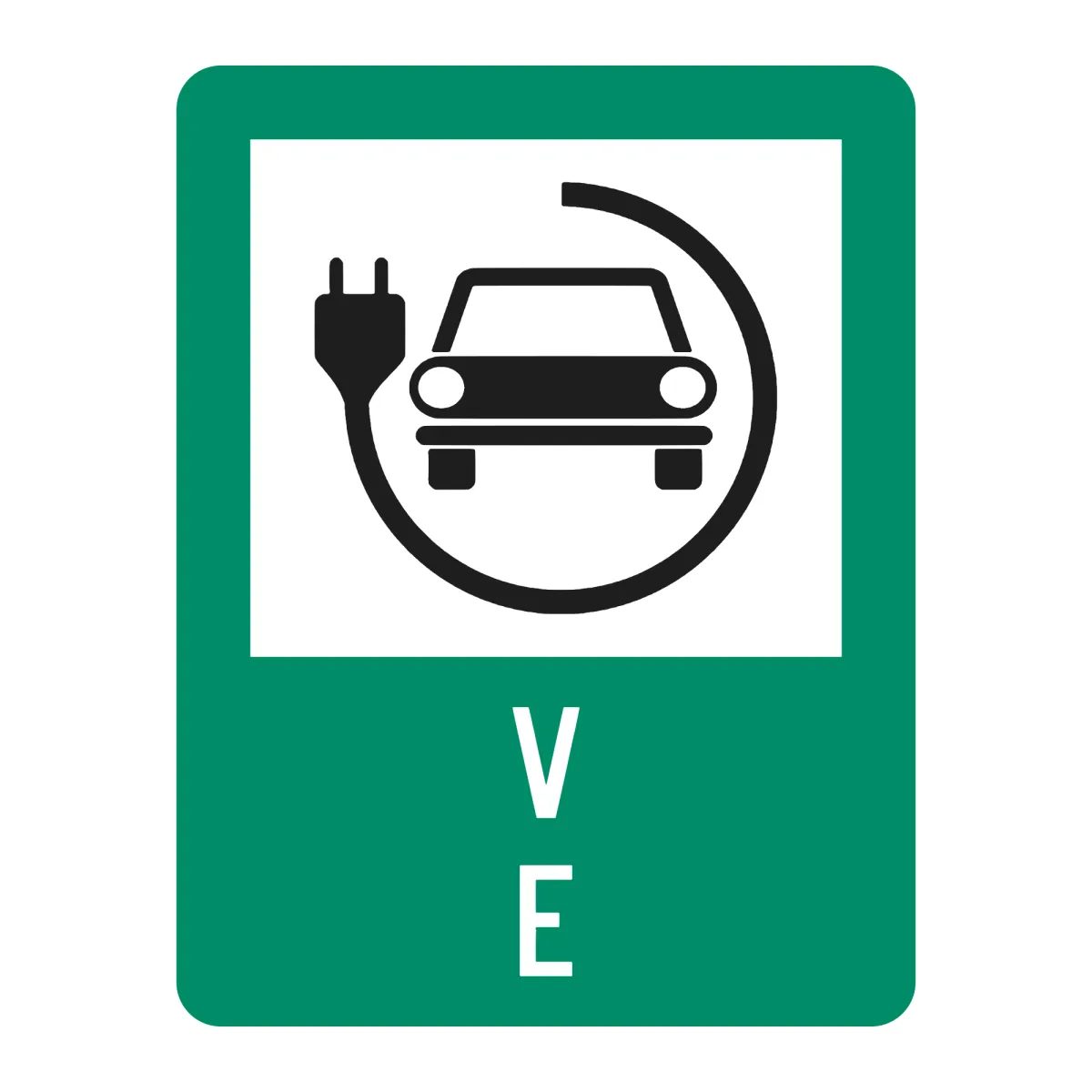
Most are 50 x 65 cm blue rectangles with a 40 x 35 cm white field carrying the black symbol. On motorways the background is green. A few have their own shape: the G1, G4, G9 and G61 squares, the G5 one-way arrow panel, or the G65 building number plate, which the standard shows for information only.
Parking: the G31 and its versions
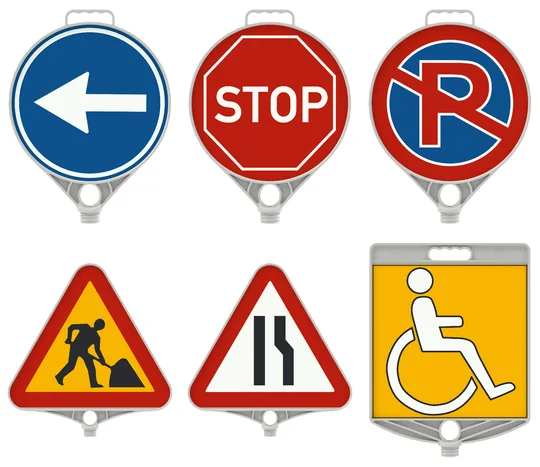
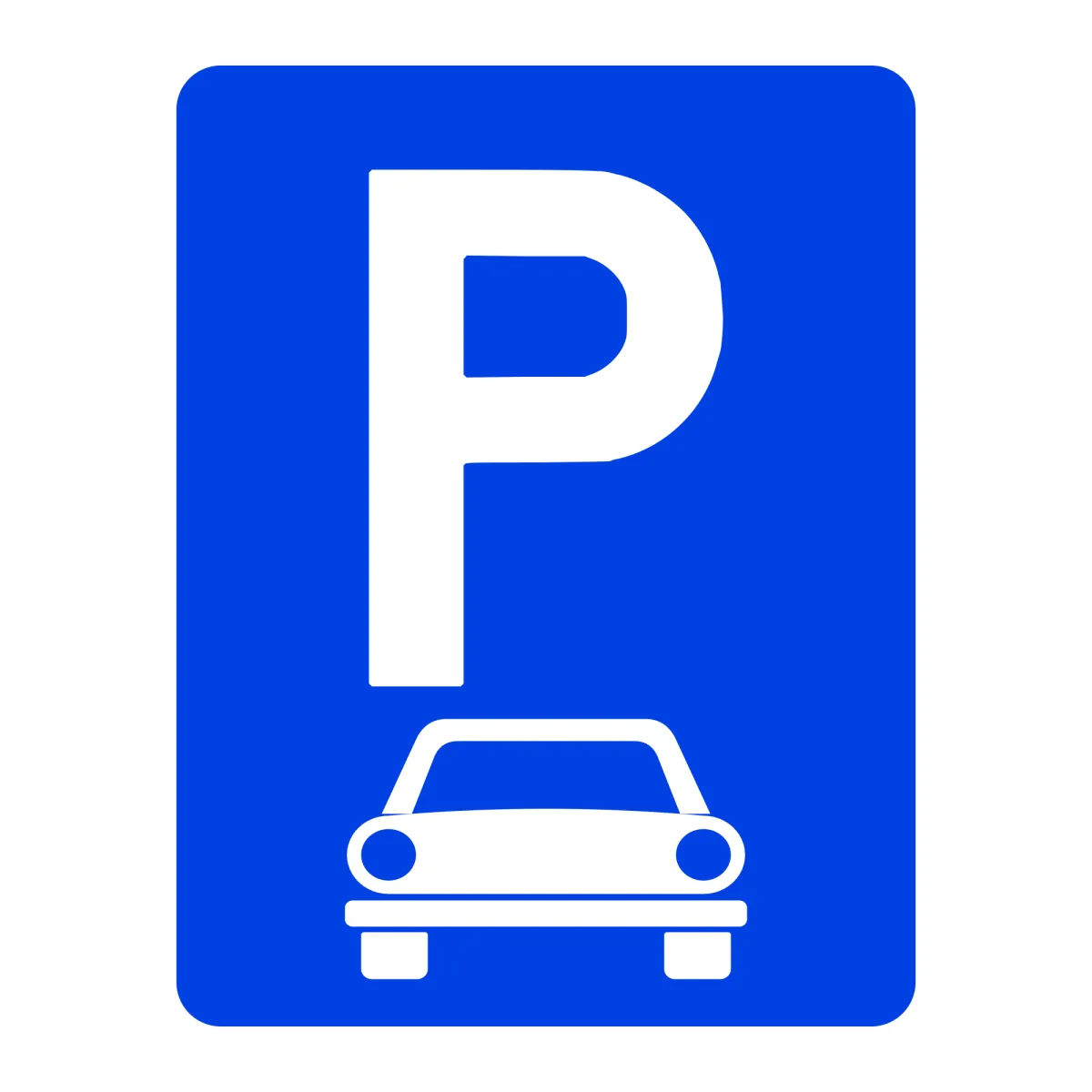
The G31 (parking) can carry at the bottom an arrow with the distance, the parking position relative to the kerb, the pay parking symbol, a reservation text or the outline of a vehicle category. We have versions for cars, lorries, bicycles, disabled people or parking partly on the pavement, plus a few for private car parks. The crossed-P version is not a standard sign: on public roads, parking bans use the C36.
How they are made
They are made of 1 mm galvanised steel sheet with rounded corners and pressed edges, electrostatically painted with UV-resistant paint, with class I retroreflective sheeting and a 7-year service life. The 50 x 65 cm rectangle weighs 3.2 kg and comes with 2 clamps for Ø48 mm posts and 4 bolts with nuts; clamps for Ø60 mm posts are available on request. The signs are CE marked and comply with SR EN 12899-1:2007, SR 1848-1:2024, SR 1848-2:2011 and SR 1848-3:2011.
Where they go
As a general rule, an information sign goes in the area of the place it indicates. Where needed, it is signed in advance with an identical sign at least 50 m ahead in towns and at least 150 m outside them, with the distance in white at the bottom or on the P1 additional panel. Some have their own rules: the G1 stands at the crossing itself, the G14 at the start of the stop, and the G34 and G66 at the entrance to the zone. The bottom edge sits 1.50–2.50 m above the road.
Posts and public procurement
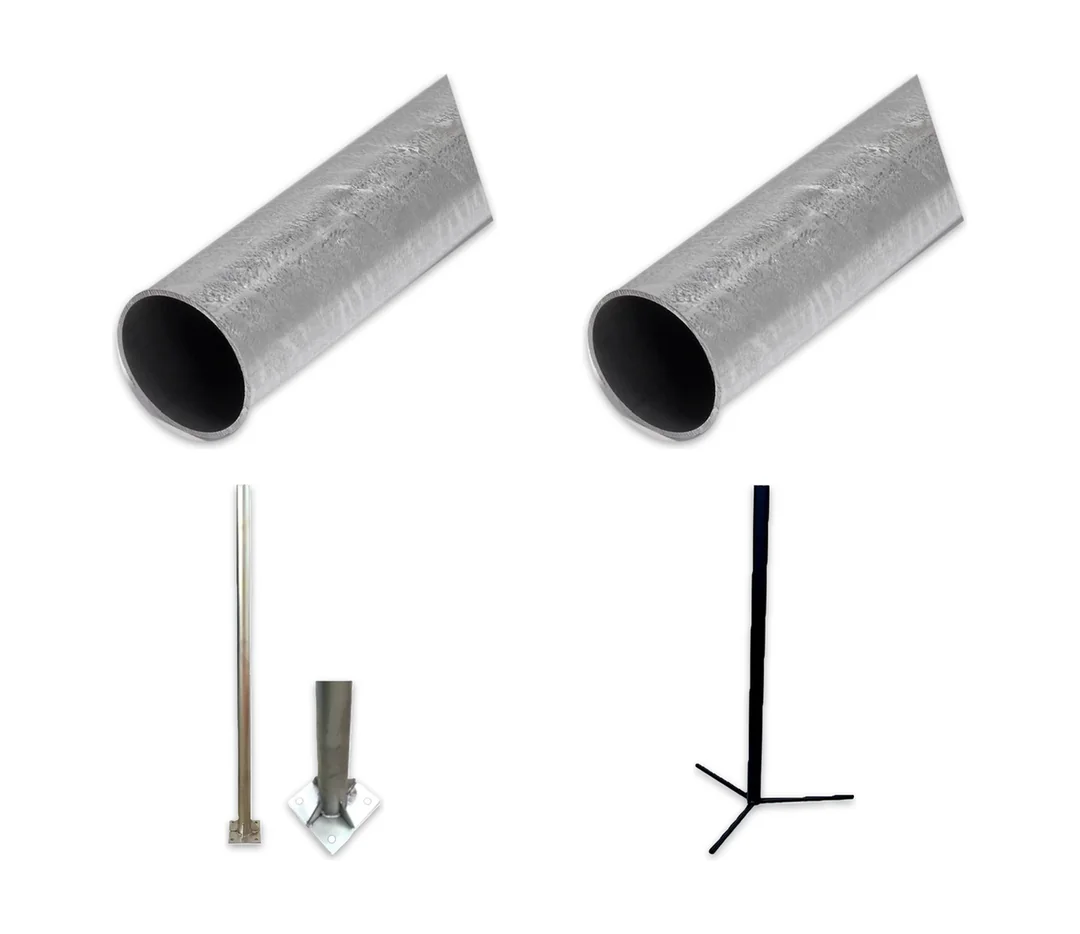
Posts for mounting are in the Road Sign Posts category. Public institutions can also buy the signs through SEAP / SICAP.
? Frequently asked questions
Where does an information sign go?
In the area of the place it indicates. Where needed, it is signed in advance with an identical sign at least 50 m ahead in towns and 150 m outside them, with the distance at the bottom or on the P1 panel.
Why do some G signs have a green background?
SR 1848-1:2024 gives information signs a green background on motorways and a blue one on other roads.
What size are the information signs?
What can be written below the P on the G31?
An arrow with the distance, the parking position relative to the kerb, the pay parking symbol, a reservation text or the outline of a vehicle category the car park is reserved for.
Is the speed on the G36 and G61 compulsory?
No. They are information signs and recommend the speed. A compulsory limit uses the C27 (speed limit).
Are the mounting clamps included?
Yes. The 50 x 65 cm signs come with 2 clamps for Ø48 mm posts and 4 bolts with nuts; clamps for Ø60 mm posts are available on request. Posts are sold separately.
What does class I sheeting mean?
It is the basic retroreflective sheeting in SR 1848-2, with a guaranteed 7-year service life. In areas with many light sources, the standard requires prismatic class 2 or 3 sheeting.
In road safety since 1998
Atto Trafic supplies complete road signage and safety equipment — signs, traffic signs, markings, parking barriers, speed bumps, mirrors, bollards and accessories.
- Durable products, compliant with STAS and SR EN
- ISO 9001 / 14001 / 45001 / 27001 / 20671 certified
- Constant stock, delivery within 24-48 hours
- Support for municipalities, contractors, private car parks