
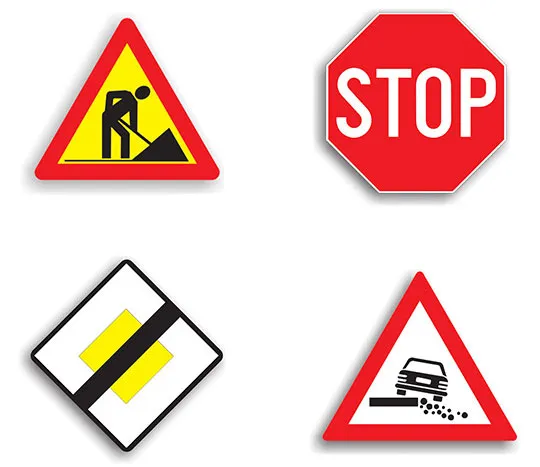

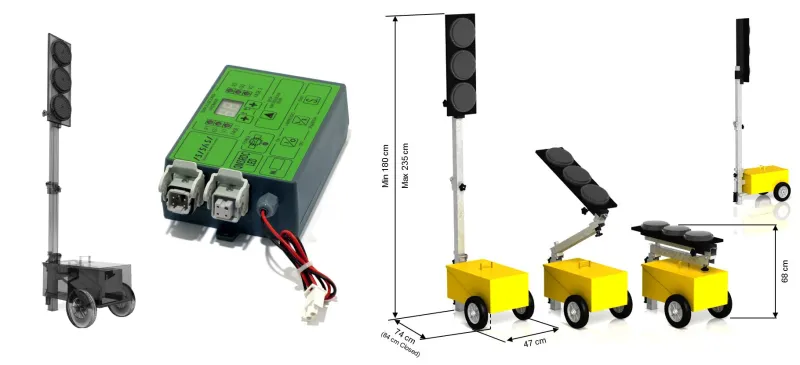
Temporary Traffic Signs (U)











Class I temporary road signs (U)
This category holds the roadworks signs of SR 1848-1:2024 in the class I (RA1) retroreflective sheeting version, with a 7-year service life. They have a yellow background, so drivers tell temporary signing from permanent signing at once, and the normal-format sizes of SR 1848-2, the ones required on county and local roads and streets. For national roads, lit boulevards or sections signed in class II, use the class II temporary signs, which are larger and have prismatic sheeting.
Warning signs: 70 cm triangles
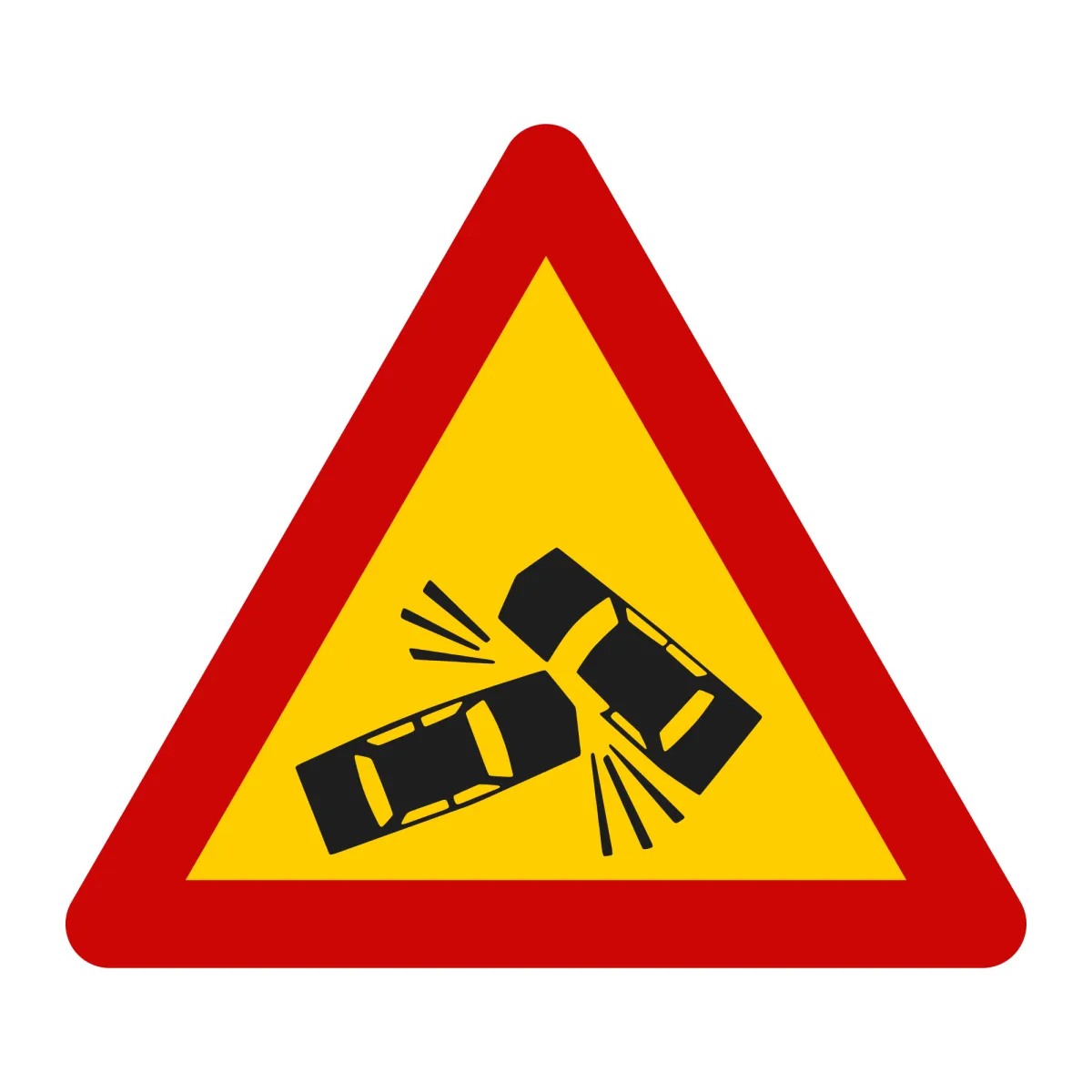
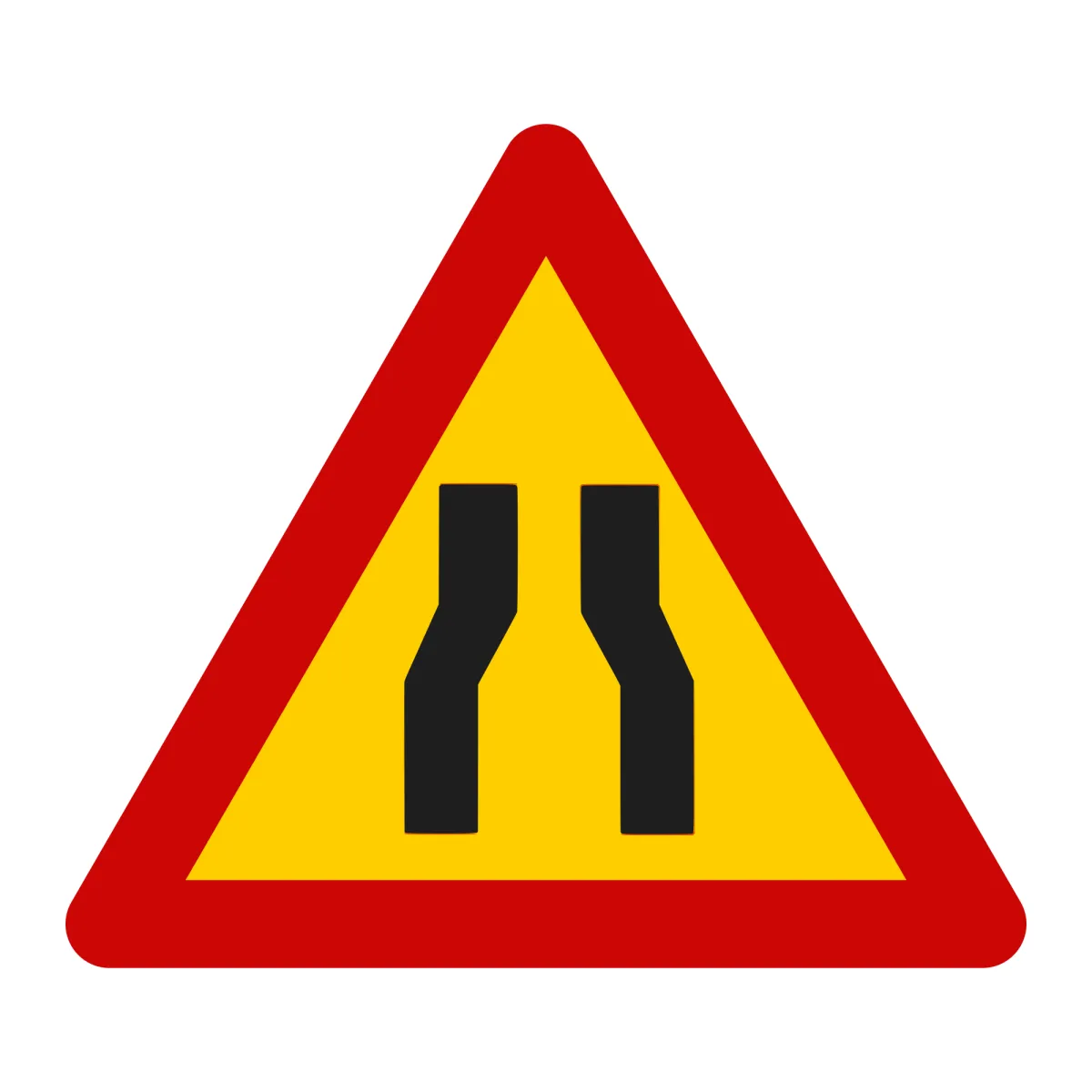
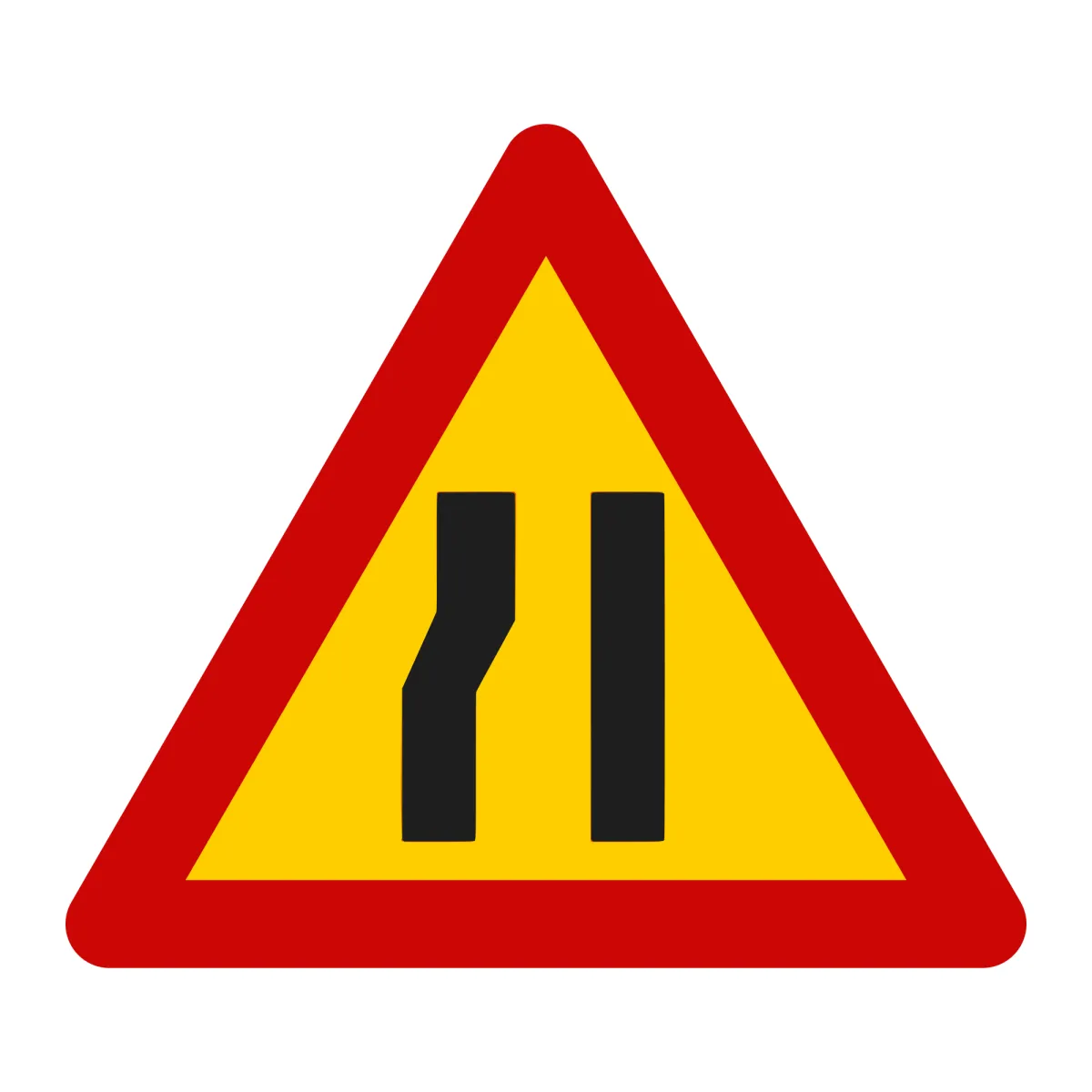
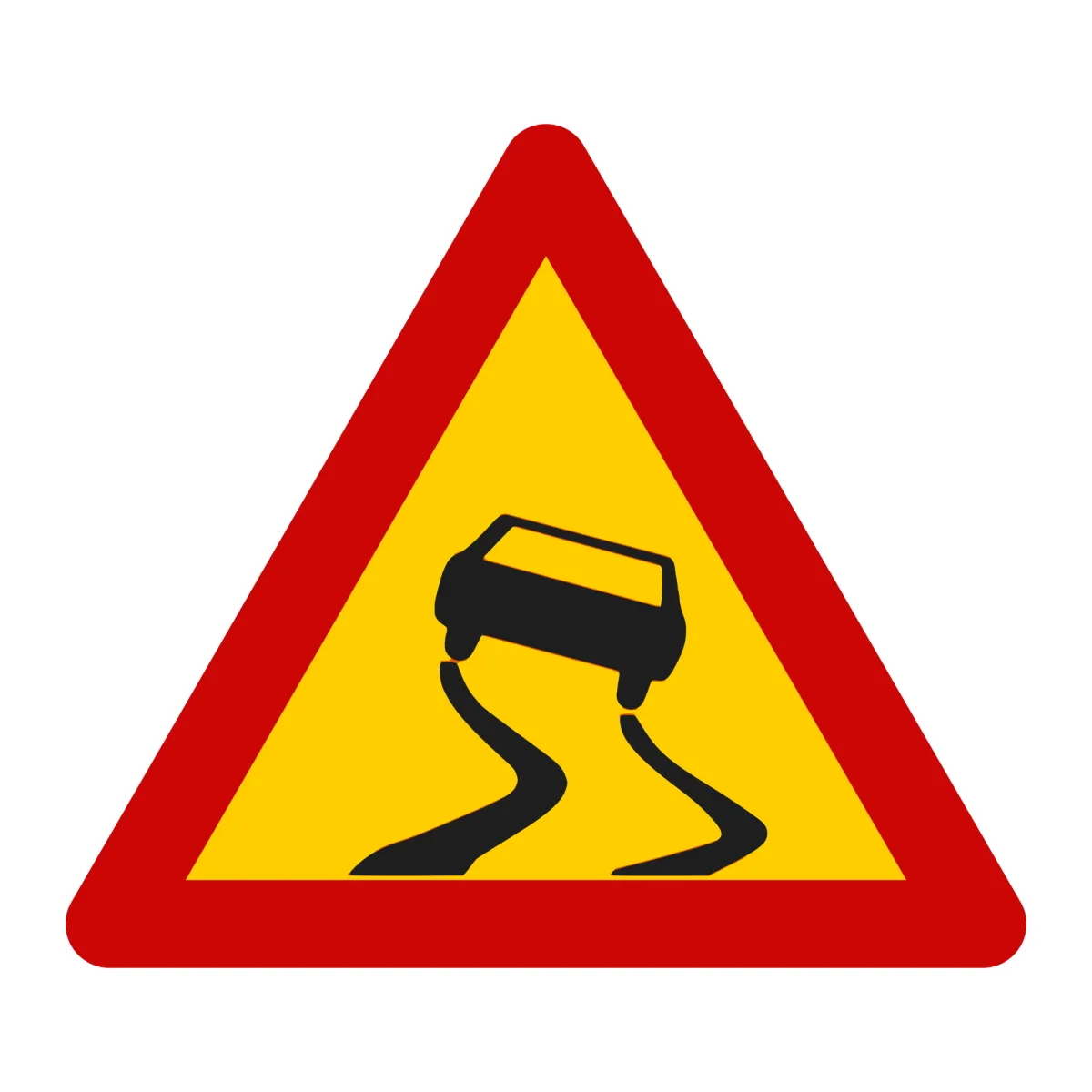
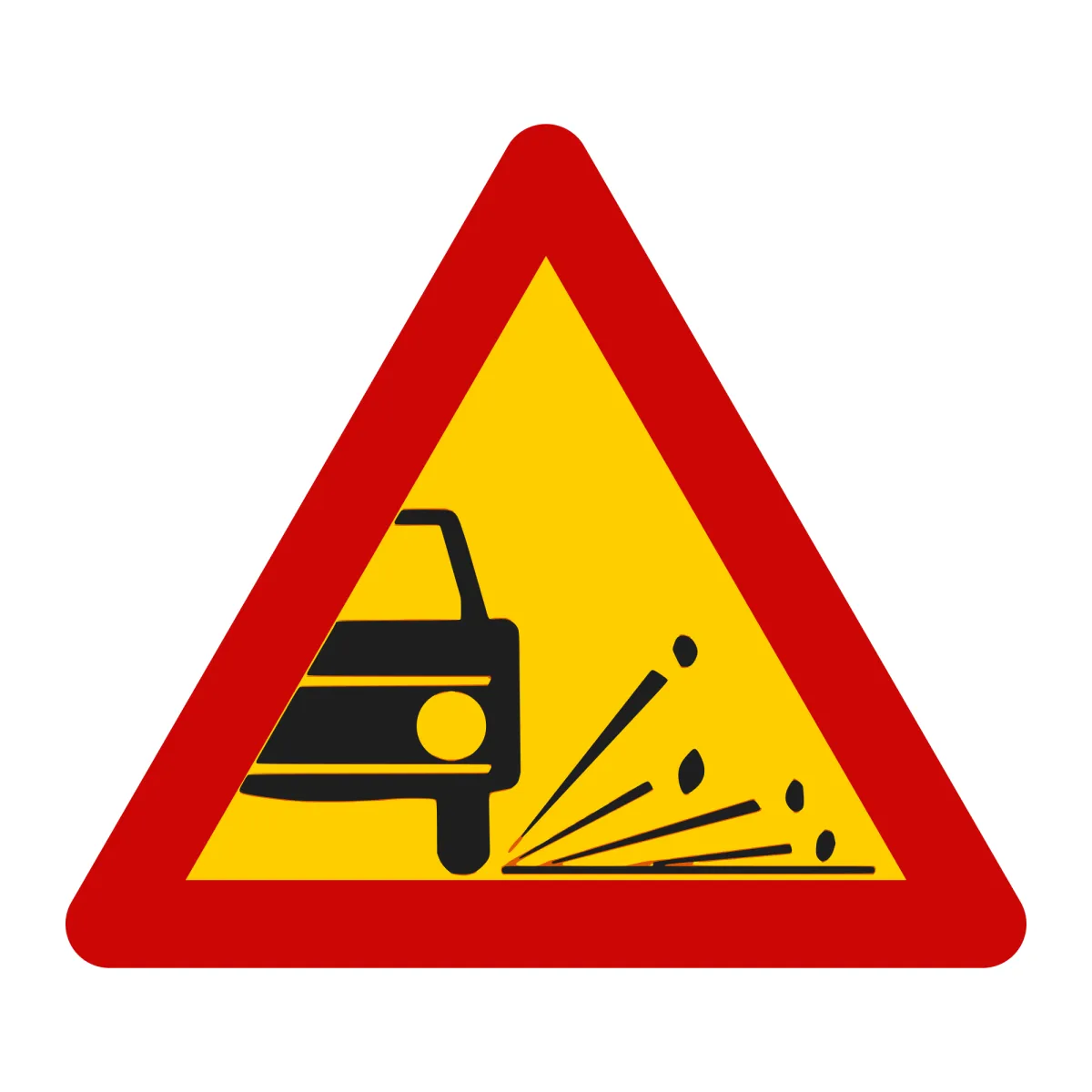
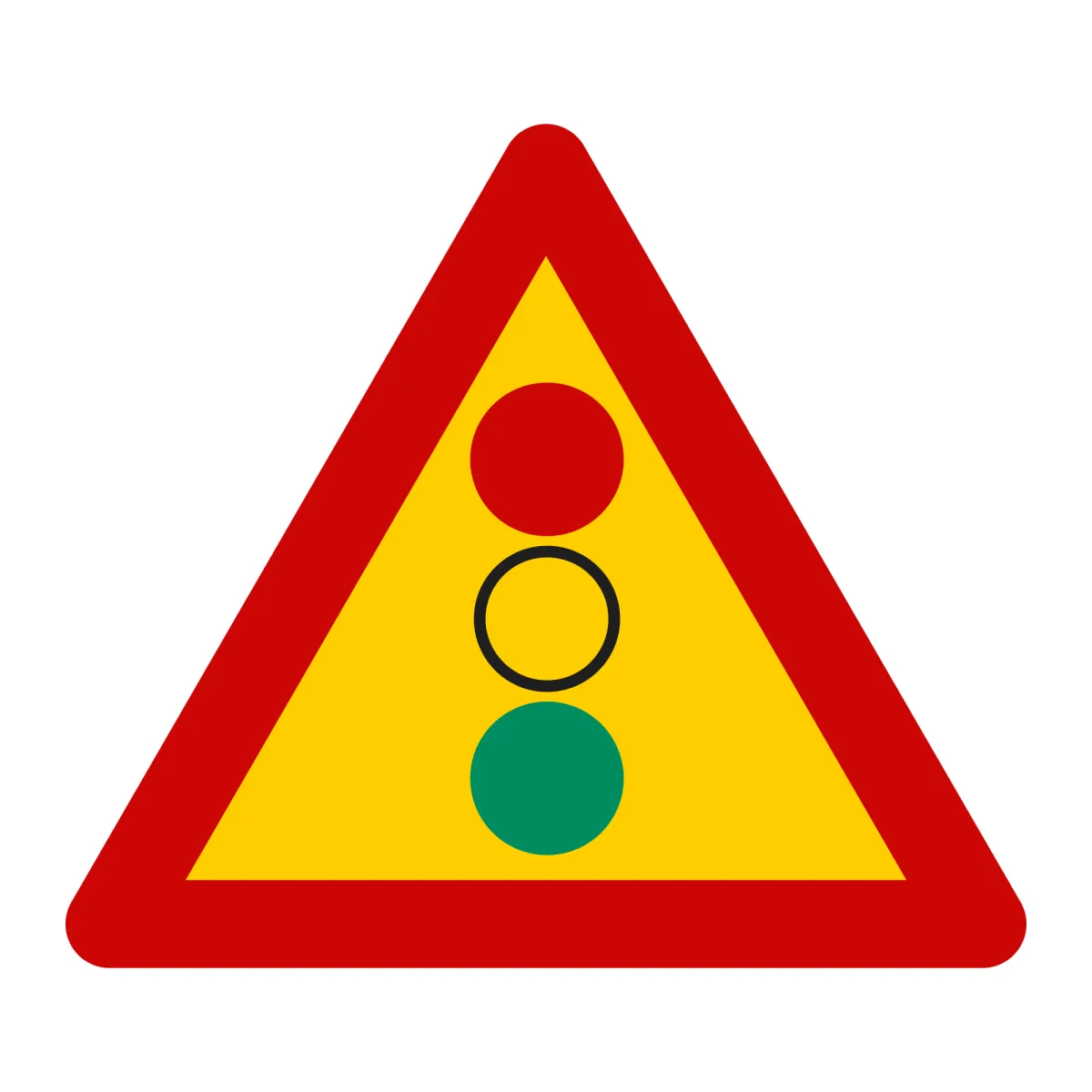
Road narrows on both sides (U1), on the right (U2) or on the left (U3), dangerous shoulder (U4), uneven road (U5), slippery road (U6), loose chippings (U7), roadworks (U8), traffic lights (U9), two-way traffic (U10), other danger (U11) and road accident (U39), the last one installed by the traffic police.
Restrictions: Ø60 cm discs
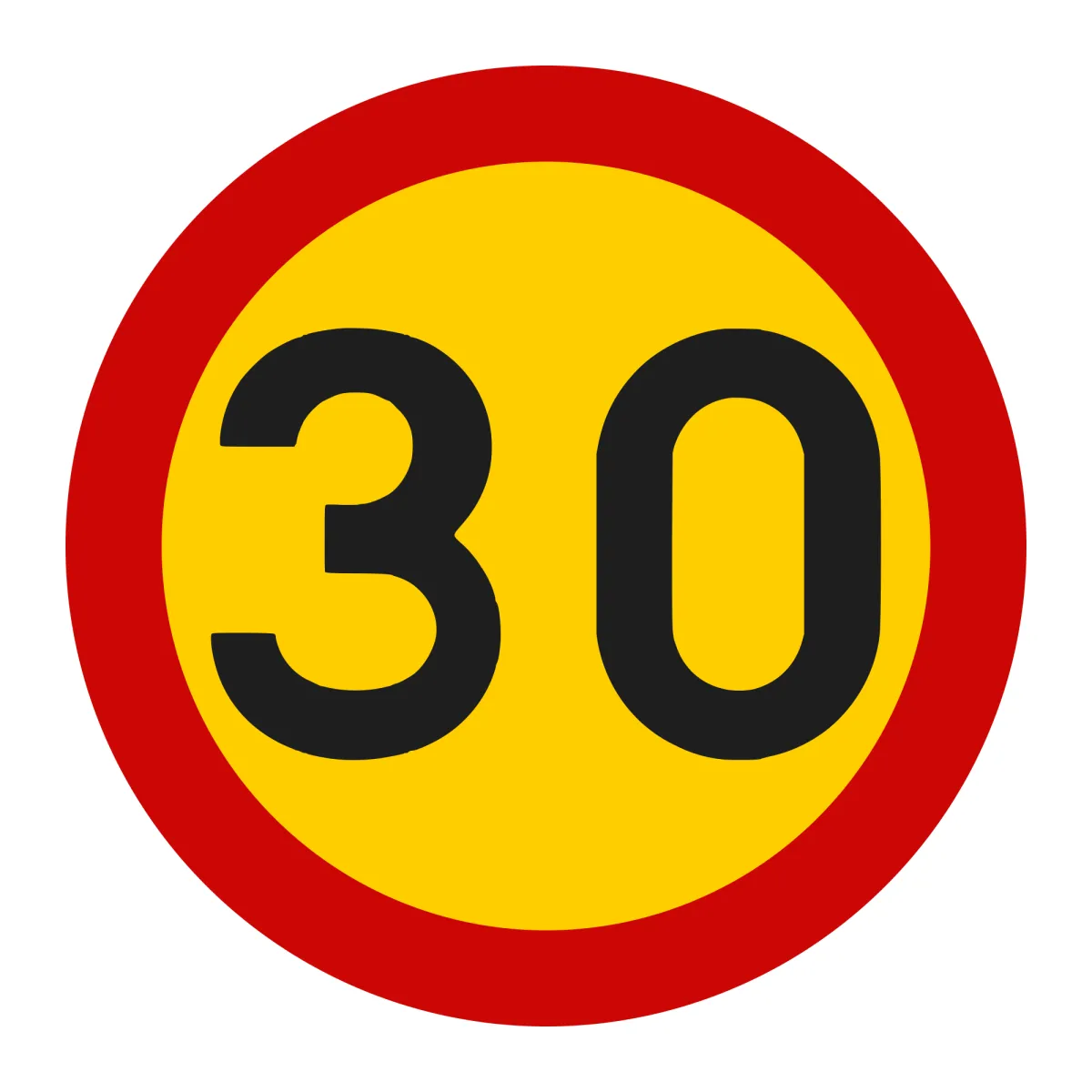
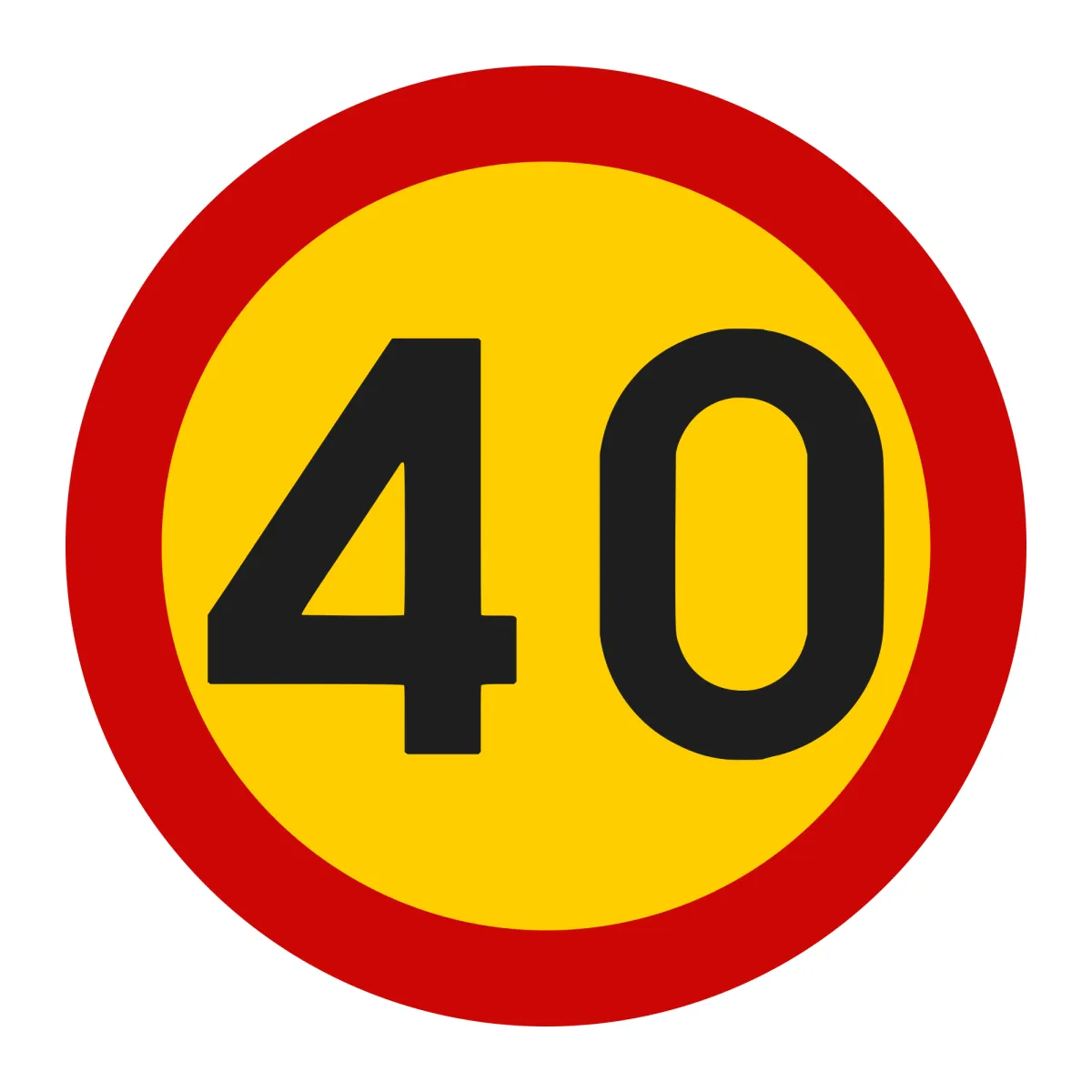
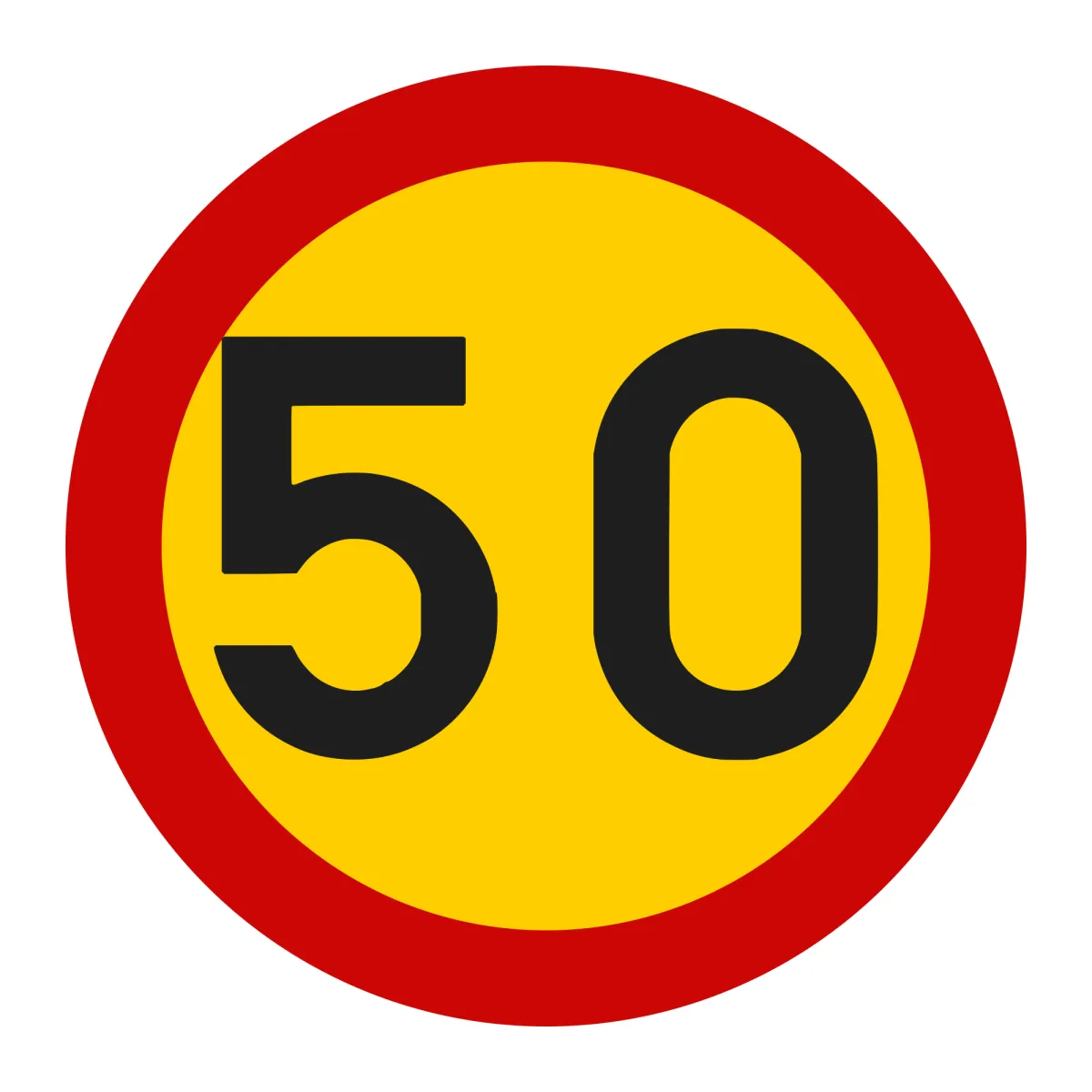
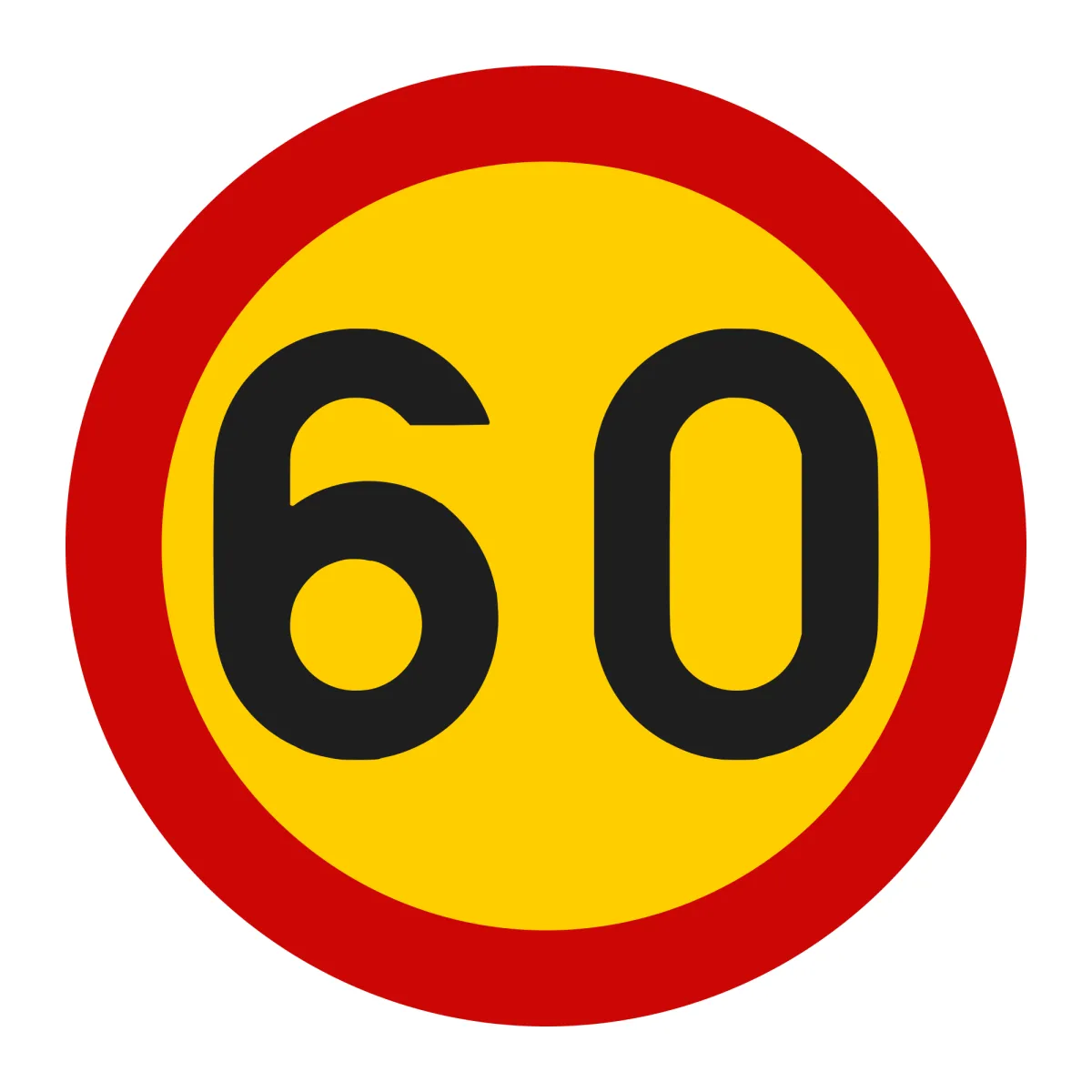
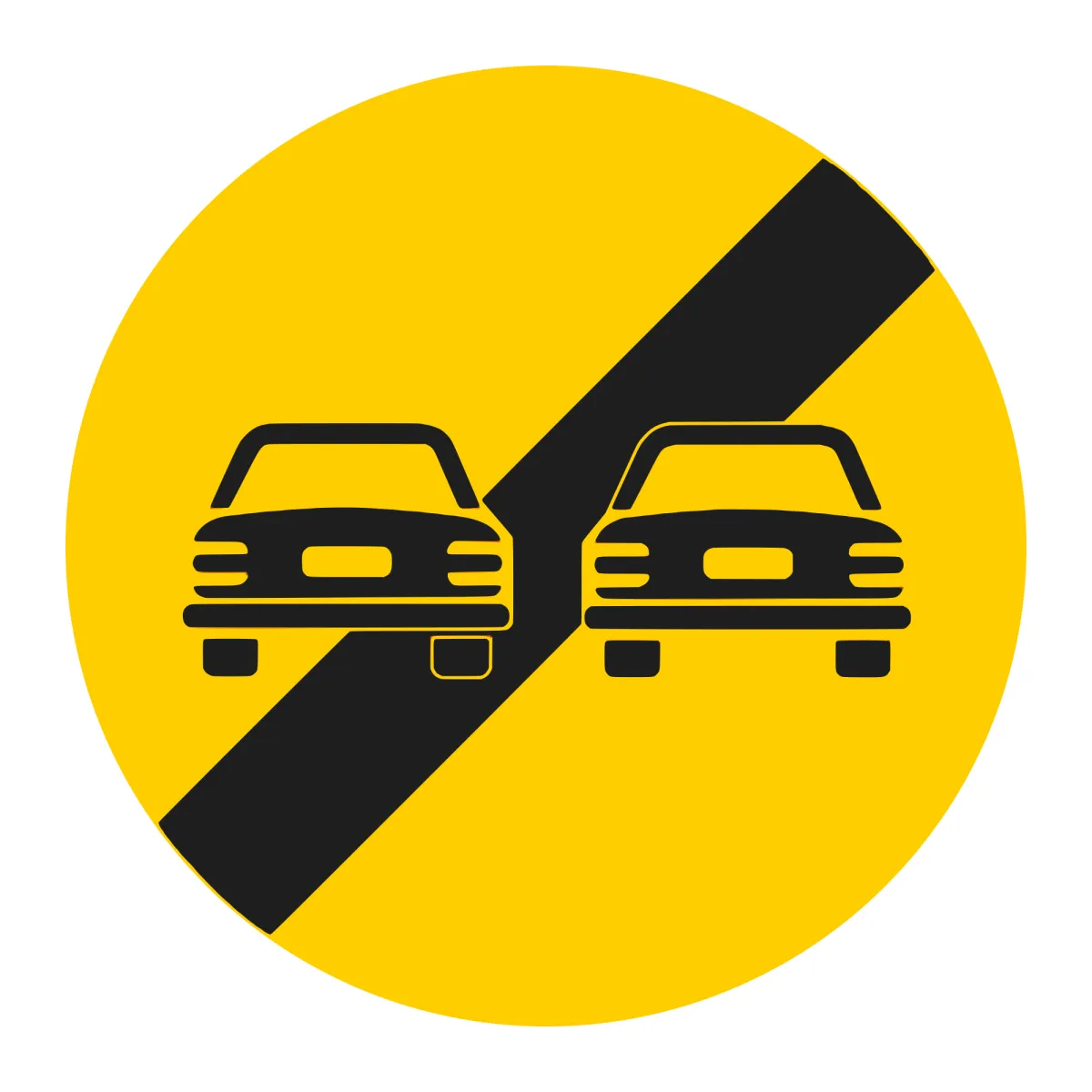
No overtaking (U12), speed limits of 10, 20, 30, 40, 50 and 60 km/h (U13), end of all restrictions (U14) and end of no overtaking (U15).
Diversions, narrowings, contraflows and advance warning
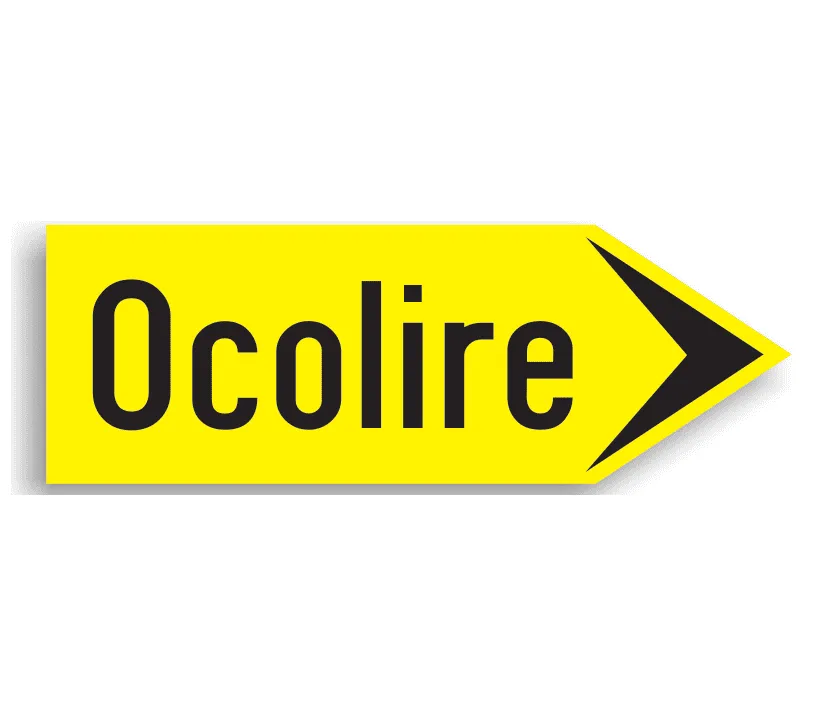
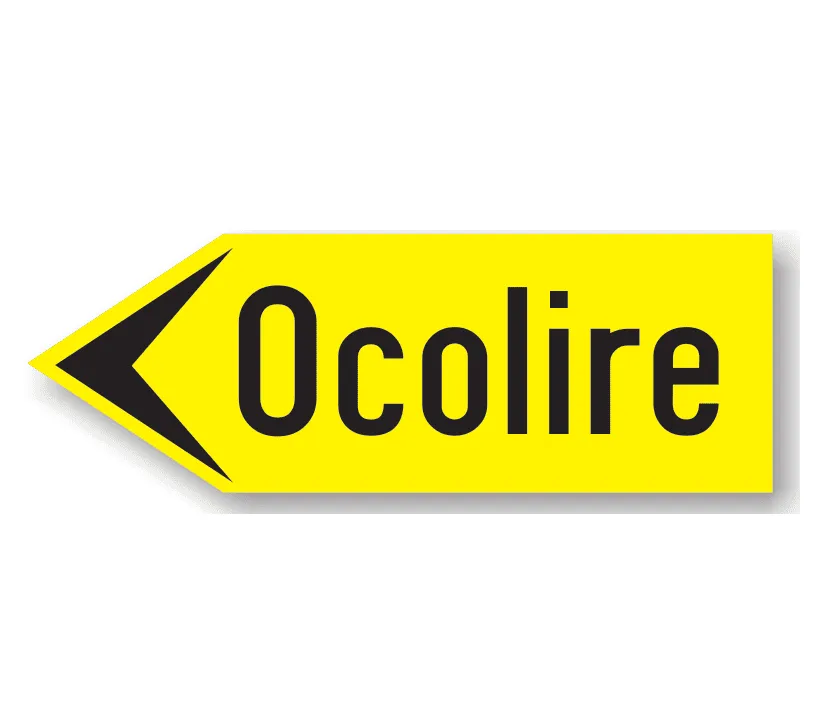
- diversion: the 95x33 cm “Ocolire” panels pointing right or left (U18) and the plain arrow (U19);
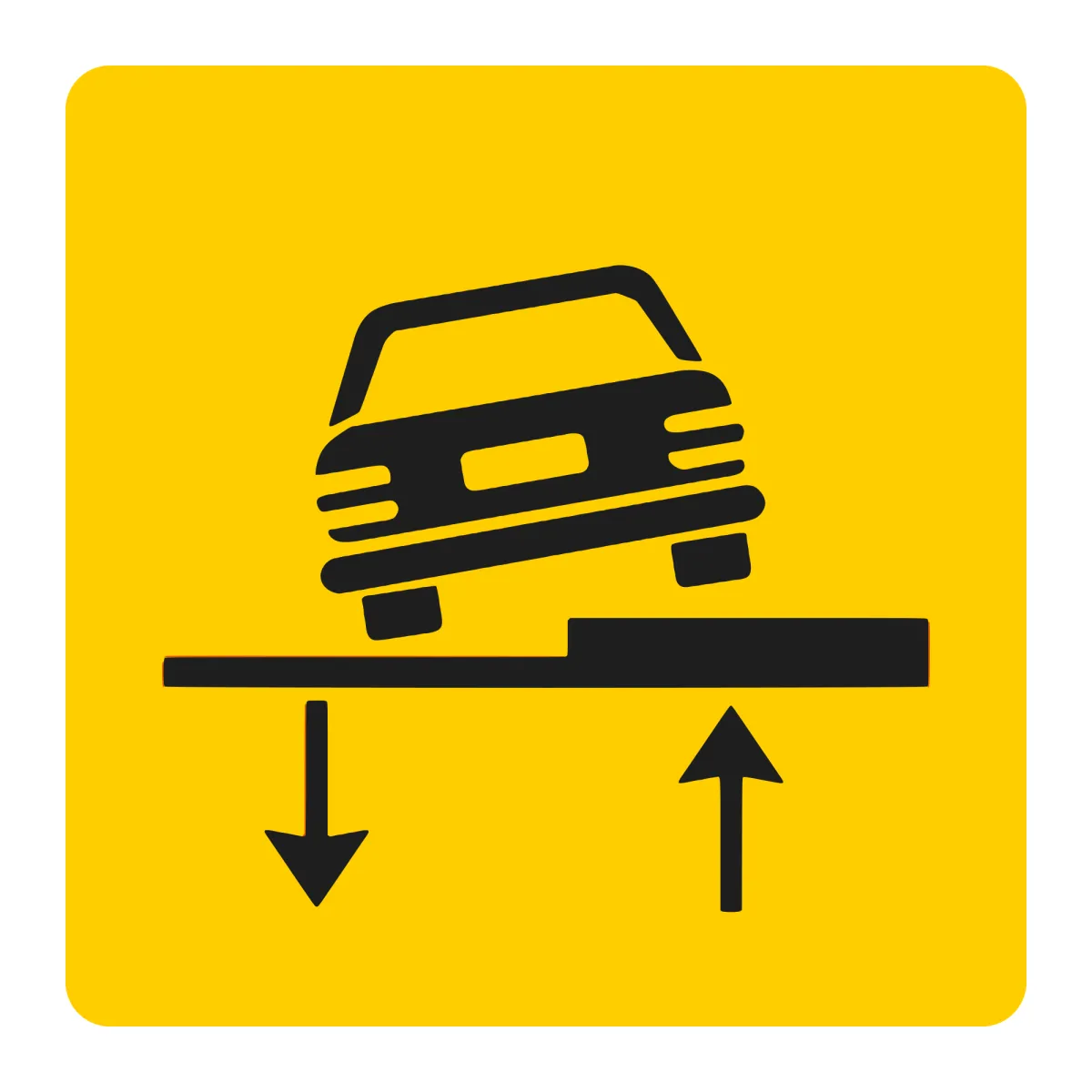
- level difference from the adjacent lane, 65x65 cm, on the right or left (U20);
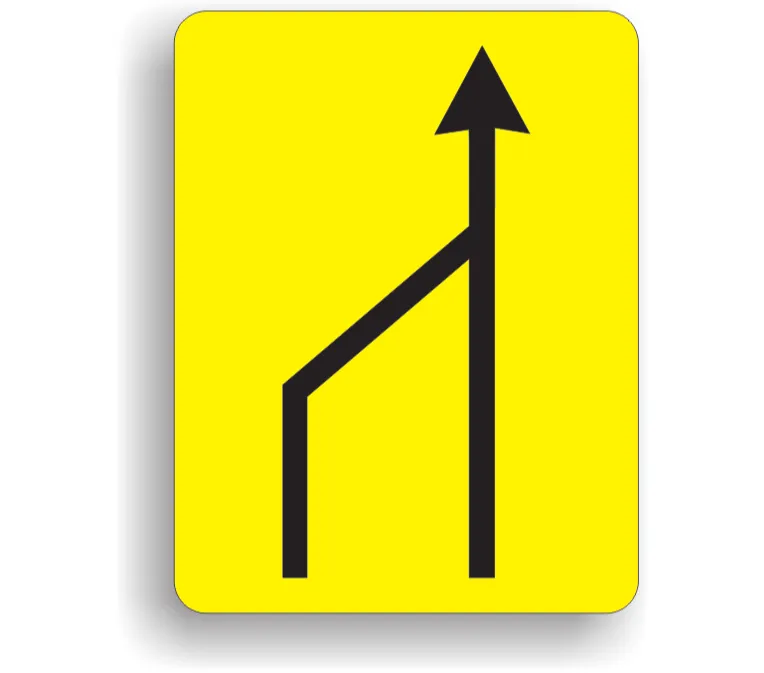
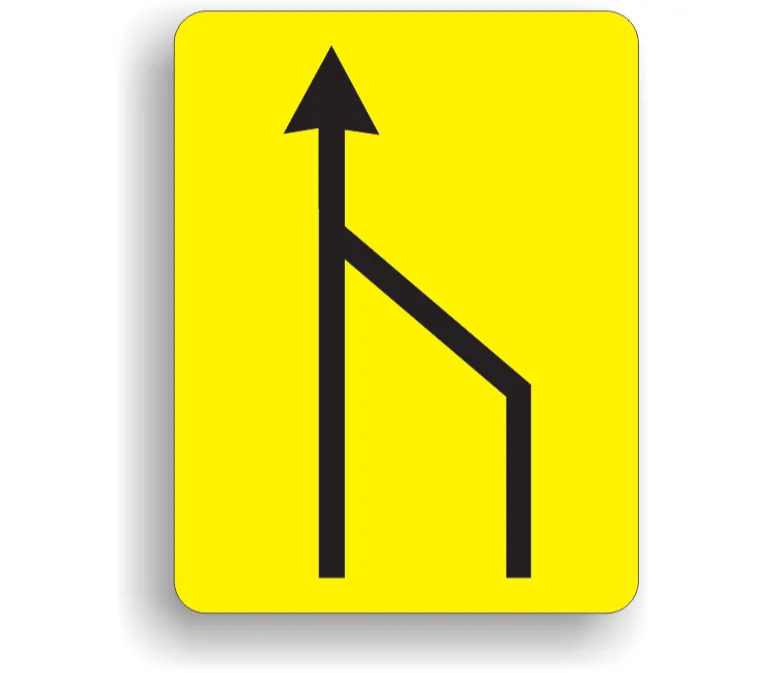
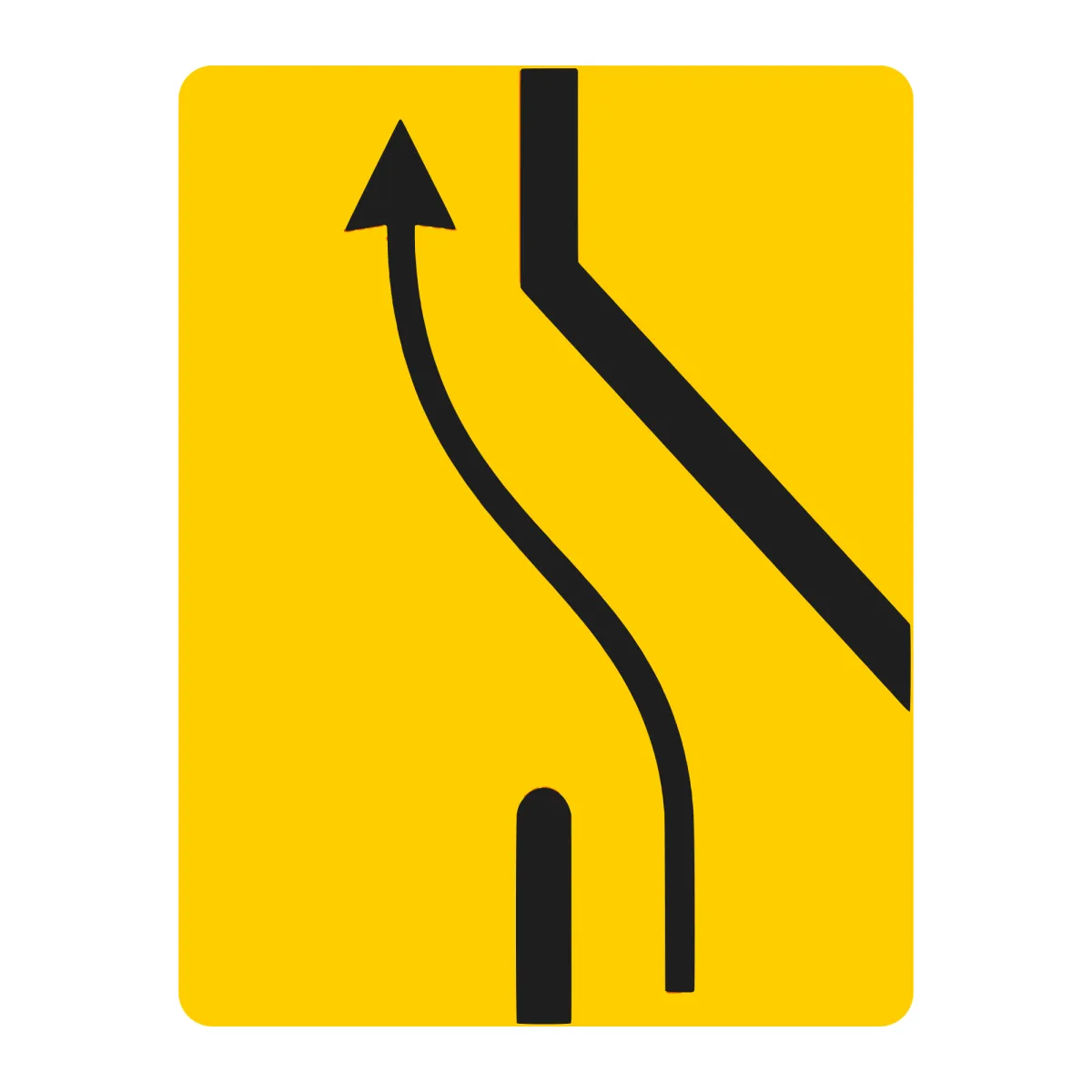
- temporary narrowing, 65x85 cm (U21, U21a, U22, U22a);
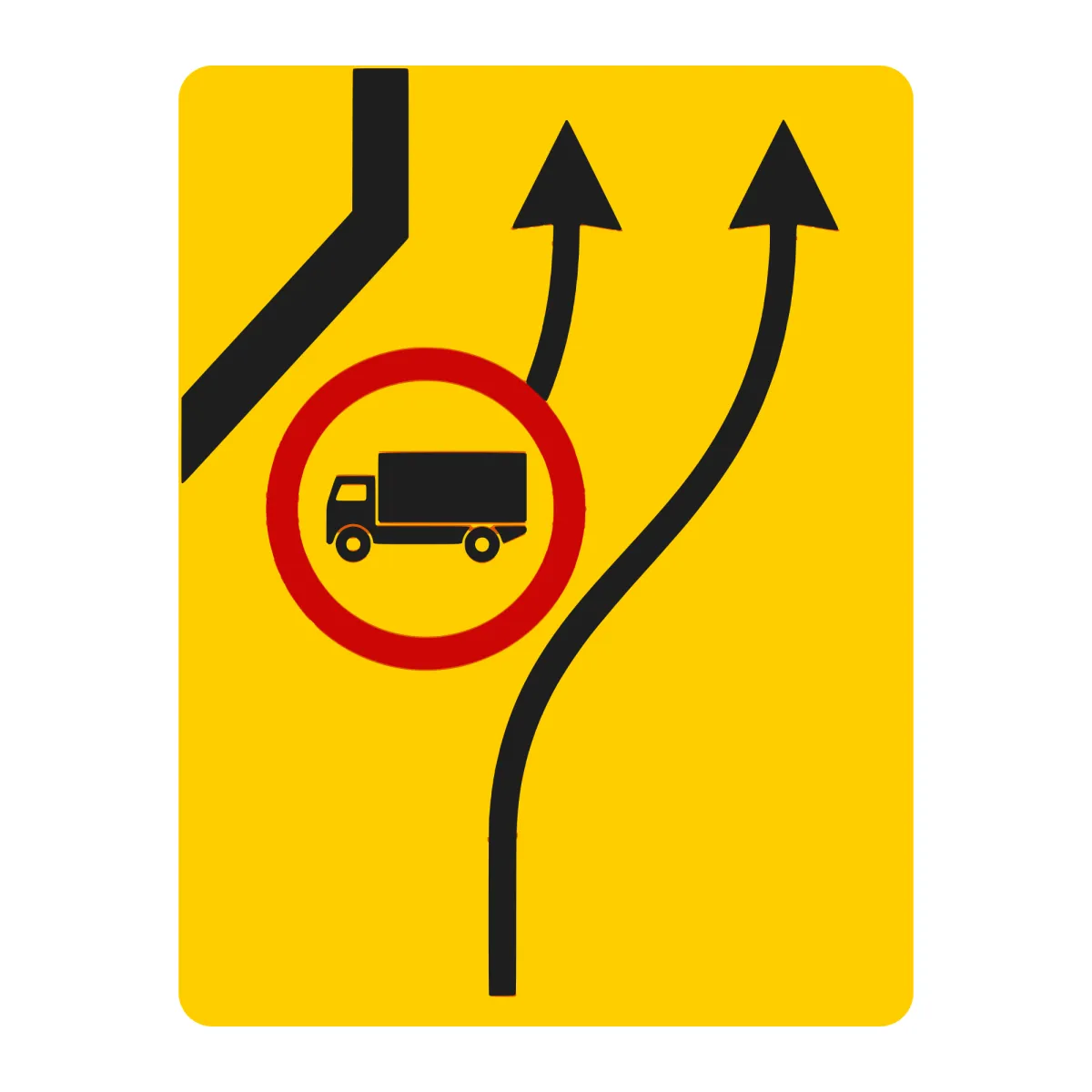
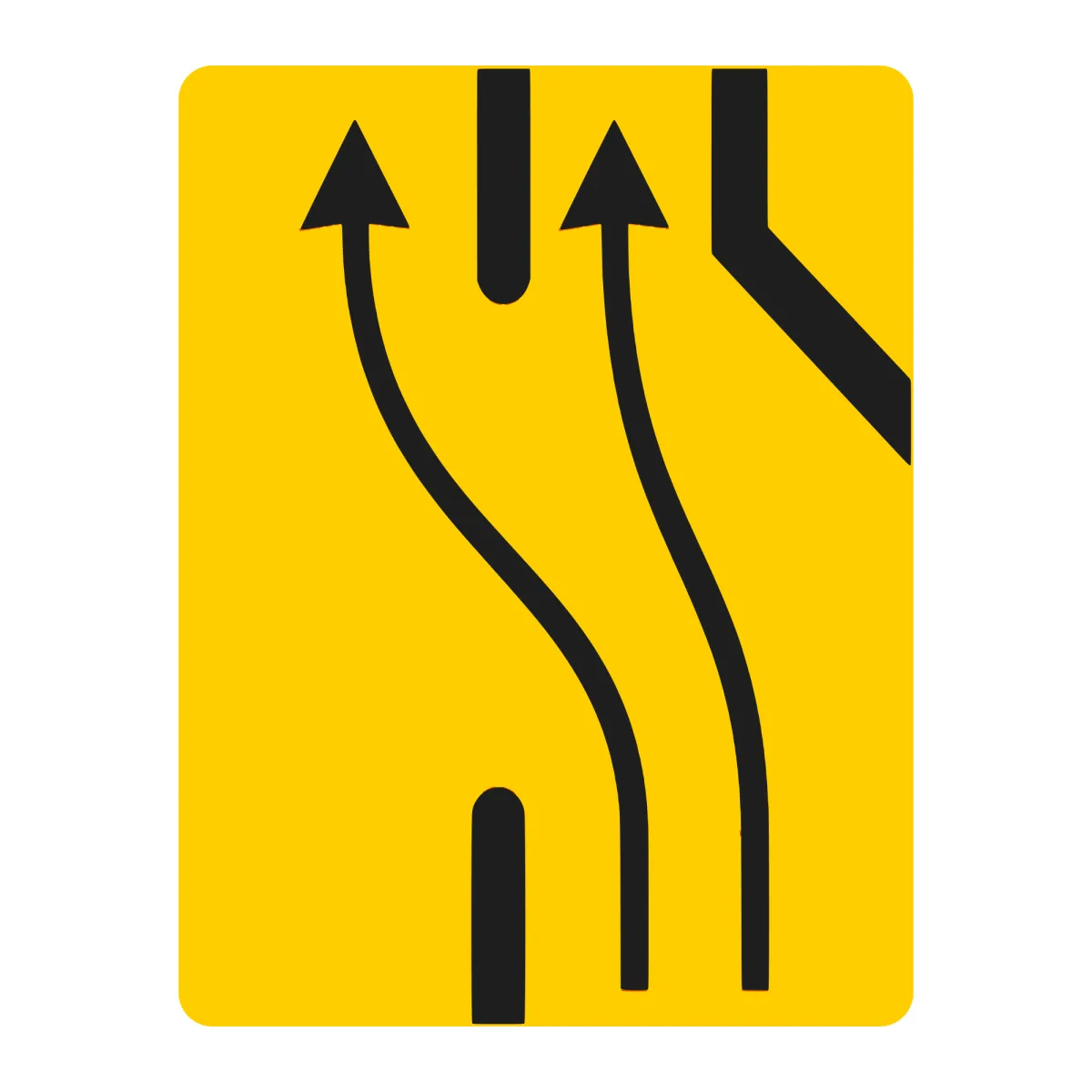
- contraflows on divided roads, 65x85 cm (U23, U24, U25) and the end of the contraflow (U26);
- advance warning: detour route (U27, 65x85 cm), series of work sites (U32, 180x120 cm), alternating traffic controlled by signs (U33) or by traffic lights (U34, 150x120 cm) and street works (U36, 120x80 cm).
What the rules require and when class I is enough
Under the methodological rules approved by Order MI/MT no. 1112/411/2000, the signing is installed to the layout approved by the road authority with the traffic police's agreement, in this order: advance signing, signing that marks the works, end-of-restriction signing. At night, if the existing signs are retroreflective, the temporary ones must be too. SR 1848-2 also requires temporary signs to have at least the class of the existing signing on the section, and prismatic class 2 or 3 sheeting in areas with street lighting, shop windows and advertising. Class I is therefore enough on roads signed in class I; the differences between the classes are explained in our guide Class I or Class II.
? Frequently asked questions
What are temporary road signs?
The signs of group U in SR 1848-1:2024, used to sign roadworks and temporary restrictions. Those with a permanent counterpart keep its symbols and sizes but have a yellow background instead of white (SR 1848-2).
When is class I sheeting enough?
Where the permanent signing on the section is class I too and there are few light sources. SR 1848-2 requires temporary signs to have at least the class of the existing signing, and prismatic class 2 or 3 sheeting in areas with street lighting, shop windows or advertising.
What sizes are they?
The triangles are 70 cm and the discs Ø60 cm, the normal format of SR 1848-2 for county and local roads and streets. The narrowing and contraflow panels are 65x85 cm, the diversion panels 95x33 cm, and the advance warning panels 180x120, 150x120 or 120x80 cm.
In what order is the work-zone signing installed?
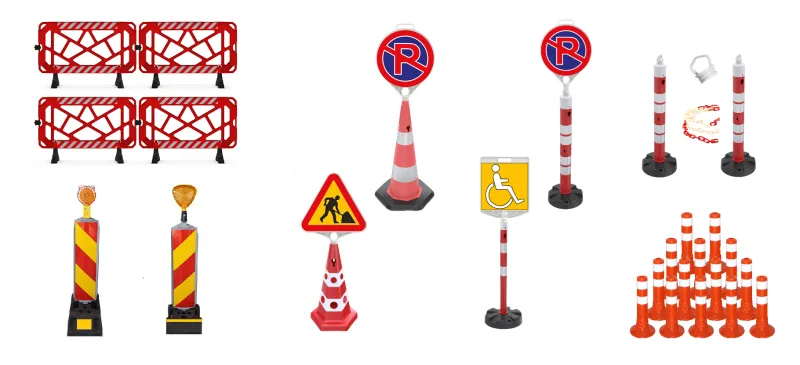
Under Order MI/MT no. 1112/411/2000: first the advance signing, then the signing that marks the works (barrier boards, markers, cones) and finally the end-of-restriction signing. Signs are first stood on the ground to check visibility, then fixed to a support, with at least 50 cm of clear space outside the carriageway.
What are they mounted on?
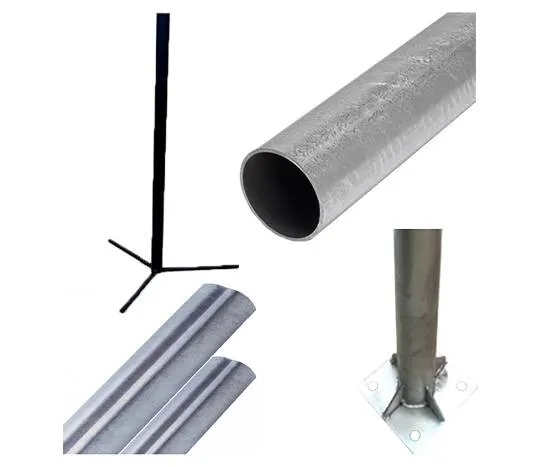
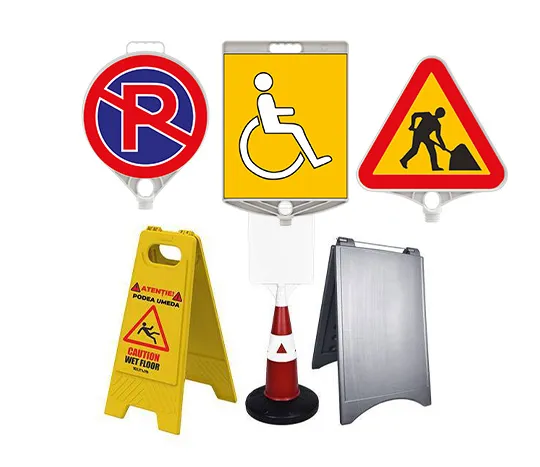
On a Ø48 mm post, with the clamps and bolts included (clamps for Ø60 mm on request), or on mobile supports, which SR 1848-2 allows for temporary signs.
In road safety since 1998
Atto Trafic supplies complete road signage and safety equipment — signs, traffic signs, markings, parking barriers, speed bumps, mirrors, bollards and accessories.
- Durable products, compliant with STAS and SR EN
- ISO 9001 / 14001 / 27001 / 20671 certified
- Constant stock, delivery within 24-48 hours
- Support for municipalities, contractors, private car parks