

Forest Road Signs
The signs of normative ID-001-15 for forest roads: road names, junctions, passing places, turning places and the public traffic ban.

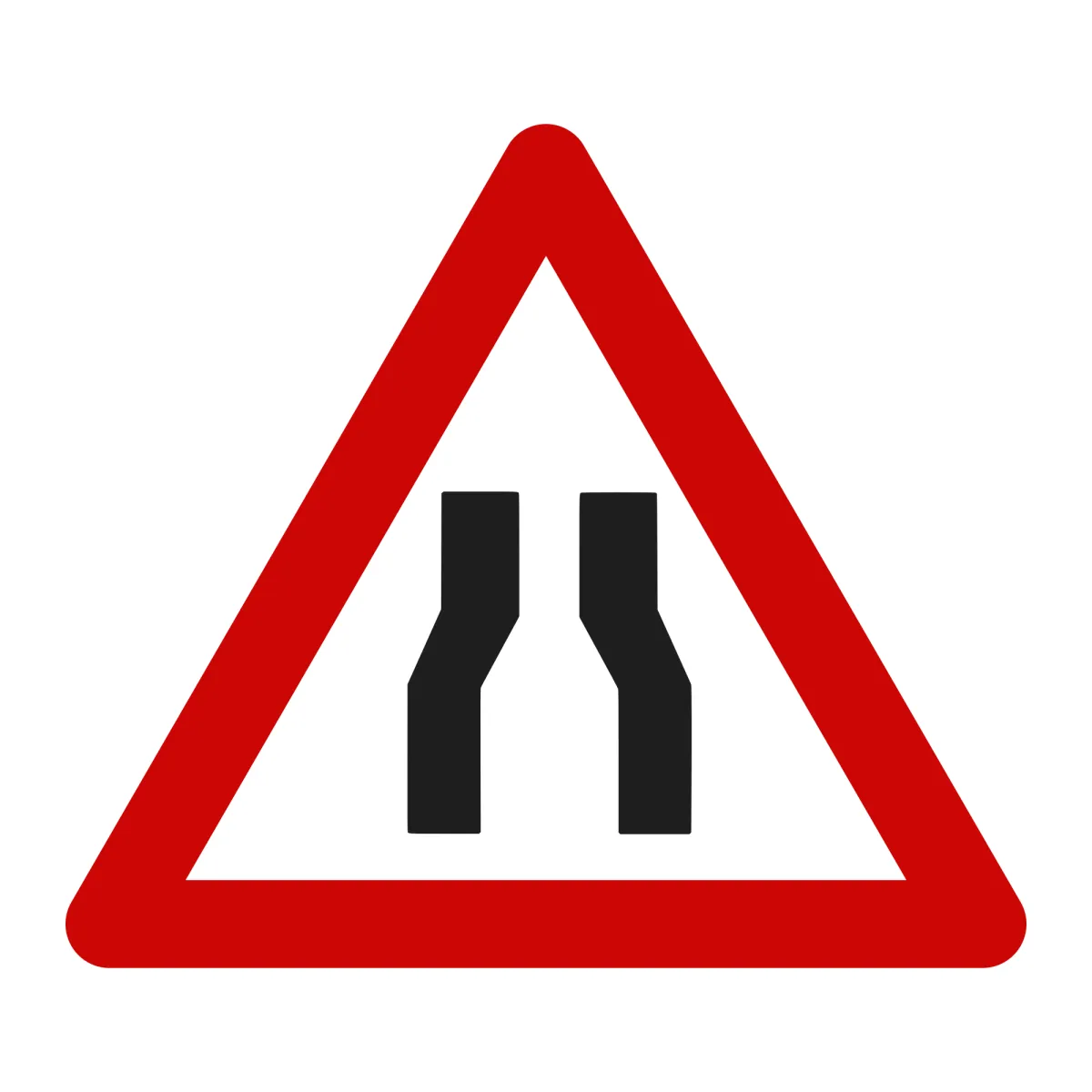
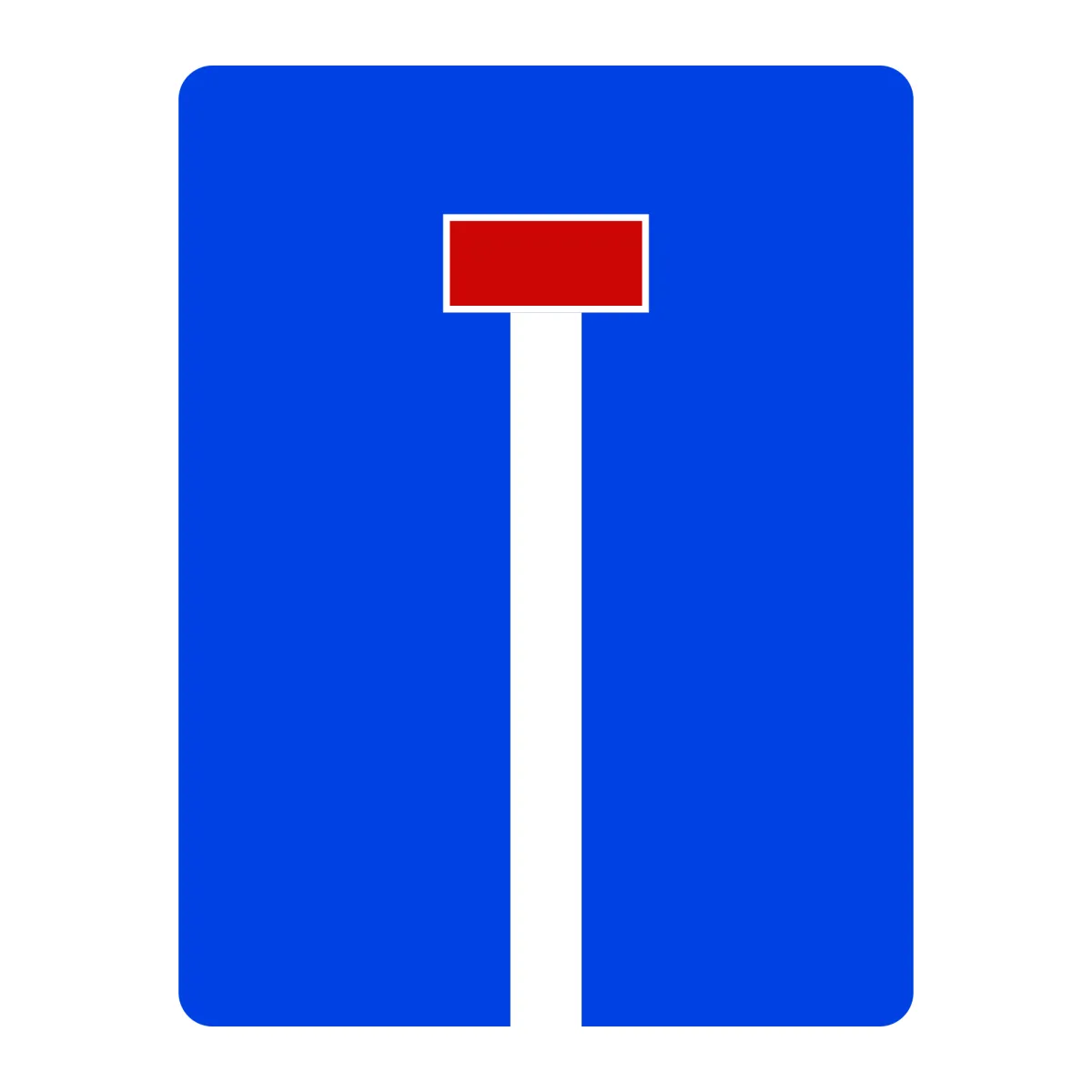
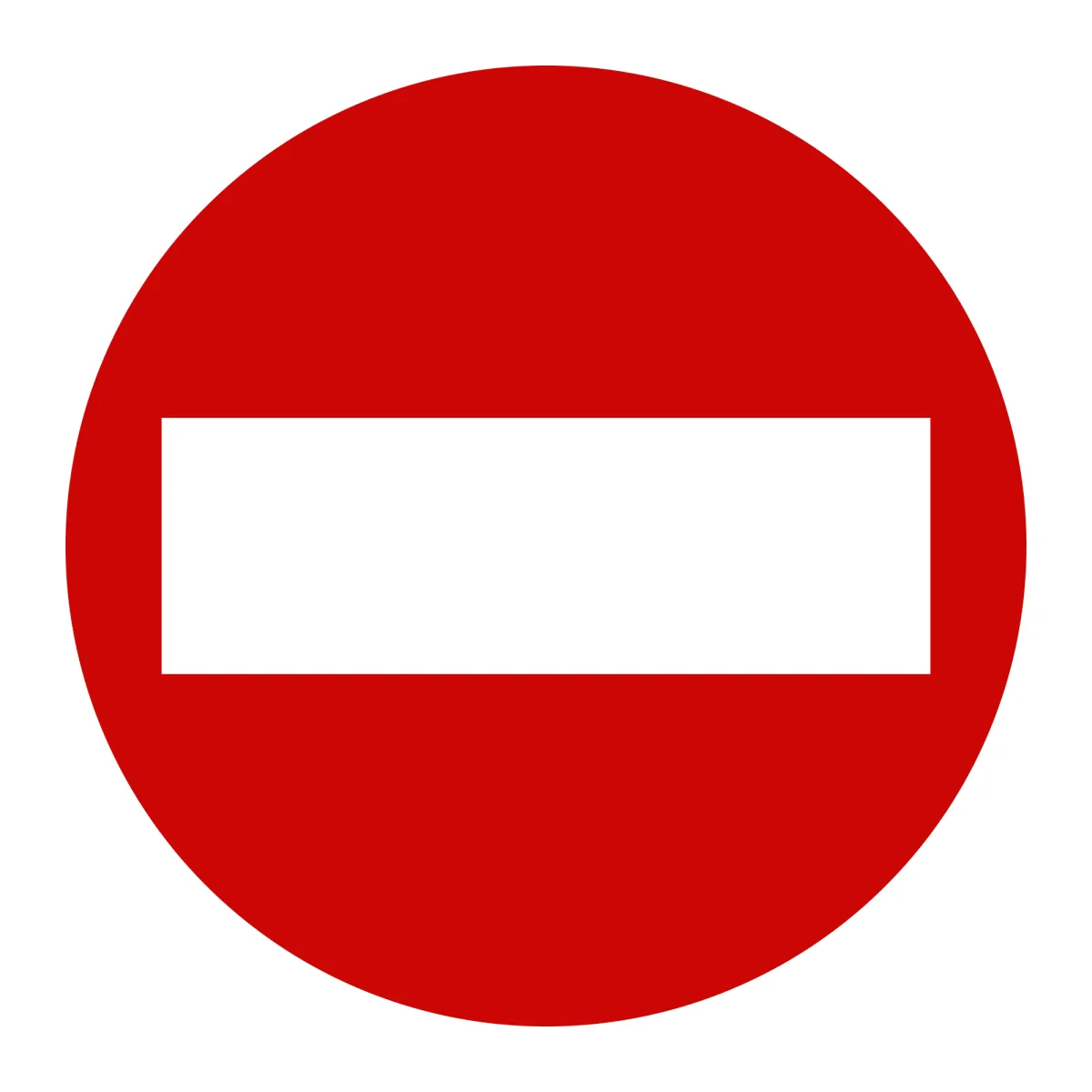
Forest road signs to normative ID-001-15
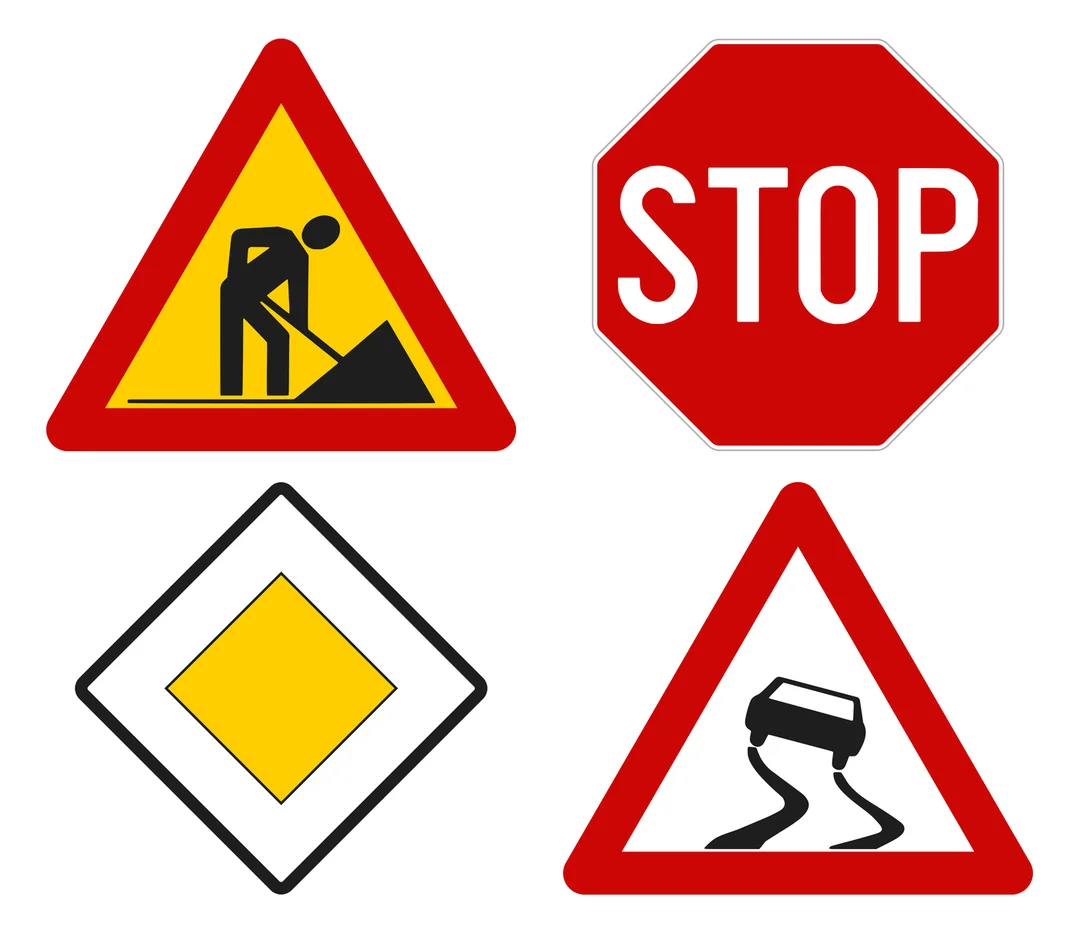
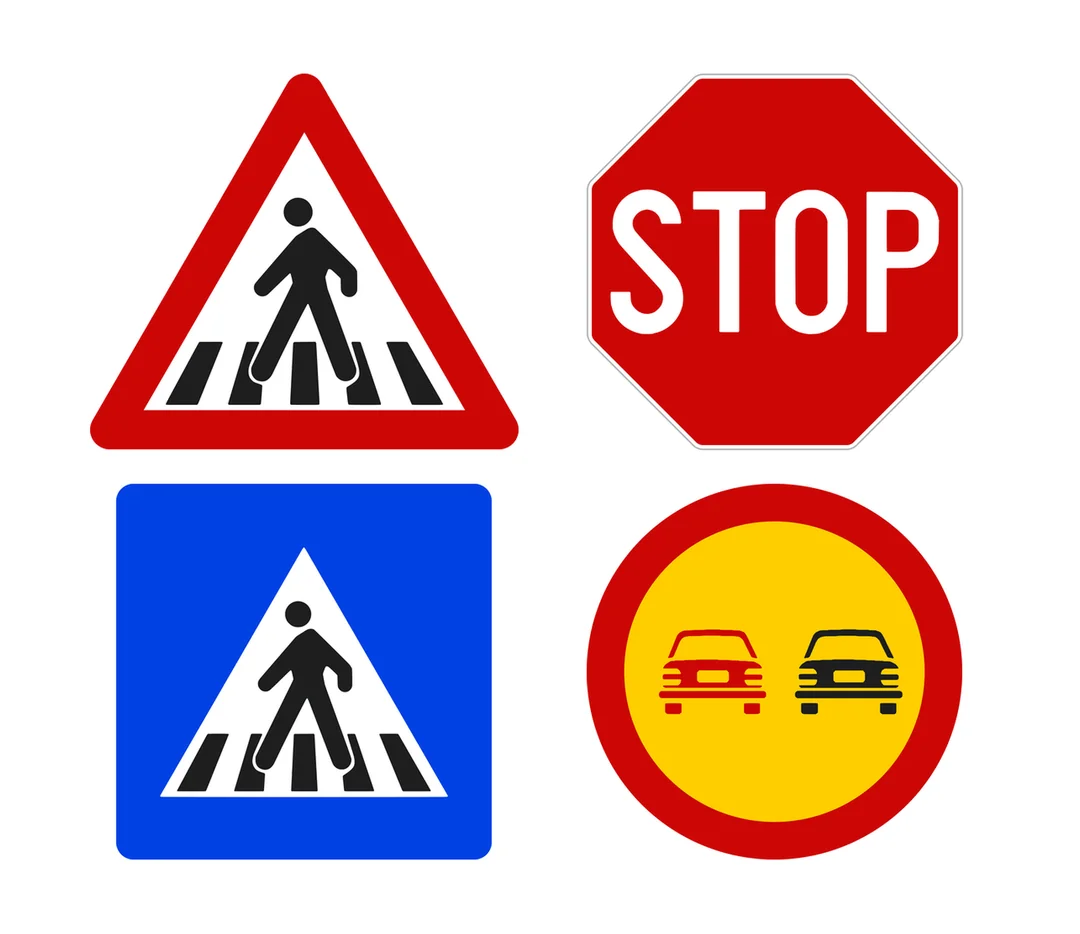
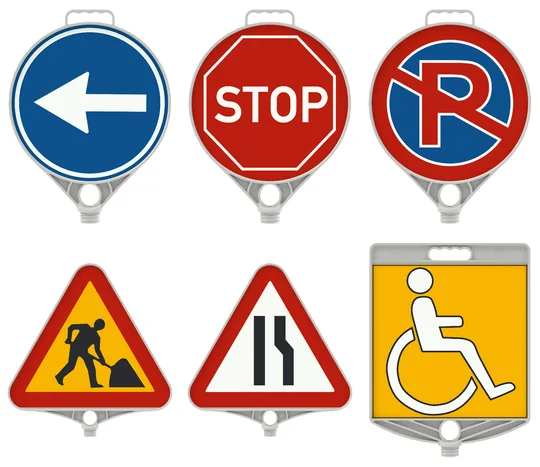
Forest roads are private-use roads closed to public traffic, and their signing is set by the forest road maintenance and repair normative ID-001-15, approved by Order 482/2015. The normative uses the public road signs, with the shapes, sizes and colours of SR 1848, and adds a few signs of its own, drawn in Annex VII. All are made of 1 mm galvanised steel, with class I retroreflective sheeting, CE marking and post fixings included.
The Annex VII signs
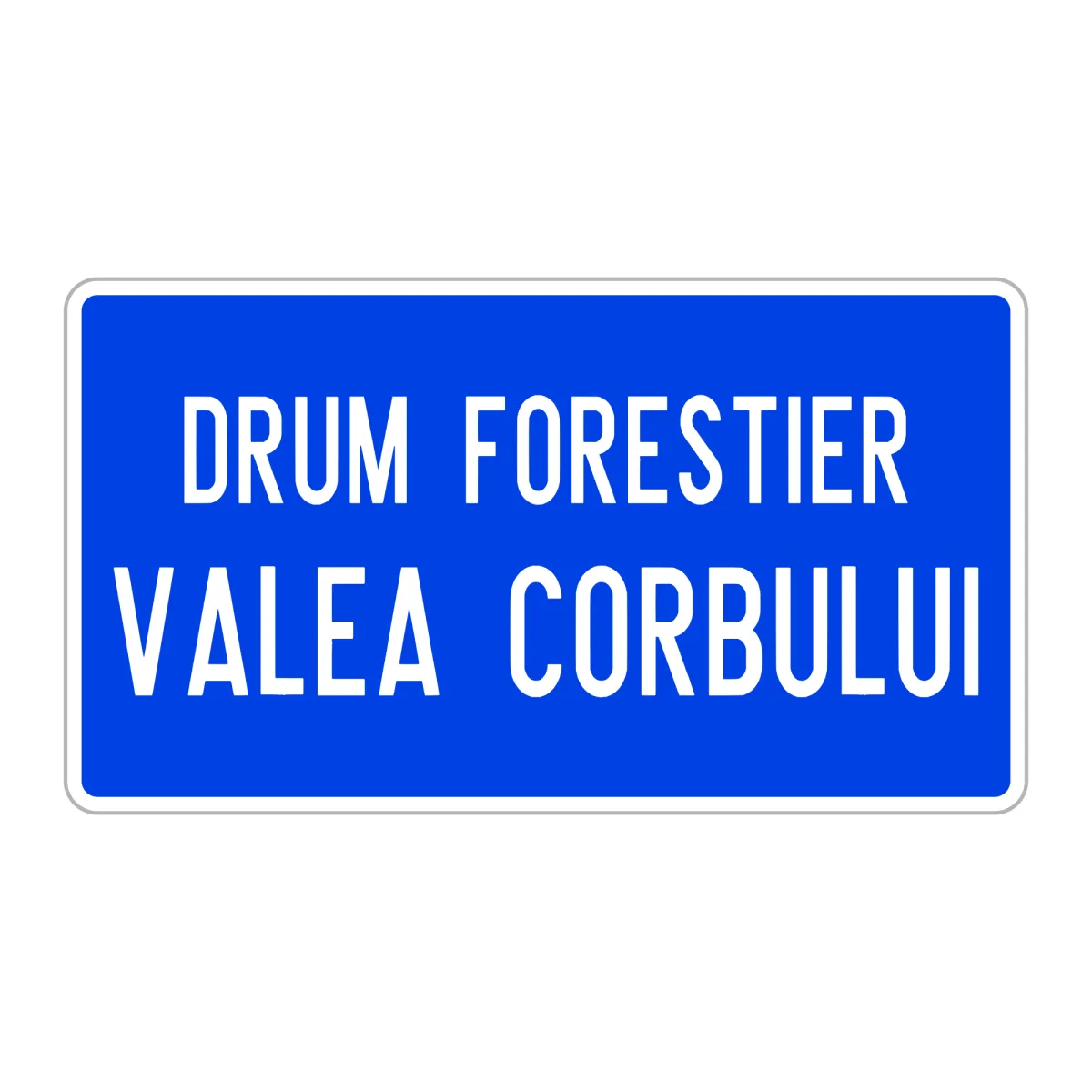
- the forest road name sign, 90 x 50 cm, blue, 15–30 m into the road;
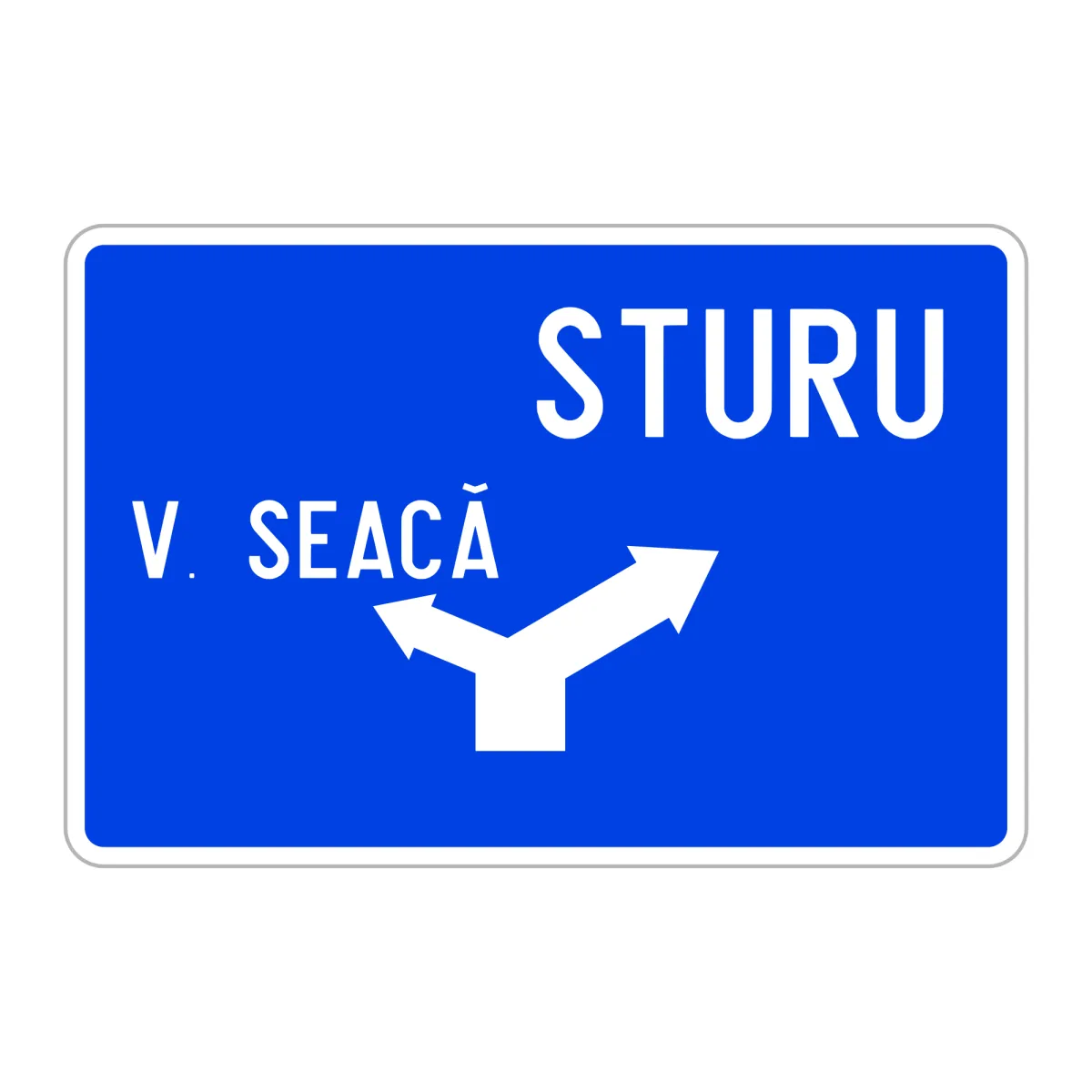
- the advance direction sign for major junctions, 75 x 50 cm, 50 m before the junction;
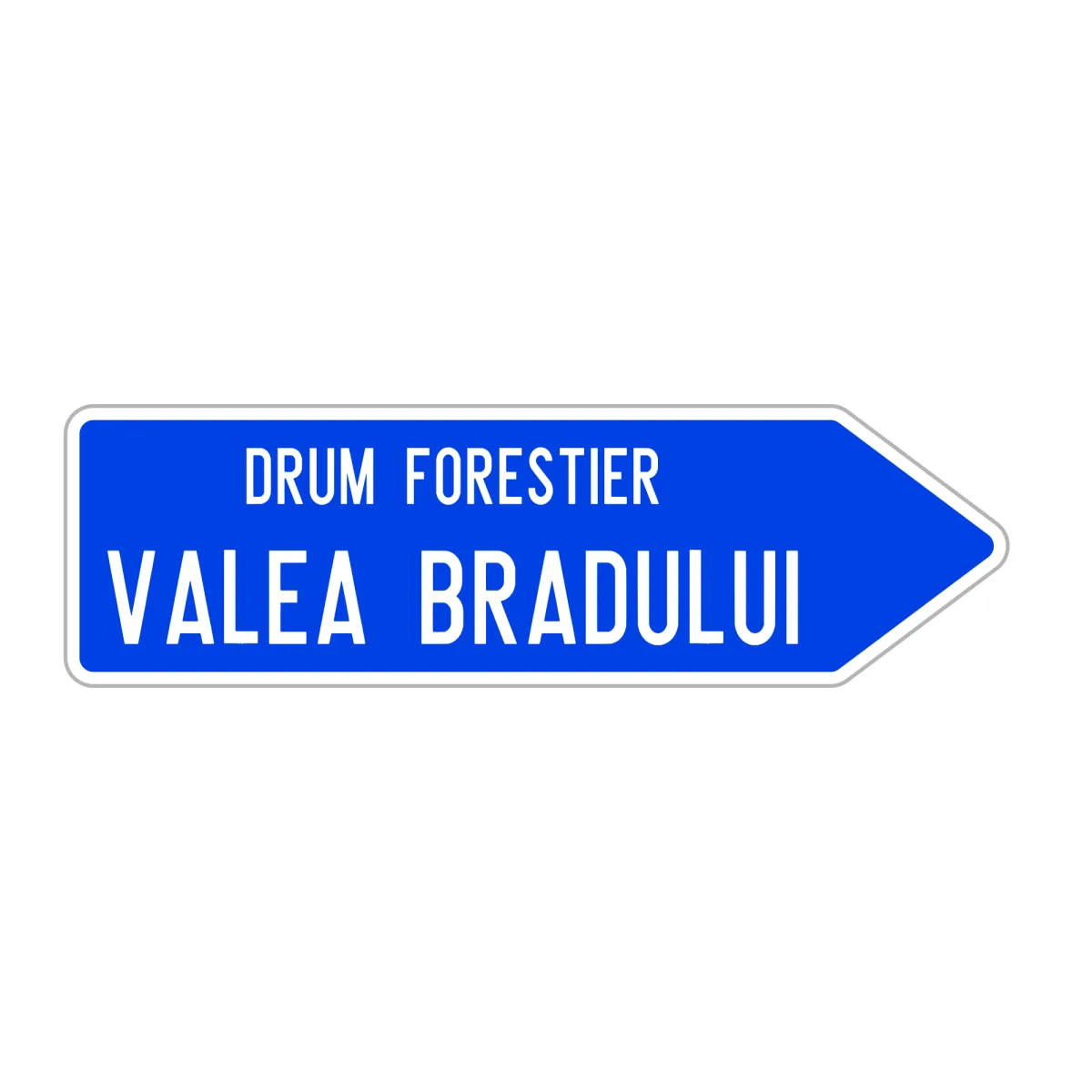
- the arrow-shaped junction direction sign, 103 x 30 cm, right at the junction;
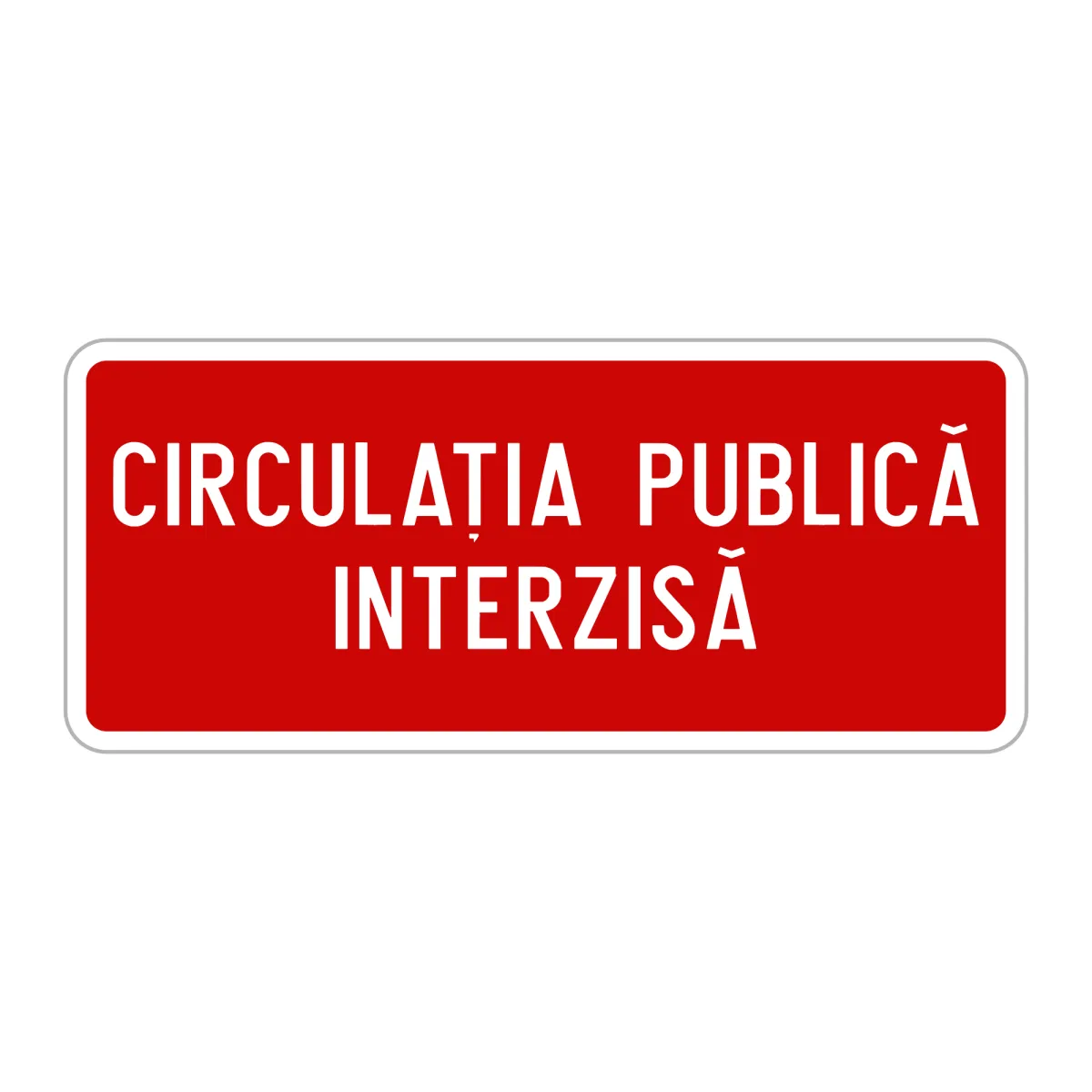
- the “Public traffic prohibited” sign, 70 x 30 cm, red, on the same post as the name sign;
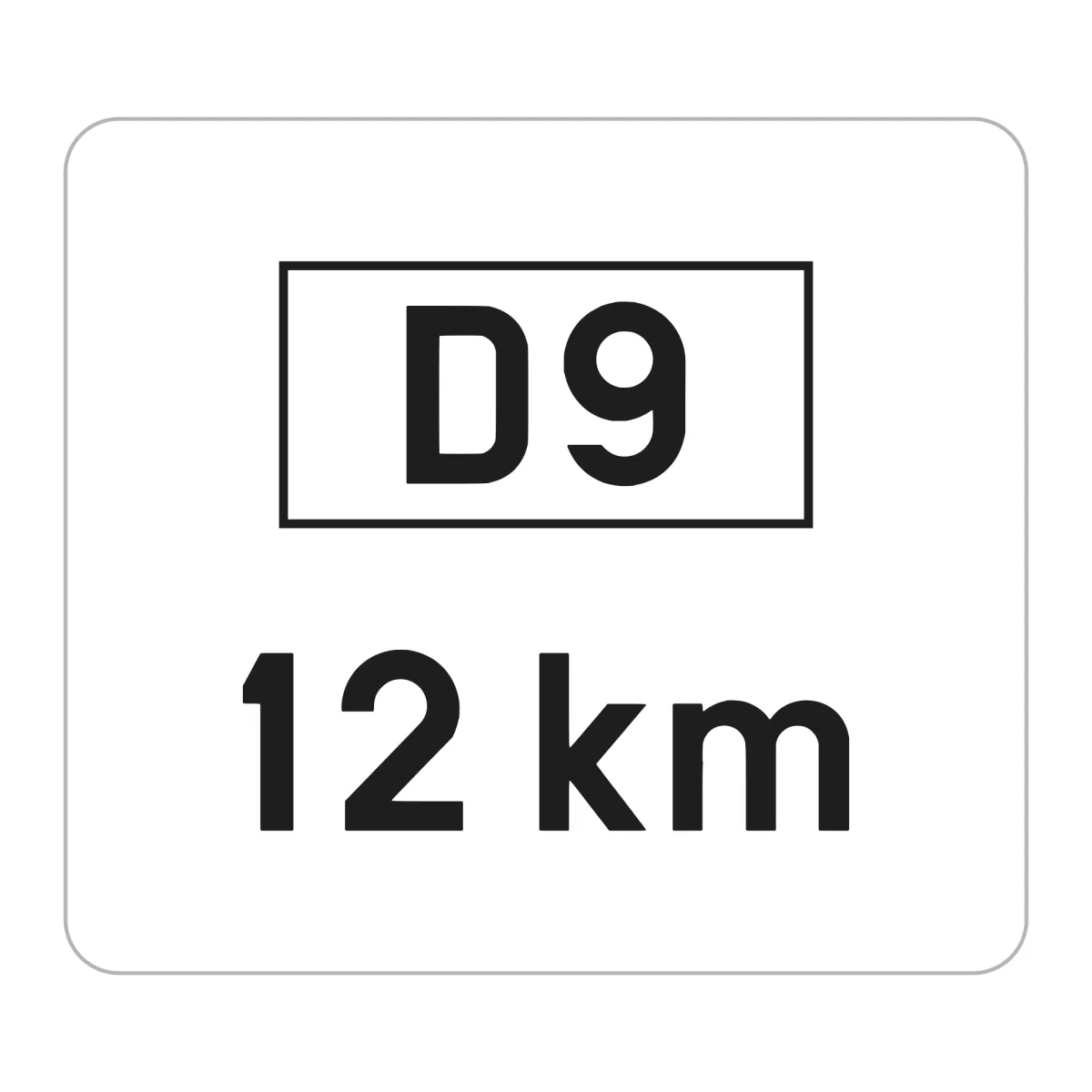
- the number plate with the road's order number, for example D9;
- the Passing Place sign, 50–100 m before the place where two vehicles can pass;
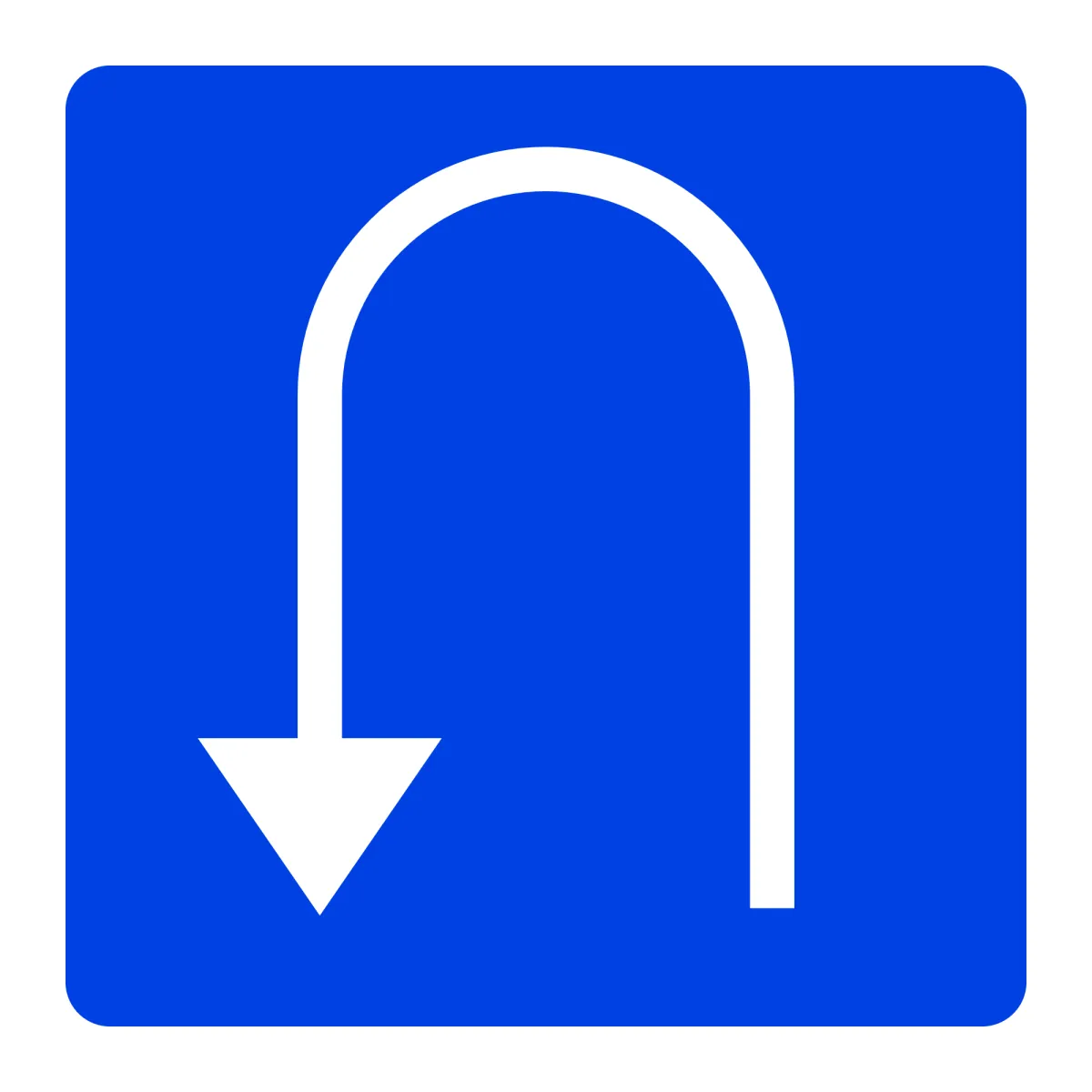
- the turning place, signed 100–150 m ahead with the same symbol as the G75 Turning Area sign.
Road names, numbers and junction arrows are made for each order: send us the text after ordering, and for junctions a sketch of the roads as well.
SR 1848 signs used on forest roads
The rest of the signing is the public road one. The normative's example of the group at a forest road entrance: after the name sign, at 20–25 m, comes the A9 Road Narrows on Both Sides sign together with the F16 No Through Road sign. Roads closed in wet weather or during the thaw have the barrier down and the C1 No Entry sign.
Mounting
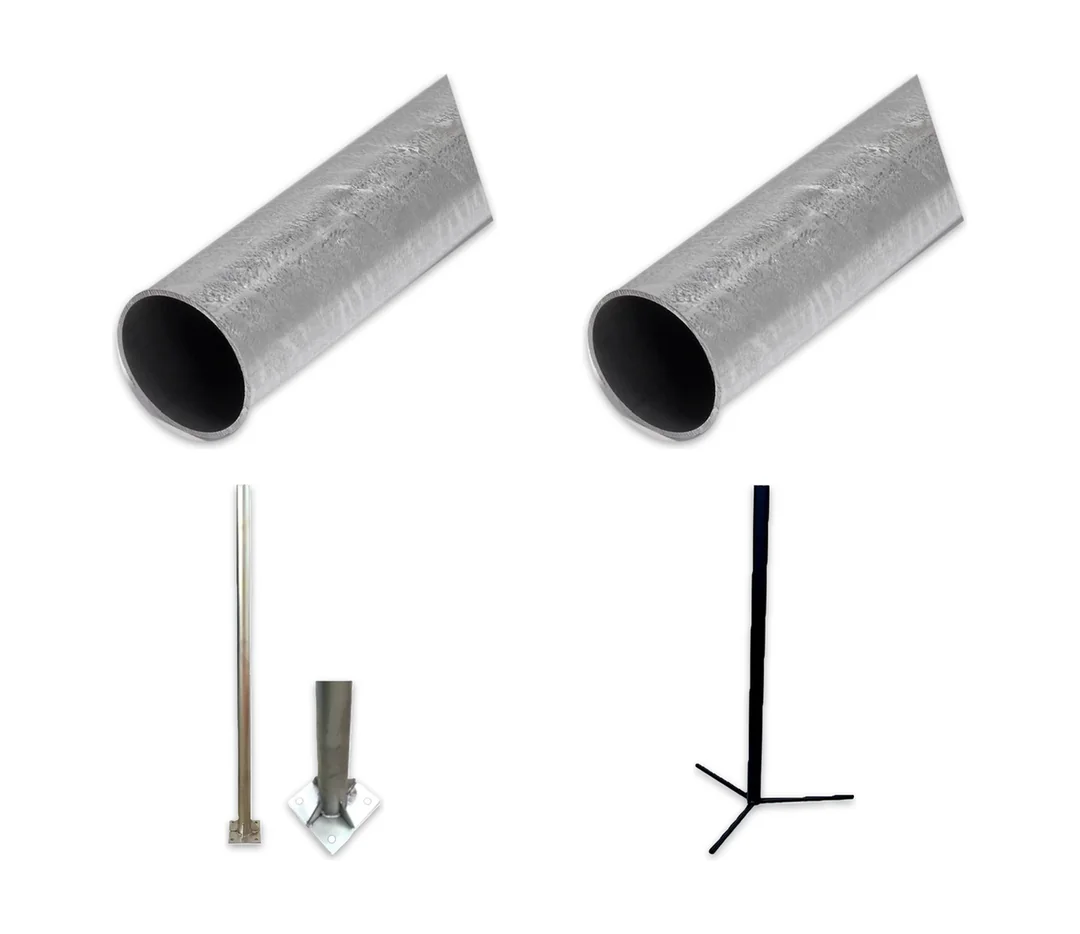
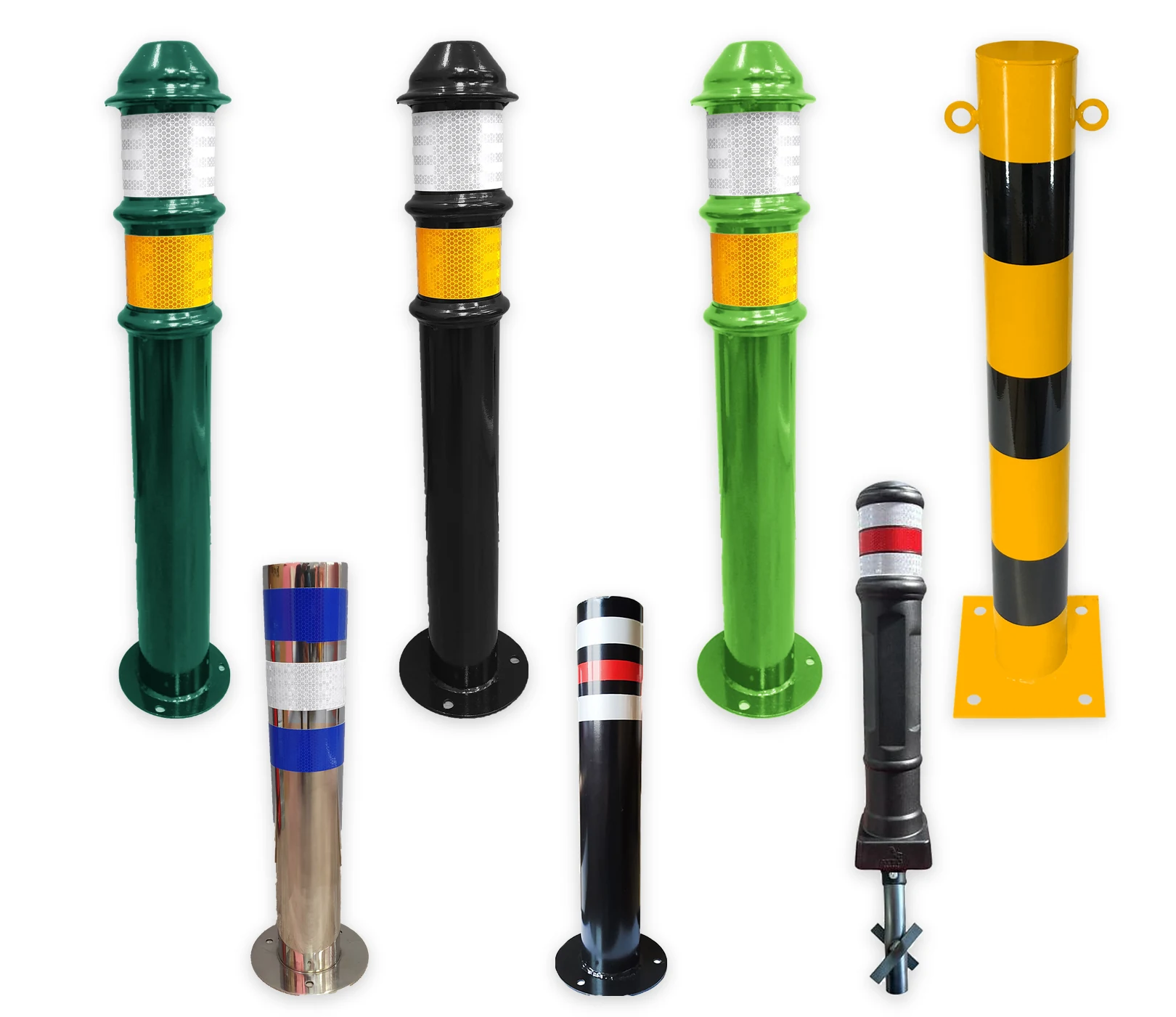
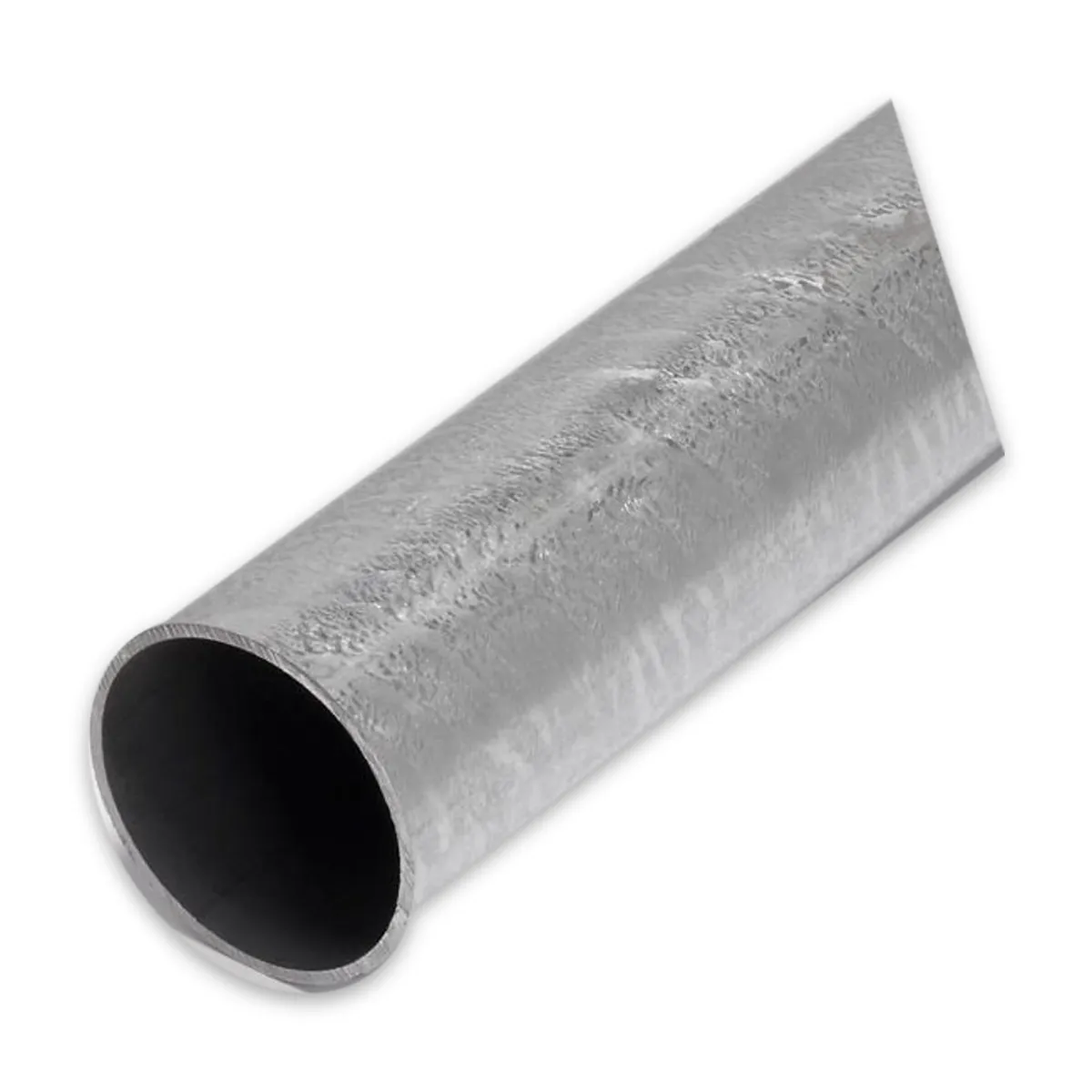
The signs go on the right-hand side of the forest road, so that they are clearly visible from 1.50–1.70 m. Preferably each sign has its own post; when several share one, the lowest must be at least 1.20 m above the ground. The normative allows reinforced concrete posts, light metal tubes or sections, or treated hardwood; for a fixed installation, the galvanised Ø48 mm post, 300 cm fits the clamps included with every sign.
? Frequently asked questions
Which signs are used on forest roads?
The public road signs, with the shapes, sizes and colours of SR 1848, plus those of Annex VII of normative ID-001-15: the road name, junction advance and direction signs, the public traffic ban, the road number plate, the passing place and the turning place.
Where does the forest road name sign go?
15–30 m into the forest road, on the right-hand side, where the road joins a public road. It is used only on roads with no through exit, and the name is written in full, without abbreviations and with diacritics.
What does the Passing Place sign show?
It announces, 50–100 m ahead, the place where two vehicles from opposite directions can pass. Passing places are built on single-lane secondary roads, 2.75 m wide, and on principal roads that are too narrow; an unloaded vehicle that meets a passing place in its direction gives way to the loaded one coming the other way.
Is the Public traffic prohibited sign required?
The normative requires forest road owners and operators to install it with the name sign on roads closed to public traffic. It is not used on roads designated for access to neighbouring villages.
At what height are the signs mounted?
So that they are clearly visible from 1.50–1.70 m. When several signs share a post, the lowest must be at least 1.20 m above the ground; in the group at the road entrance, the Public traffic prohibited panel has its bottom edge at 1.20 m.
What posts do the signs go on?
The normative allows reinforced concrete posts, light metal tubes or sections and treated hardwood, set into the ground. Our signs come with clamps for Ø48 mm posts, and the galvanised Ø48 mm post, 300 cm, is ordered separately.
How do I order a sign with the road's name?
Order the sign you need, then send us the road's exact name, with diacritics, or its number. For the junction advance sign, send a sketch of the junction too, so the arrows get the real angles.
Who is responsible for signing forest roads?
The forest road owners and operators. They see to traffic safety, and the cost of the signs comes from the road maintenance and repair funds.
In road safety since 1998
Atto Trafic supplies complete road signage and safety equipment — signs, traffic signs, markings, parking barriers, speed bumps, mirrors, bollards and accessories.
- Durable products, compliant with STAS and SR EN
- ISO 9001 / 14001 / 45001 / 27001 / 20671 certified
- Constant stock, delivery within 24-48 hours
- Support for municipalities, contractors, private car parks