














Road Markers and Their Role in Environmental Protection and Pollution Reduction
In the modern context, concerns regarding road safety and environmental protection have become essential. An often-overlooked tool that plays an important role in both traffic management and environmental protection is the road marker. In addition to their classic function of directing and organizing traffic, road markers indirectly contribute to pollution reduction and the creation of more eco-friendly roads.
Road Markers and Their Impact on Fuel Consumption Reduction
One of the least discussed functions of road markers is their connection to traffic efficiency and, implicitly, fuel consumption. When properly placed, markers can help avoid congestion and smooth traffic flow, leading to:
Reduced waiting time: In work zones or at intersections, road markers help guide traffic onto alternative or temporary routes, preventing the formation of long queues of vehicles. Less time spent in traffic means lower fuel consumption, thereby reducing greenhouse gas emissions.
Optimized travel speed: When traffic is well organized with the help of markers, drivers can maintain a constant speed, which contributes to more efficient fuel consumption. Each sudden stop or strong acceleration increases fuel consumption, while a constant speed reduces this negative effect.
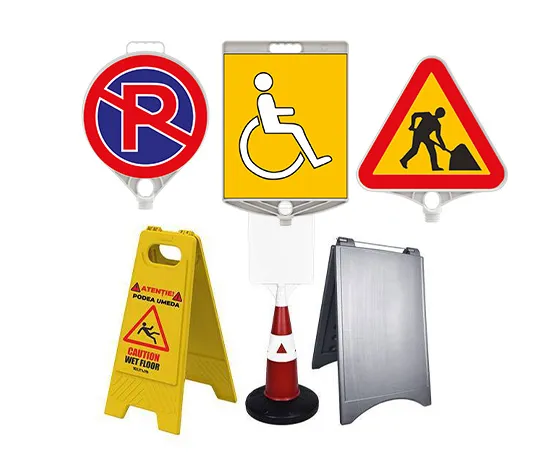
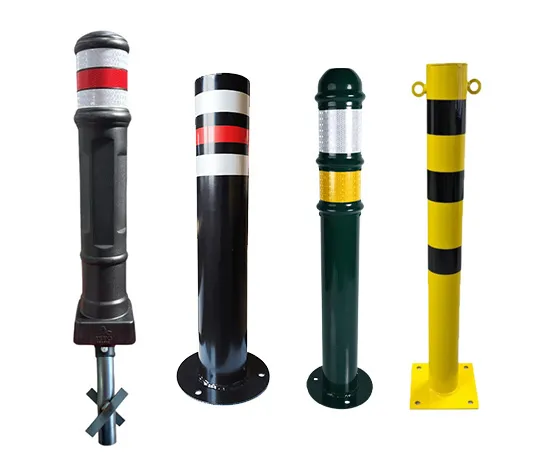
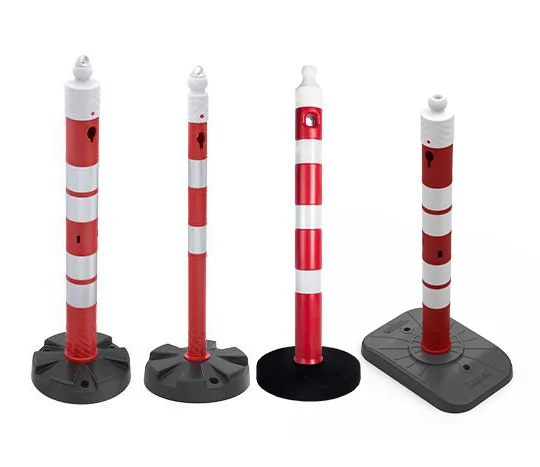
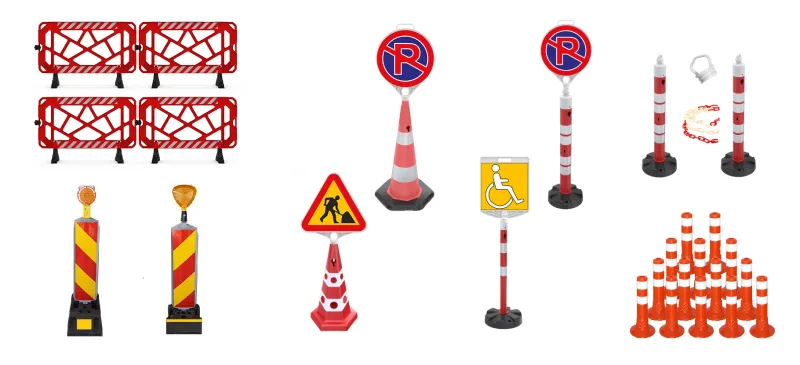
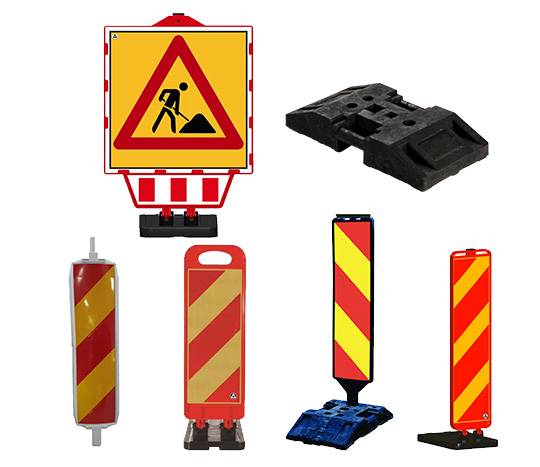
Best-Selling Road Marker Products
Eco-friendly Materials Used for Road Markers
With technological advancements and increased awareness of the impact that plastic materials have on the environment, road marker manufacturers have begun to explore more environmentally friendly materials. Thus, some modern markers are made from recyclable or biodegradable materials, such as:
Recycled plastic: A commonly used solution is the production of markers from recycled plastic. This reduces the amount of new plastic produced, as well as waste, while providing a durable and efficient product.
Recycled rubber: Markers made from recycled rubber are another eco-friendly option. They are flexible and durable, making them ideal for areas where there is a risk of impact with vehicles. The use of recycled rubber helps reduce tire waste and lessen environmental impact.
Solar-Powered Road Markers
Another recent innovation in the field of road markers is the integration of technology with solar panels. These markers are equipped with lighting systems powered by solar energy, thus eliminating the need to use external electricity sources. Among the advantages of this type of marker are:
Reduced energy consumption: Using solar energy for marker lighting helps reduce the consumption of electricity generated from conventional sources, which often involve fossil fuels. This directly contributes to pollution reduction and environmental protection.
Autonomy in remote areas: In areas where electricity supply is difficult or costly, solar markers are a practical and eco-friendly solution. They can be used on isolated roads or highways, providing safety and visibility without the need to connect to the electrical grid.
Road Safety and Environmental Protection – Two Interrelated Goals
In many cases, road safety and environmental protection are viewed as two separate fields. However, they are closely linked. Every improvement in road infrastructure and traffic has beneficial effects on both safety and the environment. For example, reducing the number of accidents and traffic jams not only saves lives but also reduces pollution generated by vehicles that are stuck in long queues or involved in accidents.
Road markers, through their efficiency in traffic management, thus contribute not only to reducing accident risks but also to creating a cleaner and healthier environment.
Conclusion
Road markers are much more than simple signaling tools. They play a crucial role in optimizing traffic, reducing fuel consumption, and protecting the environment. The eco-friendly materials from which they are made, as well as the use of modern technologies such as solar energy, demonstrate that road infrastructure can evolve towards a greener and safer future.
As our cities and roads become increasingly congested, investing in modern and eco-friendly road markers becomes a necessity not only for safety but also for the health of the planet.