






Traffic Cones: A Key Element for Traffic Safety
In the modern world, road safety is an essential priority, and traffic cones play a crucial role in maintaining it. These simple yet effective structures are widely used to guide and inform drivers, thereby helping to prevent accidents and properly organize traffic flow.
1. What are traffic cones?
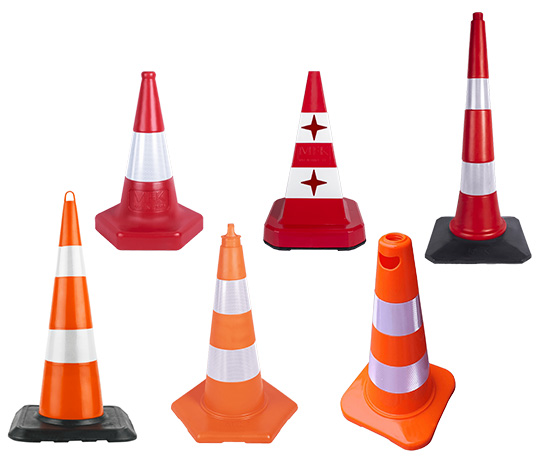
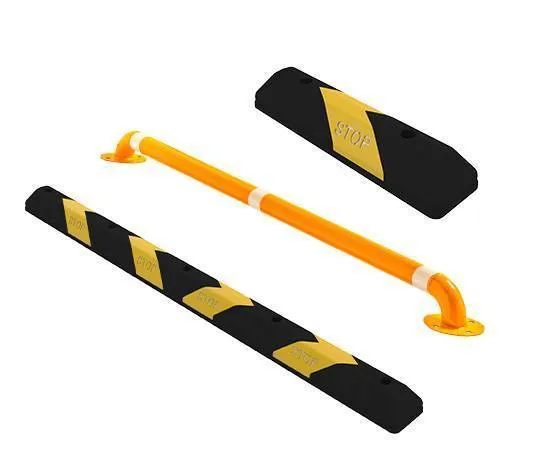
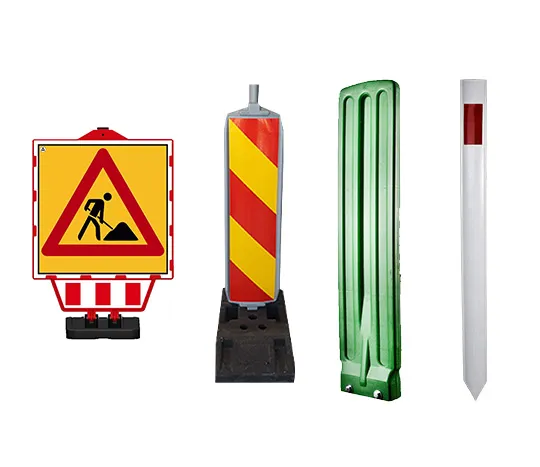
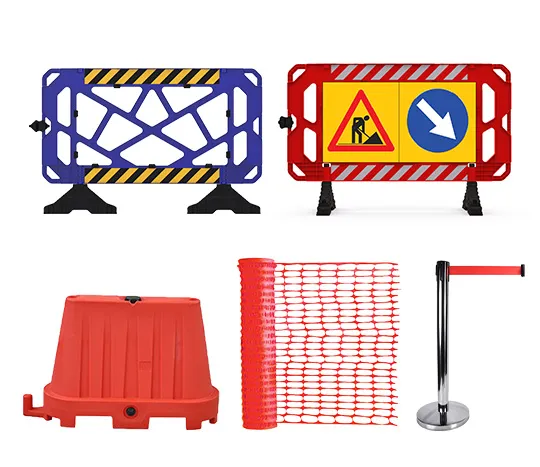
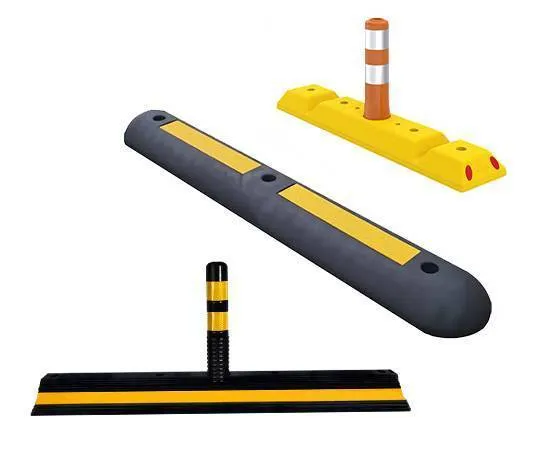
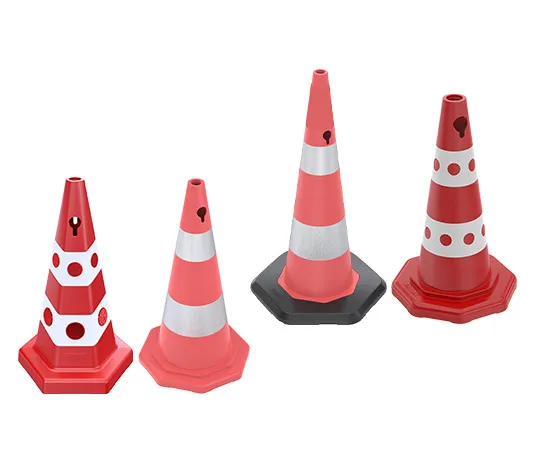
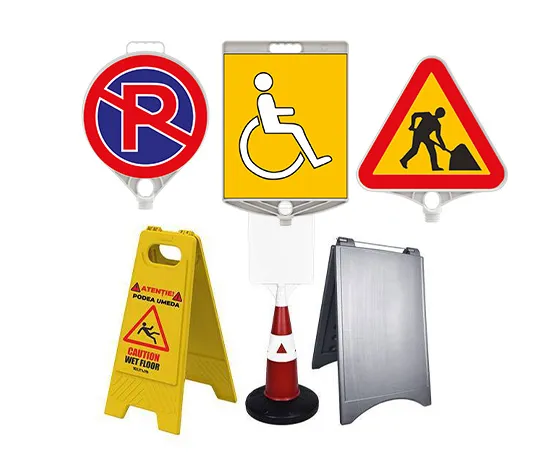
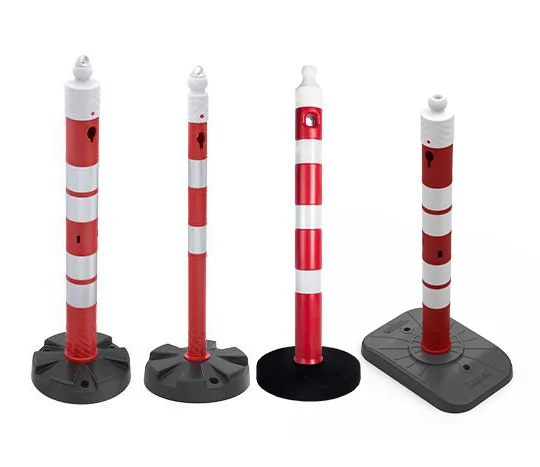
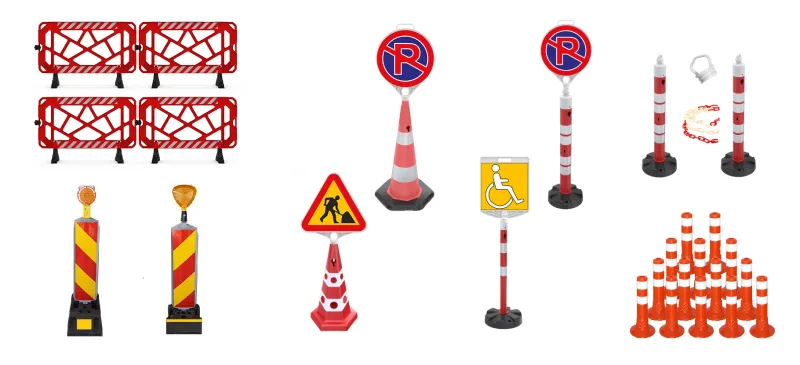
Traffic cones are vertical markers, usually made of plastic or metal, that are placed at the roadside to provide information to drivers and to delineate traffic areas. They can come in various shapes, colors, and sizes, each intended for a specific purpose. For example, warning cones are used to indicate hazards, while delineation cones mark the boundaries of roads or parking areas.
Best-Selling Traffic Cone Products
2. Types of traffic cones and their uses
Traffic cones can be classified into several categories, each serving a specific role:
Warning cones: These are used to signal hazards on the road, such as dangerous curves, construction work, or areas with reduced visibility. They are often colored yellow or orange to attract drivers' attention.
Delineation cones: These mark the boundaries of roads or parking areas, helping to maintain order and prevent illegal parking. They are usually white or yellow and are placed in intersection areas or parking lots.
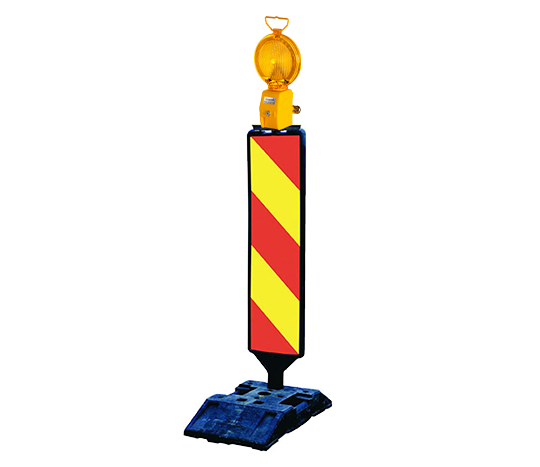
Reflective cones: These cones are equipped with reflective materials that enhance visibility at night or in adverse weather conditions. They are essential for preventing accidents in darkness or fog.
Guidance cones: Frequently used in large parking lots or boarding areas, these cones help direct drivers and facilitate traffic flow.
3. The importance of traffic cones in road safety
Traffic cones significantly contribute to road safety in the following ways:
Improving visibility: By placing traffic cones in strategic areas, the visibility of roads and intersections can be increased, reducing the risk of accidents. They help guide drivers by providing clear directions regarding the path to follow.
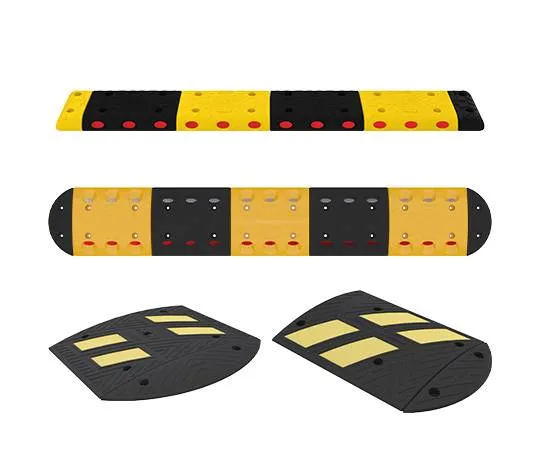
Reducing speed: Warning and delineation cones can be used to reduce vehicle speed in sensitive areas, such as those near schools or hospitals. This helps create a safer environment for pedestrians and cyclists.
Preventing confusion: By clarifying boundaries and traffic regulations, cones help prevent confusion among drivers. This is essential in areas with heavy traffic or near intersections.
4. Materials used in the manufacture of traffic cones
Traffic cones are made from a variety of materials, each with its own advantages:
Plastic: Many cones are made from plastic, as they are lightweight and weather-resistant. They are also less expensive and can be manufactured in different colors.
Metal: Metal cones are more durable and impact-resistant. They are often used in areas with heavy traffic or in more challenging conditions.
Reflective: Regardless of the material, many cones are equipped with reflective elements to ensure visibility at night.
5. Conclusion
Traffic cones are an essential element in modern road infrastructure. They significantly contribute to the safety and organization of traffic, providing drivers with vital information and guidance during their travels. On attotrafic.ro/, you will find a wide range of traffic cones tailored to your specific needs, which can significantly enhance road safety.
Investing in quality traffic cones is not just a precautionary measure but also a responsibility towards all road users. Therefore, make sure to choose the best solutions to promote safer and better-organized traffic.