









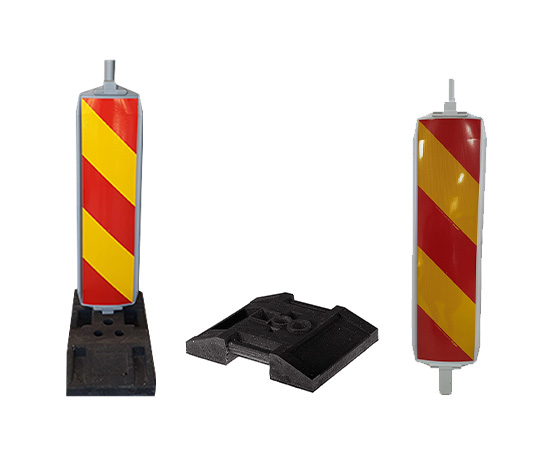
Road Markers: A Vital Tool for Organizing and Streamlining Traffic
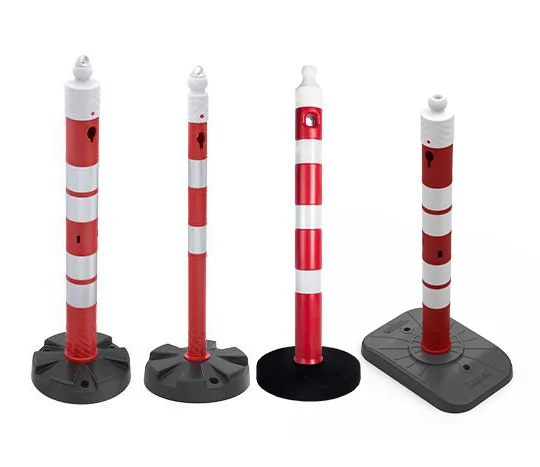
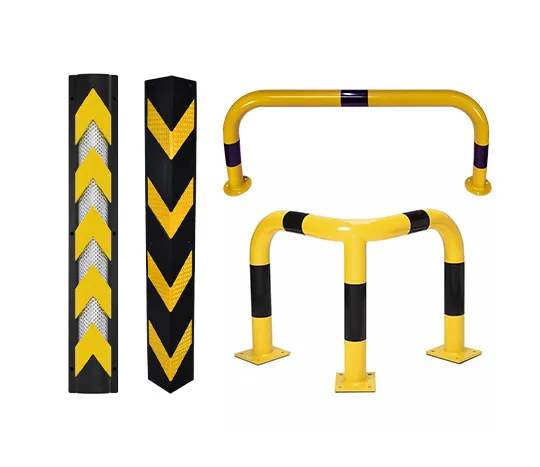
Road markers play an essential role in traffic management, providing both protection and guidance to drivers and pedestrians in various road situations. These devices are used to delineate hazardous areas, guide traffic in construction zones, and signal temporary or permanent changes in road infrastructure. In this article, we will explore the less-discussed uses of road markers, their impact in urban areas, and the importance of integrating them into new infrastructure projects.
The Role of Road Markers in Urban Environments
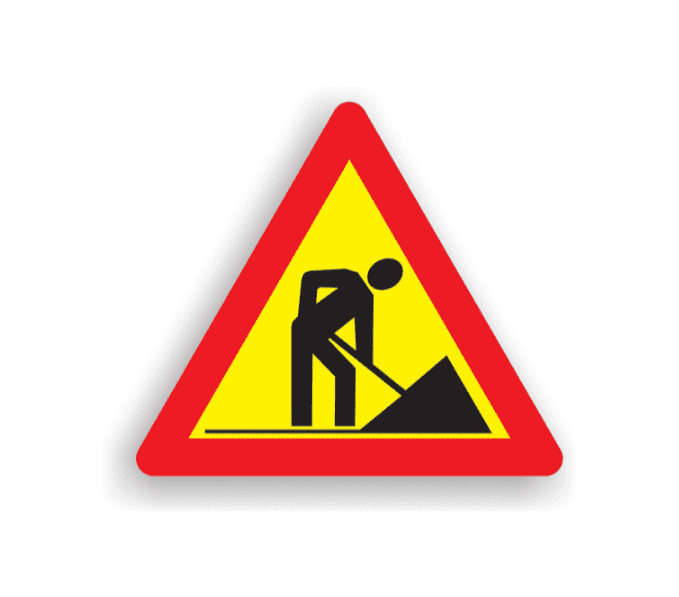
In large cities, where traffic is dense and infrastructure is in constant flux, road markers are frequently used to guide traffic on temporary routes or to delineate work zones. For example, during the construction of a new road or repairs to existing infrastructure, road markers are placed to direct traffic and ensure the safety of both drivers and workers.
These markers are particularly useful in major cities, where any change in traffic can create confusion and bottlenecks. Proper installation of road markers significantly reduces the risk of accidents and prevents congestion, thus providing a steady flow of vehicles even in heavy traffic conditions.
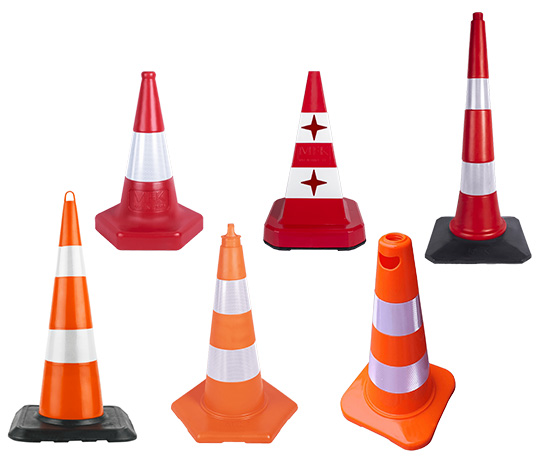
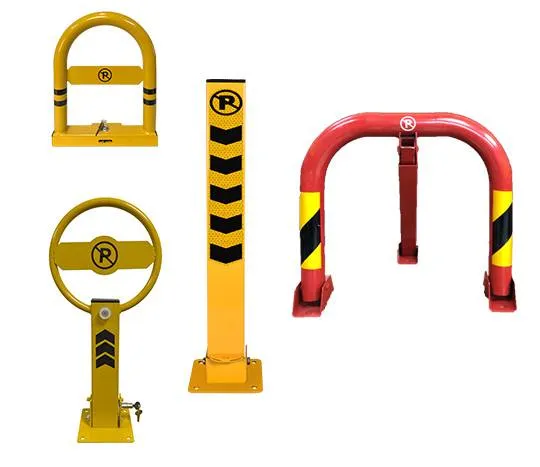
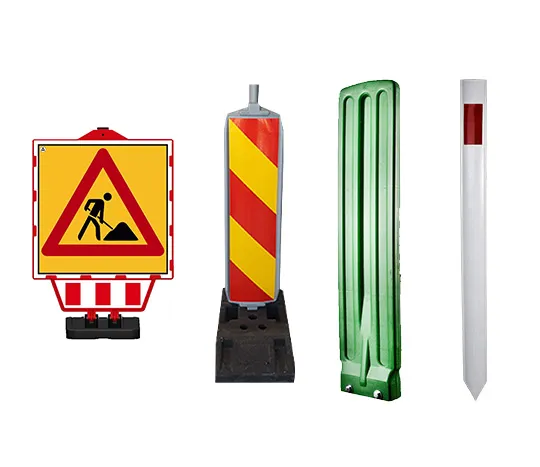
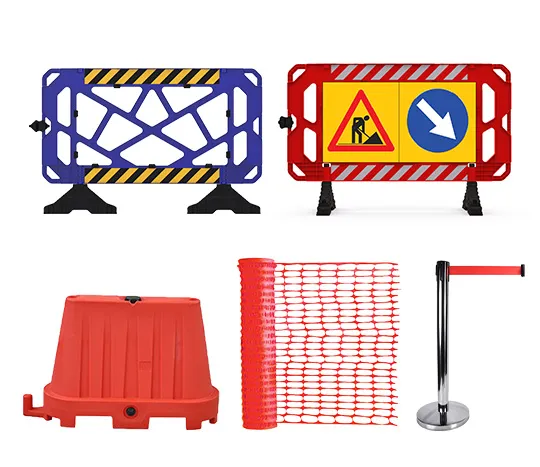
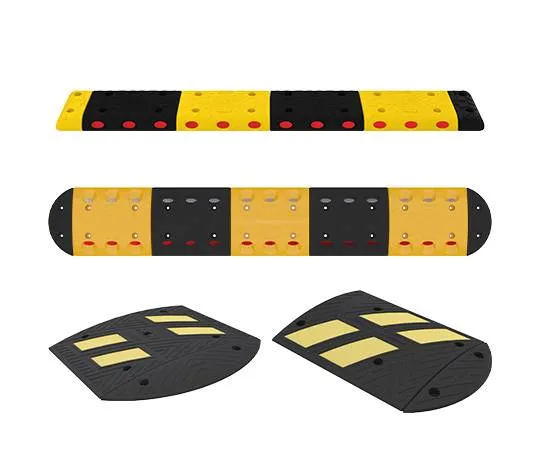
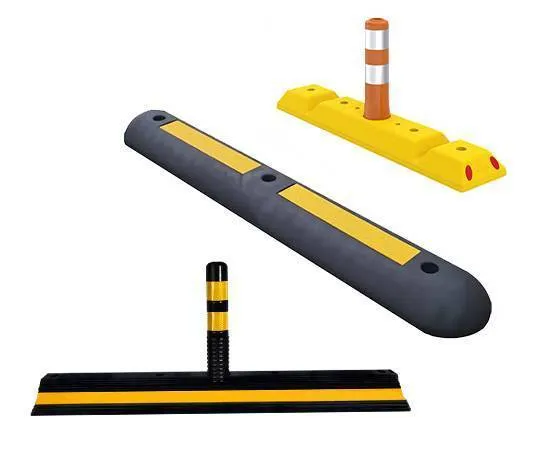
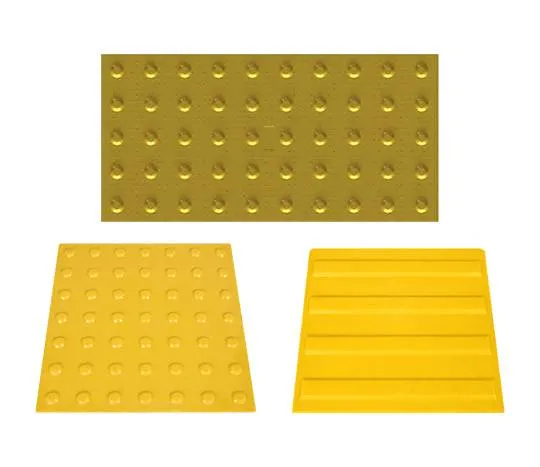
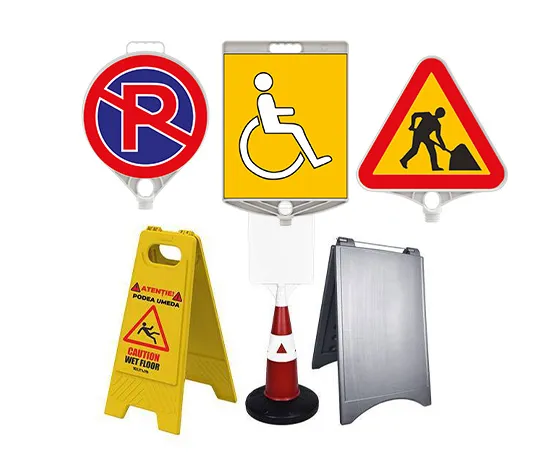
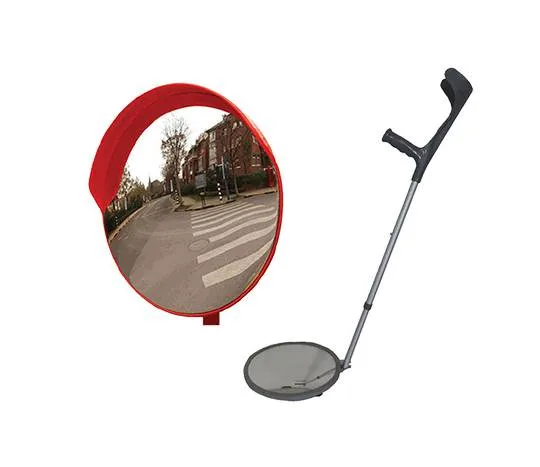
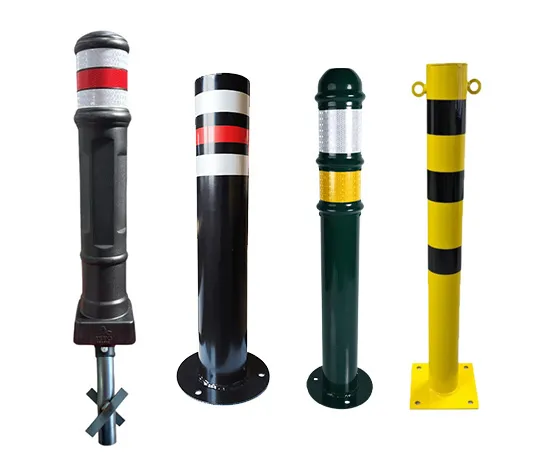
Best-Selling Road Marker Products
Road Markers as a Safety Element at Public Events
Another interesting aspect of using road markers is in the context of large public events, such as concerts, festivals, or sports competitions. In these situations, road markers are used to create temporary routes or to delineate restricted access areas. Additionally, they are extremely useful in makeshift parking areas, helping to maintain order and avoid chaos.
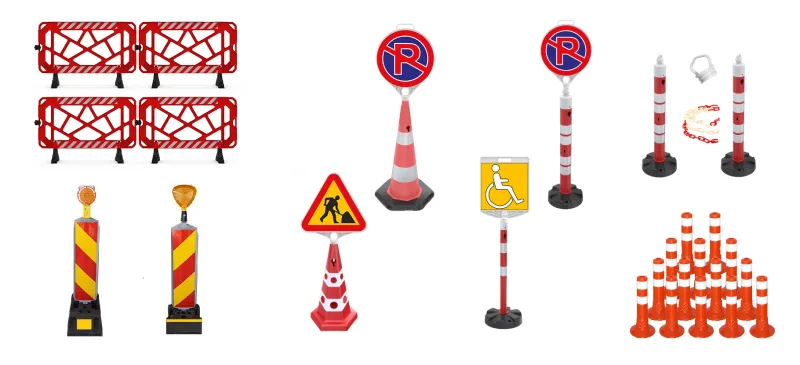
Moreover, at such events, markers are often complemented with temporary road signs and reflective signs to provide optimal visibility at night. They thus become an integral part of the event's security system, offering clear and efficient direction.
Road Markers in the Safety of Bicycle Lanes and Pedestrian Roads
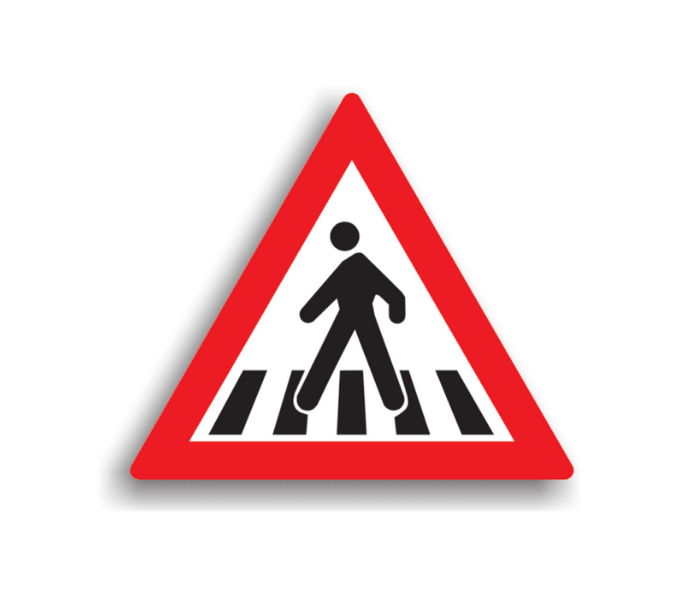
In a global effort to promote eco-friendly transportation, cities are beginning to allocate more space for bicycle lanes and pedestrian roads. Here, road markers are used to clearly delineate these areas, separating vehicle traffic from pedestrian or cyclist traffic. By installing reflective markers, the visibility of bicycle lanes and pedestrian crossings is improved, especially in low light conditions or at night.
Markers not only protect pedestrians and cyclists but also contribute to creating a sense of safety among them, thus encouraging the use of these alternative means of transport. Cities that have invested in this infrastructure have recorded a decrease in the number of accidents and a significant increase in the use of two-wheeled transport or walking.
New Technologies in the Production of Road Markers
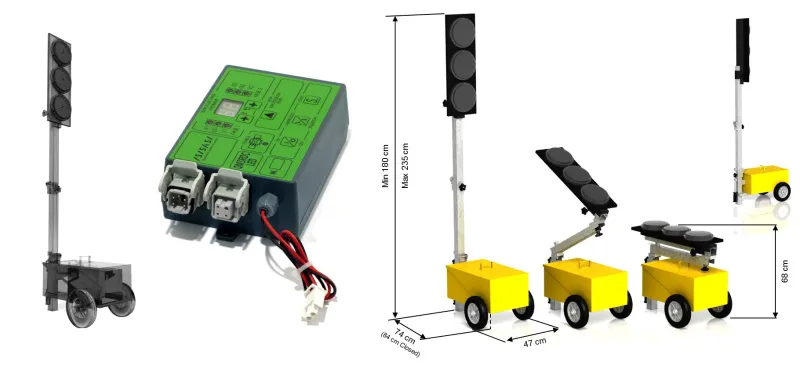
With technological advancements, road markers have become more sophisticated and efficient. For example, many modern models are made from recyclable materials and are equipped with energy-efficient LED lighting systems that provide excellent visibility in any weather conditions. Additionally, markers are designed to withstand impacts and adverse weather conditions, making them ideal for long-term use.
Solar technology has begun to be integrated into some road markers, allowing them to operate autonomously without being connected to a power source. This makes them ideal for remote areas or situations where access to electricity is limited.
Conclusion
Road markers are an essential element in ensuring traffic safety and organization, having multiple uses that go beyond the simple delineation of roads. From protecting road users in urban areas to large public events and facilitating safety on bicycle lanes and pedestrian roads, these markers contribute to creating a safer and more organized road environment. The implementation of modern markers equipped with new technologies and durable materials represents a step forward in smart traffic management and protecting road users.