

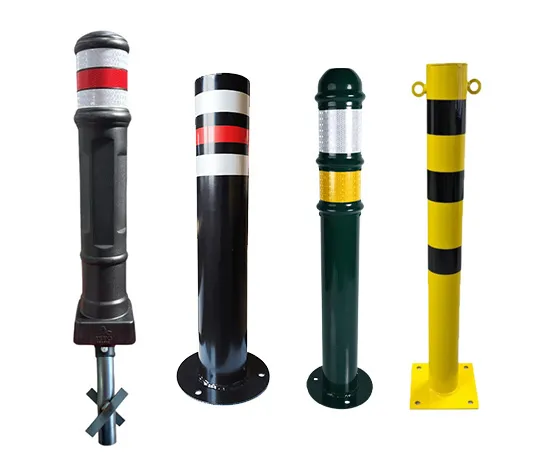
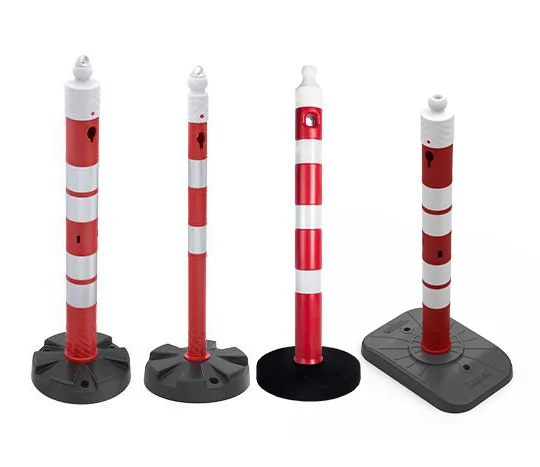


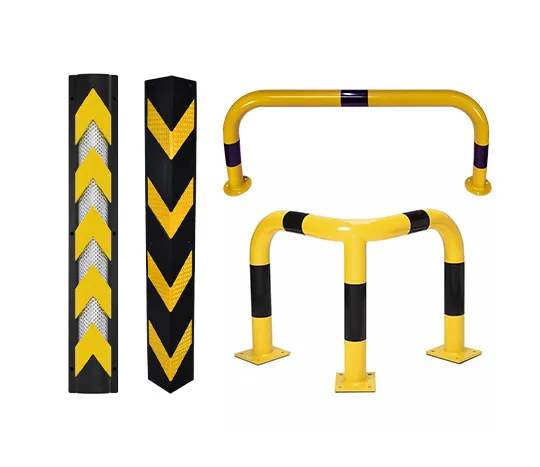
The traffic barrier is a crucial device in traffic management and road safety protection. Whether used to delineate work zones, signal temporary obstacles, or manage traffic flow in special situations, this barrier is a key element in preventing accidents and ensuring orderly traffic.
What is a Traffic Barrier?
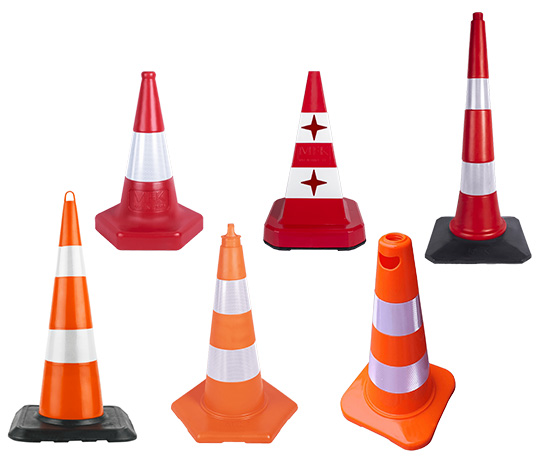
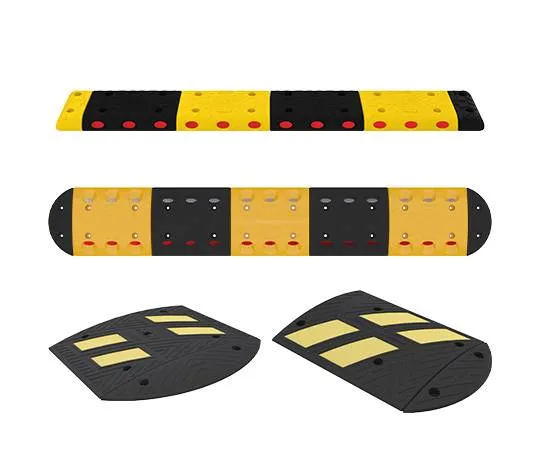
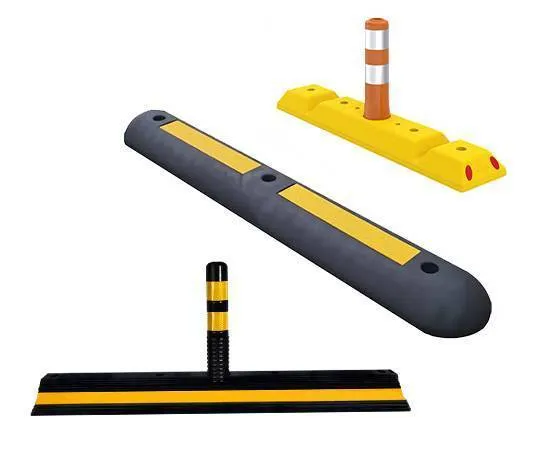
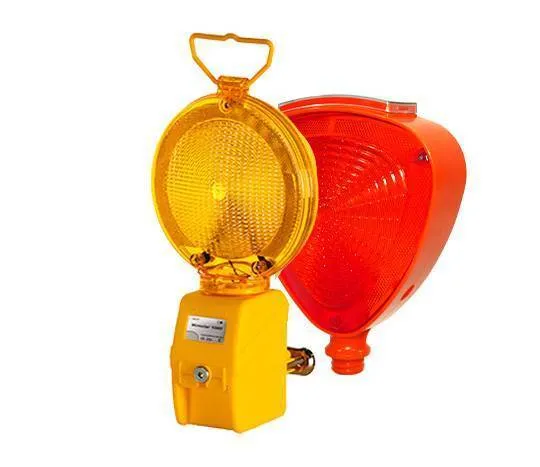
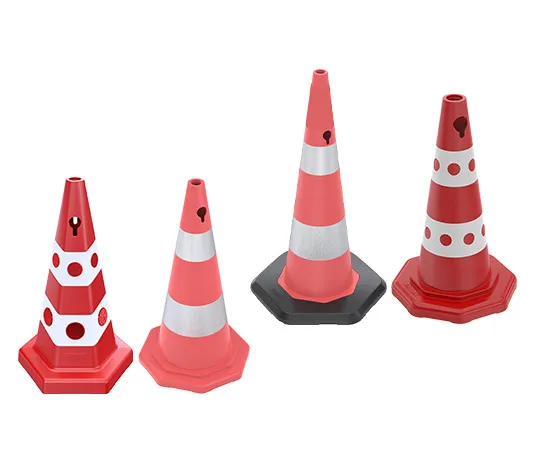
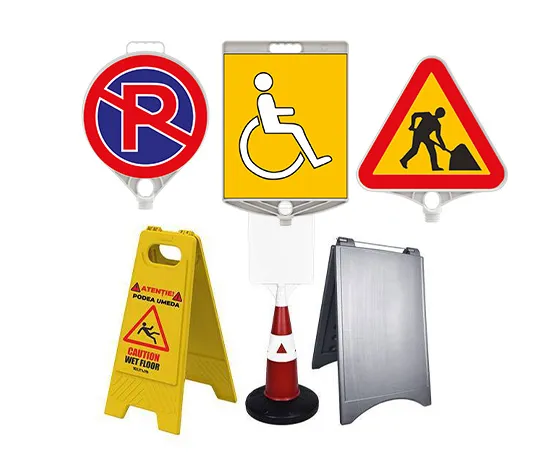
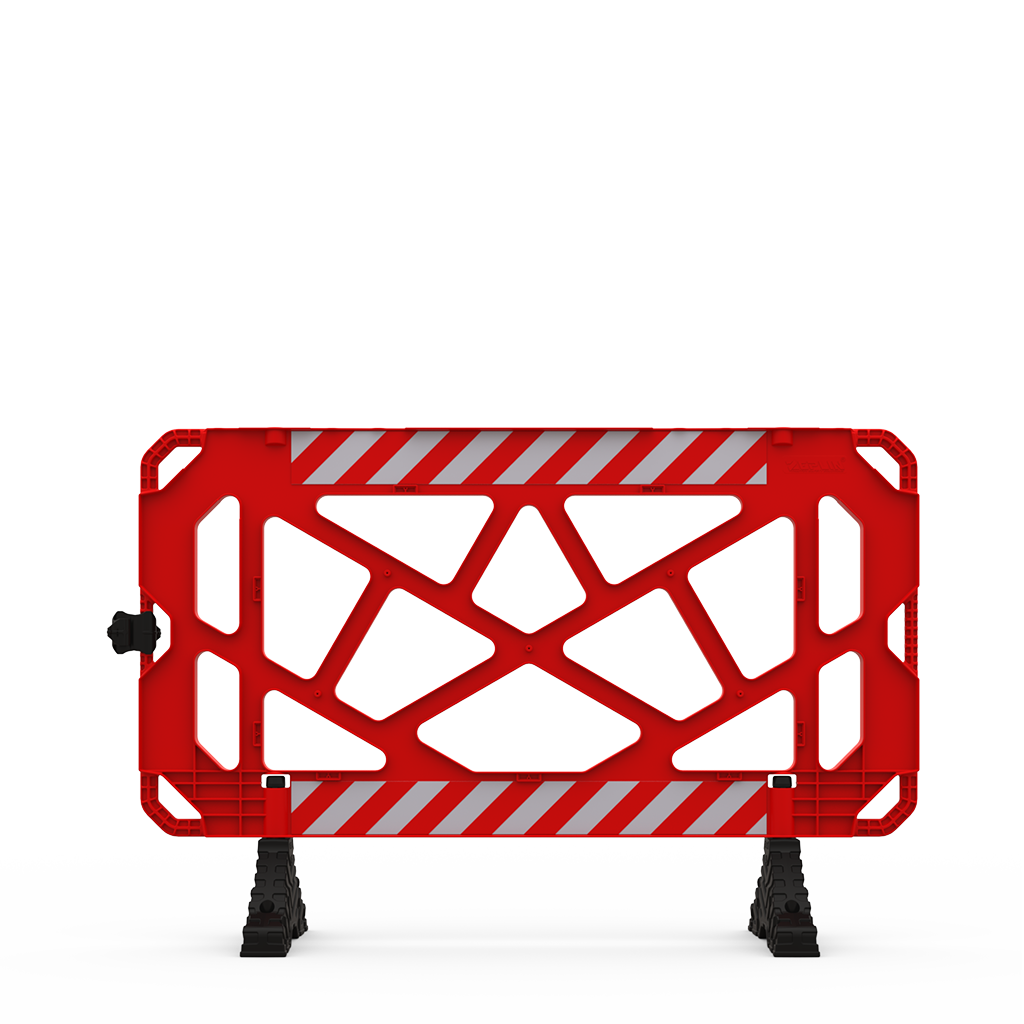
A traffic barrier is a temporary, portable device generally used in road work areas, at events, or in other situations where a temporary reorganization of traffic is necessary. These barriers are usually made from lightweight materials, such as plastic, and are equipped with reflective elements or flashing lights to be visible both day and night.
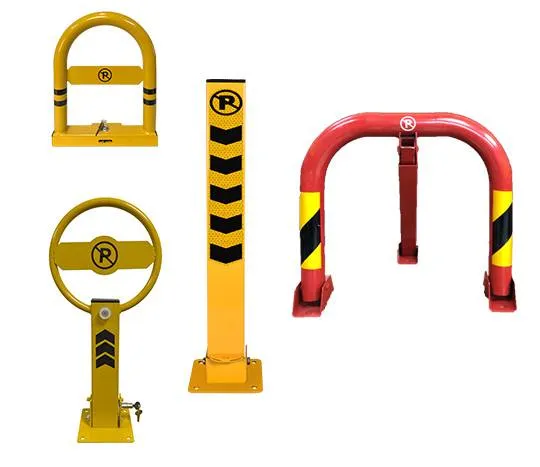
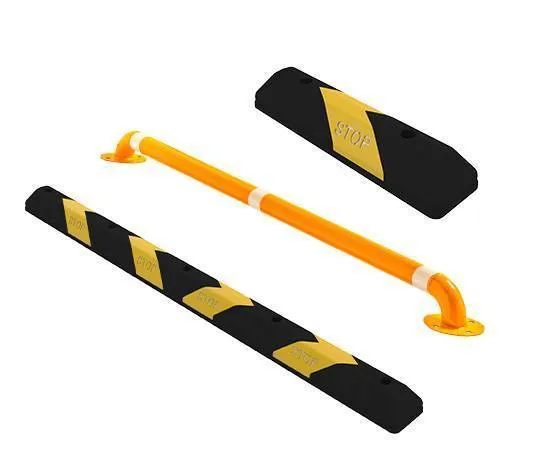
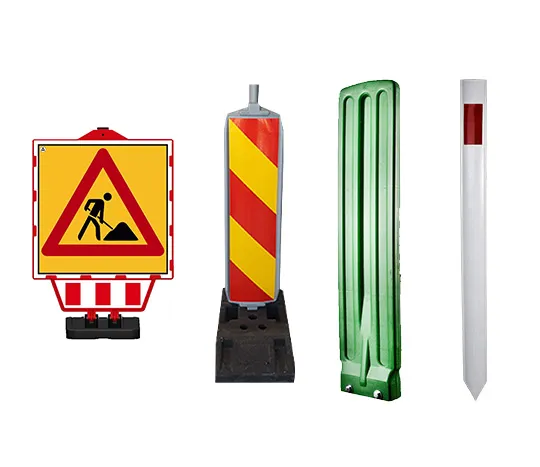
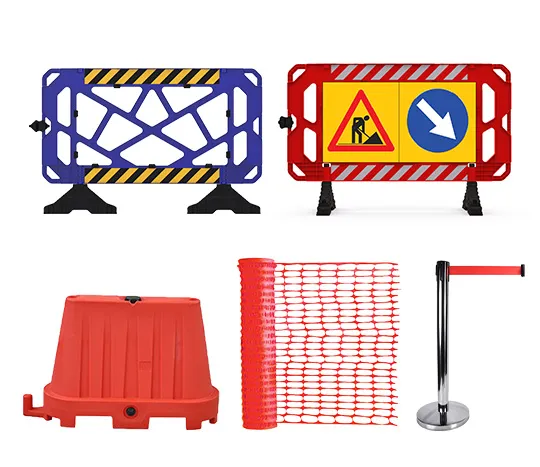
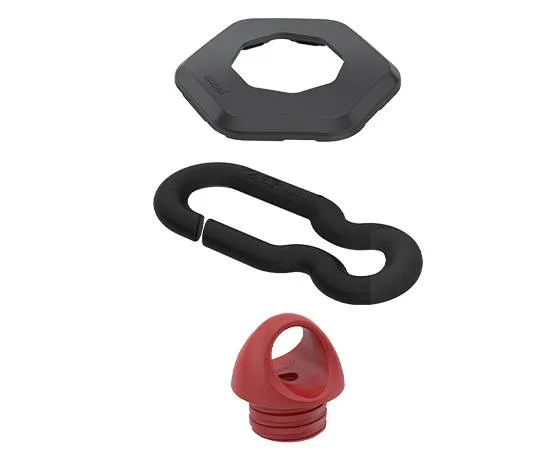
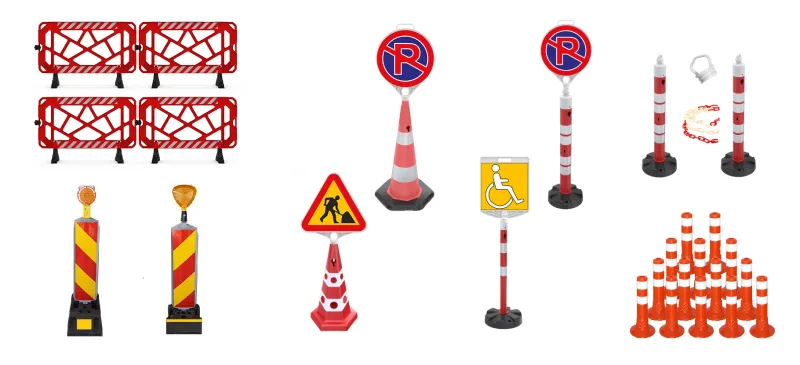
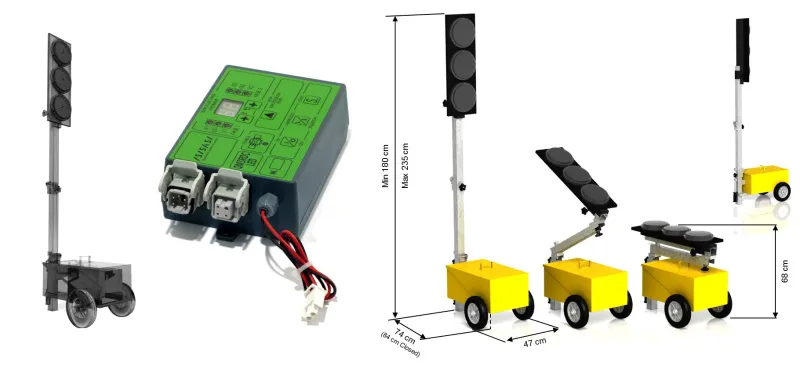
Best-Selling Traffic Barrier Products



The Materials Used to Manufacture Traffic Barriers
The materials used for manufacturing traffic barriers play an essential role in their effectiveness and durability. Here are some common materials used:
High-Density Polyethylene (HDPE): This material is commonly used due to its durability and resistance to extreme weather conditions. HDPE barriers are lightweight, making them easy to transport and install, yet robust enough to withstand minor impacts.
Polyethylene: Polyethylene is another popular material known for its flexibility and ability to withstand prolonged exposure to sun and rain. Polyethylene barriers are usually equipped with reflective elements, enhancing their visibility at night.
Steel or Aluminum: In some cases, traffic barriers may have a metal frame to provide additional stability, especially in strong winds or heavy traffic conditions. Steel and aluminum are used for their strength and ability to provide extra protection.
Uses of Traffic Barriers
Traffic barriers are extremely versatile and can be used in numerous contexts to enhance road safety:
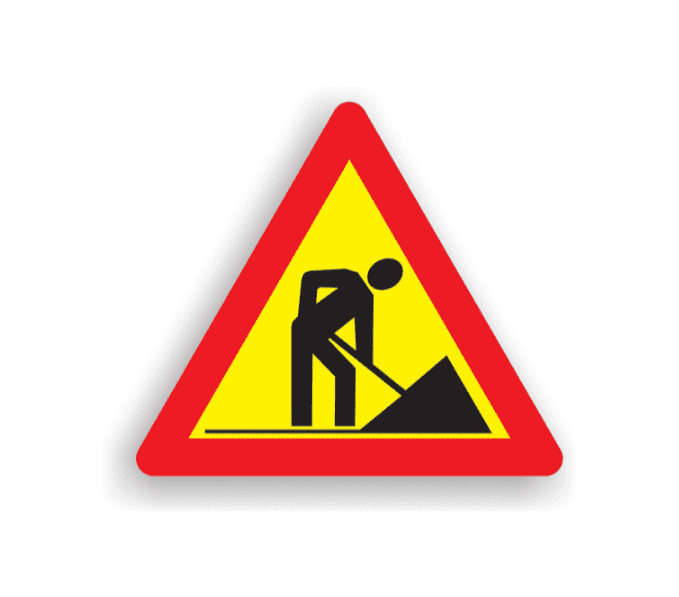
Work Zones: These barriers are essential in road work areas, where it is necessary to delineate the work space and redirect traffic. Barriers help prevent the accidental entry of vehicles into hazardous areas and protect both workers and drivers.
Public Events: During public events, such as parades or festivals, traffic barriers are used to control crowds and maintain an organized flow of people and vehicles.
Traffic Incident Management: Barriers are also used in the event of accidents or other traffic incidents to redirect traffic and create a safe perimeter around the affected area.
The Importance of Visibility
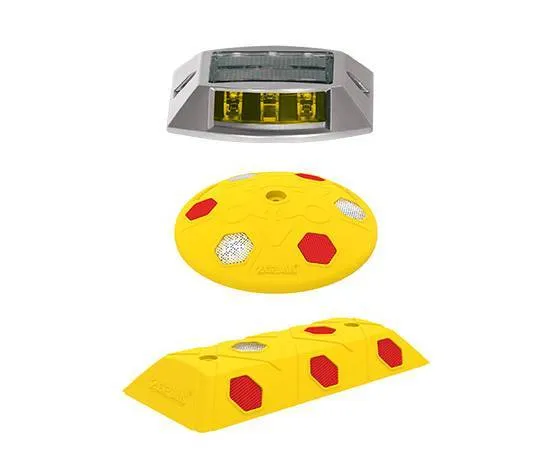
A crucial aspect of the effectiveness of traffic barriers is their visibility. Barriers are usually equipped with reflective strips or flashing lights, ensuring they are visible in any lighting conditions. Enhanced visibility helps drivers notice obstacles in time and adjust their behavior, thus preventing potential accidents.