
















Automatic Barriers: The Ideal Solution for Environmental Protection in Modern Parking Lots
In addition to their traditional role of controlling access and ensuring security, automatic barriers play an increasingly important role in environmental protection. In large cities, where pollution caused by exhaust emissions is a major issue, automatic barriers can help reduce waiting times and fuel consumption, thereby mitigating the negative impact on the environment.
Reducing Pollution and Easing Traffic
In crowded parking lots, automatic barriers can prevent congestion and long lines of cars idling with their engines running. This has a direct impact on emissions, as reduced waiting time means lower fuel consumption. How does this work?
Minimized Waiting Time: Modern automatic barriers operate quickly and efficiently, rising in a few seconds and allowing vehicles to enter and exit the parking lot without significant delays. This means fewer vehicles idling while waiting for access, thus contributing to reduced air pollution.
Intelligent Traffic Management Systems: Automatic barriers can be integrated with license plate recognition systems or other smart access technologies, allowing authorized vehicles to enter automatically. This eliminates the need for drivers to stop to use cards or tickets, easing traffic flow and reducing congestion.
Customized Scheduling: Depending on the needs of the area, barriers can be programmed to remain open during certain time periods, such as peak hours or when vehicle flow is extremely high. This optimizes traffic flow and minimizes pollution caused by stationary vehicles.
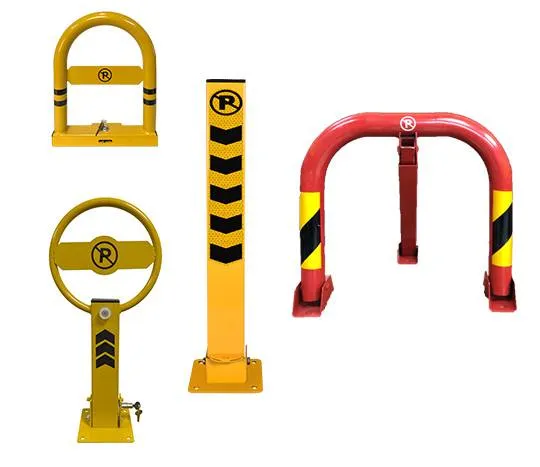
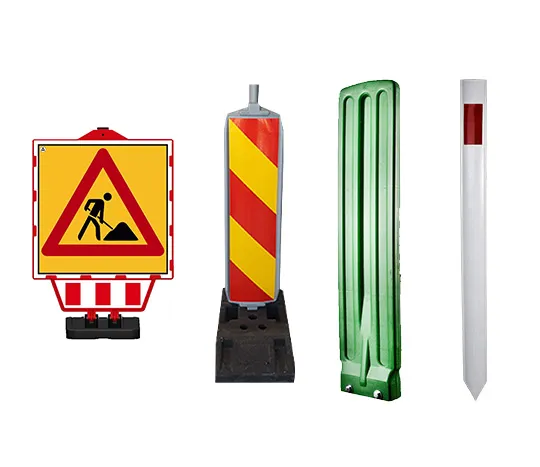
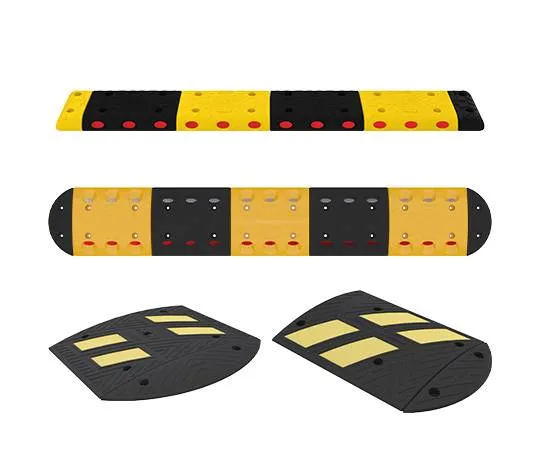
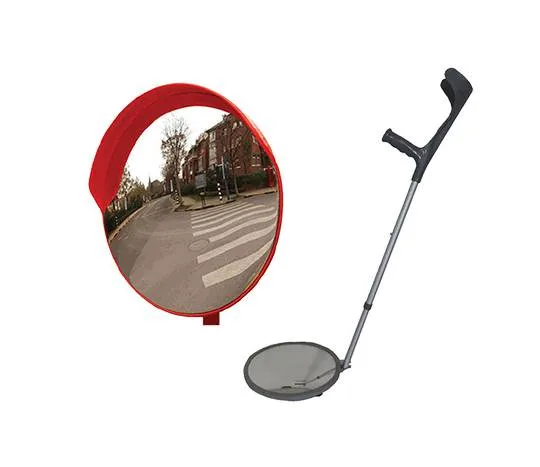
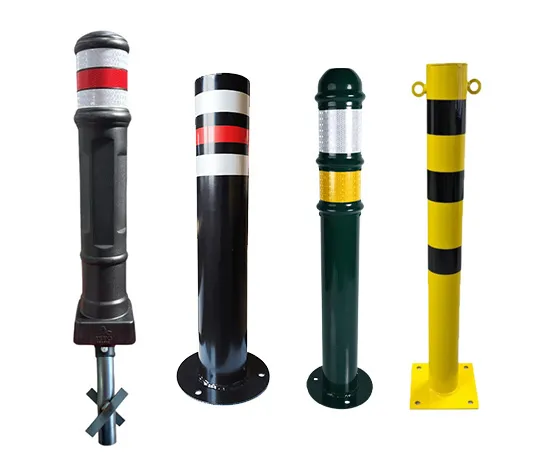
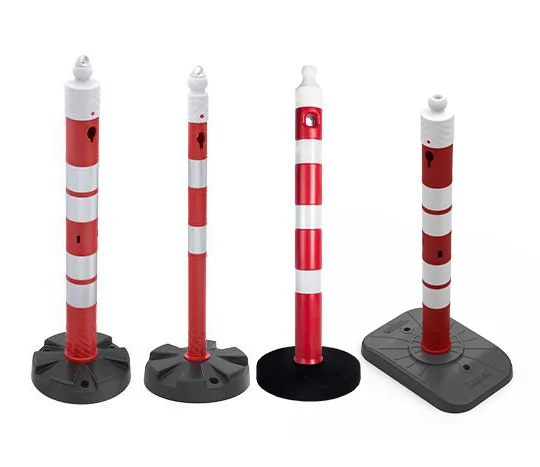
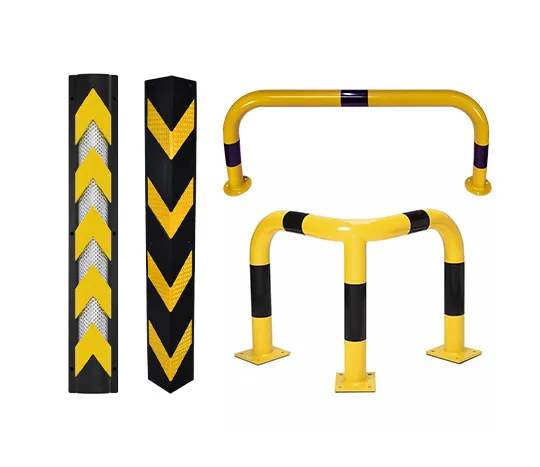
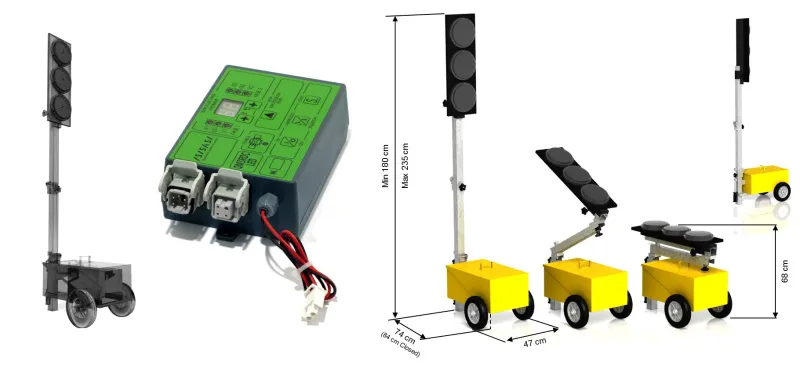
Best-Selling Barrier Products


Solar Barriers: A Sustainable Solution
With the growing concerns about the environment and energy consumption, many manufacturers have started developing solar-powered automatic barriers. These are an eco-friendly alternative to traditional barriers that require electricity from conventional sources. Among the benefits of this type of barrier are:
Reduction in Electric Energy Consumption: Solar barriers use renewable energy provided by the sun to operate, thus eliminating dependence on polluting energy sources. This contributes to reducing the carbon footprint of access control systems.
Lower Operating Costs: In the long run, solar barriers have lower operating costs as they do not require constant power supply from the electrical grid. This makes solar barriers an economical and sustainable solution for managing access in parking lots or other spaces.
Flexible Installation: Solar barriers can be installed in locations where electrical power supply is difficult or costly. For example, in large parking lots located far from the electrical grid, solar barriers provide a practical and eco-friendly solution.
Modern Technologies for Eco-Friendly Access Control
In addition to using solar energy, many modern automatic barriers are equipped with advanced technologies that reduce energy consumption and minimize environmental impact:
Proximity Sensors: Barriers equipped with proximity sensors detect the approach of a vehicle and rise automatically, without requiring any action from the driver. This not only saves time but also prevents the repeated starting and stopping of engines, thereby reducing gas emissions.
Integration with Eco-Friendly Transport Systems: In cities that promote eco-friendly transport, automatic barriers can be configured to provide quick and free access to electric or hybrid vehicles. This encourages the use of low-emission transport modes and encourages drivers to adopt more eco-friendly behavior.
The Contribution of Automatic Barriers to Green Urbanization
As cities expand and become increasingly crowded, urban infrastructure must adapt to meet the challenges of pollution and efficient management of public spaces. Automatic barriers play an essential role in this green urbanization process, contributing to:
Optimizing Parking Spaces: By controlling access and monitoring traffic, automatic barriers allow for more efficient use of parking spaces, reducing the time needed to find an available spot and, consequently, the emissions generated by searching for parking.
Promoting Eco-Friendly Transport: Smart cities use automatic barriers to create parking areas specifically designated for electric vehicles and to implement access systems that favor their use.
Conclusion
In conclusion, automatic barriers are not just a tool for access control, but also an important solution for environmental protection and pollution reduction. Modern technologies, such as solar power and proximity sensors, transform automatic barriers into an essential element of sustainable urban infrastructure. Their widespread implementation can significantly contribute to creating a cleaner and healthier environment in the cities of the future.