Iron Barriers in Urban Design and Functionality
Iron barriers are essential in urban structures, not only for their functional role but also for their aesthetic contribution to the arrangement of public spaces. In the context of rapid urbanization and increasing population density, iron barriers play a crucial role in traffic management, ensuring safety, and enhancing the aesthetic appearance of cities. This article explores the importance of iron barriers in urban design and their various functionalities.
The Role of Iron Barriers in Traffic Management
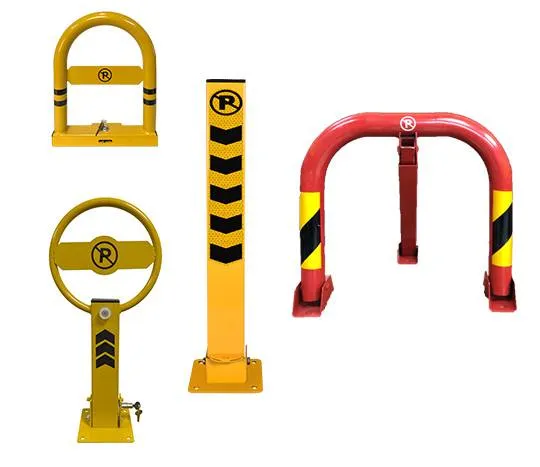
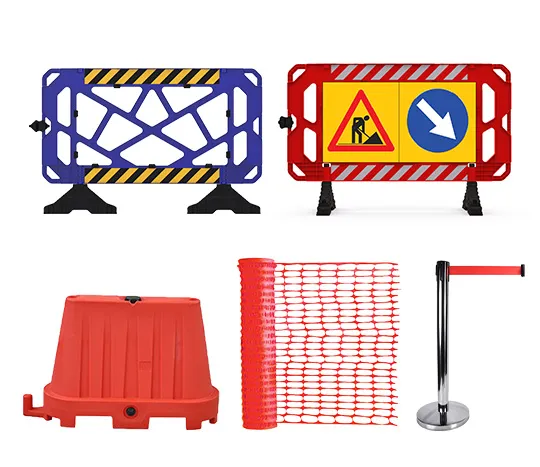
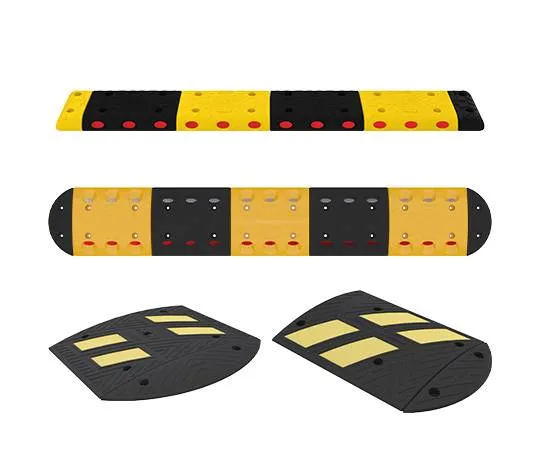
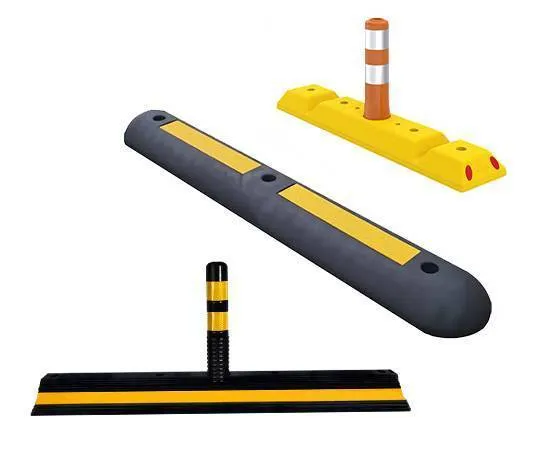
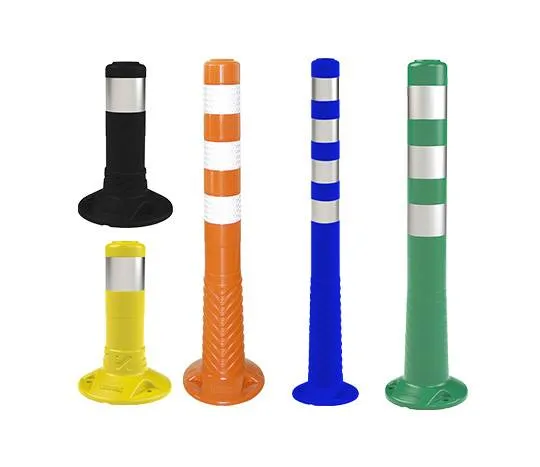
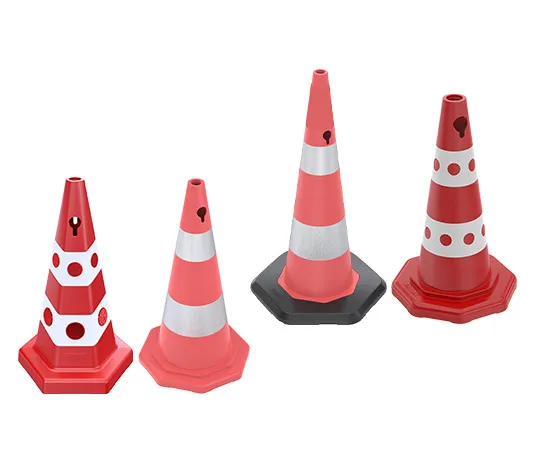
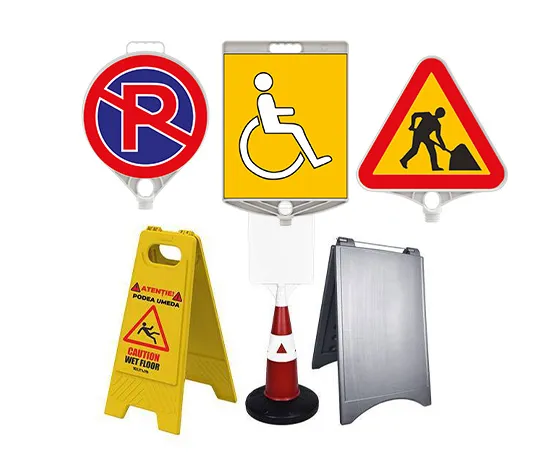
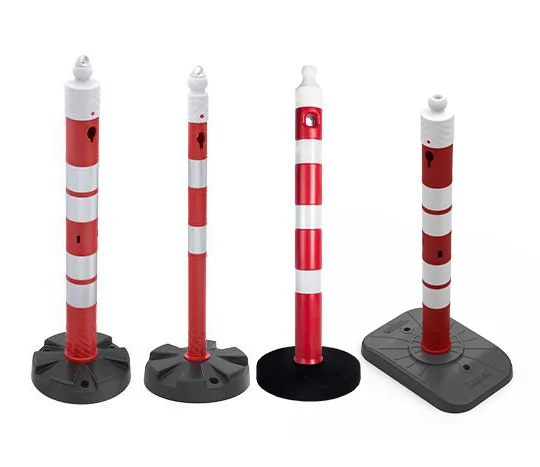
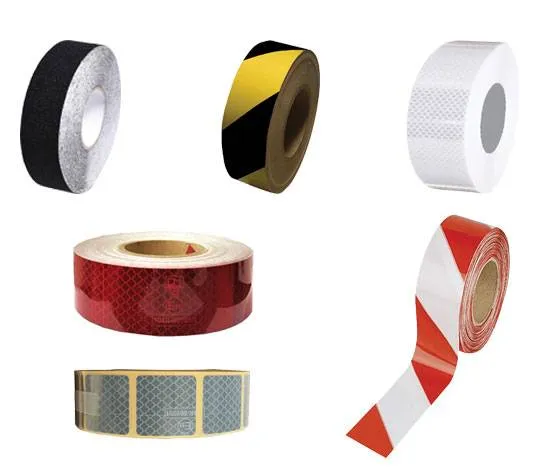
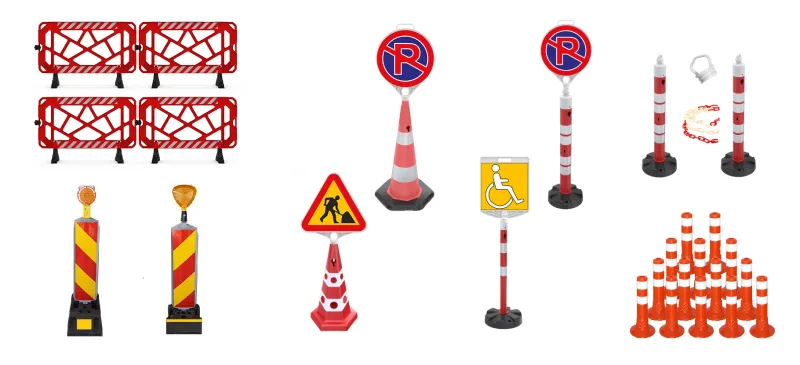
Iron barriers are frequently used to delineate traffic spaces and control the flow of vehicles and pedestrians. In crowded areas, such as shopping centers or large intersections, barriers help prevent unauthorized parking and maintain order. These barriers are often equipped with visible and reflective signs to ensure maximum clarity in low visibility conditions.
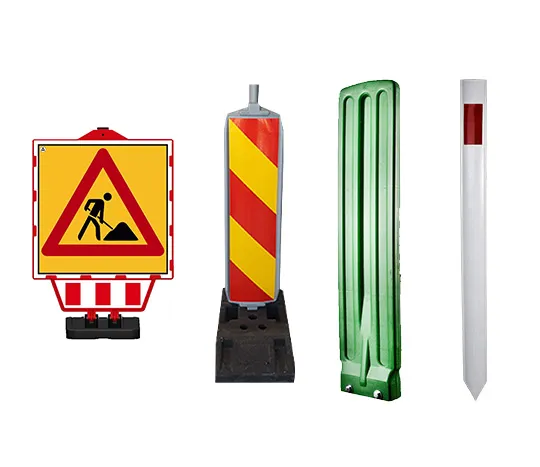
Additionally, iron barriers are essential in managing access to construction sites or areas with restricted traffic. They can prevent the entry of unauthorized vehicles and ensure that only permitted individuals have access. This functionality is particularly important in protecting equipment and personnel in construction projects or other work zones.
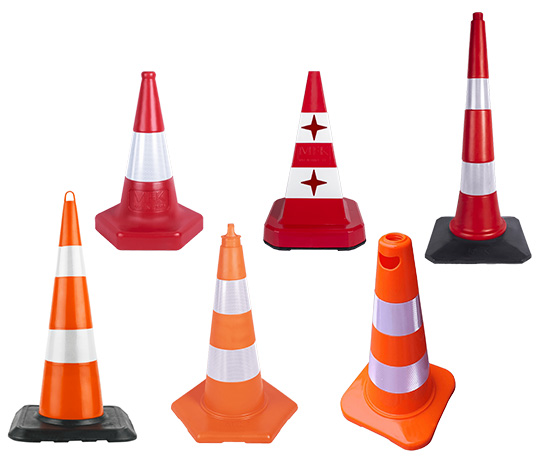
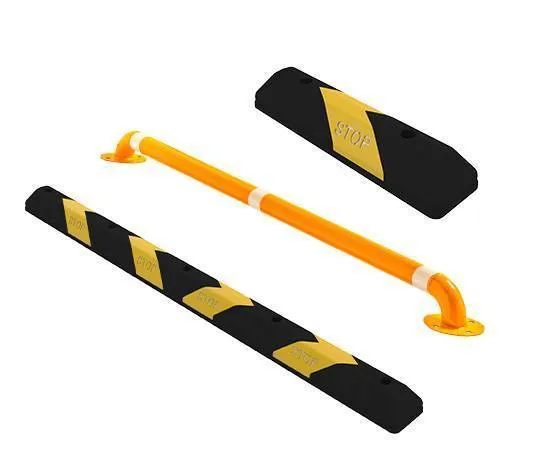
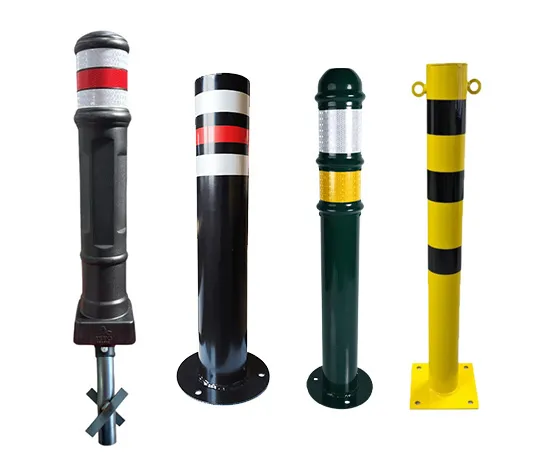
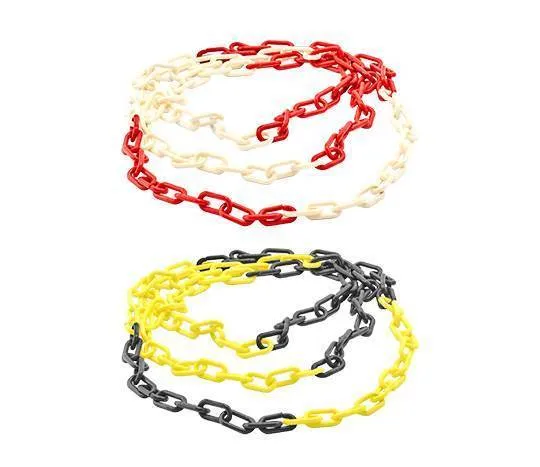
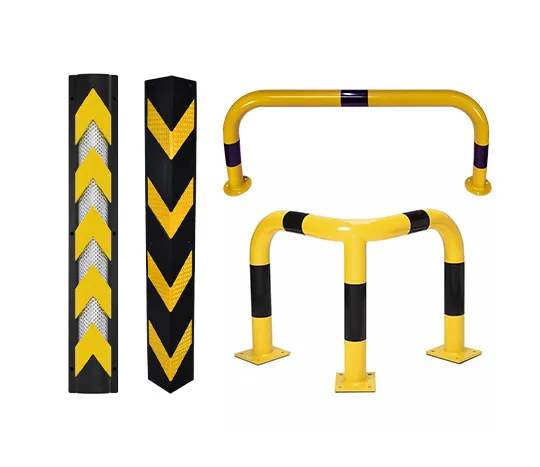
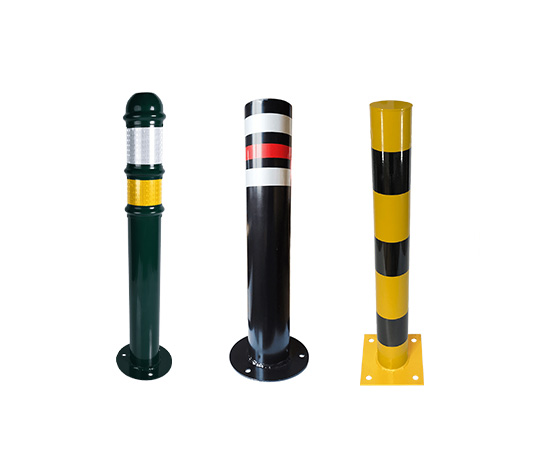
Best-Selling Iron Barrier Products
Public Safety and Protection of Spaces
In addition to traffic management, iron barriers significantly contribute to public safety. They can be used to prevent entry into hazardous areas, such as construction sites, areas with collapse risks, or areas with dangerous equipment. Barriers are often equipped with additional protective elements, such as safety nets or impact protection features, to minimize risks and ensure a safe environment for pedestrians and vehicles.
Moreover, in densely populated urban areas, iron barriers can be used to protect public spaces, such as parks or recreational areas, from vandalism or unauthorized access. These barriers help maintain a clean and orderly environment, thus reducing maintenance and repair costs.
Aesthetics and Urban Design
In addition to their practical functionality, iron barriers have a significant impact on urban design and the aesthetics of the city. Barriers can be customized to match the architectural style of the area and add a decorative element. In many cities, iron barriers are used to create a uniform and attractive appearance in public spaces, thus contributing to the overall image of the city.
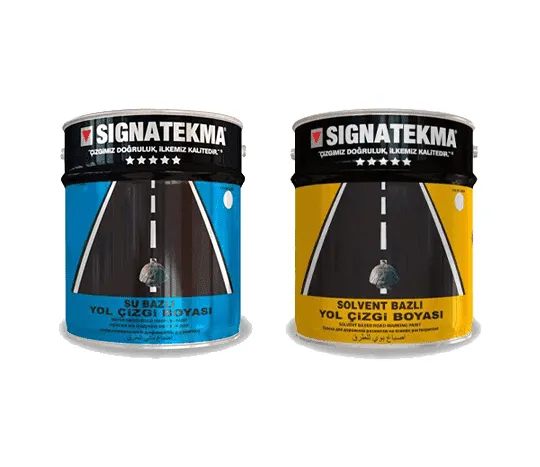
Iron barriers can be painted in various colors and finishes, allowing customization to fit urban design themes. They can also be adorned with artistic elements or engravings to reflect local culture and history. This aesthetic aspect is particularly important in tourist areas or historical centers, where barriers must complement and enhance the visual character of the area.
Durability and Maintenance
Another important aspect of iron barriers is their durability. Iron is a robust material that can withstand various weather conditions and long-term wear. Additionally, iron barriers are often treated to prevent corrosion and ensure a long lifespan. Regular maintenance, such as cleaning and repainting, can help maintain the aesthetic appearance and functionality of the barrier.
In conclusion, iron barriers are an essential element in urban design, providing both functionality and aesthetics. They contribute to traffic management, protect spaces, and enhance the visual appearance of the city. By integrating them into urban development projects, cities can benefit from a safer and more attractive infrastructure.