











Iron Barriers in Public Transport: Ensuring Safety and Efficiency
Public transport plays a crucial role in urban mobility, and iron barriers are a key element in ensuring passenger safety and operational efficiency. These barriers are used in various applications, from bus and tram stations to subway terminals, contributing to the creation of a safe and well-organized environment.
The Role of Iron Barriers in Public Transport
Access Control: Iron barriers are essential for controlling access in public transport stations. They help separate the flow of passengers from moving vehicles, reducing the risk of accidents. For example, in subway stations, barriers help prevent unauthorized access to the railway tracks.
Enhanced Security: In the context of security threats, iron barriers provide a physical barrier between passengers and potential external dangers. They can be equipped with monitoring systems and alarms to ensure constant surveillance.
Guidance and Organization: Barriers help organize the flow of passengers in stations, guiding them to boarding or waiting areas. This organization reduces congestion and contributes to a more pleasant experience for users.
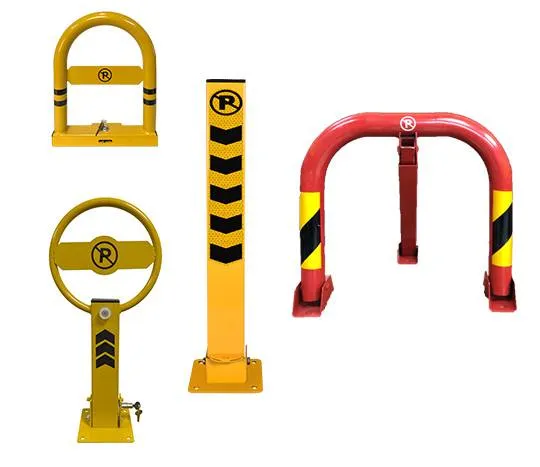
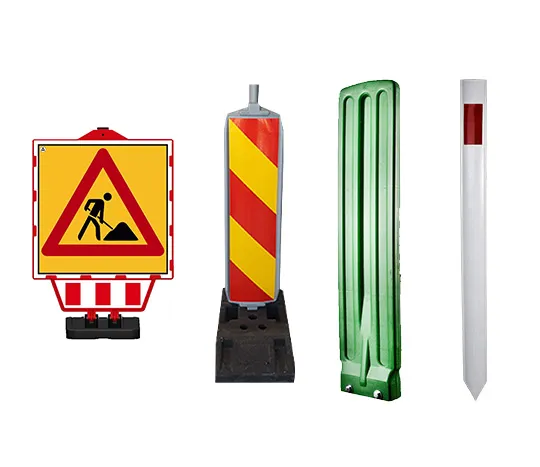
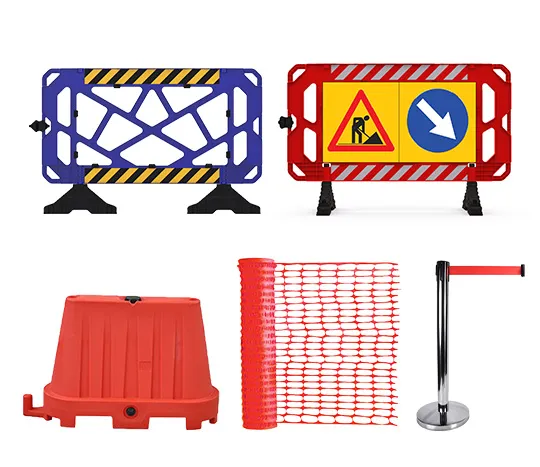
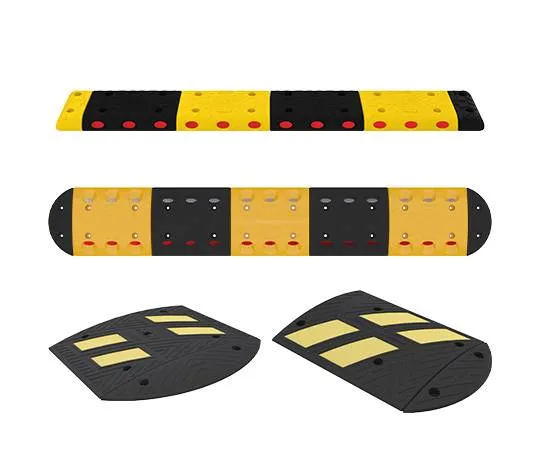
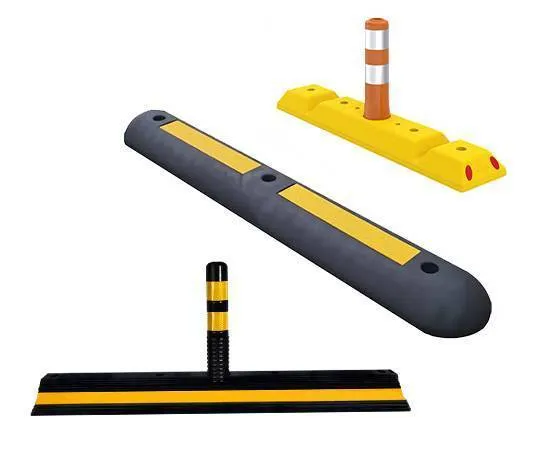
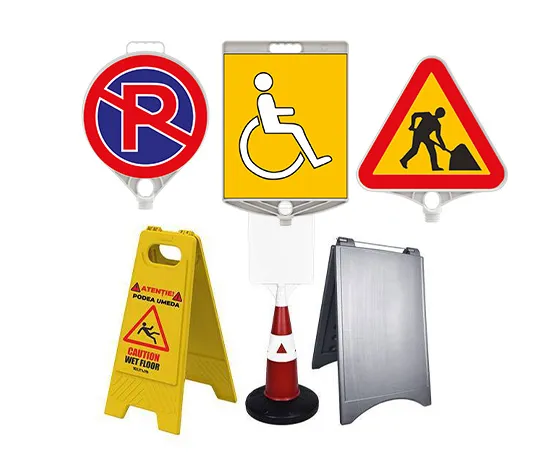
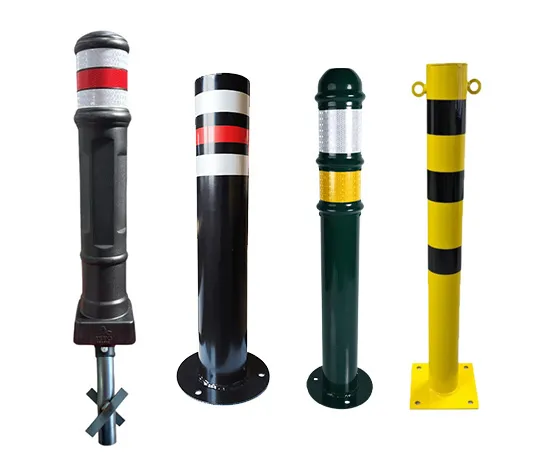
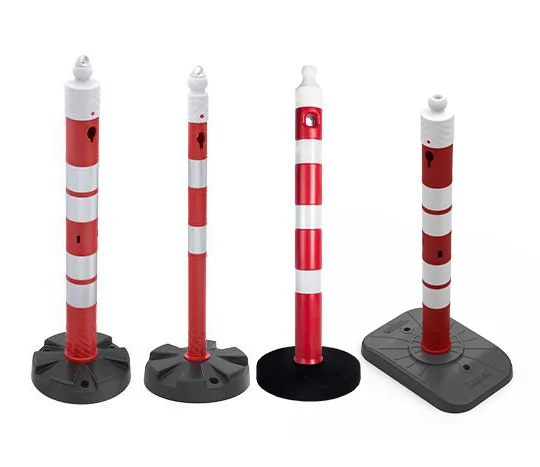
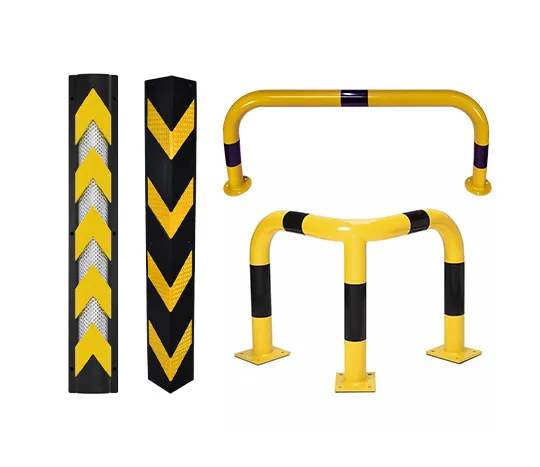
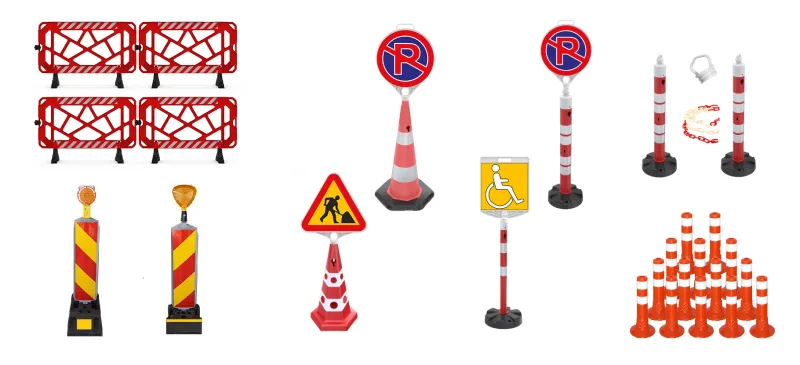
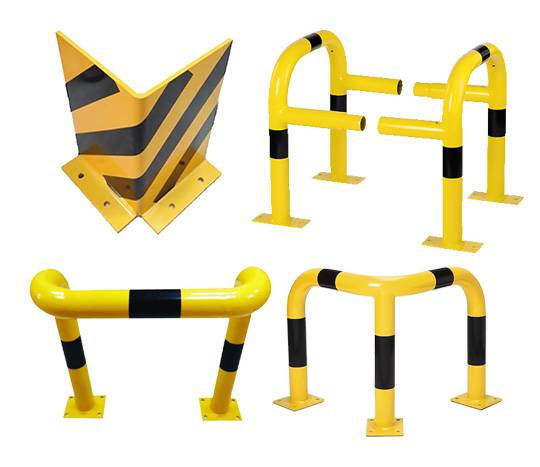
Best-Selling Iron Barrier Products
The Benefits of Using Iron Barriers in Public Transport
Durability: Iron barriers are extremely resistant to wear, capable of withstanding adverse weather conditions and the mechanical stresses of frequent use. This means that despite the initial costs, the investment pays off over time due to their durability.
Low Maintenance Costs: Compared to other materials, iron barriers require less long-term maintenance. Once installed, they can last for years without needing significant repairs.
Aesthetic Appeal: Iron barriers can be customized according to the design of public transport stations. They can be painted in different colors or have a specific design that harmoniously integrates into the urban landscape.
Iron Barriers in Bus and Tram Stations
In bus and tram stations, iron barriers play a vital role in ensuring passenger safety. They help separate waiting areas from vehicle circulation areas. Additionally, they contribute to managing passenger flow during peak times, ensuring that all users have easy and safe access to public transport.
Marking Boarding Lines: Barriers can be used to mark boarding lines, clearly indicating where passengers should wait. This not only improves organization but also reduces the risk of accidents.
Reducing Congestion: By delineating waiting areas, iron barriers help prevent passenger overcrowding. This is particularly important during peak hours when the number of users significantly increases.
Conclusion
Iron barriers are an indispensable element in public transport, having a direct impact on the safety and efficiency of operations. Through access control, ensuring security, and organizing passenger flow, they contribute to creating a safer and more pleasant transport environment. In a constantly changing world, investing in quality iron barriers is not just a practical choice but also an essential one for developing a modern and efficient public transport system.