

Iron Barriers: An Eco-Friendly Solution for the Security and Organization of Public Spaces
In the current context, the concern for eco-friendly and sustainable solutions is becoming increasingly important, even in the field of infrastructure and urban planning. Iron barriers, frequently used in parking lots, roads, and public spaces, are not only an essential element for security and organization but also an effective eco-friendly option. In this article, we will focus on how iron barriers contribute to environmental protection and promote sustainable urban development.
1. Recyclable and Durable Materials
Iron is a material known for its durability, but also for being 100% recyclable. This aspect makes iron barriers an excellent eco-friendly option. When barriers reach the end of their life cycle, they can be recycled and reused, thus reducing waste and environmental impact. Recycling iron helps save natural resources and reduces carbon dioxide emissions, as the recycling process requires less energy compared to producing new iron.
2. Reducing the Need for Maintenance and Replacement
Iron barriers are extremely durable and can withstand extreme weather conditions without deteriorating quickly. This durability reduces the frequency of maintenance and replacement, helping to minimize the resources needed for these processes. The longer a product lasts, the smaller its environmental impact, as the need to produce and transport new products is reduced.
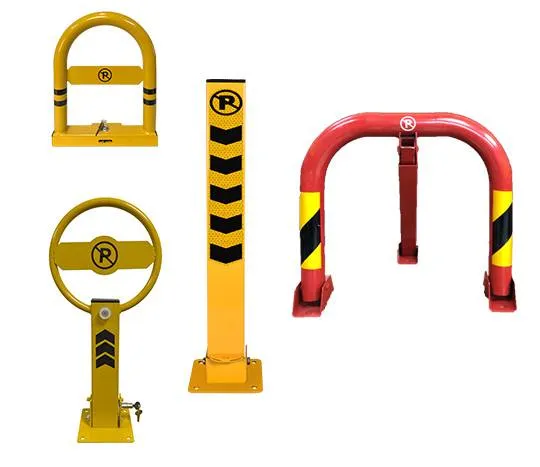
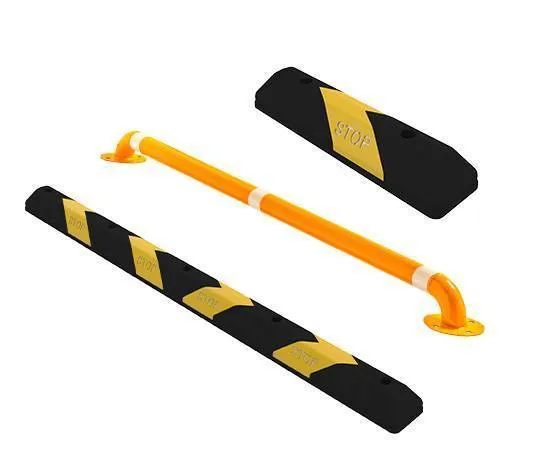
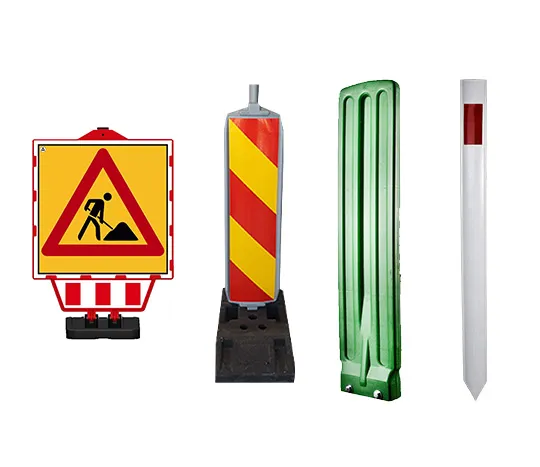
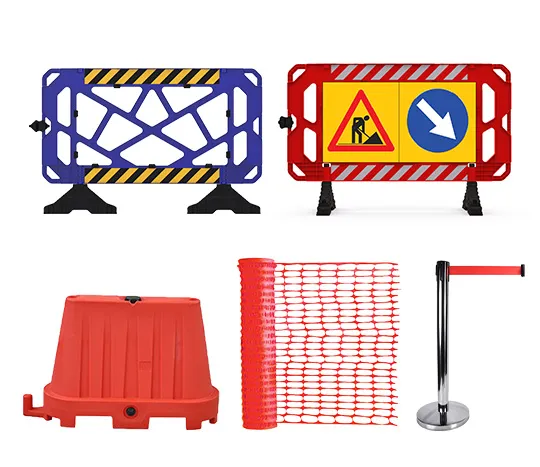
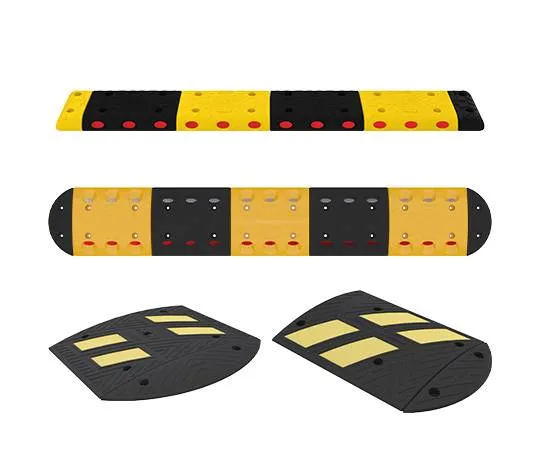
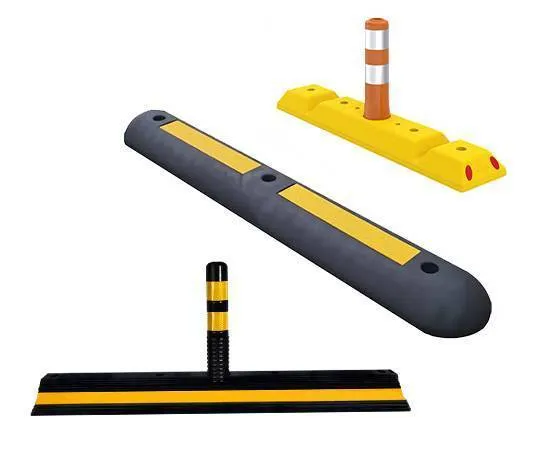
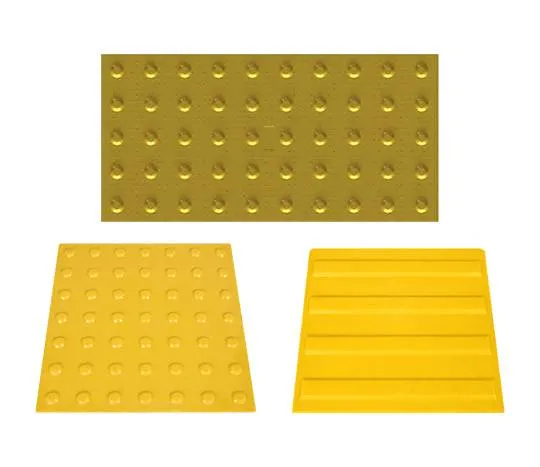
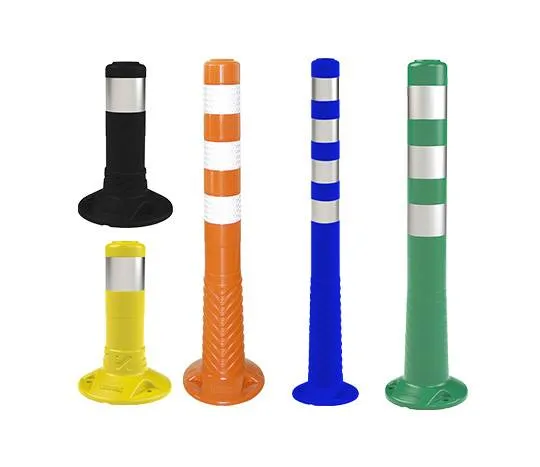
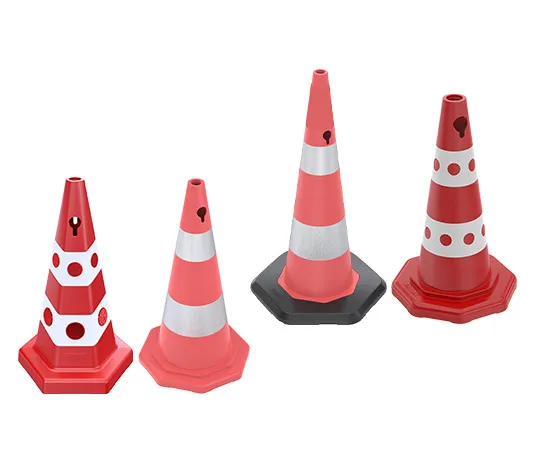
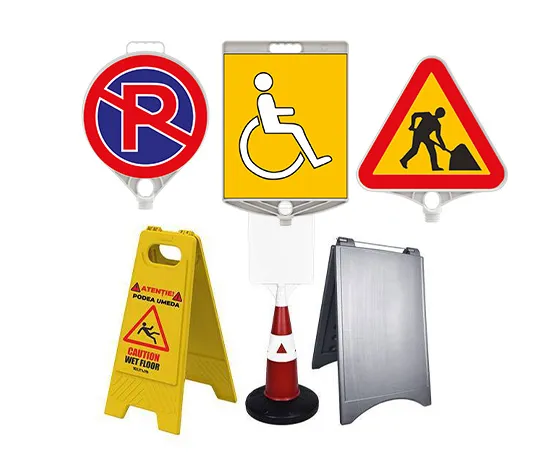
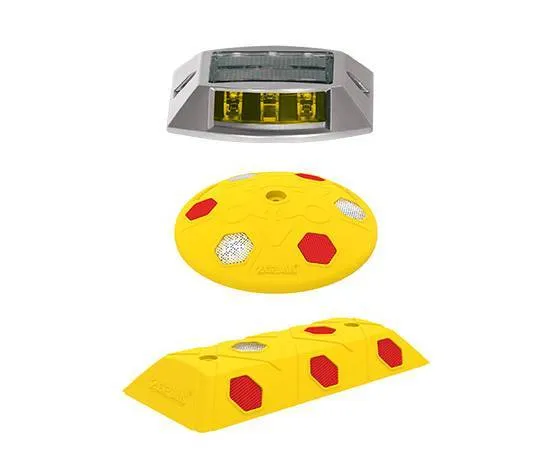
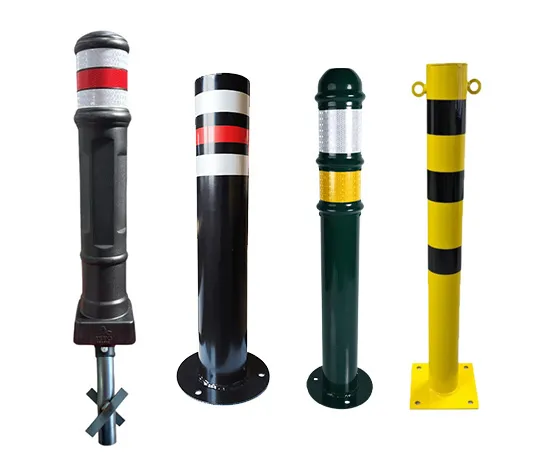
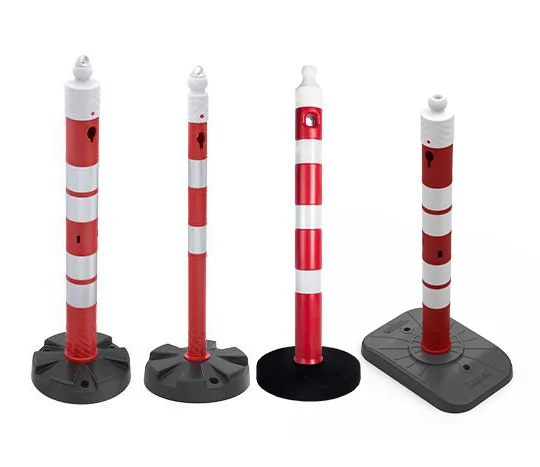
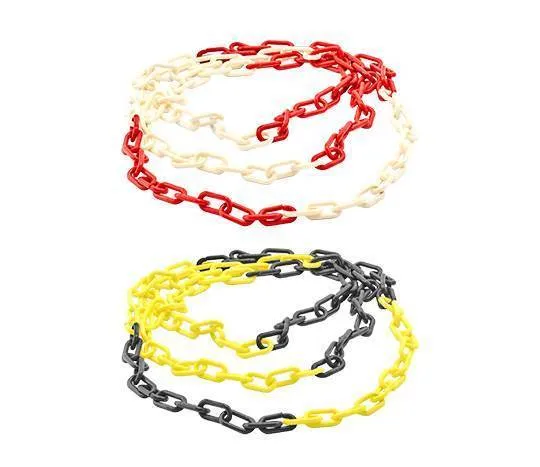
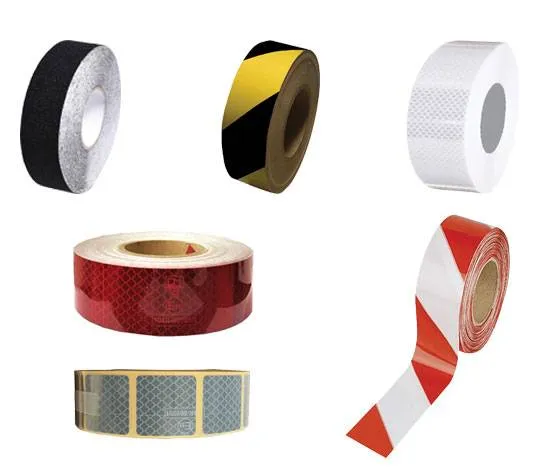
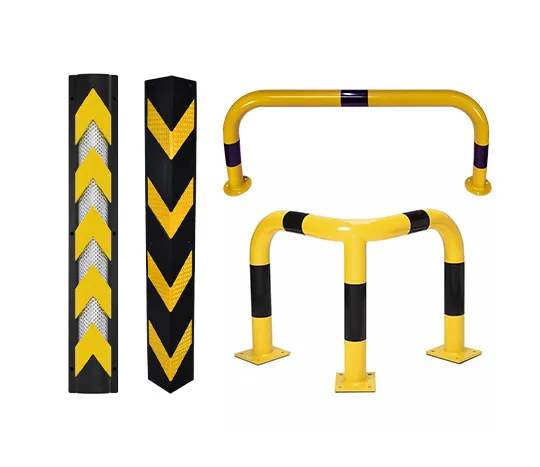
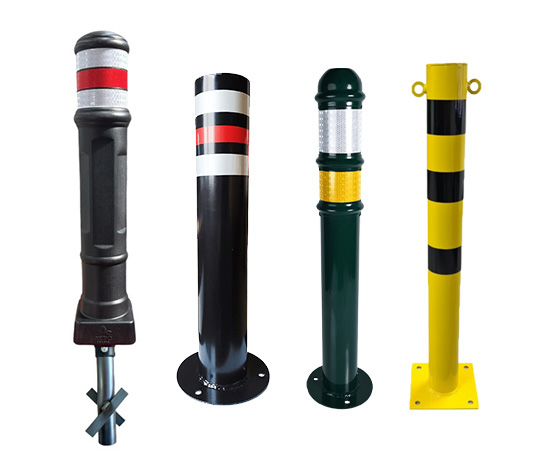
Best-Selling Iron Barrier Products
3. Durability Against External Factors
One of the key features of iron barriers is their resistance to corrosion and deterioration. The barriers are treated with special protective layers against rust and other forms of damage. This ensures that the barriers maintain their structural integrity over a long period, reducing the need for frequent maintenance and replacement. Thus, they contribute to environmental protection by reducing waste and resource consumption.
4. Contribution to Sustainable Urban Aesthetics
Iron barriers are not only functional but can also contribute to sustainable urban aesthetics. They can be painted in colors that harmoniously integrate into the urban landscape or can be customized with various patterns and designs that complement the city's aesthetics. Additionally, by using iron barriers, the need for other materials, often less durable and more harmful to the environment, is reduced.
5. Reducing Impact on Ecosystems
By using iron barriers, the impact on local ecosystems can be reduced. Unlike construction materials that may require extensive natural resources or may release toxic substances into the environment, recyclable and ecologically treated iron minimizes these risks. For example, by using iron barriers, the use of single-use plastics or other materials that contribute to soil and water pollution can be avoided.
6. Integration into Sustainable Urban Development Projects
In urban development projects, iron barriers can be integrated into a broader sustainability strategy. They can be used in conjunction with other eco-friendly solutions, such as solar lighting or rainwater management systems. By taking a holistic approach to urban development, it is possible to contribute to creating public spaces that are not only functional and safe but also eco-friendly and sustainable.
Conclusion
Iron barriers represent an eco-friendly and sustainable solution for managing public spaces. By using recyclable materials, reducing the need for frequent maintenance, and contributing to urban aesthetics, they provide not only security and organization but also a positive impact on the environment. By integrating iron barriers into infrastructure and urban development projects, cities can take significant steps towards a more sustainable and environmentally friendly future.