



Iron Barriers: Safety and Access Control in Public and Private Spaces
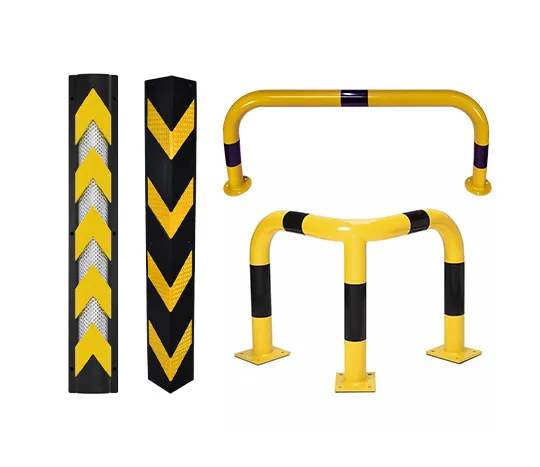
Iron barriers represent a robust and effective solution for access control and delineation of areas in both public and private spaces. Used in parking lots, industrial zones, commercial spaces, and even in private residences, these barriers provide a superior level of security and durability. In this article, we will explore the different types of iron barriers and the advantages they bring in managing access and protecting properties.
The Role of Iron Barriers in Access Control
Iron barriers are designed to restrict or allow access for vehicles and pedestrians into a specific area. They are essential for preventing unauthorized intrusions and ensuring efficient traffic management. In large parking lots, for example, iron barriers are used to control entrances and exits, providing a degree of protection against uncontrolled access.
In commercial or industrial areas, iron barriers are used to delineate sensitive sectors, ensuring that only authorized persons or vehicles can enter. These solutions are often integrated with electronic access control systems, such as access cards or proximity sensors, making them extremely effective in managing traffic and security.
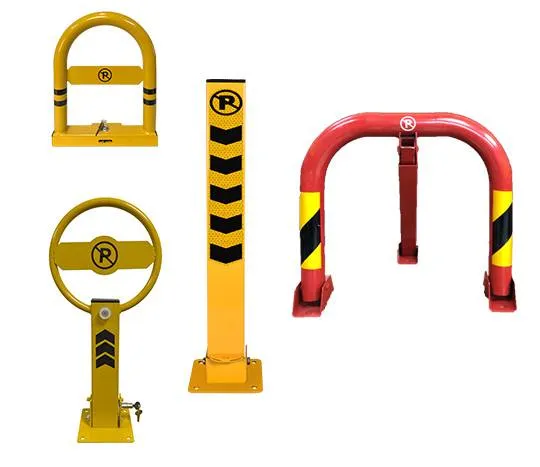
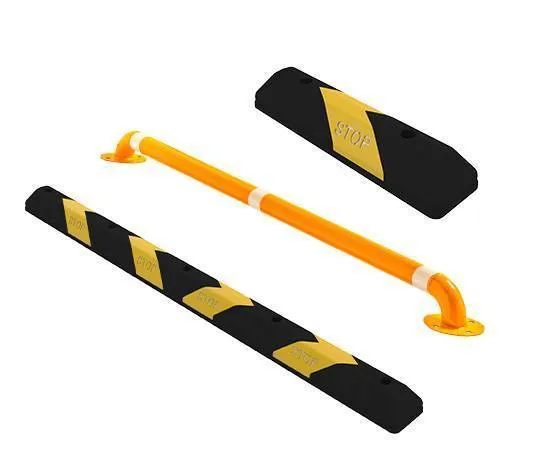
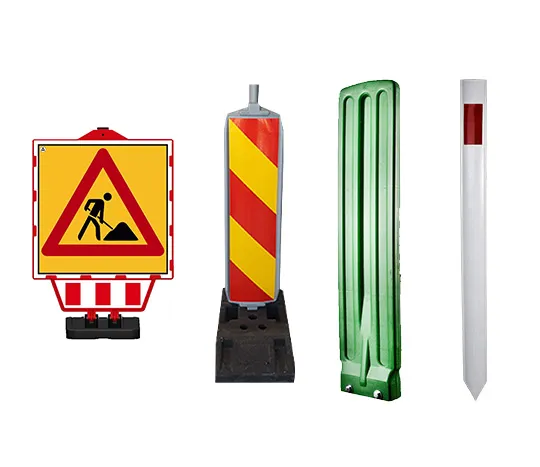
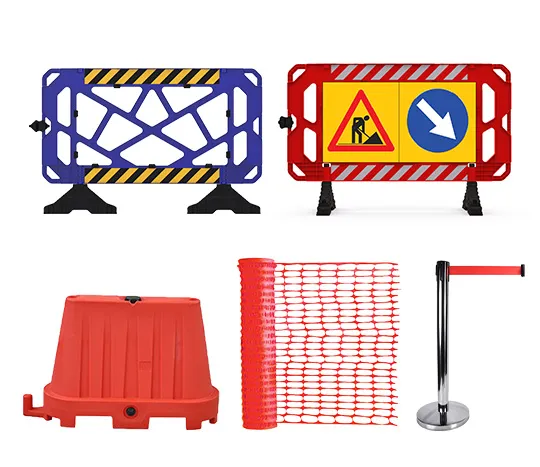
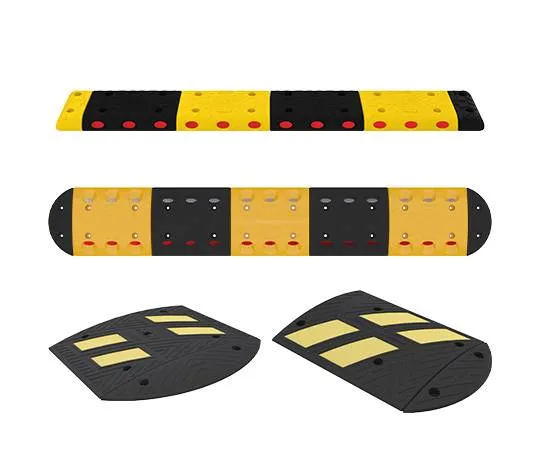
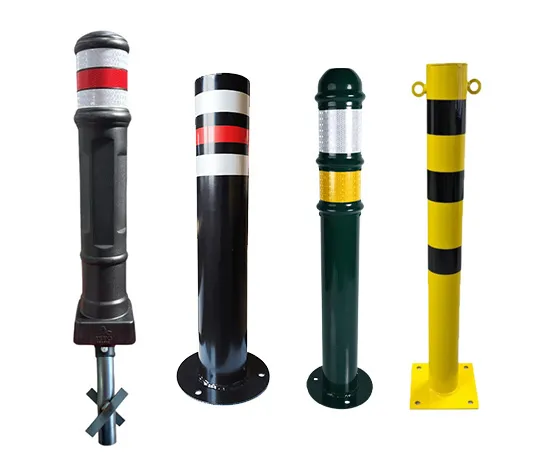
Best Selling Iron Barrier Products
Types of Iron Barriers
There are several types of iron barriers, each with specific uses depending on needs:
Manual Barriers: These barriers are manually operated and are often used in parking lots or areas where access control is not very frequent. Although they do not offer the automation of electric barriers, manual iron barriers are a more economical option and are very effective in smaller spaces or areas with low traffic flow.
Electric Barriers: Electric iron barriers are automatically operated, usually through an electric mechanism that allows for the rapid raising and lowering of the barrier. These barriers are ideal for high-traffic areas, such as public parking lots or entrances to residential complexes. They can be integrated with access control systems to allow entry only for authorized vehicles.
High-Security Iron Barriers: These types of barriers are designed to provide a high level of security and are used in sensitive locations, such as military bases, airports, or industrial plants. They are constructed from extremely durable materials and are capable of stopping even high-speed vehicles attempting to force entry.
Iron Barriers: Safety and Access Control in Public and Private Spaces
Advantages of Using Iron Barriers
Durability: Iron is known for its strength, making iron barriers extremely durable and capable of withstanding harsh environmental conditions. Whether used outdoors or indoors, these barriers can handle intensive use and varying weather conditions, such as rain, snow, or extreme temperatures.
Increased Safety: Iron barriers provide a superior level of security compared to other types of barriers due to their strength. They are difficult to breach or damage, making them an ideal choice for protecting areas that require enhanced security.
Adaptability: Whether for parking lots, industrial zones, or residential spaces, iron barriers can be adapted to meet a wide range of needs. They can be customized according to the specific dimensions and requirements of each location.
Conclusion
Iron barriers represent an effective solution for access control and securing public and private areas. Due to their durability and ability to provide a high level of protection, they are a popular choice for various applications, from parking lots to high-security industrial installations. Investing in an iron barrier not only provides safety but also ensures efficient management of access and traffic.