Iron Barriers in Urban Heritage: The Combination of Functionality and Aesthetics
Iron barriers are more than just simple functional structures intended for security and access control. In recent decades, these elements have gained particular importance in urban planning projects, where they are used not only to delineate spaces but also to add aesthetic and cultural value to the urban landscape. For this reason, the role of iron barriers in modern cities has evolved, harmoniously combining aesthetics with functionality.
Iron barriers and urban heritage
In many European cities, iron barriers are a symbol of history and local craftsmanship tradition. Blacksmiths have left their mark on local architecture, creating barriers that not only protected buildings and public spaces but also beautified them. Such barriers can be found in historic parks and gardens, at the entrances of public buildings, or on pedestrian streets, contributing to the unique charm of the cities.
Preservation of traditions: In the context of protecting cultural heritage, many cities preserve and restore old iron barriers, considering them an integral part of their architectural legacy. Whether it is about wrought iron fences surrounding a historic public garden or barriers that delineate the courtyards of old houses, they represent a distinctive element of urban identity.
Restoration and reuse: Iron barriers in historic areas are often restored to maintain their original appearance but are modernized to meet current safety standards. These restoration projects offer a combination of old and new, contributing to the preservation of the city's beauty and authenticity.
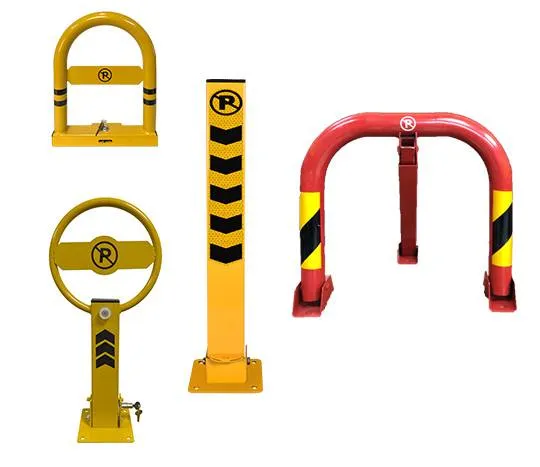
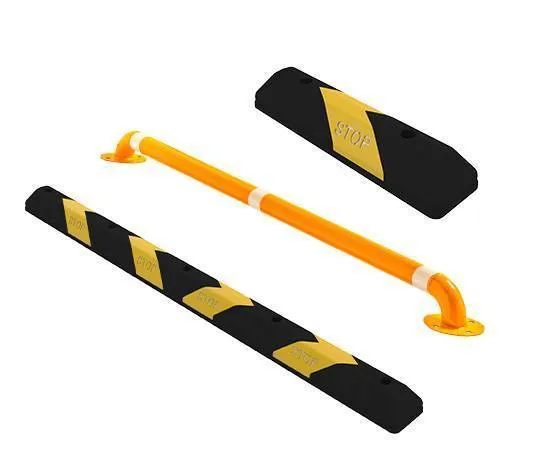
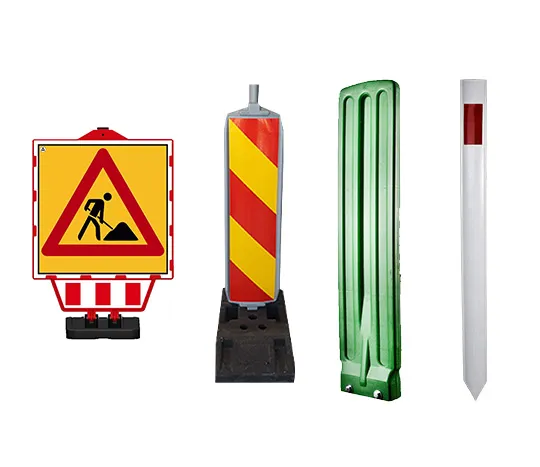
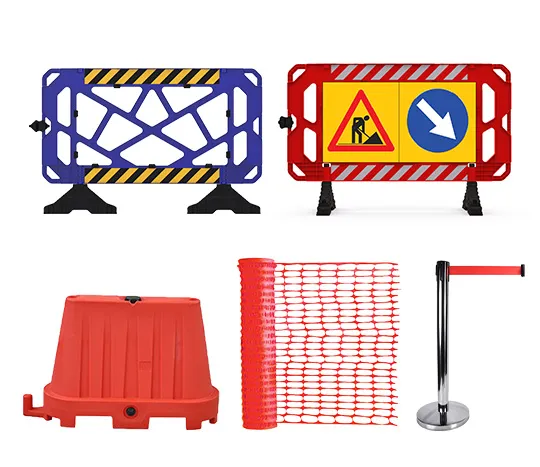
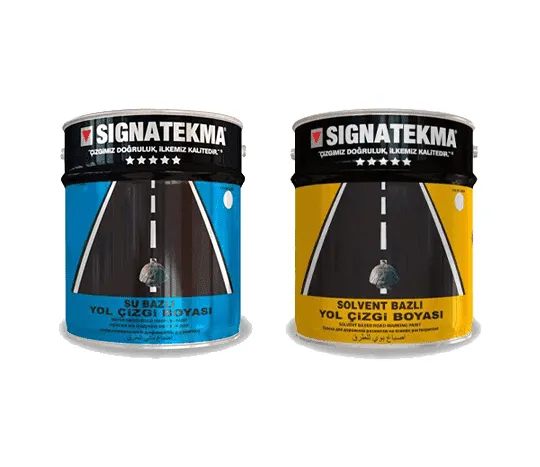
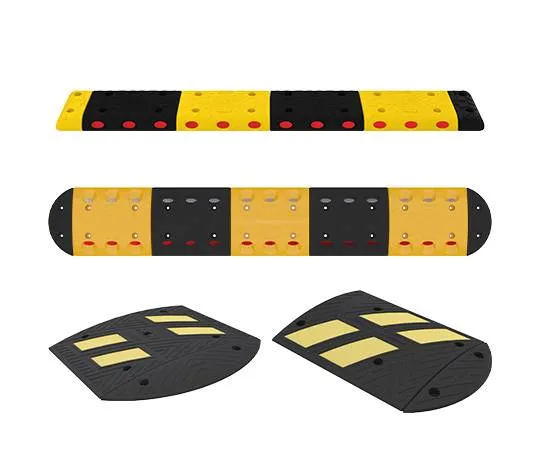
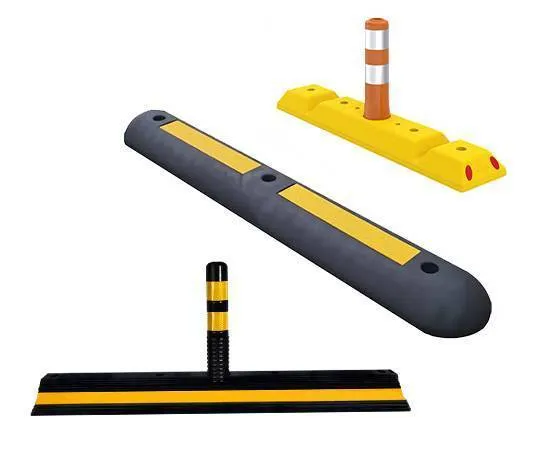
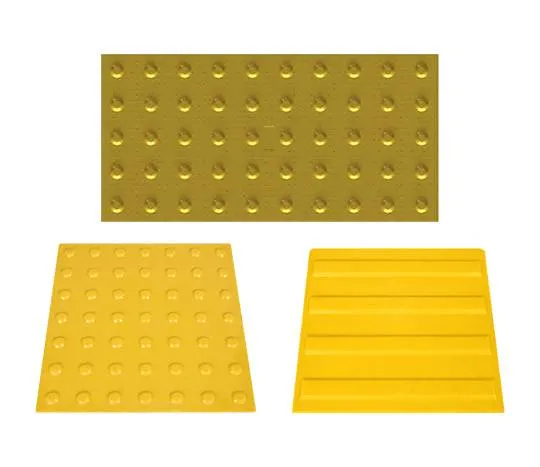
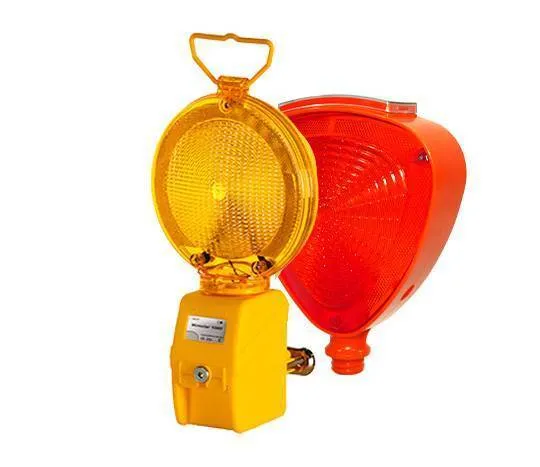
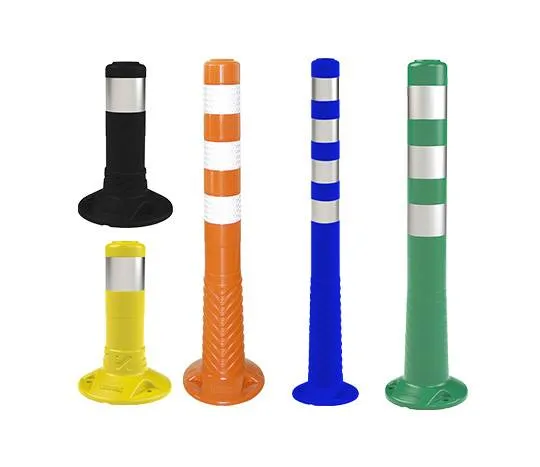
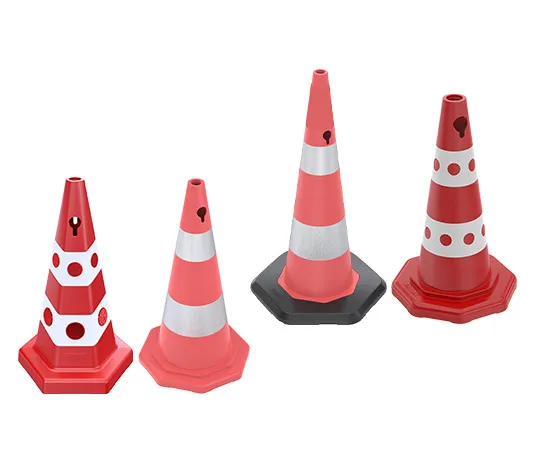
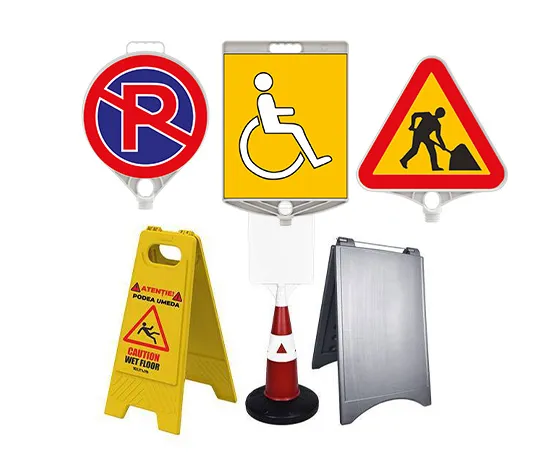
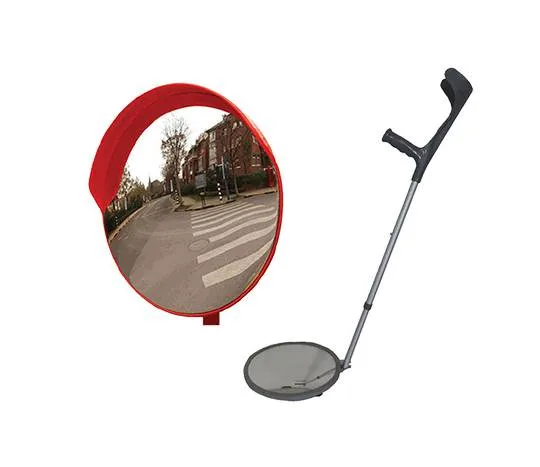
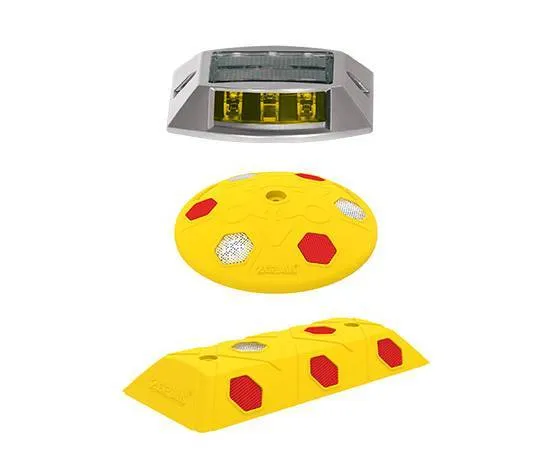
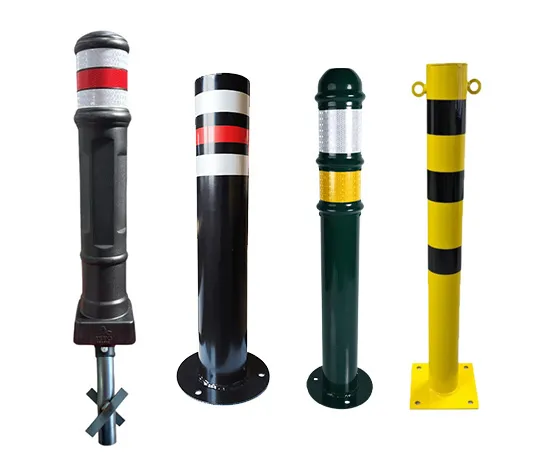
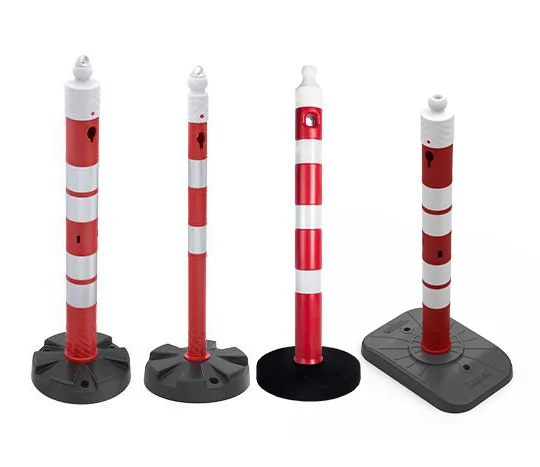
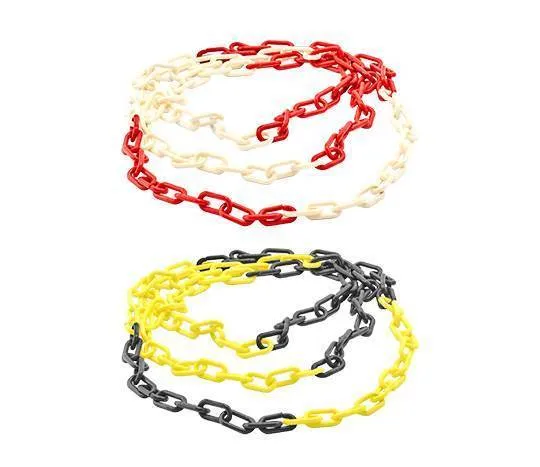
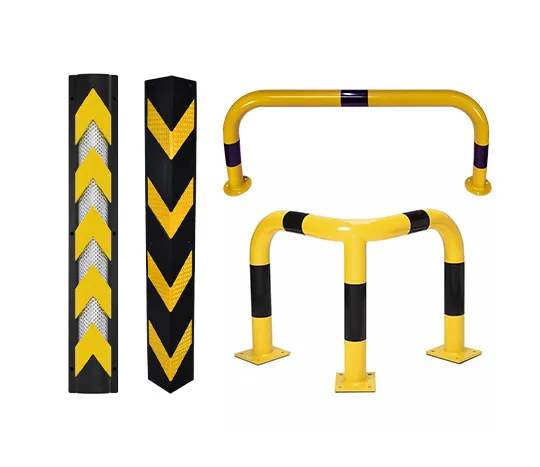
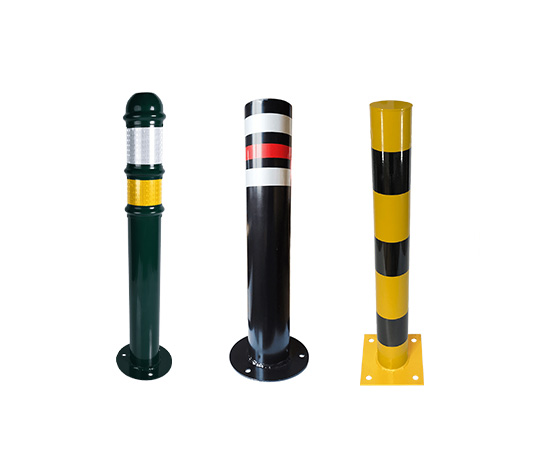
Best Selling Iron Barrier Products
Functionality and Design in the Modern Urban Environment
In modern cities, iron barriers have adopted an innovative design, adapted to new security and urban mobility requirements. They are used to control traffic flow, to protect pedestrians, and to delineate public spaces from private ones. Moreover, many modern barriers are designed with an emphasis on aesthetics, thus contributing to the visual enhancement of public spaces.
Delineating public spaces: Iron barriers are used to delineate pedestrian areas from roads intended for vehicles, providing a visible and durable barrier. For example, in major cities, barriers are placed in crowded areas, such as squares and central boulevards, to protect pedestrians from vehicle traffic and to maintain order in public spaces.
Design adapted to urban needs: While old iron barriers had a purely functional role, modern ones are often designed to also contribute to urban aesthetics. In many cities, they are painted in vibrant colors or have interesting shapes that reflect local culture and style. Thus, they become not only a security element but also an urban design feature.
Integration of Iron Barriers in Urban Regeneration Projects
Another area where iron barriers play an essential role is urban regeneration. As cities expand and modernize, there is a growing concern for creating safe, functional, and aesthetic public spaces. Iron barriers contribute to these projects by providing sustainable solutions for delineating and protecting public spaces, such as parks, squares, and promenades.
Safe and accessible spaces: In urban regeneration projects, iron barriers are used to ensure the safety of pedestrians and cyclists in the newly created spaces. They provide effective access control and are durable against intense use, ensuring a clear separation between different traffic zones.
Aesthetic value and durability: In these projects, the durability of iron and its aesthetic value are the main reasons it is preferred as a material. Iron barriers not only withstand the test of time but can also be customized to fit the overall design of the project, adding a touch of elegance and refinement.
Conclusion
Iron barriers represent a perfect blend of tradition and modernity in the urban landscape. From preserving architectural heritage in historic areas to integrating into modern urban regeneration projects, these barriers continue to play an important role in protecting and beautifying public spaces. With an adaptable design and remarkable durability, iron barriers remain an essential solution for cities that wish to combine safety with aesthetics.