





Security Barriers in Industrial Areas: Their Role in Protecting Employees and Equipment
In industrial areas, barriers play a crucial role in maintaining a safe and organized working environment. These barriers are essential for protecting employees and equipment, thus helping to prevent accidents and maintain operational efficiency. In this article, we will explore the importance of security barriers in industrial areas and how they contribute to the protection of employees and equipment.
Barriers for Employee Safety
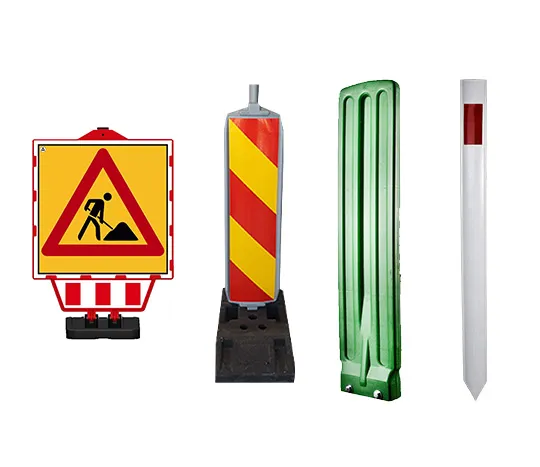
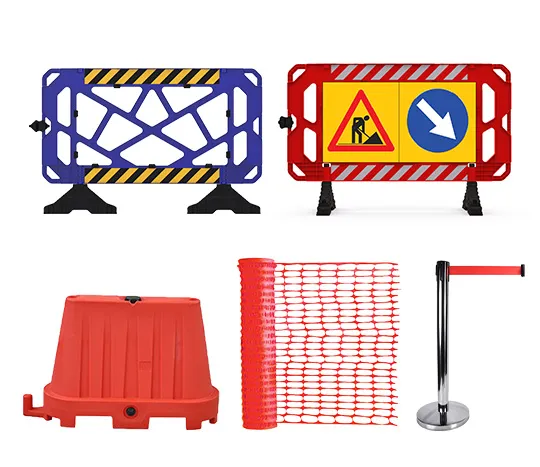
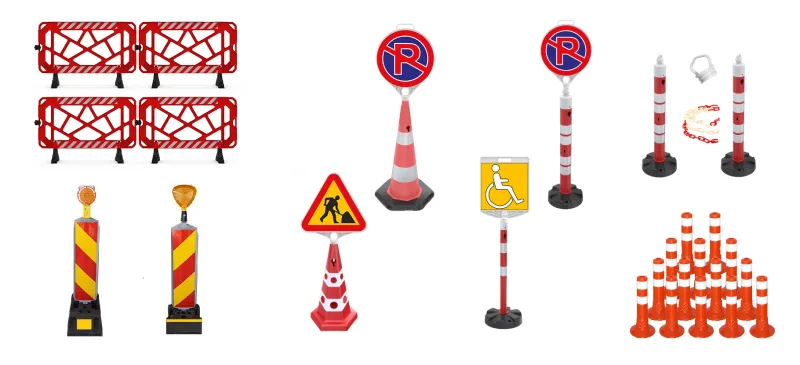
In an industrial environment, employees are often exposed to various risks and hazards. Security barriers are installed to delineate hazardous areas and prevent unauthorized access. For example, barriers can be used to separate work areas with heavy equipment or machinery from the rest of the workspace, ensuring that employees are not exposed to uncontrolled risks.
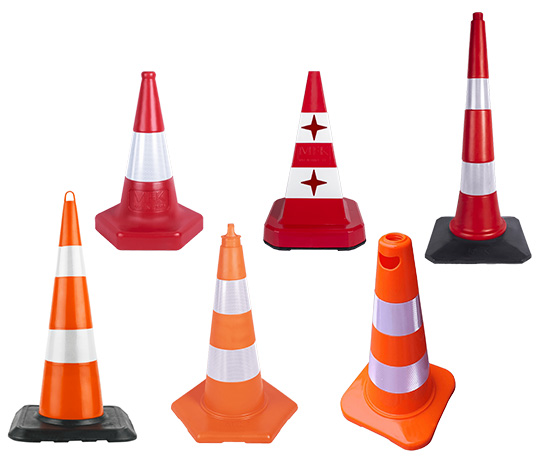
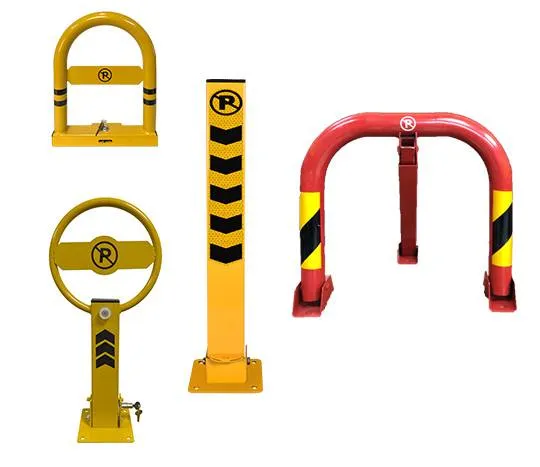
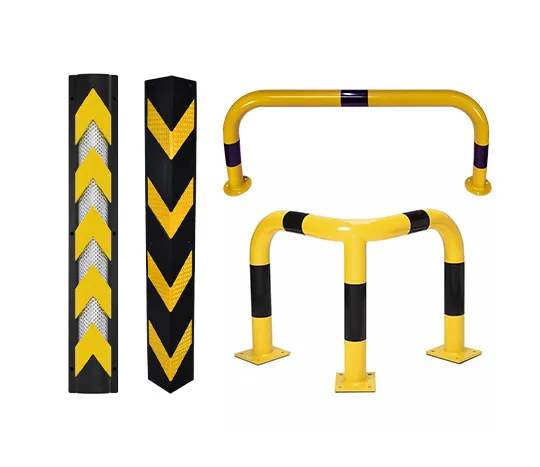
These barriers are often made from durable materials, such as metal or high-density plastic, to withstand impact and wear. Additionally, the barriers are equipped with visible and reflective warning signs to draw employees' attention to hazards and reduce the risk of accidents.
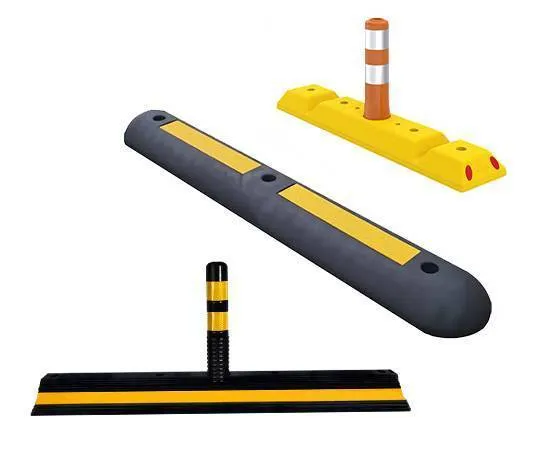
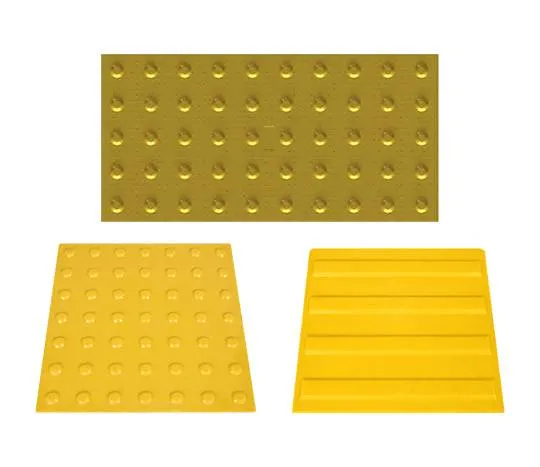
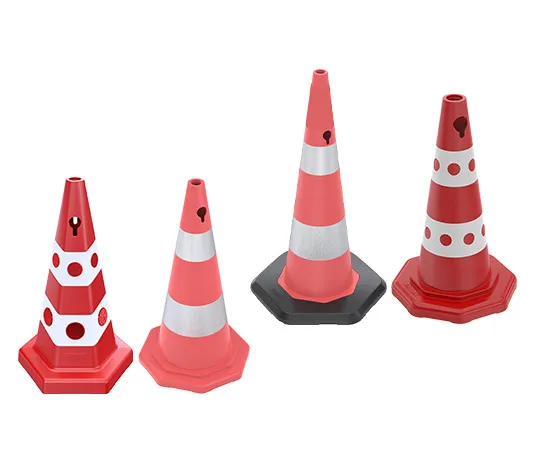
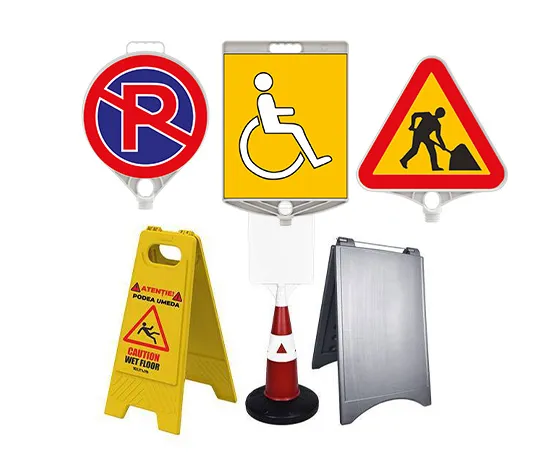
Best Selling Barrier Products


Barriers for Equipment Protection
In addition to protecting employees, barriers are essential for safeguarding industrial equipment. Expensive and complex equipment requires protection against damage and accidents. Barriers are used to create safety zones around equipment, thus preventing accidents and damage to equipment due to accidental contact.
For example, protective barriers are often installed around material handling equipment, such as forklifts or processing machines, to prevent accidents and ensure a safe workflow. These barriers help maintain an adequate distance between equipment and employees, reducing the risk of accidents and damage.
Barriers for Delimiting Storage Areas
In industrial areas, barriers are also used to delineate storage areas. These barriers are essential for the efficient organization of space and for preventing congestion. They help maintain an organized structure of stocks and prevent unauthorized access to storage areas.
For example, barriers are used to delineate storage areas for hazardous materials or finished products, ensuring that they are stored safely and in accordance with regulatory standards.
Benefits of Security Barriers
The use of security barriers in industrial areas brings multiple benefits. These barriers help prevent accidents, protect valuable equipment, and facilitate the efficient organization of space. Investing in quality barriers and maintaining them is essential for ensuring a safe and productive working environment.
In conclusion, security barriers are an essential element in industrial areas, contributing to the protection of employees and equipment. By implementing and properly maintaining them, a safe and efficient working environment can be ensured.