






Traffic Barriers: The Right Choice for Access Control and Public Safety
In a constantly changing world, effective management of access and safety in various areas, such as parking lots, roads, and industrial zones, is essential for preventing accidents and ensuring order. Traffic barriers are a vital tool in this process. This article explores the different types of traffic barriers available and the important aspects to consider when choosing the right barriers for our needs.
1. Types of Traffic Barriers
Traffic barriers come in a variety of shapes and sizes, each serving specific purposes and applications. Here are some of the most common types:
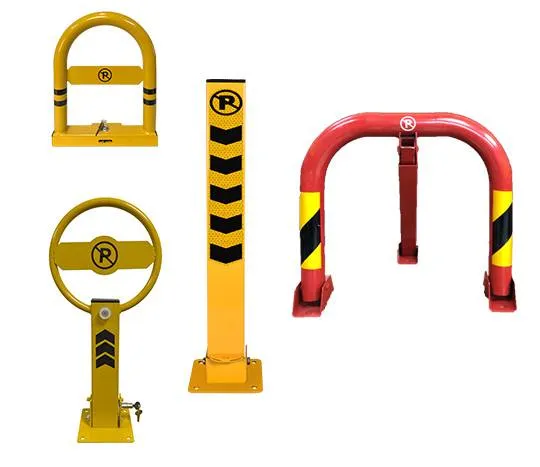
Parking Barriers: These barriers are used to control access to parking lots, whether public or private. They can be manual or automatic and are often equipped with payment systems to collect parking fees. Automatic barriers are equipped with sensors and remote controls to facilitate quick and convenient access.
Access Barriers: These barriers are used to control access to restricted areas, such as office buildings, residential complexes, or industrial zones. They can be equipped with access cards, fingerprint readers, or other authentication technologies to ensure strict access control.
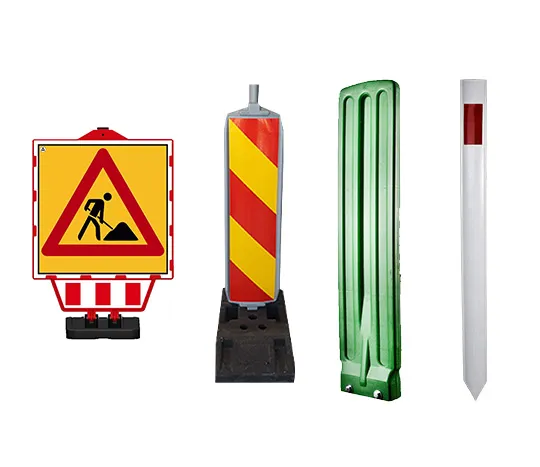
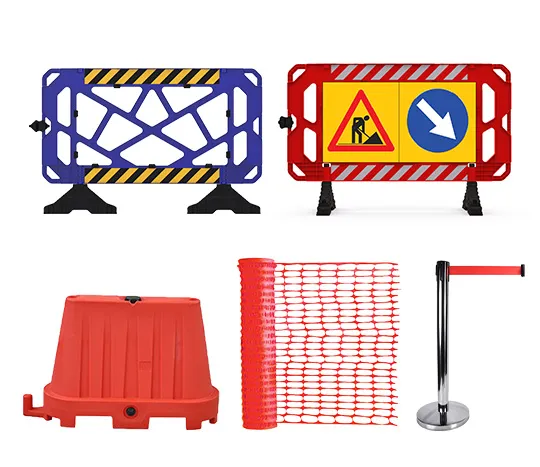
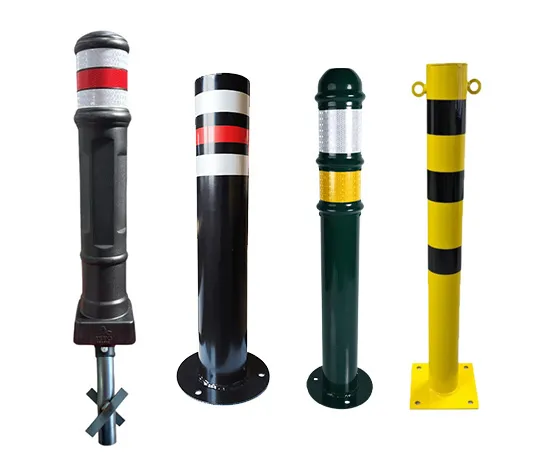
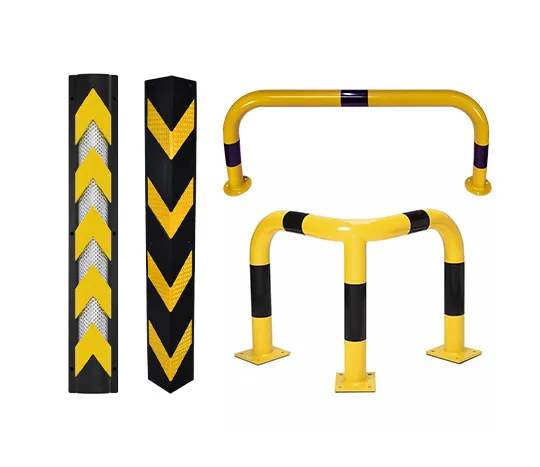
Safety Barriers: These barriers are installed to prevent unauthorized entries into hazardous areas or to protect critical infrastructure. For example, safety barriers are often used around industrial facilities or areas at risk of accidents.
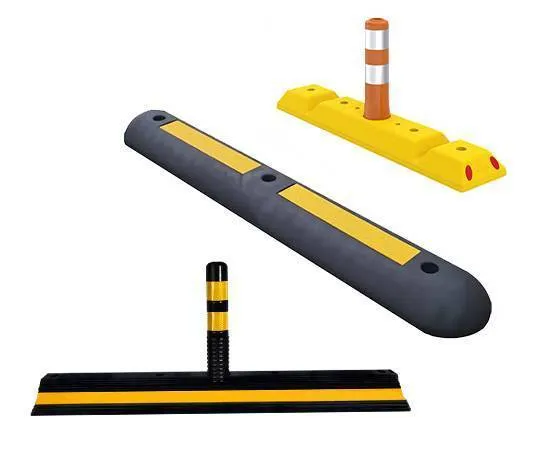
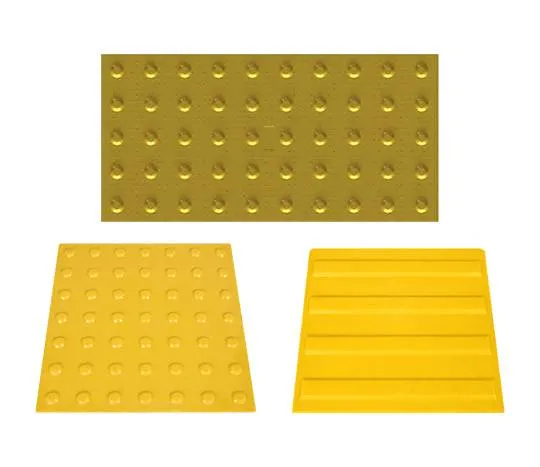
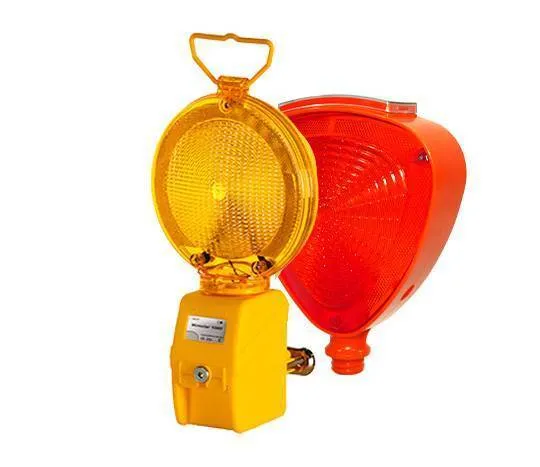
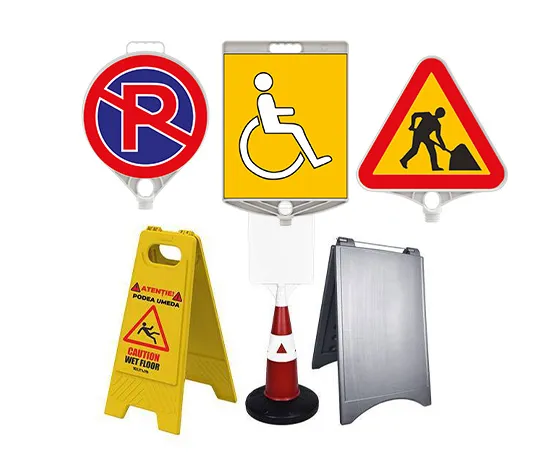
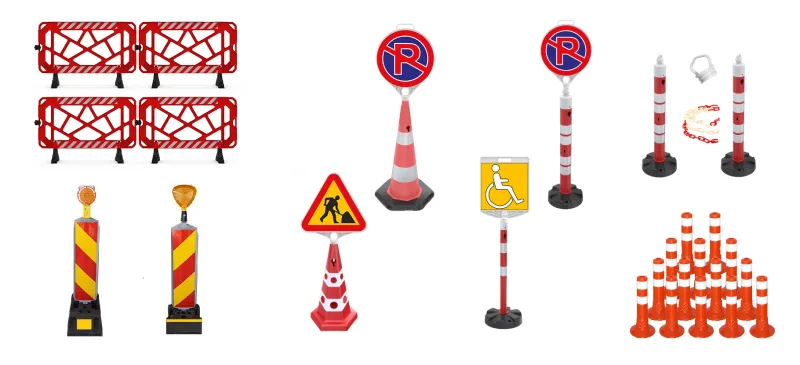
Best-Selling Barrier Products


2. Materials and Durability
Choosing the right materials for traffic barriers is crucial for ensuring their durability and effectiveness. Common materials include:
Steel: It is a robust and resilient material, ideal for barriers that must withstand strong impacts and adverse weather conditions. Steel can be galvanized or painted to prevent corrosion.
Aluminum: It is lightweight and corrosion-resistant, suitable for barriers that do not require extreme impact resistance. Aluminum is often used in applications that require a more aesthetically pleasing appearance.
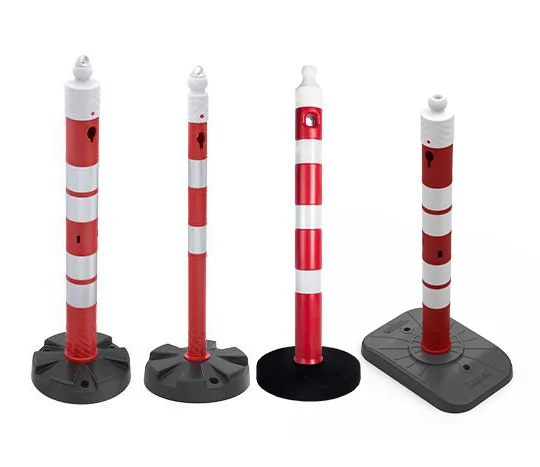
Plastic: Although less durable than metal, plastic is used in less demanding applications and can be an economical option for temporary or lightweight barriers.
3. Installation and Maintenance
Proper installation of the traffic barrier is essential for optimal functioning. Barriers must be installed according to the manufacturer's specifications and local regulations. Regular maintenance is also important to prevent malfunctions and ensure continuous operation. Barriers should be periodically checked to ensure they are not worn or damaged.
4. Costs and Budget
The cost of a traffic barrier can vary significantly depending on material, size, and additional features. It is important to allocate an appropriate budget and make a choice that balances initial costs with long-term benefits. Investing in a quality barrier can reduce the need for frequent repairs and enhance safety.
5. Impact on Safety and Traffic Flow
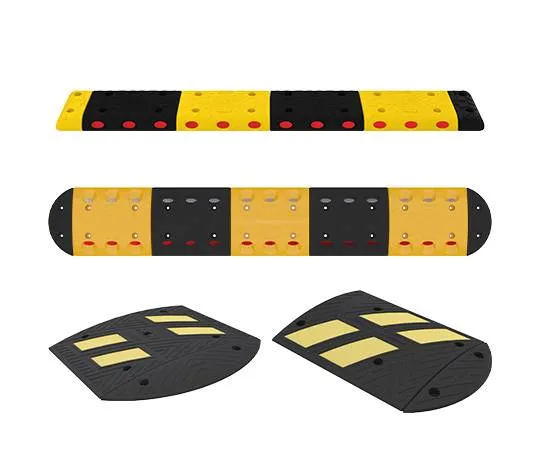
Traffic barriers not only help control access but also manage traffic flow effectively. They can prevent congestion and contribute to the smooth movement of vehicles. It is important to choose barriers that best fit the specific needs of the area to maximize efficiency and safety.
Conclusion
The correct choice of traffic barrier is essential for managing access and ensuring public safety. By selecting appropriate materials, ensuring proper installation, and conducting regular maintenance, optimal functioning of the barrier can be ensured, contributing to a safer and more organized traffic environment. Investing in a quality barrier will bring long-term benefits, including better access management and greater safety for all road users.