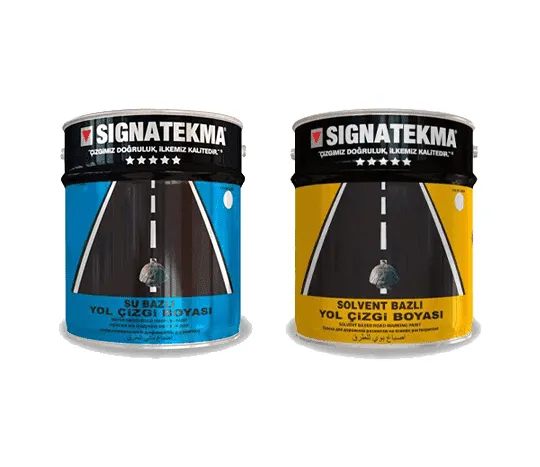
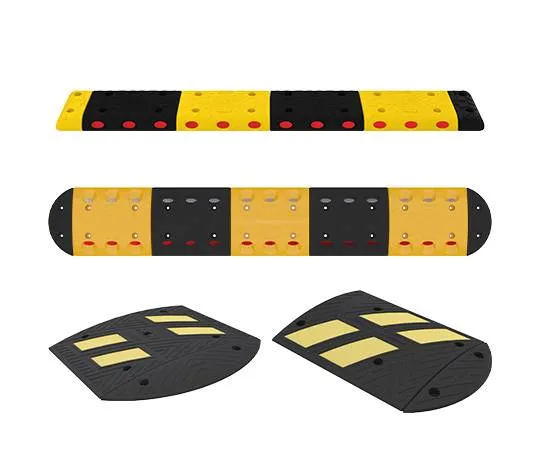
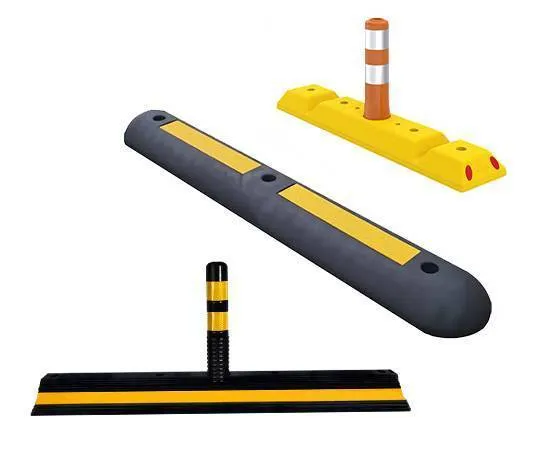
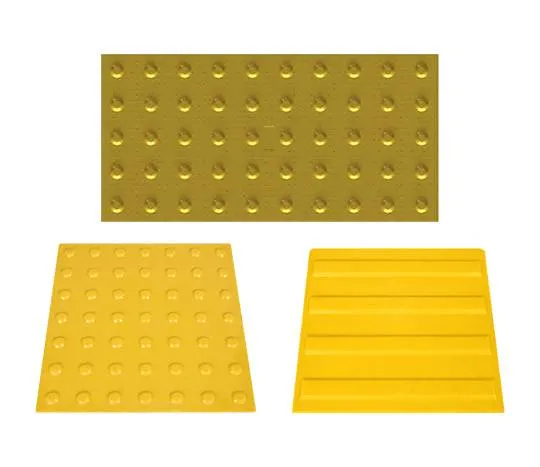

Thermoplastic Strips – A Durable and Efficient Solution for Road Safety
Thermoplastic strips have become a popular choice in road markings due to their durability and enhanced visibility. Unlike traditional paint-applied strips, thermoplastic strips are made from a blend of polymers and reflective materials that offer much greater resistance to wear and weather conditions. In this article, we will discuss the advantages of thermoplastic strips and why they represent a top solution for long-term road safety.
What are thermoplastic strips?
Thermoplastic strips are made from a special material that, when heated, can be applied to the road surface in the form of road markings. They solidify quickly, forming a durable film that remains visible and resistant over time, even under heavy traffic and adverse weather conditions.
These strips contain reflective additives, such as glass beads, which enhance visibility at night or in low visibility conditions. They are also highly resistant to abrasion, making them ideal for areas with heavy traffic or busy intersections.
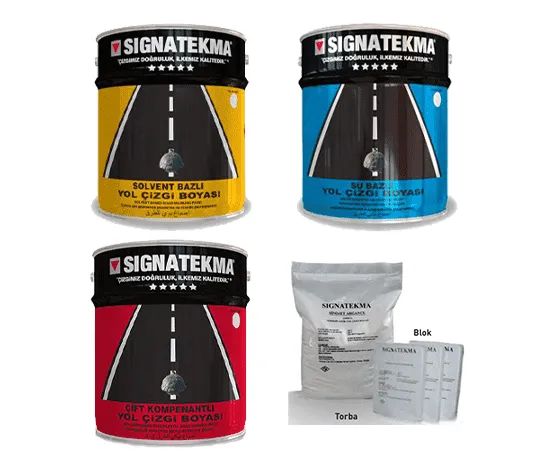
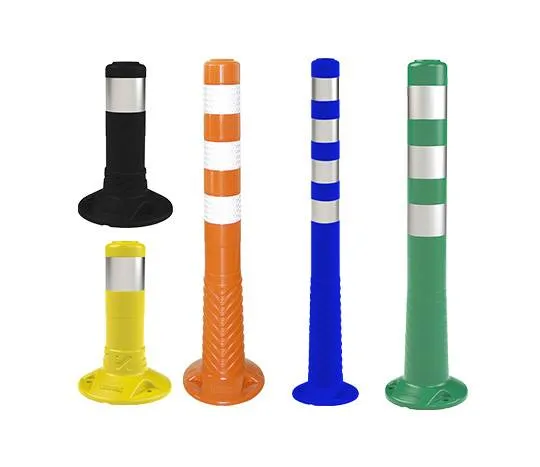
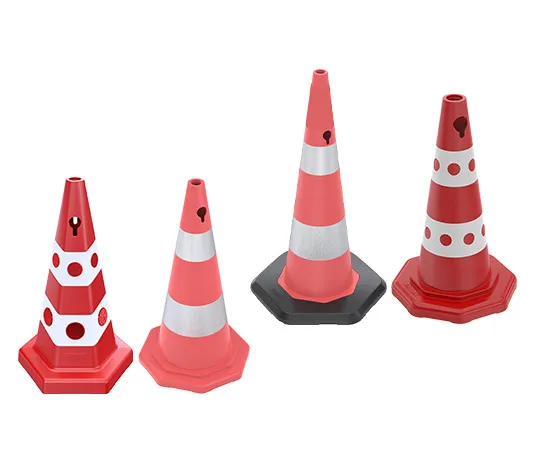
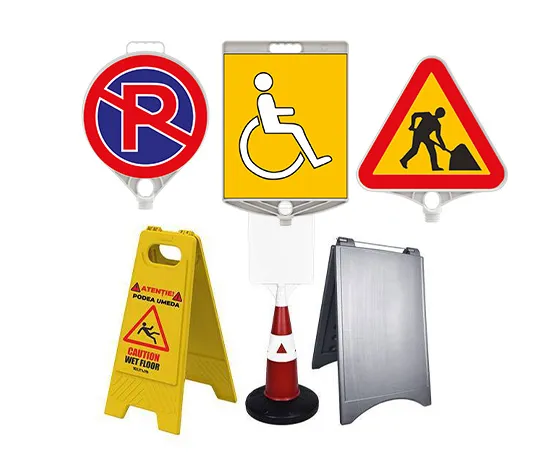
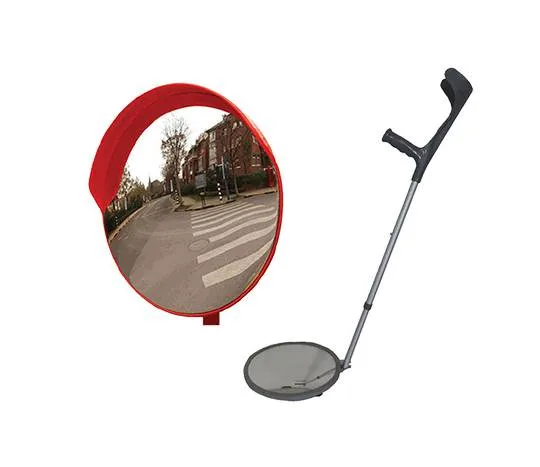
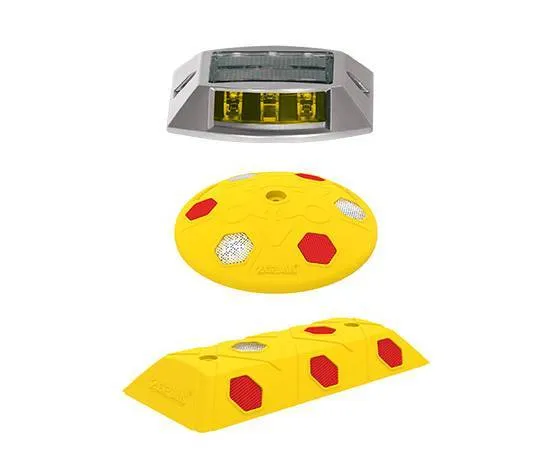
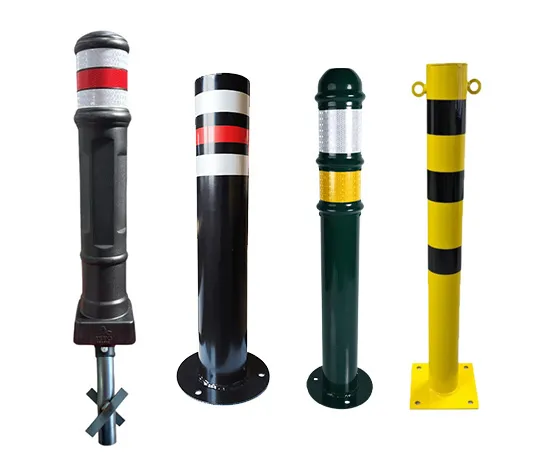
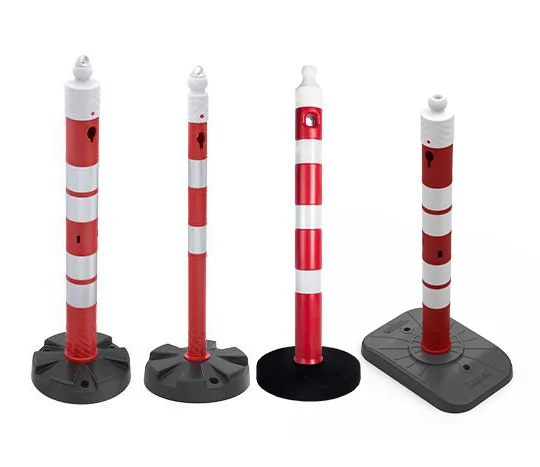
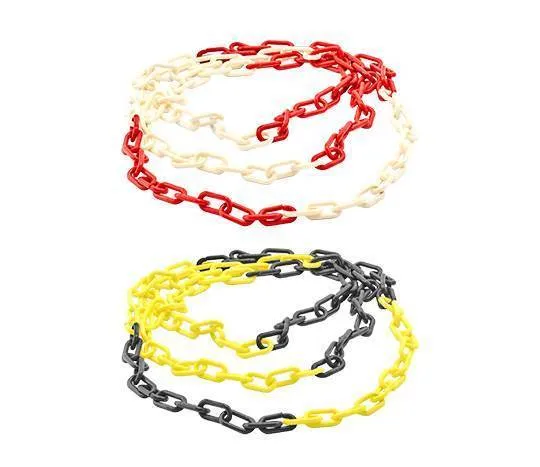
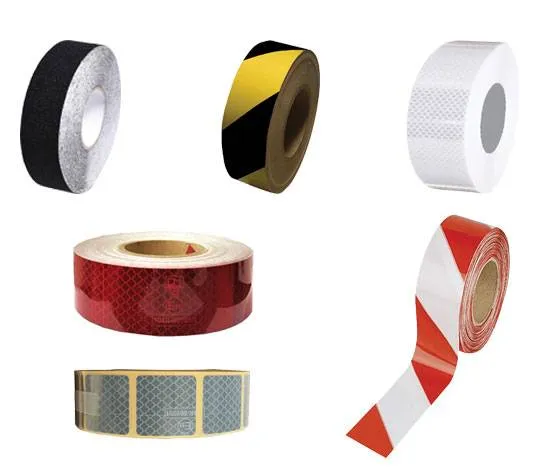
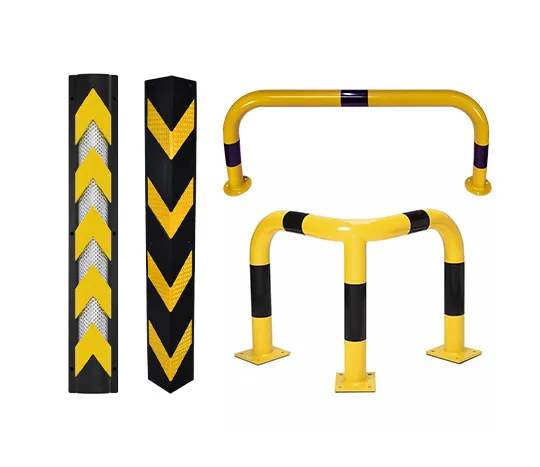
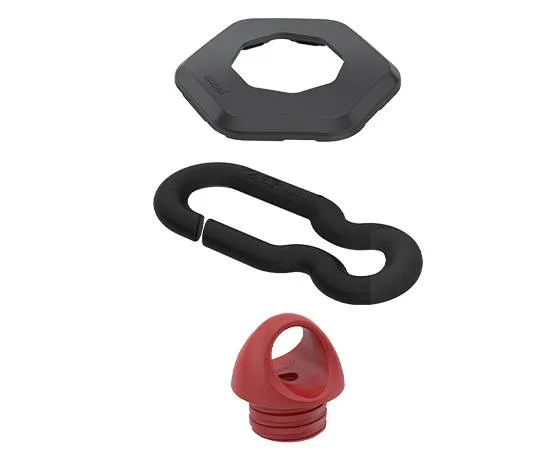
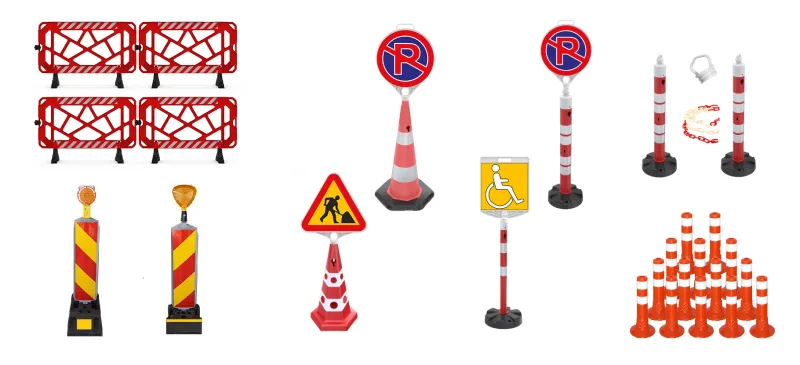
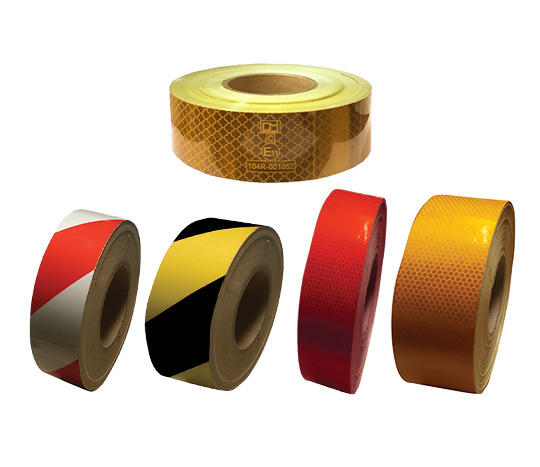
Best-Selling Strip Products
Advantages of thermoplastic strips
Extreme durability: One of the main advantages of thermoplastic strips is their durability. Unlike traditional paint-applied strips, which can degrade quickly under the influence of traffic and environmental factors, thermoplastic strips can last for years without the need for frequent reapplication. This makes them a cost-effective choice for road authorities, reducing the need for constant maintenance.
Improved visibility: Thermoplastic strips are designed to provide excellent visibility both during the day and at night. The glass beads integrated into the material reflect the light from headlights, making them much easier for drivers to see in low visibility conditions, such as fog, rain, or at night.
Adaptability to extreme weather conditions: Another benefit of thermoplastic strips is their ability to withstand extreme temperatures and exposure to water or salt. This makes them ideal for use on mountain roads, in areas with harsh winters, or near coastal regions where weather conditions can quickly damage traditional strips.
Increased safety: Thermoplastic strips can be used to create tactile or auditory road markings that alert drivers when they accidentally leave their lane. This type of marking is very effective in preventing accidents caused by drowsiness at the wheel or distraction.
Uses of thermoplastic strips
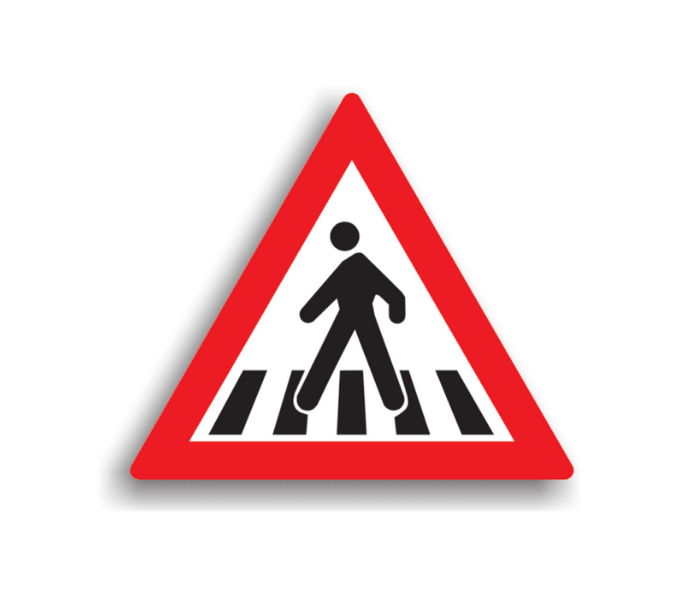
Permanently road markings: Thermoplastic strips are primarily used for permanent road markings, such as lane separation lines, pedestrian crossings, or warning markings. They are particularly useful in busy intersections or on national roads where traffic is intense and constant.
High traffic areas: Due to their wear resistance, thermoplastic strips are the ideal choice for areas where traffic is particularly heavy, such as roads in city centers or highways. These markings maintain their clarity even after thousands of vehicles pass over them daily.
Special safety markings: Thermoplastic strips are often used to create special safety markings, such as vibrating strips that alert drivers when they leave the lane. They can also be used to mark hazardous areas, such as sharp curves or areas with heavy pedestrian traffic.
Challenges in applying thermoplastic strips
Although thermoplastic strips offer numerous advantages, their application requires special equipment and suitable temperature conditions. The material must be heated to a very high temperature before application, making the installation process more complex than with traditional strips. However, once applied correctly, these strips provide much greater durability and efficiency.
Higher initial costs: One disadvantage of thermoplastic strips is the higher initial cost compared to traditional road markings. However, due to their durability, in the long run, they become more cost-effective as they require less maintenance and reapplication.
Need for special equipment: The application of thermoplastic strips requires special equipment for heating and applying the material. This may limit their use in more isolated areas or on less frequented roads, where application costs could be prohibitive.
The future of thermoplastic strips
As technology advances, thermoplastic strips are becoming increasingly efficient and versatile. Innovations in the materials used for these strips promise to make them even more durable and accessible in the future.
More eco-friendly materials: In the future, we will likely see thermoplastic strips made from more eco-friendly materials that reduce environmental impact and are more sustainable. Additionally, faster and more efficient application methods will be developed, making these markings even more popular.
Advanced reflective technologies: Another innovation in the field of thermoplastic strips will be the improvement of reflective technologies. New materials will provide even better visibility, even in extremely low visibility conditions, thus contributing to the prevention of road accidents.