




Parking Barriers: Efficient Solutions for Managing Parking Spaces
Managing parking spaces has become an increasingly challenging task, especially in crowded urban areas. Business owners, real estate developers, and even residents looking to protect their parking spots are seeking efficient and reliable solutions. In this context, parking barriers represent one of the most popular and practical solutions.
What are parking barriers?
Parking barriers are physical devices designed to prevent unauthorized access to a parking space. They are built to be robust, easy to use, and provide enhanced security. Whether used in private parking lots, at companies, or in public spaces, barriers ensure that parking spots are reserved and protected against unauthorized users.
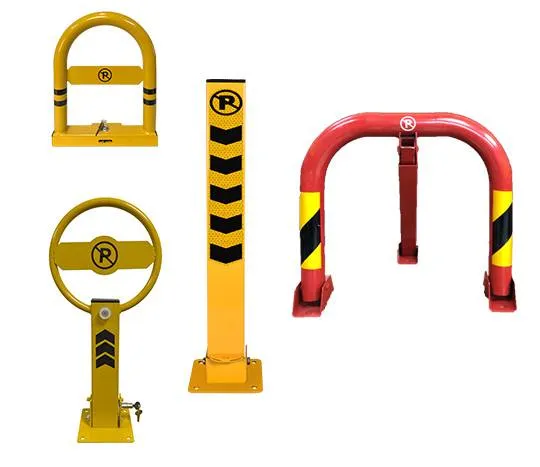
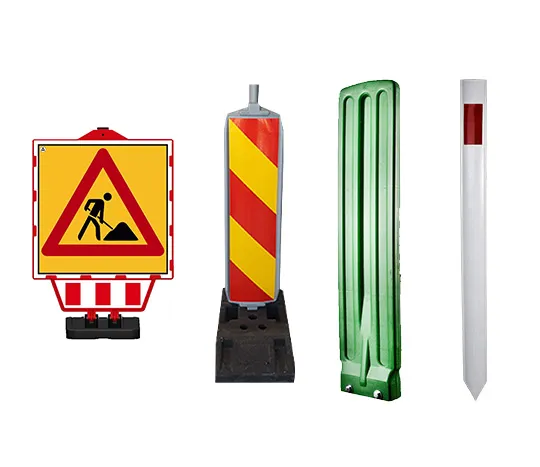
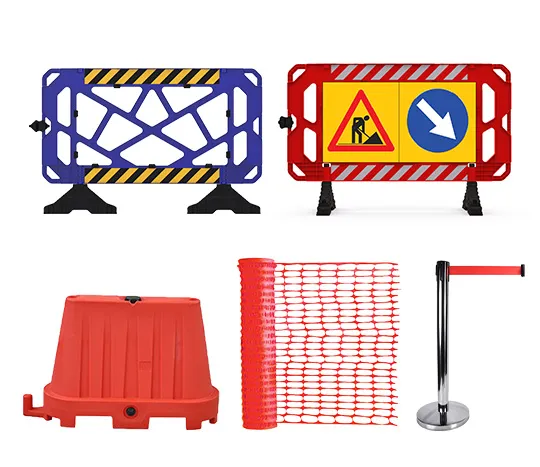
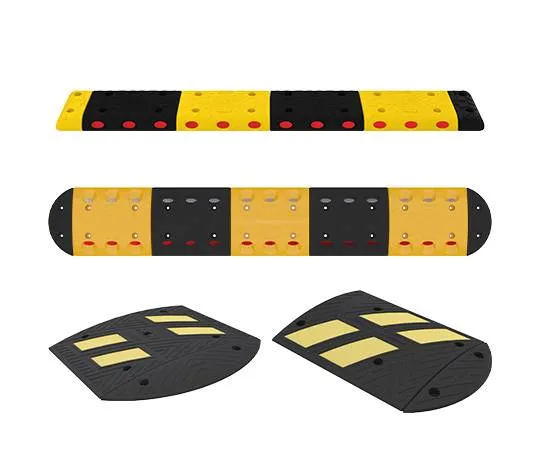
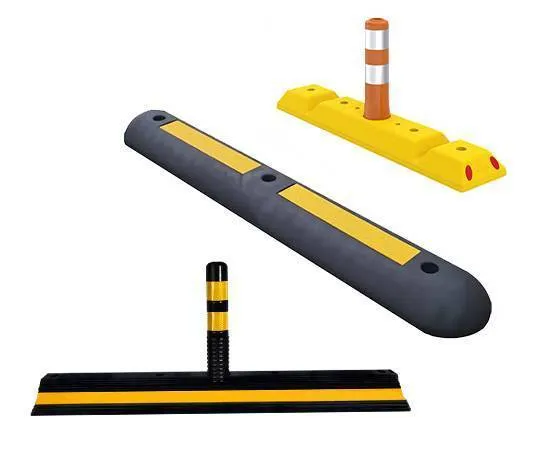
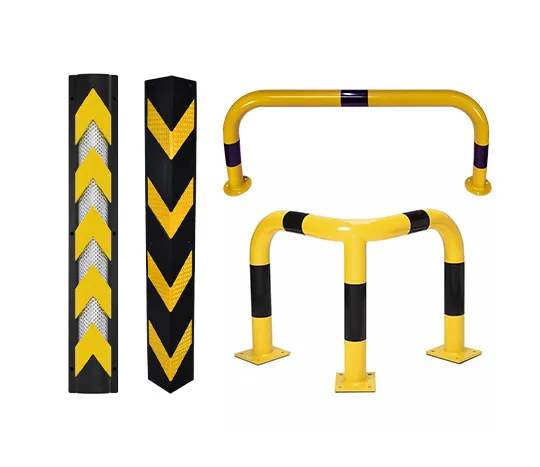
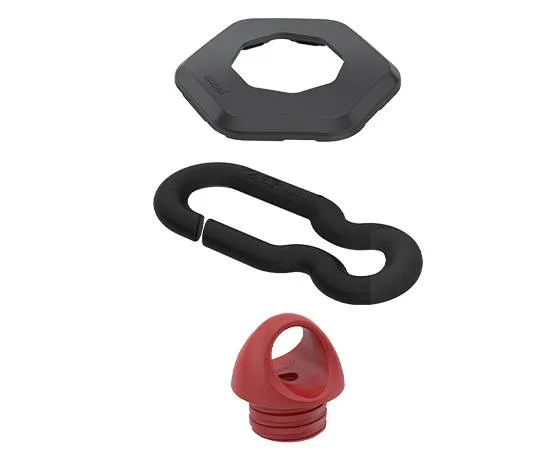
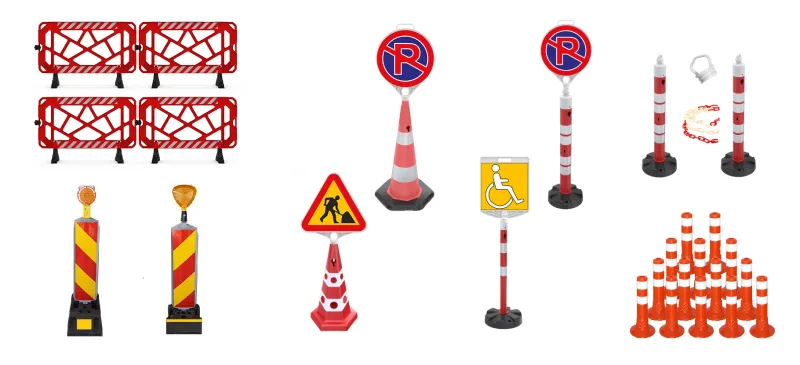
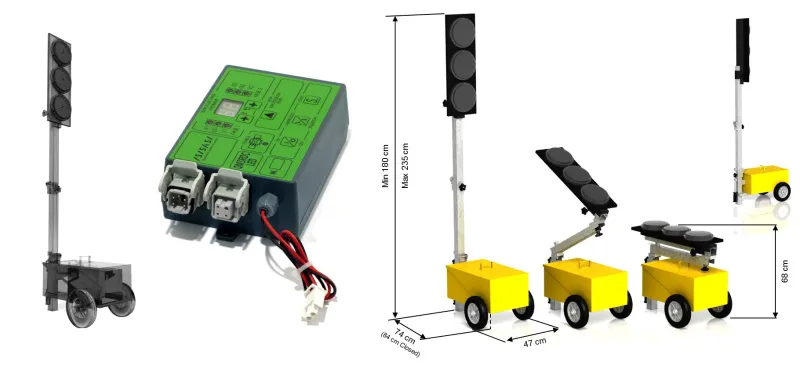
Best-selling Parking Barrier Products
Types of parking barriers
There is a variety of parking barriers available on the market, each with specific features and advantages. Among the most popular types are:
Manual barriers: These are the simplest and most accessible types of barriers. The user must manually raise or lower the barrier to allow vehicle access. They are ideal for individual parking spots where the frequency of use is not very high.
Automatic barriers: These barriers are controlled remotely, usually via a remote control or smartphone. They provide convenience and efficiency, eliminating the need to exit the vehicle to raise or lower the barrier. They are ideal for use in corporate or residential parking lots with high traffic.
Sensor barriers: These models are equipped with sensors that detect the presence of a vehicle. They automatically rise when the spot is free and lower when an authorized vehicle enters the space. These barriers offer an advanced level of automation and are excellent for large parking areas.
Advantages of using parking barriers
One of the main advantages of parking barriers is security. These devices prevent the abusive occupation of parking spaces, which is essential in both public and private areas. By using them, owners can avoid inconveniences and disputes related to unauthorized parking.
Additionally, parking barriers contribute to efficient organization of space. In crowded parking lots, they help maintain order and allocate parking spaces correctly. Companies managing parking lots or residential complexes find these solutions extremely useful in managing vehicle flow.
Another advantage is the flexibility offered by the various types of barriers available. From manual models for occasional use to automated and smart solutions for high-traffic parking lots, there is a suitable option for every need.
Common uses of parking barriers
Parking barriers are used in a wide range of locations. Among the most common are:
Residential parking: Residents of apartment buildings or houses with private parking spaces often use barriers to secure their spaces and prevent unauthorized access.
Corporate parking: Companies that own private parking lots use barriers to ensure that their employees and clients have exclusive access to these spaces.
Commercial spaces: Large stores and malls use barriers to efficiently manage parking reserved for customers.
In conclusion, parking barriers represent an essential solution for protecting and efficiently managing parking spaces. They bring multiple benefits, from security and organization to flexibility and user comfort. Regardless of the type of parking or specific needs, parking barriers offer adaptable and effective solutions.