





Parking Barriers and Their Role in Road Safety
Parking barriers are essential tools not only for the efficient organization of parking spaces but also for enhancing road safety in urban and residential environments. They play a crucial role in preventing unauthorized access, controlling traffic, and protecting pedestrians and vehicles. In this article, we will explore how parking barriers contribute to improving road safety and how they can be effectively integrated into various contexts.
Preventing Unauthorized Access and Increasing Safety
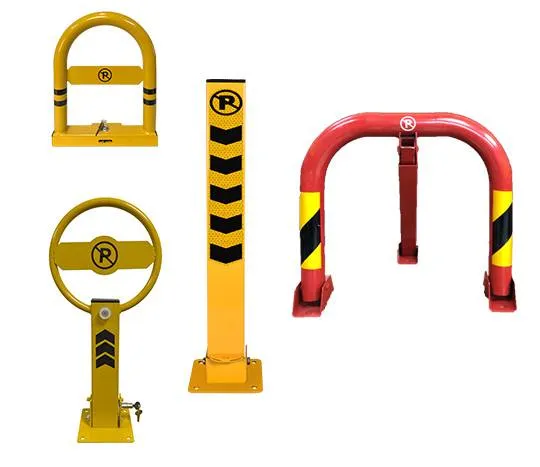
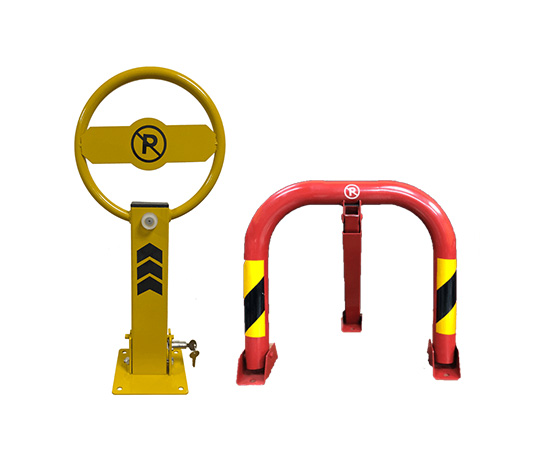
Parking barriers are often used to prevent unauthorized access to certain areas. For example, in private spaces or in parking lots reserved for employees, they are placed to restrict access only to authorized individuals. By preventing unauthorized access, parking barriers help protect vehicles and maintain order in the parking area.
In crowded public areas, barriers are used to protect spaces reserved for people with disabilities or other special categories. These spaces are often located close to building entrances or in areas with heavy pedestrian traffic, and parking barriers help keep these areas free and ensure the safety of users.
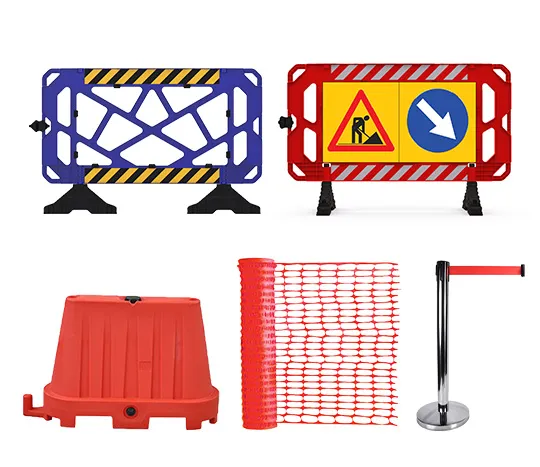
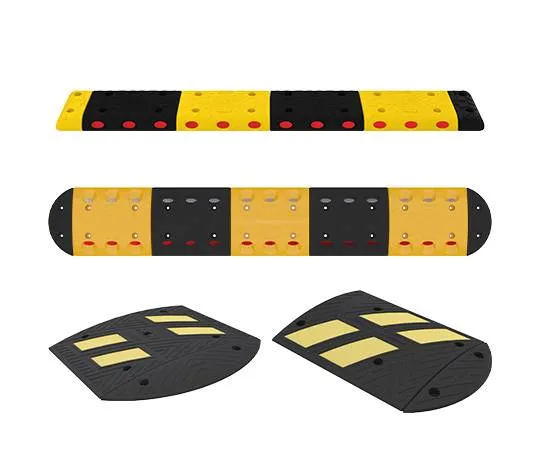
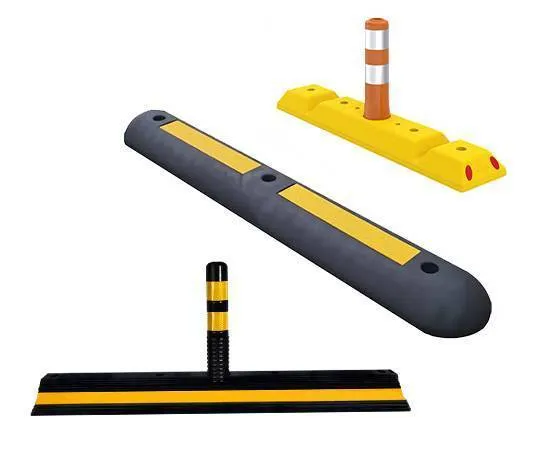
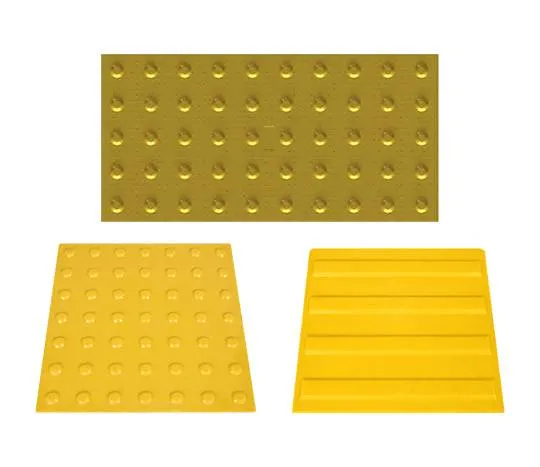
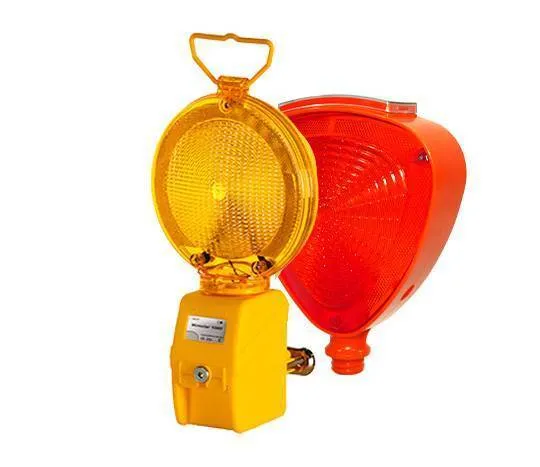
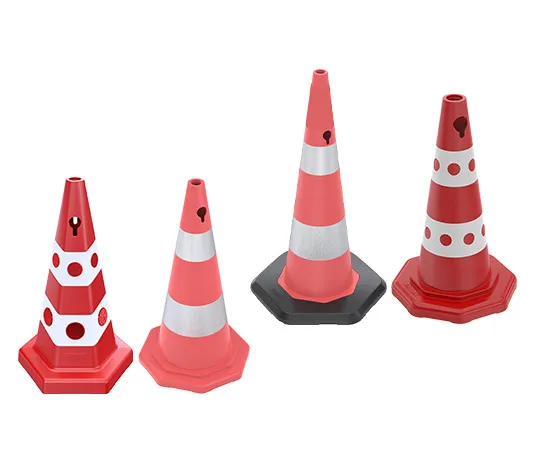
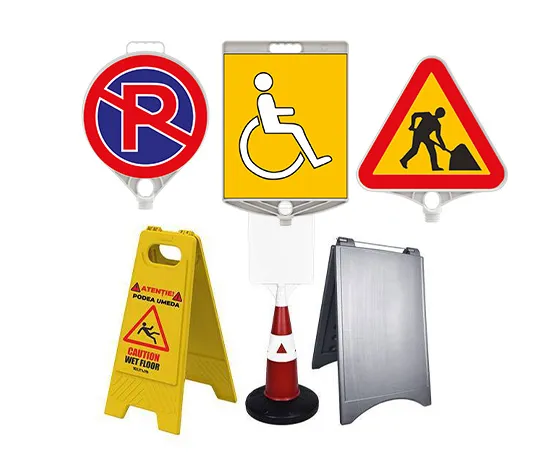
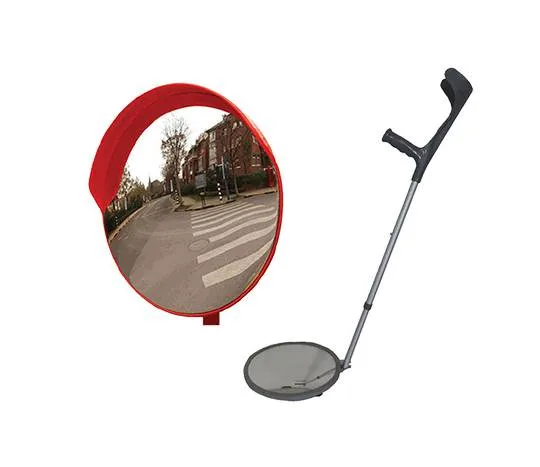
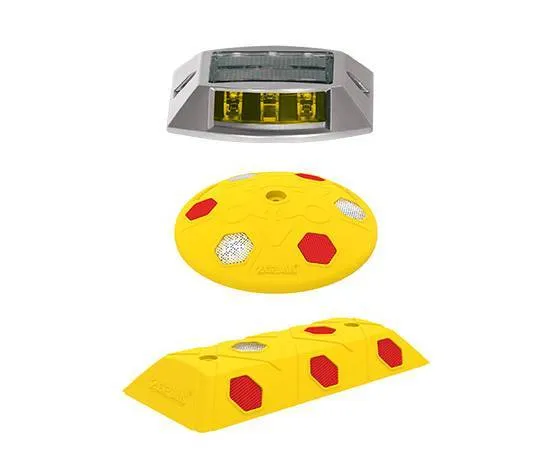
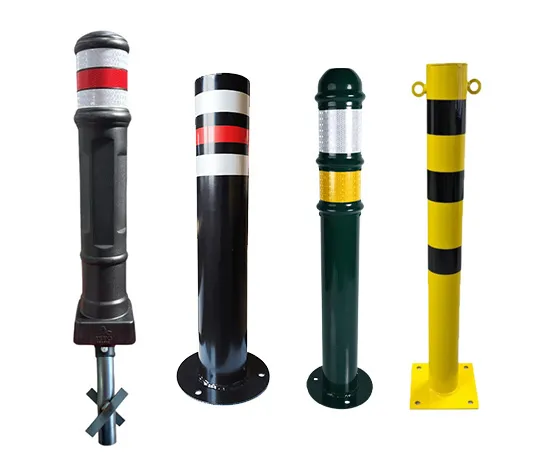
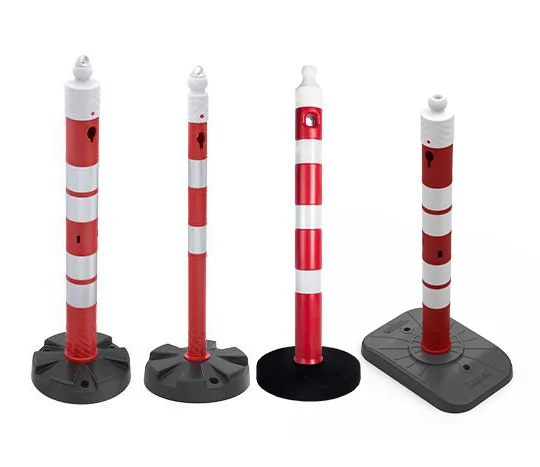
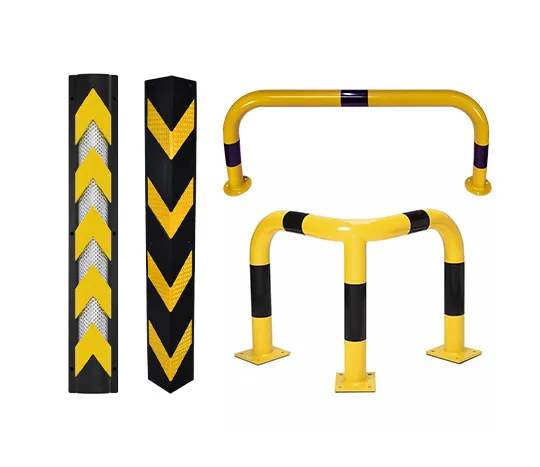
Best-Selling Parking Barrier Products
Traffic Flow Control
Parking barriers are also effective in controlling traffic flow, especially in large parking lots where there is a high number of vehicles. These devices can be strategically placed to direct traffic in the desired direction and to prevent blockages or congestion in certain areas.
In residential or commercial parking lots, parking barriers are useful for clearly delineating access and exit areas, which helps to streamline traffic. They can also be used to control access to restricted areas, such as entrances for delivery vehicles or emergency vehicles.
Protecting Pedestrians and Vehicles
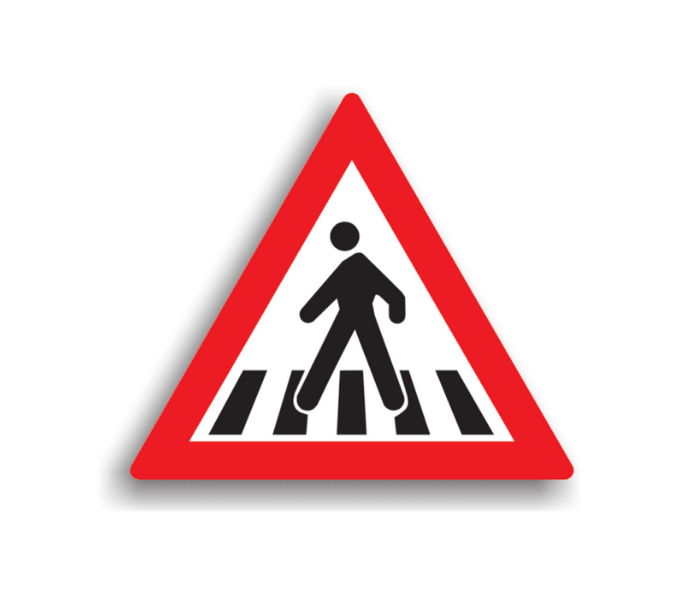
Parking barriers play an essential role in protecting pedestrians and vehicles. In mixed traffic areas, where pedestrians and vehicles share the same space, barriers can be used to create physical barriers that separate pedestrians from vehicles, thus preventing accidents.
They are also used to delineate parking spaces from pedestrian areas, ensuring that vehicles do not enter zones designated exclusively for pedestrians. This is an important safety measure, especially in busy commercial areas or large parking lots, where there is an increased risk of accidents.
The Adaptability of Barriers to Various Environments
Another advantage of parking barriers is their adaptability to various environments and contexts. They can be used in both urban and rural or residential areas, being available in a wide range of models and sizes.
Parking barriers can be permanent or mobile, depending on the user's needs. Mobile models are often preferred for temporary events or in parking lots that require flexibility in space management. Permanent barriers, on the other hand, are used primarily in areas where access needs to be restricted constantly, such as in private parking lots or in restricted access areas.
The Impact on the Urban Environment
Parking barriers not only serve a practical function but can also contribute to enhancing the aesthetic appearance of the urban environment. Modern models are designed to integrate harmoniously into the urban landscape without negatively affecting the aesthetics of the space.
Barriers can be painted in bright or reflective colors to increase their visibility at night or in low visibility conditions. This not only makes them more effective functionally but also contributes to maintaining a safe and organized urban environment.