






Road studs: Enhanced safety in traffic and optimal visibility
In modern road infrastructure, road safety is a priority. One of the ingenious solutions that significantly contributes to increasing visibility and organizing traffic is road studs. These small, seemingly simple devices play a crucial role in ensuring the safety of drivers and pedestrians, especially in low visibility conditions or in hazardous areas.
What are road studs?
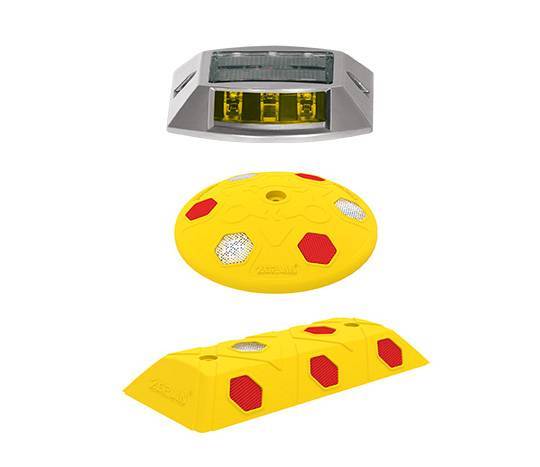
Road studs, also known as "road markers" or "street reflectors," are signaling elements placed on the roadway that serve to guide drivers during driving, providing them with a clear visual orientation. These markers are made from materials resistant to impact, extreme weather conditions, and are usually equipped with reflective or luminous surfaces. They can be integrated into the road surface or mounted on it, depending on the project's needs.
The importance and role of road studs
The main function of road studs is to increase visibility in traffic, especially at night, in dense fog, or on roads where public lighting is insufficient. They are strategically placed, usually along the roadside, at intersections, on curves, or near pedestrian crossings.
In addition, road studs contribute to:
Clear separation of traffic lanes – On highways or multi-lane roads, they help clearly delineate lanes and keep drivers on the correct trajectory.
Warning drivers in hazardous areas – Road studs can be placed in areas with dangerous curves or near pedestrian crossings to attract drivers' attention and encourage them to reduce speed.
Improving safety at intersections – In intersections with reduced visibility, these markers become essential for avoiding collisions and guiding drivers in the correct direction.
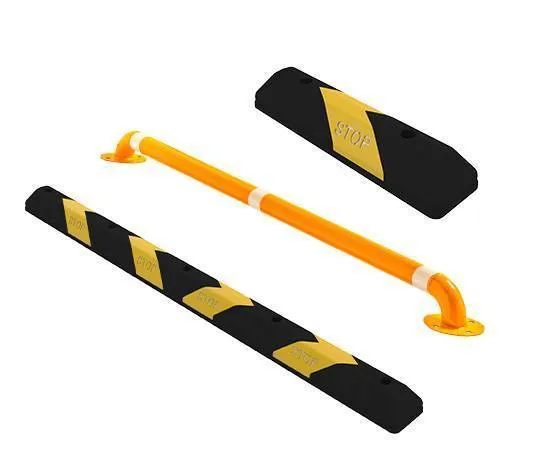
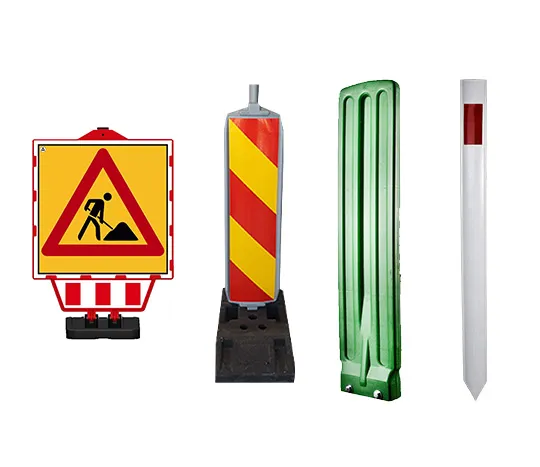
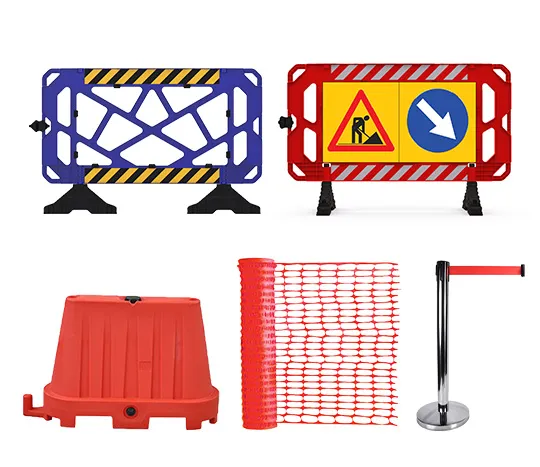
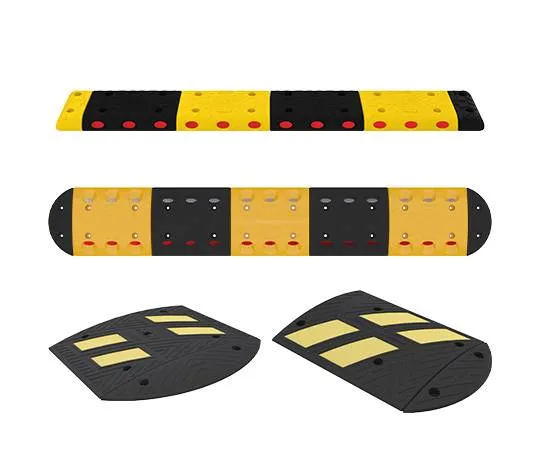
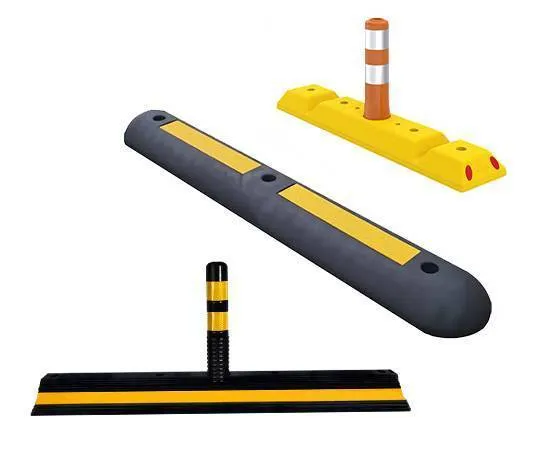
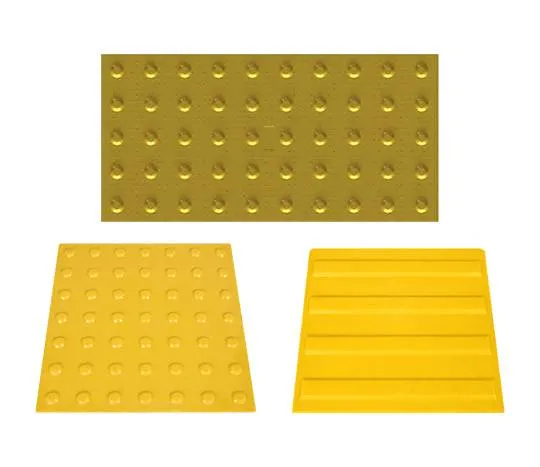
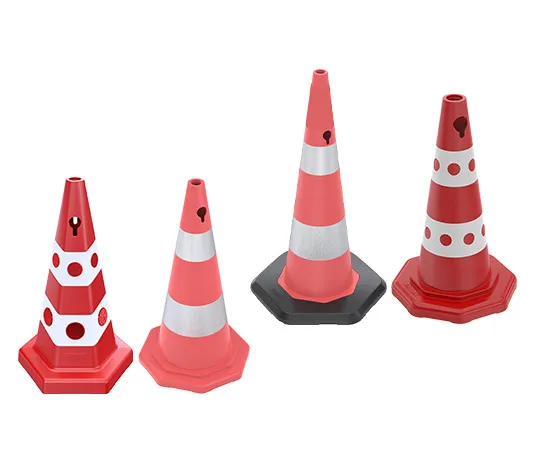
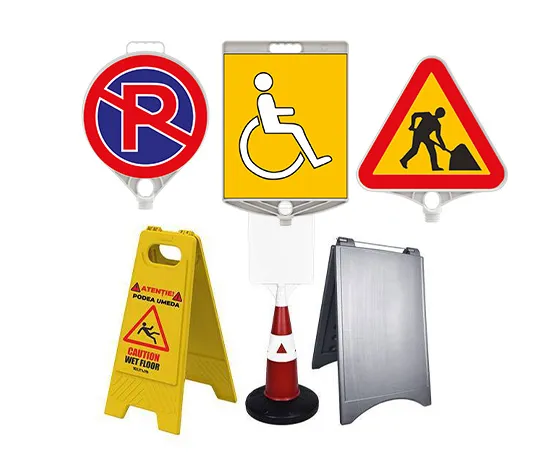
Best-selling Road Stud Products
Types of road studs
There are several types of road studs, each having a specific purpose depending on where they are placed and the traffic conditions:
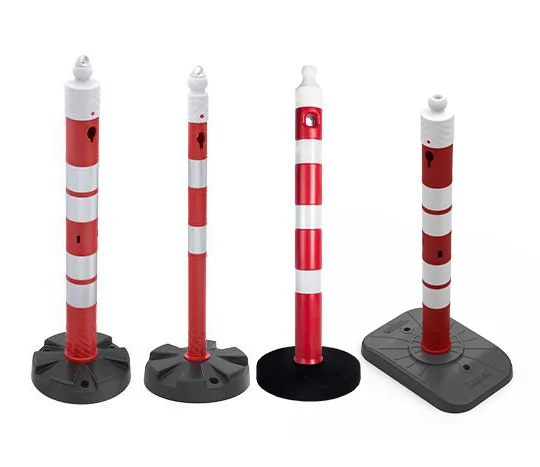
Reflective road studs – These studs are equipped with reflective materials that capture the light from headlights and reflect it, enhancing visibility at night or in low visibility conditions.
LED road studs – Markers equipped with LEDs are powered electrically or by solar batteries and emit a constant or flashing light. They are ideal in areas where visibility is a major issue, such as tunnels or dangerous curves.
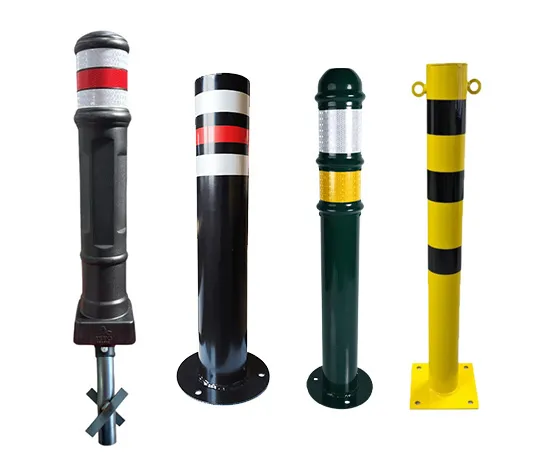
Durable material road studs – For roads with heavy traffic or difficult usage conditions, there are studs made from extremely durable materials, such as stainless steel or impact-resistant polymers.
Double-sided signaling studs – These studs are equipped with reflectivity on both sides, providing visibility for drivers traveling in one direction as well as for those coming from the opposite direction.
Correct placement of road studs
The effective placement of road studs is essential to ensure proper functioning and maximum visibility. They are placed at regular intervals on roads, so drivers have a constant reference of the road. Additionally, they are installed in hazardous areas, such as intersections, pedestrian crossings, and curves.
Moreover, on multi-lane roads, road studs are used to separate lanes and maintain order in traffic, thereby preventing collisions. At intersections, they can be used to guide drivers, providing a clear direction.
Benefits of using road studs
The main benefits of road studs are improved safety and reduced accidents. By providing enhanced visibility and clear guidance, they contribute to lowering the risk of collisions, especially in adverse weather conditions.
Another advantage is their durability. Road studs are made from wear-resistant materials, allowing them to function effectively even in heavy traffic or extreme weather conditions. Additionally, maintenance costs are minimal, making them a cost-effective long-term solution.
Conclusion
In conclusion, road studs are an essential element for increasing safety in traffic. Through their visibility and durability, they provide clear guidance for drivers and contribute to reducing the number of road accidents. Whether used on main roads or in hazardous areas, they prove their effectiveness in maintaining safety on the roads.