






















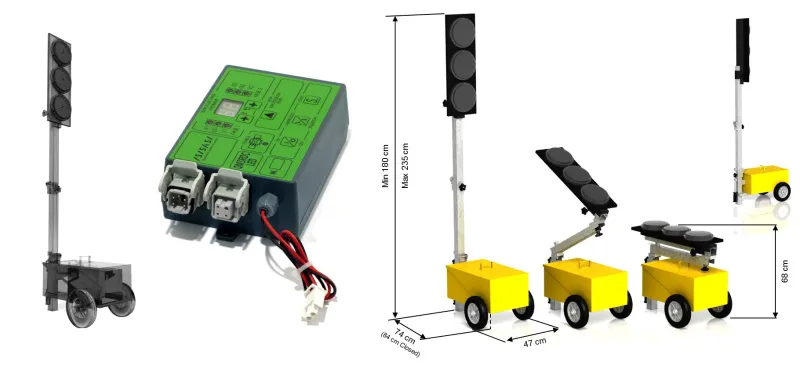

In a world where energy efficiency and sustainability are becoming increasingly important, choosing the right lighting equipment can significantly influence both environmental impact and operating costs. attotrafic.ro/ offers a wide range of lamps for various applications, including solar lamps and battery-operated lamps. In this article, we will compare these two types of lamps, highlighting the advantages and disadvantages of each option, to help you make the best choice for your needs.
Solar Lamps: Benefits and Considerations
Solar lamps are an eco-friendly and economical choice that uses solar energy to produce light. They are equipped with solar panels that capture sunlight during the day and convert it into electrical energy stored in internal batteries. At night, the stored energy is used to power the lamp.
Best Selling Solar Lamp Products

Best Selling Battery Lamp Products

Benefits:
Sustainability: Solar lamps are environmentally friendly as they use renewable energy sources. This helps reduce carbon emissions and conserve natural resources.
Reduced Costs: Since they do not require power from the electrical grid, solar lamps can significantly reduce energy costs. Once installed, operating costs are minimal, requiring only occasional maintenance.
Ease of Installation: Solar lamps do not require complex wiring or electrical connections, simplifying the installation process. They can be mounted in any location that receives sufficient sunlight.
Energy Independence: Solar lamps are ideal for remote locations or areas that do not have easy access to the electrical grid. They are autonomous and not affected by power outages.
Disadvantages:
Dependence on Sunlight: The performance of solar lamps is directly related to the amount of available sunlight. On cloudy days or in low light conditions, their efficiency may decrease.
Initial Cost: Although operating costs are low, solar lamps may have a higher initial cost compared to other options. The initial investment can be offset in the long term through energy savings.
Battery Lamps: Benefits and Considerations
Battery lamps are lighting equipment that operates on energy stored in rechargeable batteries. These lamps are often used in situations where a constant source of electrical energy is not available.
Benefits:
Flexibility and Portability: Battery lamps are often portable and can be used in various locations without relying on external power sources. They are ideal for use in temporary areas or emergency conditions.
Independent Operation: These lamps can operate without being connected to the electrical grid and are not affected by power outages. This makes them suitable for situations where electrical supply is unstable.
Variety of Models: Battery lamps are available in a wide range of models and sizes, adaptable to the specific needs of users. They may include additional features such as light intensity control or different lighting modes.
Disadvantages:
Maintenance and Operating Costs: Battery lamps require periodic battery replacement, which can incur additional costs and requires regular maintenance.
Limited Light Duration: Depending on the battery capacity, the operating time of battery lamps may be limited, requiring frequent recharges or battery replacements.