















Traffic cones: The impact of using sustainable materials in their production
In recent years, the emphasis on sustainability and environmental protection has significantly increased across all industries, and the production of traffic cones is no exception. The materials used in their manufacture play a crucial role not only in terms of their functionality and safety but also in reducing the carbon footprint of the final product. This article aims to explore the advantages of using sustainable materials in the manufacturing of traffic cones and the impact this aspect can have on the environment.
Traditional materials and their challenges
Traditionally, traffic cones were made from PVC or rubber, materials that offer excellent strength and durability but raise concerns regarding their environmental impact. PVC, for example, is a plastic that is difficult to recycle and can release toxic substances during production or when improperly disposed of. Additionally, rubber cones, although durable, are made from finite resources, raising questions about their long-term sustainability.
Innovations in the use of recycled materials
A major shift in the traffic cone industry is the integration of recycled materials into the production process. These materials not only reduce the need for new natural resources but also contribute to managing existing waste. For example, some cones are now made from recycled plastic sourced from various origins such as plastic bottles or industrial waste. This significantly reduces the carbon footprint of the product without compromising its quality or durability.
Furthermore, traffic cones made from recycled materials can be just as durable and effective as traditional ones. In particular, cones produced from recycled materials are designed to withstand extreme weather conditions, such as high temperatures or intense cold, making them suitable for both temporary and permanent uses.
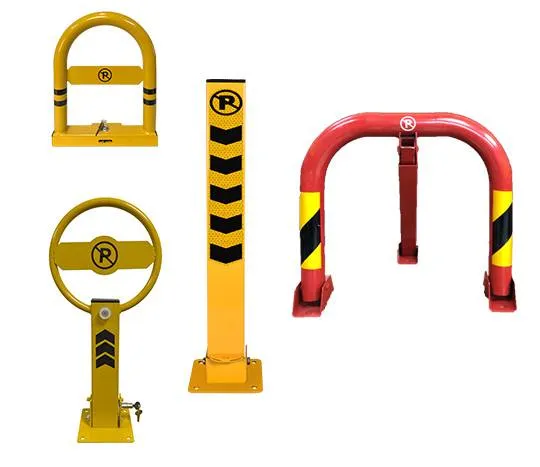
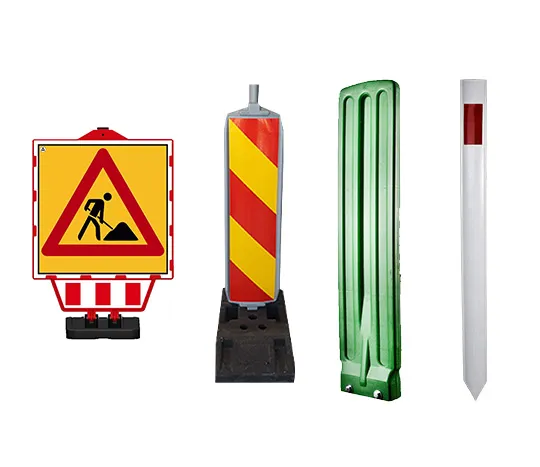
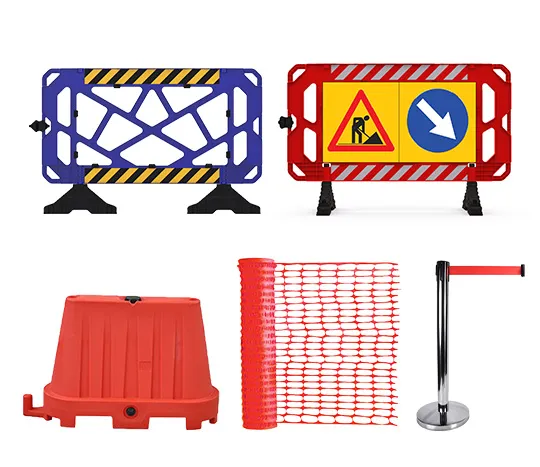
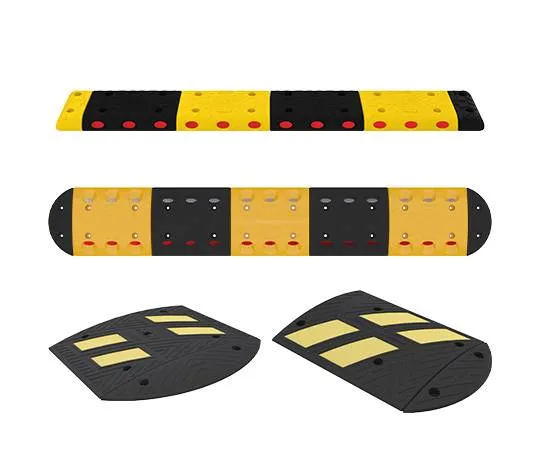
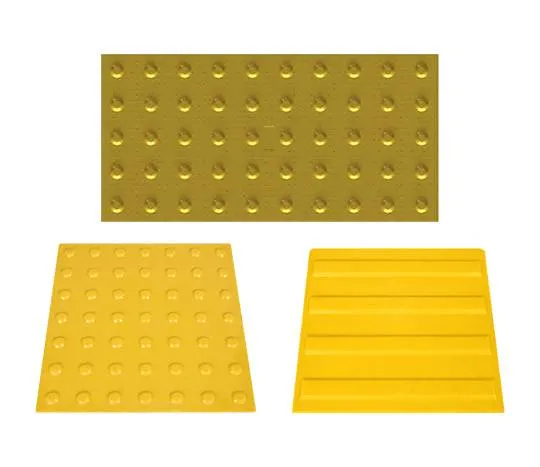
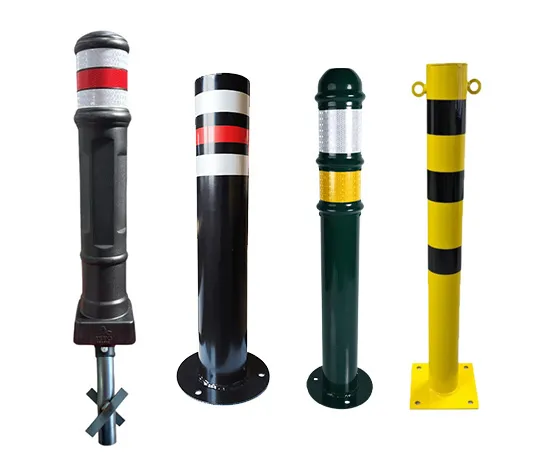
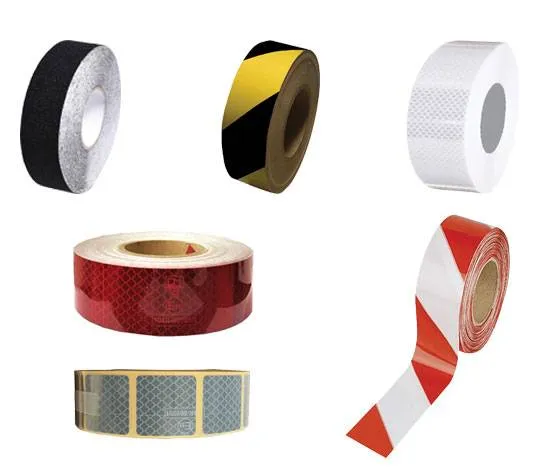
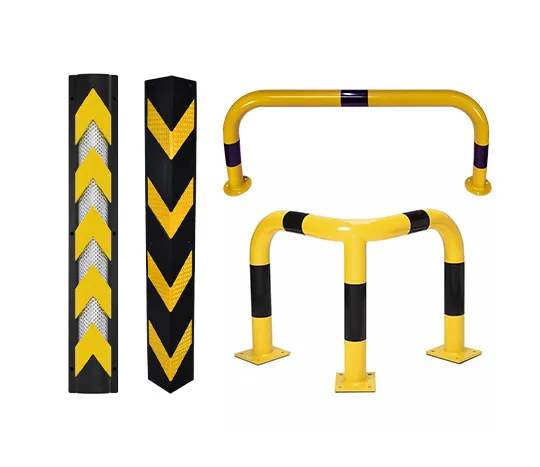
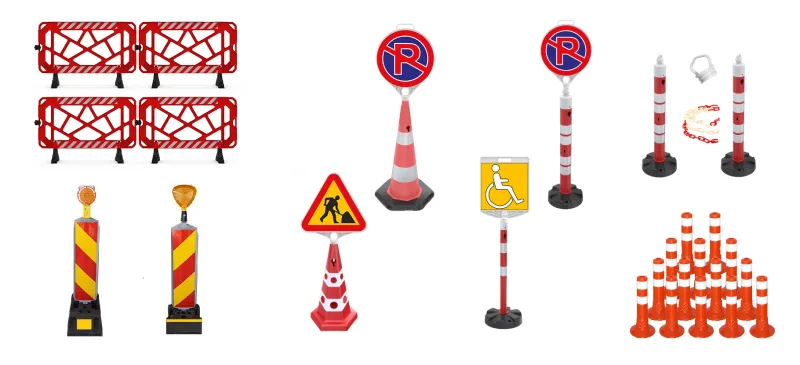
Best-selling Traffic Cone Products
Environmental impact and economic advantages
The use of recycled and sustainable materials in the production of traffic cones has a significant impact on reducing pollution and the consumption of natural resources. This change not only supports global efforts to combat climate change but also contributes to reducing waste that would otherwise end up in landfills.
Beyond the ecological impact, adopting sustainable materials can also have long-term economic benefits. Production costs can be lowered due to the use of recycled materials, which are often cheaper than new raw materials. Additionally, traffic cones made from sustainable materials have a longer lifespan, reducing the need for frequent replacements and, consequently, maintenance costs.
The future of sustainable traffic cones
The traffic cone industry continues to innovate, seeking more efficient and eco-friendly solutions for their production. For example, some companies are experimenting with the use of bioplastics – materials derived from plant sources such as corn or sugarcane – which can be biodegradable and less polluting than traditional plastics. This direction promises an even greater reduction in environmental impact and an increase in sustainability.
As the demand for road safety solutions continues to grow, the pressure on manufacturers to adopt eco-friendly practices will also continue to rise. Furthermore, international regulations regarding environmental protection are becoming increasingly stringent, encouraging the industry to adopt sustainable technologies and materials.
Conclusion
Traffic cones are not only a key element for road safety but also an opportunity to make significant progress in sustainability. By adopting recycled and sustainable materials, the industry can contribute to environmental protection and reduce the consumption of natural resources. Moreover, these innovations bring significant economic benefits and offer high-quality products while maintaining safety and efficiency on public roads. In an increasingly environmentally conscious world, traffic cones made from sustainable materials are becoming more popular, representing a safe and eco-friendly solution to today's challenges.