





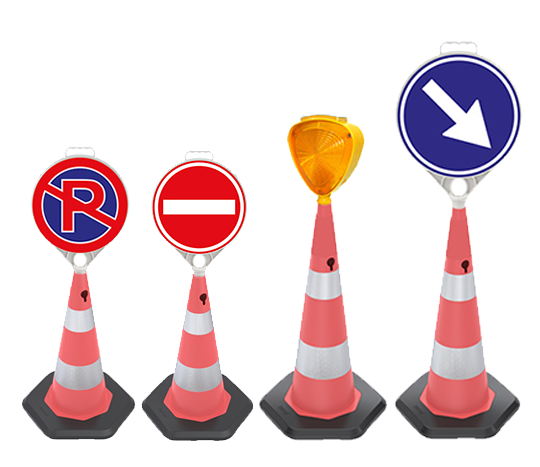
Traffic cones: Their versatility and extensive uses in various environments
Traffic cones, also known as safety markers, are not just a common element on roads, but represent an extremely versatile solution used in a variety of scenarios. Although initially designed to delineate hazardous areas or to manage road traffic, they have found applications in surprisingly diverse fields, from crowd management to indicating various maintenance works. In this article, we will explore some of these lesser-known uses, highlighting the importance and versatility of traffic cones.
The use of traffic cones on construction sites
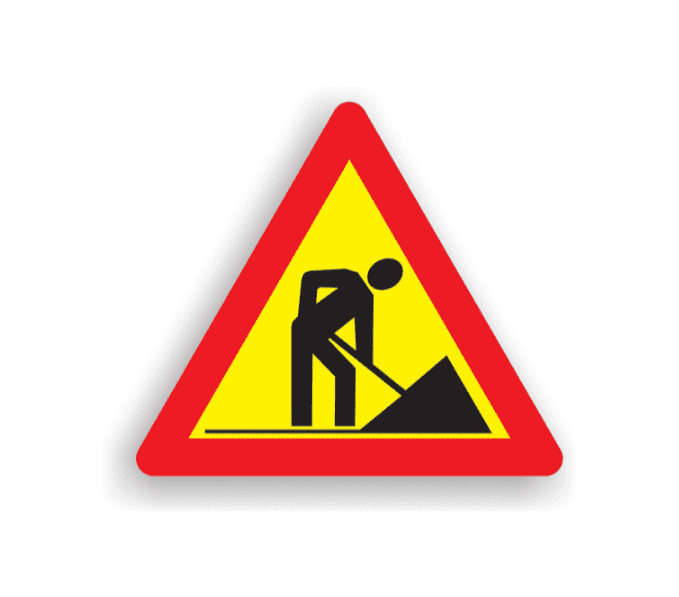
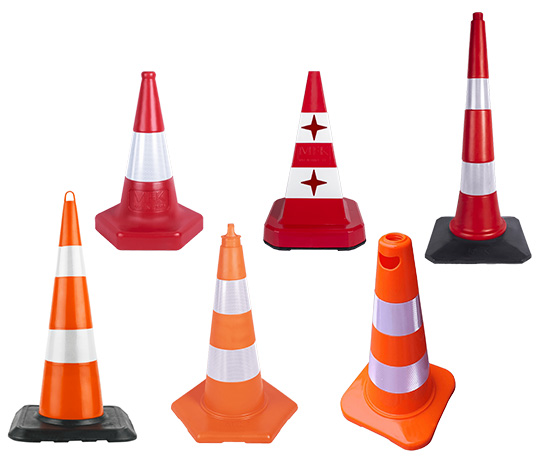
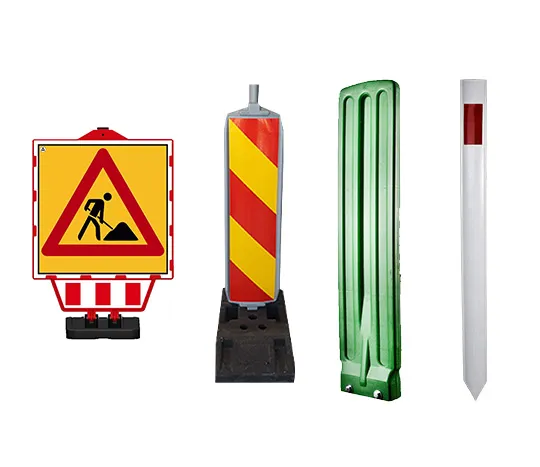
On construction sites, traffic cones are essential for marking hazardous areas. They are used to delineate the perimeter of the works, thus protecting workers from accidents and guiding vehicles and people to safe areas. The fluorescent orange color and reflective bands of the cones ensure excellent visibility both day and night, thus preventing unpleasant incidents.
Additionally, traffic cones can be used to mark temporary roads or detours in case access to a main road is blocked due to repair or construction works. Thus, they not only protect workers but also guide road users in a safe and efficient manner.
Crowd management at public events
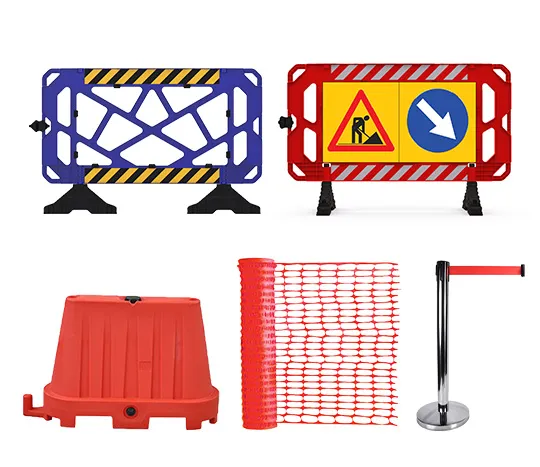
Another area where traffic cones are effectively used is crowd management at public events. Whether it is concerts, festivals, or sporting events, traffic cones help organize the flow of people and avoid dangerous overcrowding. They are used to delineate the paths that participants must follow or to signal restricted areas, thus contributing to maintaining order and safety.
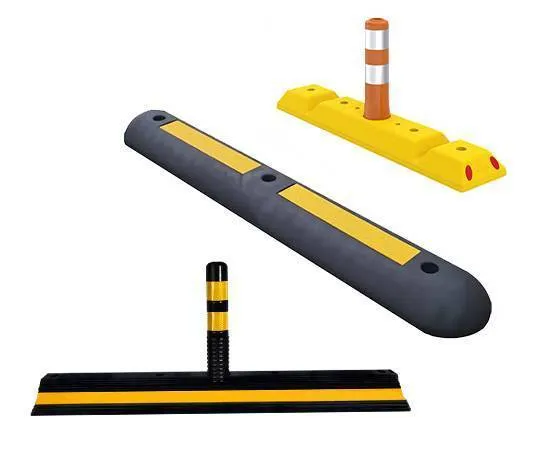
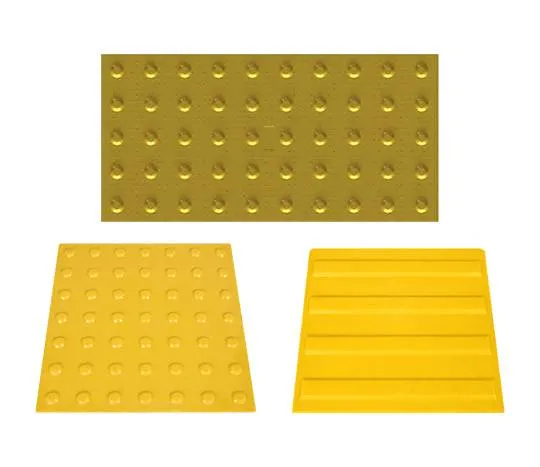
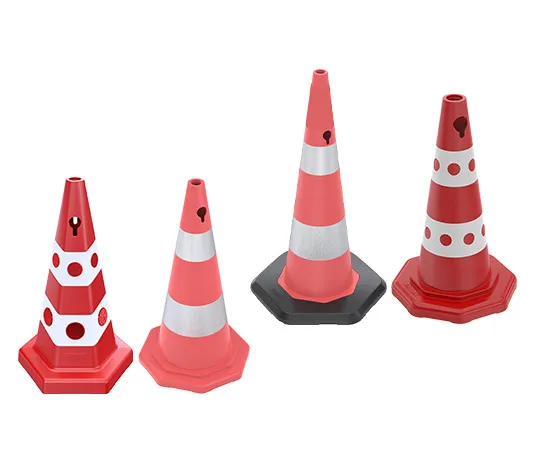
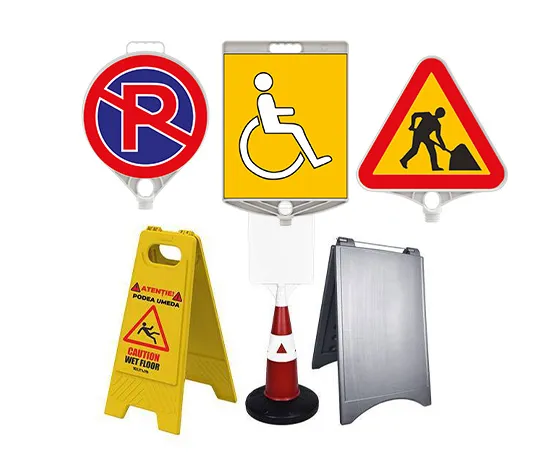
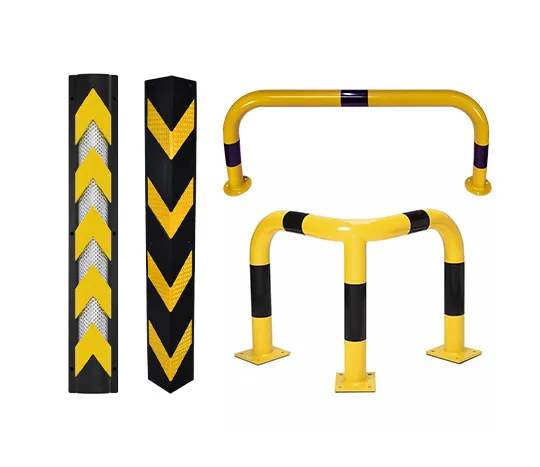
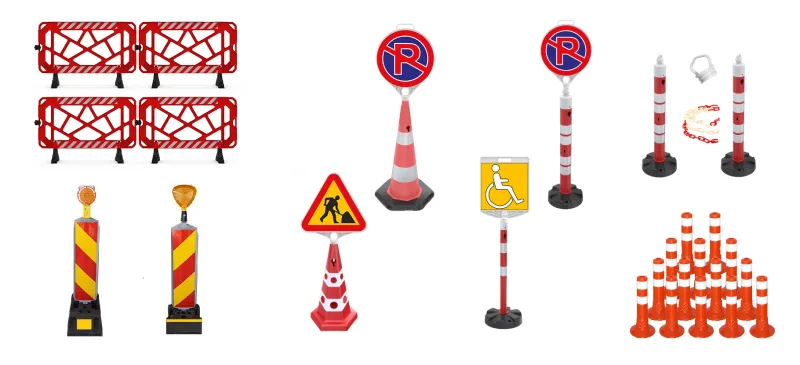
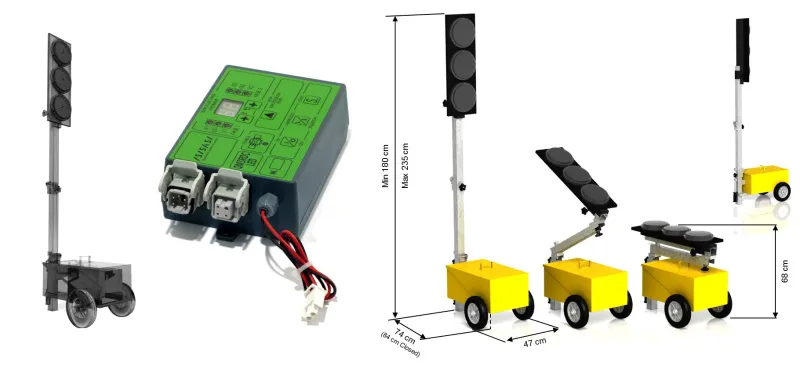
Best-selling Traffic Cone Products
Driving training and driving schools
Traffic cones also play an essential role in driving training and driving tests. They are used to create training routes that mimic various traffic situations. By strategically positioning the cones, instructors can assess the skills of trainees in maneuvering vehicles and adhering to traffic rules. The cones allow for the simulation of real scenarios, such as parallel parking or obstacle avoidance, thus preparing future drivers for the challenges of traffic.
Delineating parking areas
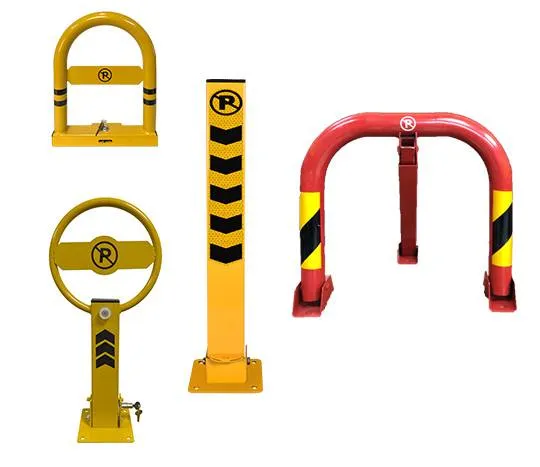
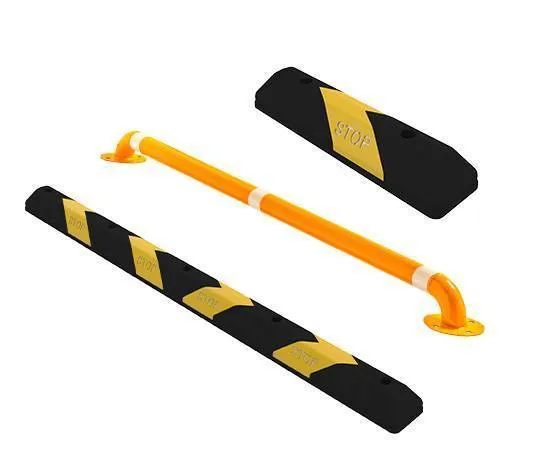
Another area of use for traffic cones is delineating parking areas. They are useful both in temporary parking lots and in areas where parking needs to be managed carefully, such as near office buildings, schools, or shopping centers. Cones are placed to indicate available spots or to signal areas where parking is prohibited.
Pedestrian protection and signaling pedestrian areas
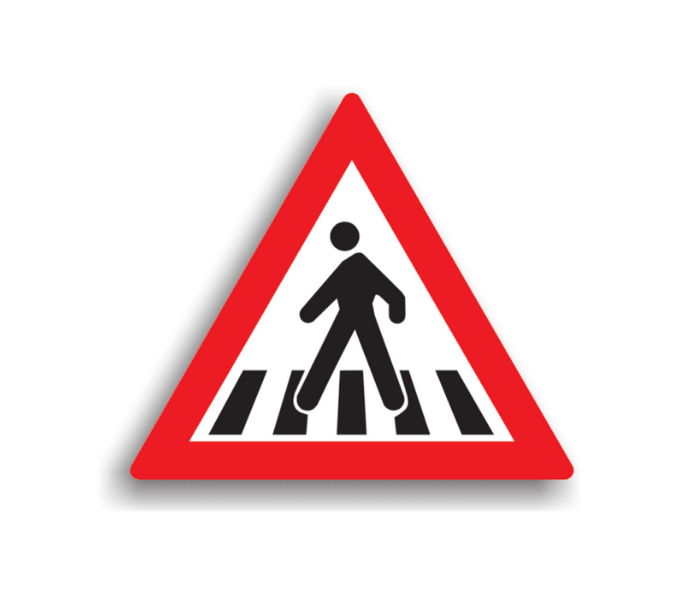
Traffic cones are also used for pedestrian protection. They can be temporarily placed to signal repair works on sidewalks or to guide pedestrians to safe routes in construction or high-traffic areas. Thus, they contribute to reducing risks for pedestrians, especially in crowded urban areas.
Conclusion
Traffic cones are much more than simple traffic management elements. Their versatility allows them to be used in a variety of environments, from construction sites and public events to driving schools and parking lots. This adaptability makes them indispensable for maintaining safety and organization in numerous situations. Moreover, the materials they are made of and their bright colors ensure maximum visibility, regardless of lighting conditions.