

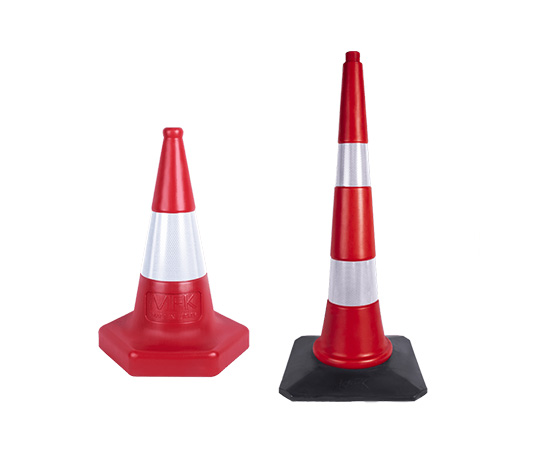
Traffic Cones: The Ideal Solution for Temporary Traffic Management
In the modern context, traffic management represents a significant challenge for authorities and companies involved in road infrastructure. Any maintenance work, construction, or event organization on roads involves risks that must be effectively managed to avoid accidents and minimize disruptions. In this regard, traffic cones have proven to be an essential tool, especially when it comes to temporarily organizing the flow of vehicles and pedestrians.
The Importance of Traffic Cones in Temporary Situations
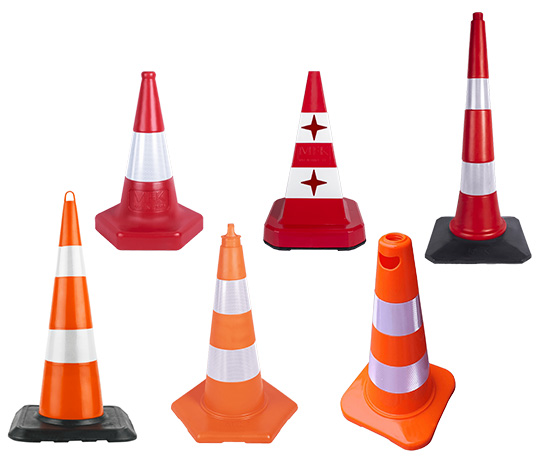
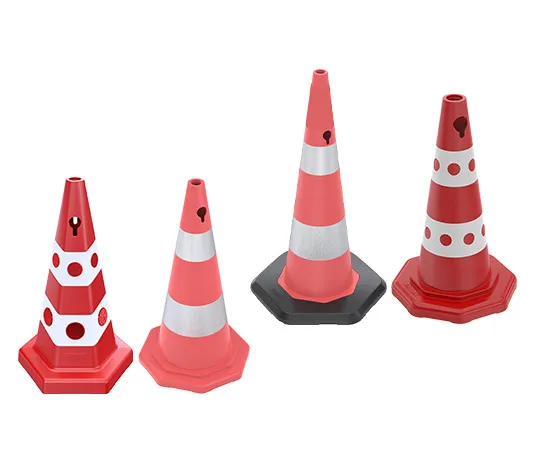
Traffic cones, also known as traffic cones, are designed to be visible, easy to move, and effective in delineating and signaling areas with restricted traffic. Whether it is an accident, road maintenance work, or an organized event on the roadway, cones are used to guide vehicles and pedestrians away from dangerous areas.
One of the main advantages of traffic cones is their portability. They can be quickly deployed without the need for heavy equipment or specialized personnel. Due to their shape and the materials they are made from, they provide a flexible and durable solution for temporary traffic management.
Visibility: A Key Element
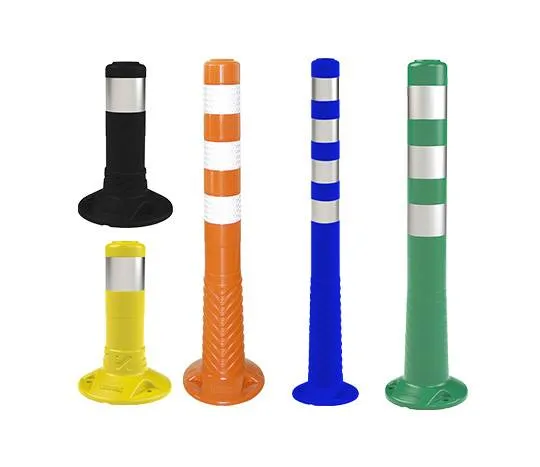
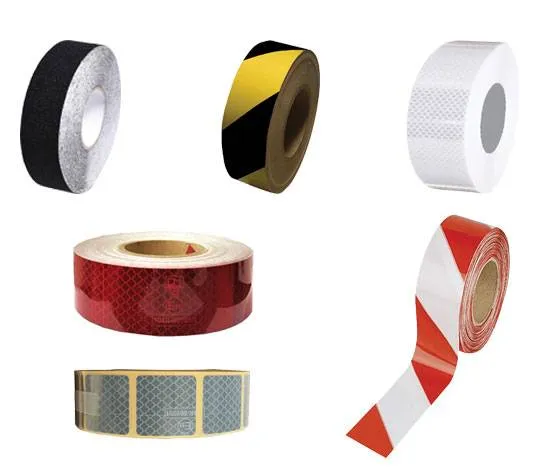
An essential aspect of traffic cones is their high visibility. Most cones are bright orange in color, with reflective bands that make them visible both during the day and at night. These reflective bands comply with safety standards and ensure that the cones are seen from a distance by drivers, thereby reducing the risk of accidents in work zones.
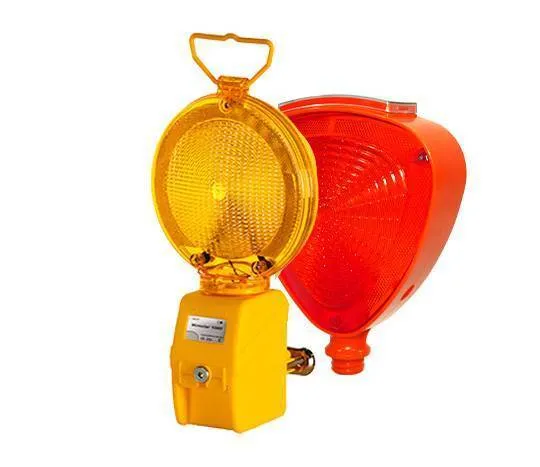
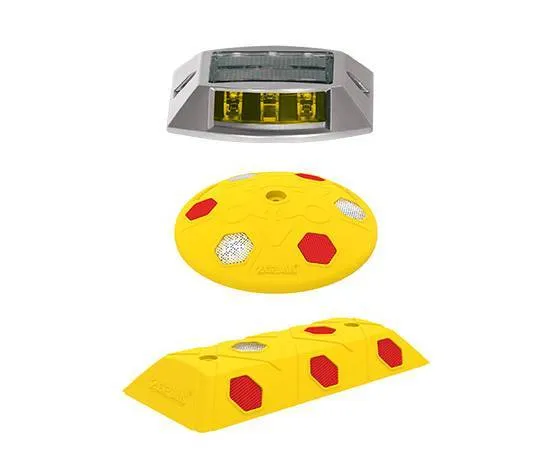
To enhance visibility in low light conditions or at night, some cones are equipped with light devices that further increase their visibility, ensuring effective signaling even in the most challenging weather conditions.
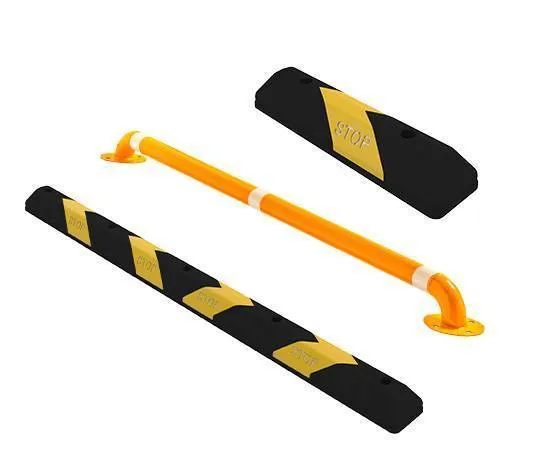
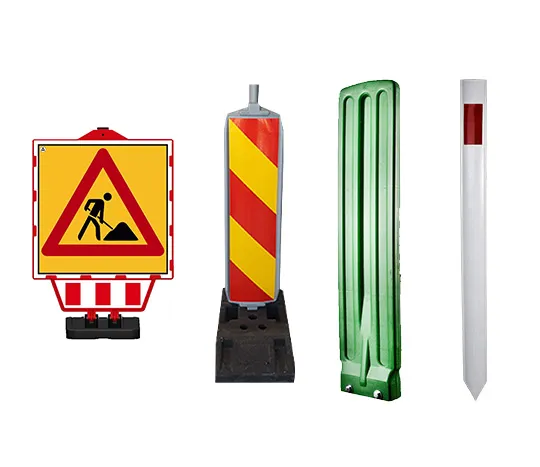
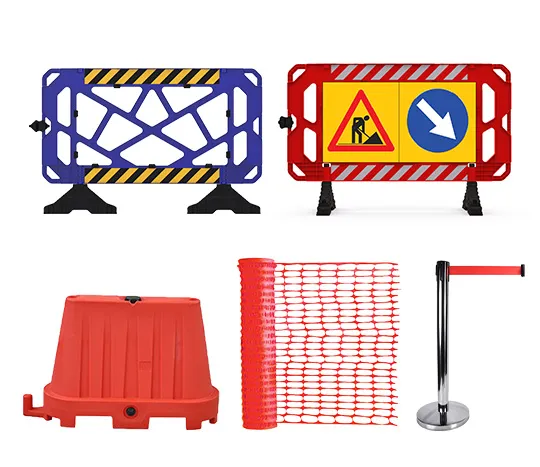
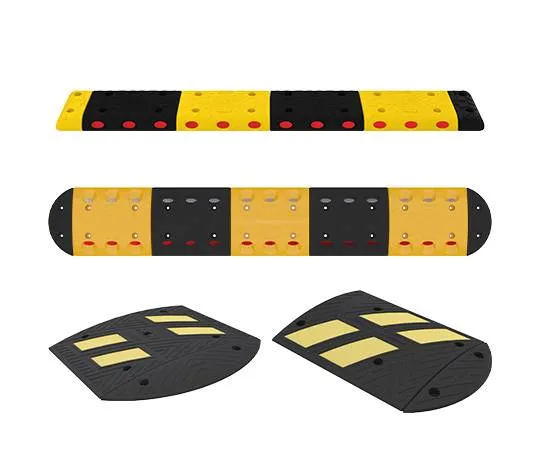
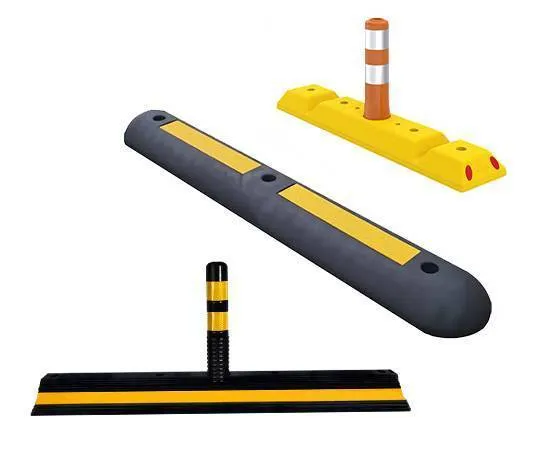
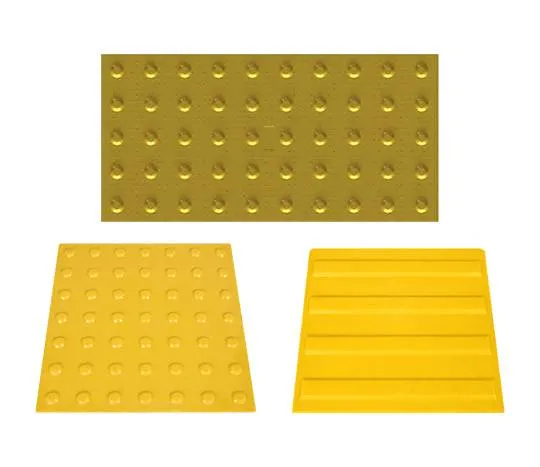
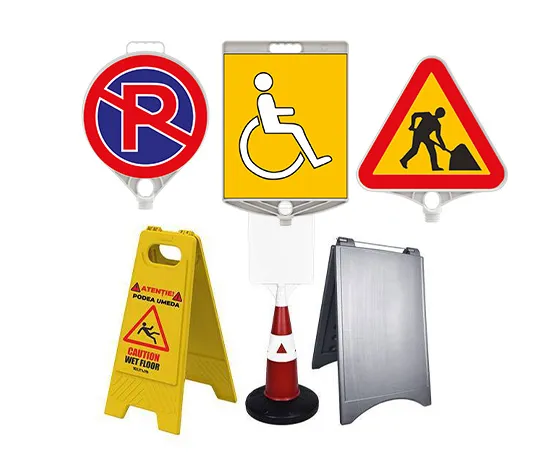
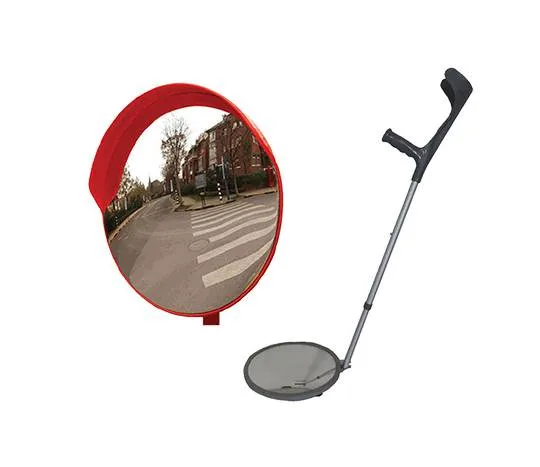
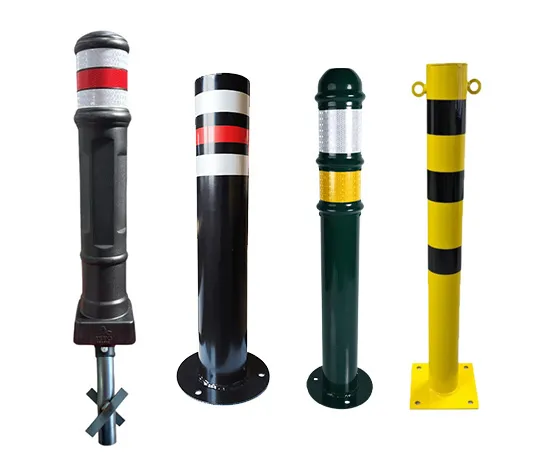
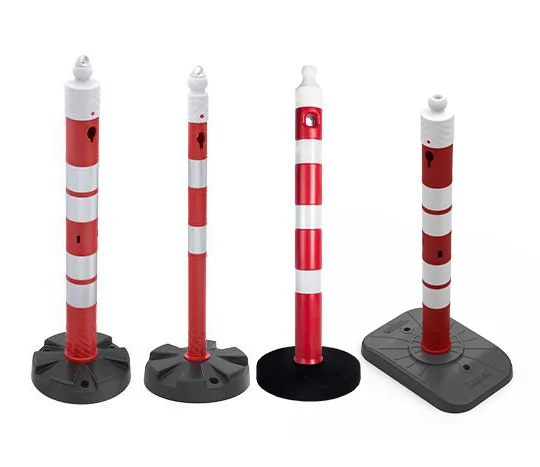
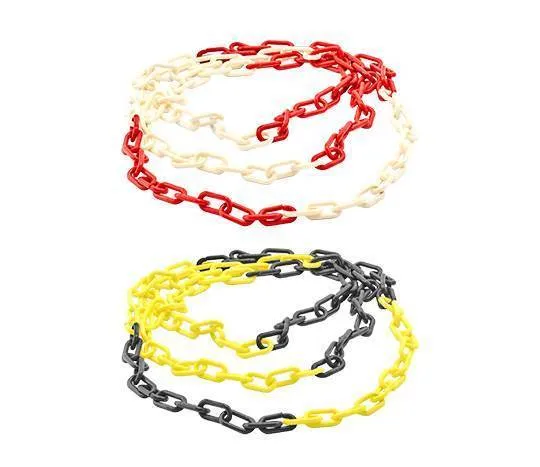
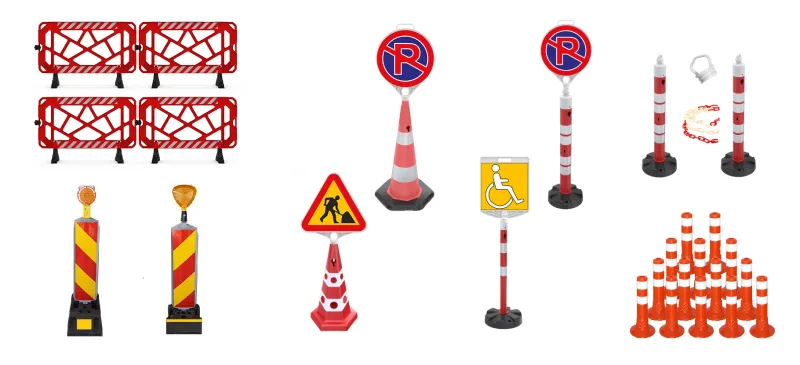
Best-Selling Traffic Cone Products
Materials and Durability of Traffic Cones
Modern traffic cones are made from durable plastic materials that are impact-resistant and withstand extreme weather conditions. Polyurethane and PVC are among the most commonly used materials, providing flexibility as well as high wear resistance. These materials allow cones to maintain their shape even after multiple uses, being capable of withstanding shocks caused by vehicle impacts or harsh environmental conditions.
Additionally, the weight of the cones is an important aspect. Most cones are designed to be heavy enough to remain stable on the road, even in windy conditions or when vehicles pass at high speeds. At the same time, they are light enough to be easily moved and repositioned.
Special Uses and Versatility
In addition to their usual use in traffic management, traffic cones can also be used in other contexts. For example, they are frequently used at sporting or cultural events to delineate access areas, or in temporary parking lots to signal closed areas. Traffic cones can also be used in schools to mark safety zones for children or in parks to delineate running or cycling paths.
Conclusion
Traffic cones represent a versatile, efficient, and cost-effective solution for temporary traffic management and delineating hazardous areas. Their high visibility, durability, and ease of use make them indispensable in roadworks, as well as in other scenarios that require the organization and safety of vehicle and pedestrian flows. On attotrafic.ro/, you can find a wide range of traffic cones tailored to your needs, whether for temporary works or organizing a large event.