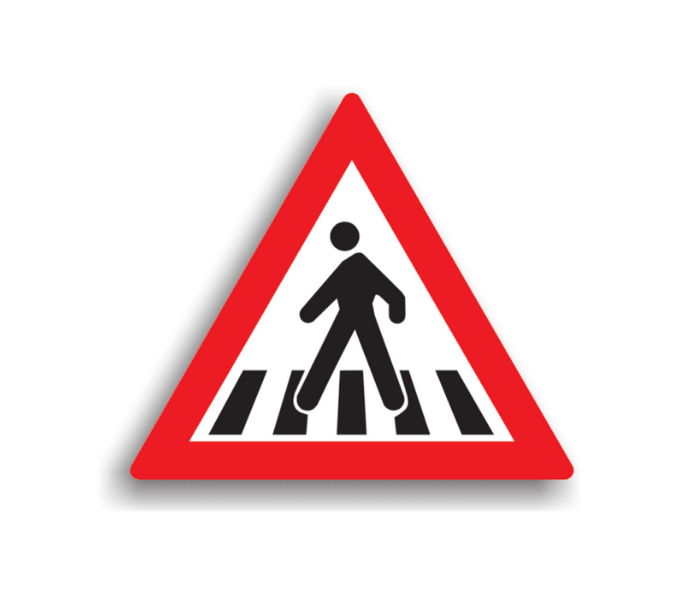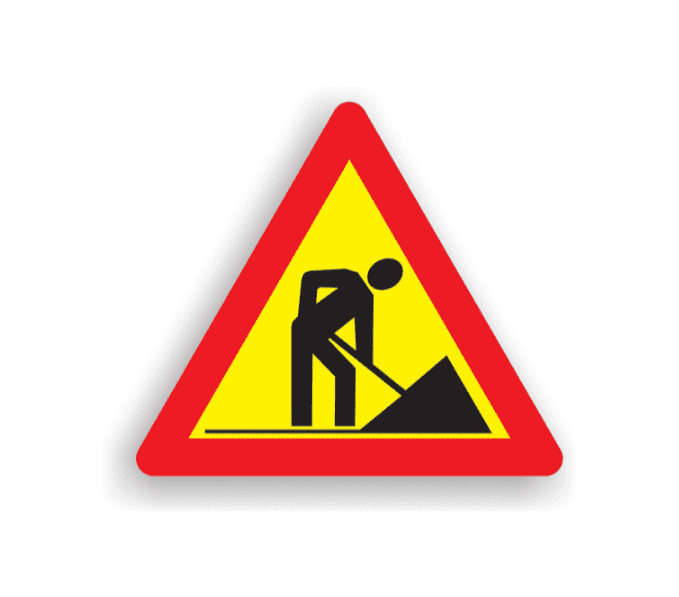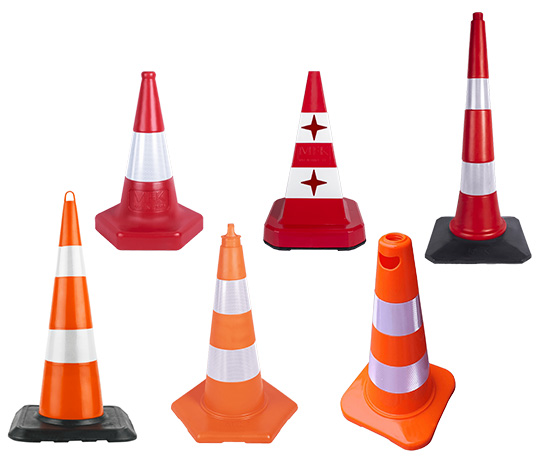

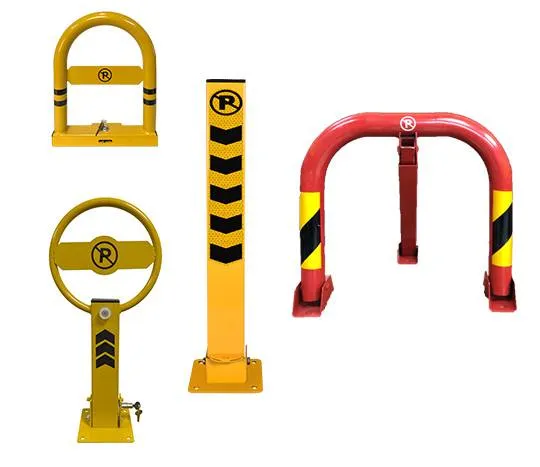
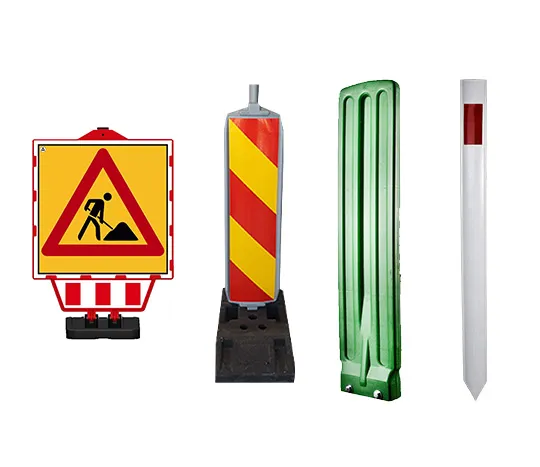
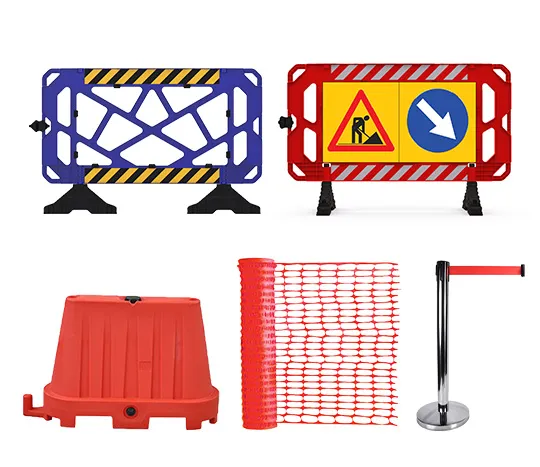

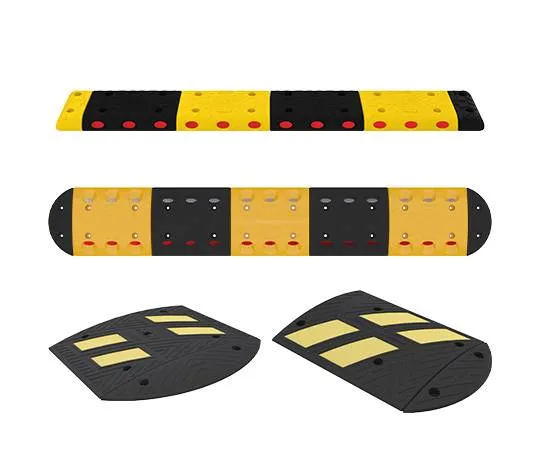


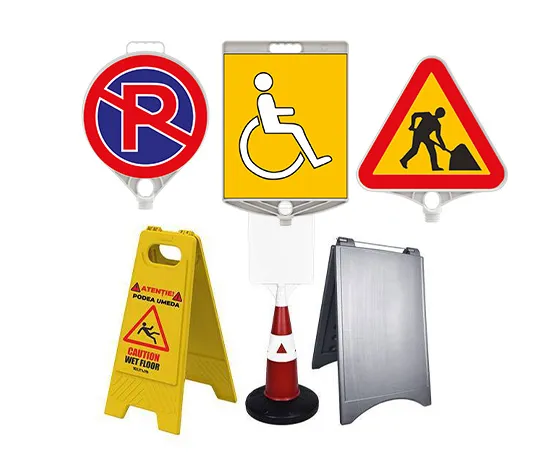
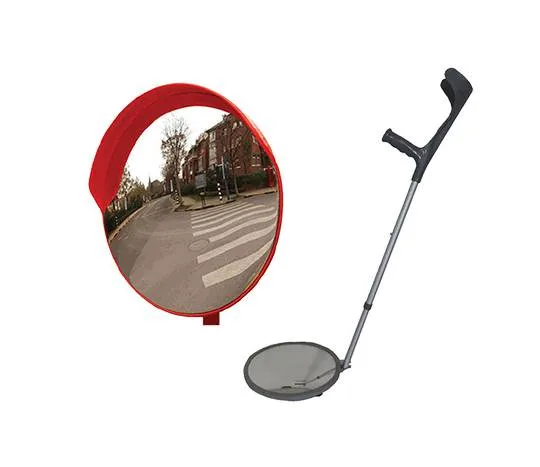

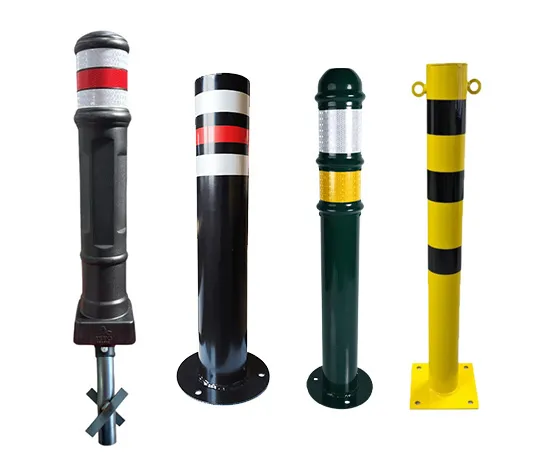
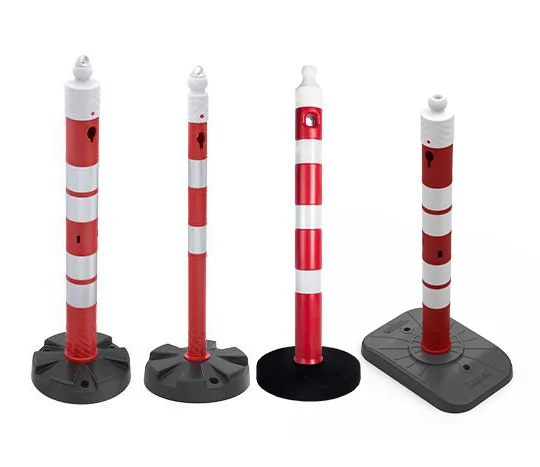


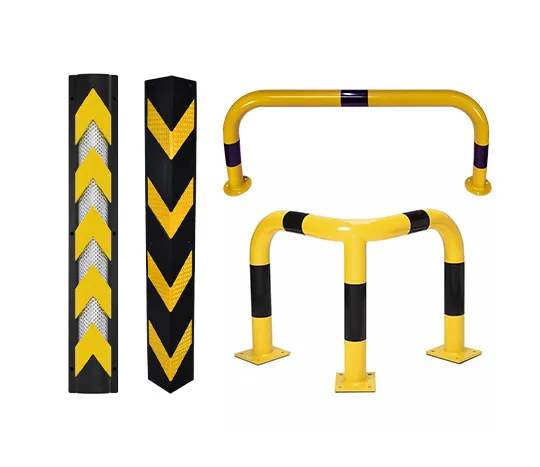

The poles for road signs are essential for traffic organization and safety. They not only support the signs but also contribute to the visibility and clarity of road signaling. In this article, we will explore how these poles are used and the importance of each type of pole within the road infrastructure.
Types of poles for road signs and their use
- Galvanized metal poles
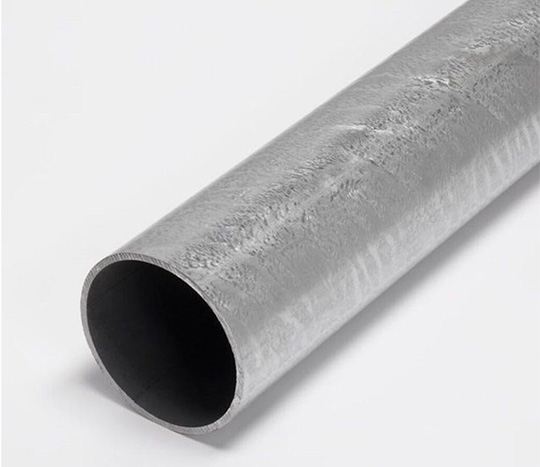
Galvanized steel poles are the most commonly used due to their durability and high resistance to corrosion. These poles are often used on main roads, intersections, and areas with heavy traffic. Galvanized steel ensures that the poles withstand extreme weather conditions, such as rain, snow, and high or low temperatures. The poles are firmly anchored in the ground to support large and heavy signs, keeping them stable and visible to drivers.
- Aluminum poles
Aluminum is a preferred material for road sign poles in areas where minimal maintenance is required and where weight is an important factor. Aluminum poles are often used in residential areas and on secondary roads. The natural resistance of aluminum to corrosion makes it ideal for long-term use without the need for additional protection.
- Plastic poles
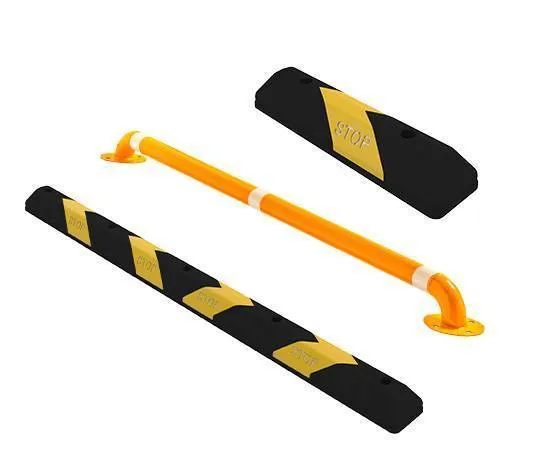
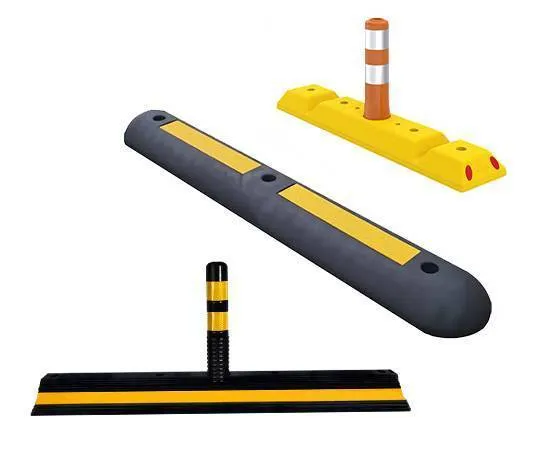
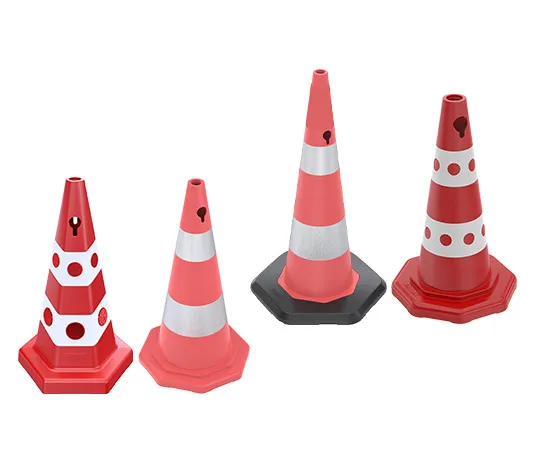
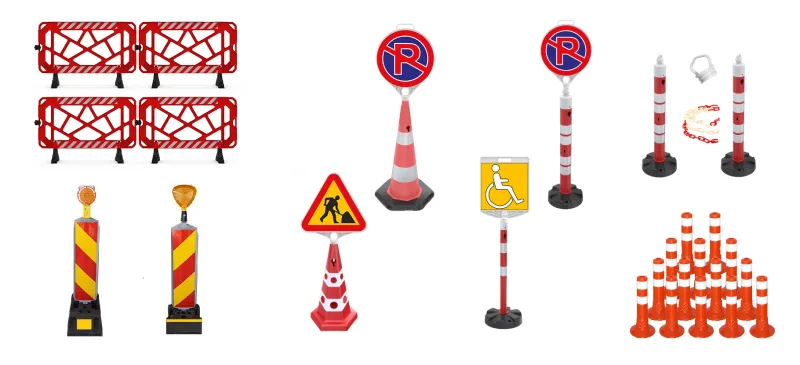
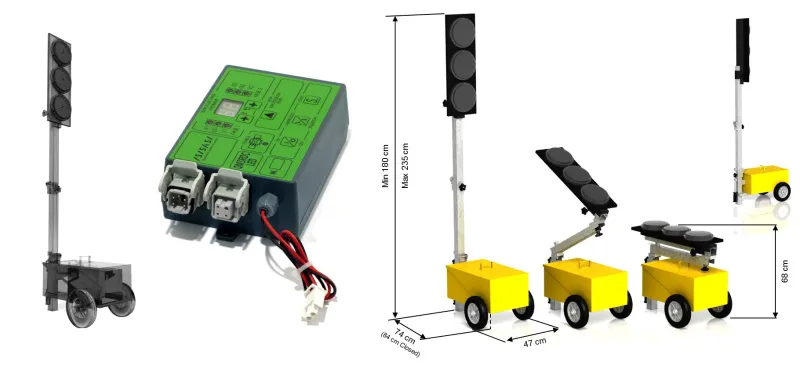
Plastic poles are specifically used in high-impact risk areas, such as parking lots and low-traffic roads. Plastic materials, such as PVC or high-density polyethylene (HDPE), are flexible and absorb impact, thus protecting vehicles and reducing damage in case of collision. Additionally, plastic poles are often used for temporary traffic lights or for directional signs in construction or work zones.
Best-selling Road Sign Poles
Installation and Usage Module
- Location Planning
The location of the poles must be carefully planned to ensure optimal visibility of the signs. The poles should be placed at strategic points where they can provide the most useful information to drivers and prevent accidents. For example, poles for speed limit signs must be visible from long distances and placed near areas where speed limits change.
- Installing the poles
The installation of road sign poles involves several important steps:
- Digging foundations: The poles must be installed in stable ground, and the foundations must be deep enough to ensure stability.
- Mounting the poles: The poles are placed in the foundations and secured with concrete or other fastening materials.
- Attaching the signs: Once the poles are fully secured, the signs are mounted on the poles using appropriate brackets and accessories.
- Maintaining the poles
Regular maintenance of the poles is essential to ensure their optimal functioning. Periodic checks include inspecting the poles for signs of corrosion, damage, or loosening. In the case of metal poles, it is important to check if the galvanization layer is intact, and for plastic poles, to check for cracks or damage caused by impact.
The Importance of Poles for Road Signs
Poles for road signs are more than just simple supports for signals. They play a crucial role in road safety, traffic organization, and accident reduction. By using appropriate materials and proper installation, poles ensure that road signs remain functional and effective in the long term.
In conclusion, choosing the right materials and properly installing poles for road signs are crucial for maintaining a safe and efficient road infrastructure. The poles not only support the signs but also contribute to creating an organized and predictable traffic environment.