



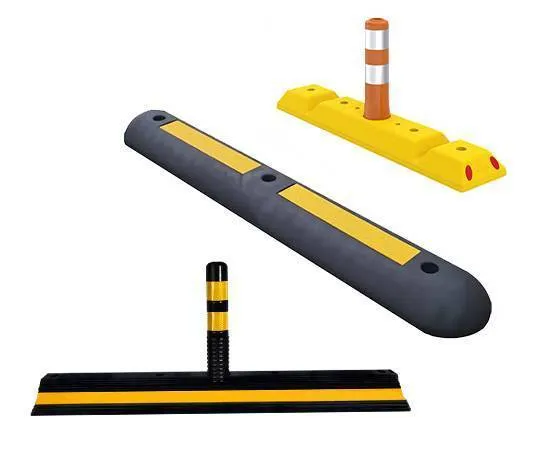




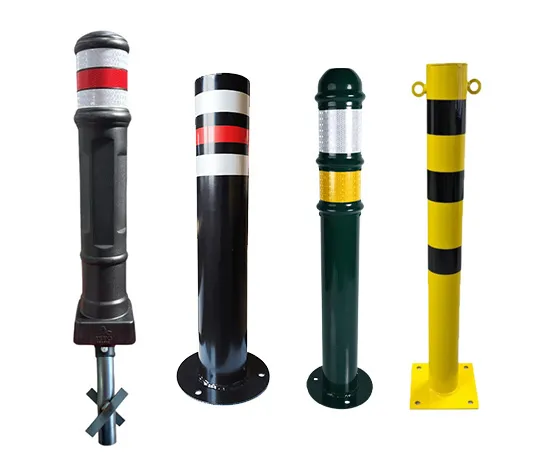
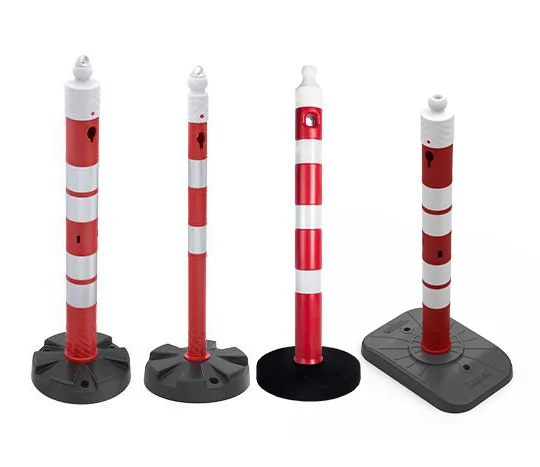

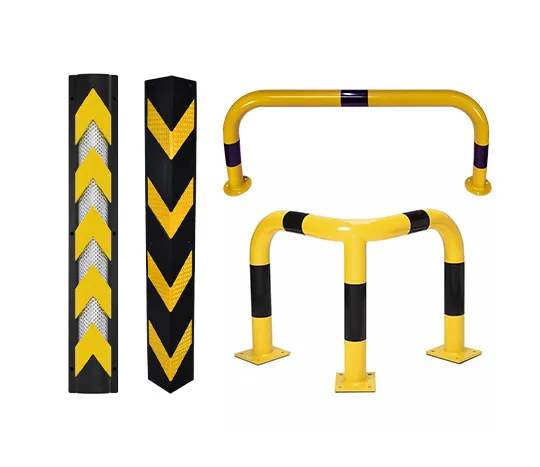
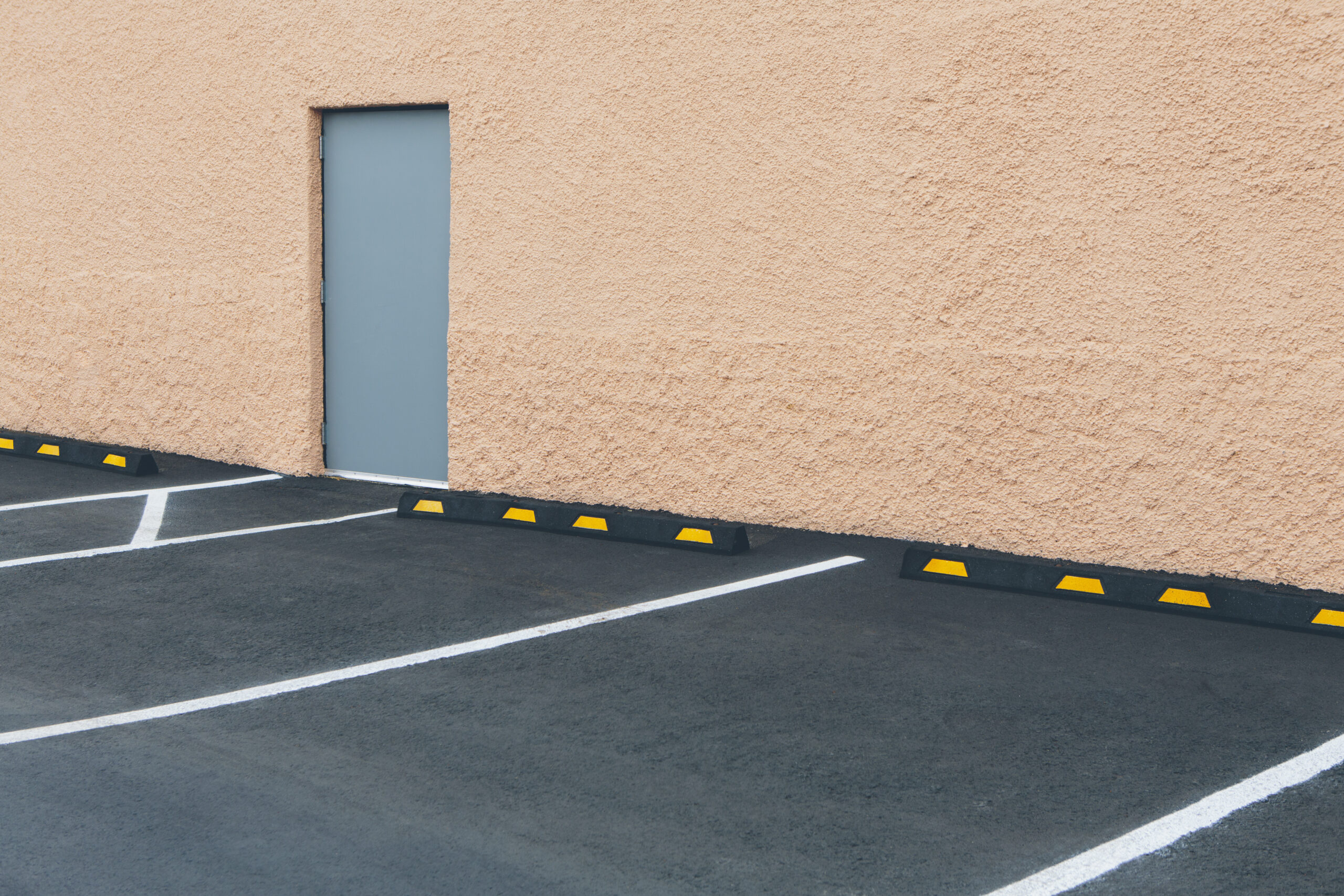
Rubber car stops have become an essential element in managing and protecting parking spaces. These devices are valued for their durability, flexibility, and effectiveness in preventing accidents and protecting infrastructure. But have you ever wondered how these stops are made and what materials are used in the production process? This article will provide you with a detailed look at the manufacturing process and the materials used.
Materials Used in the Manufacturing of Rubber Stops
The main material used in the manufacturing of car stops is rubber, which can be of two types:
Natural Rubber:
- Source: Natural rubber is extracted from the latex of rubber trees (Hevea brasiliensis). It is an eco-friendly and sustainable material that offers a unique combination of elasticity and strength.
- Properties: Natural rubber has excellent resistance to wear and impact, making it ideal for use in parking environments where shock absorption and protection of vehicles and infrastructure are needed.
- Durability: Generally, natural rubber is more durable than synthetic rubber under certain conditions, but it can be more susceptible to damage from prolonged exposure to UV light and ozone.
Synthetic Rubber:
- Source: Synthetic rubber is produced from chemical compounds, primarily based on petroleum. Common types include styrene-butadiene rubber (SBR), nitrile rubber, and EPDM rubber.
- Properties: Synthetic rubber is often used for its superior resistance to extreme weather conditions, chemicals, and abrasion. It is less susceptible to cracking and aging than natural rubber.
- Versatility: Synthetic rubber can be adjusted to have specific properties, such as flexibility at low temperatures or resistance to oils and solvents.
Best-Selling Rubber Car Stops
The Manufacturing Process of Rubber Stops
The manufacturing process of rubber car stops involves several essential stages:
Preparation of the Rubber Compound:
- Mixing: The first step in manufacturing rubber stops is mixing the necessary ingredients to create the rubber compound. This includes natural or synthetic rubber, vulcanization agents, plasticizers, and other additives that give specific properties to the final product.
- Kneading: After mixing, the rubber compound is kneaded in a rubber kneading machine. This process ensures the homogeneity of the material and eliminates any air bubbles.
Shaping:
- Extrusion: The rubber material is then extruded through a mold to create the basic shape of the stop. During this process, the material may be processed at high temperatures to ensure the necessary flexibility for shaping.
- Pouring: In some cases, stops are formed by pouring, where the rubber compound is poured into a mold and allowed to solidify. This process allows for the creation of complex shapes and precise details.
Vulcanization:
- Heating: Vulcanization is the process by which rubber is heated to a specific temperature in the presence of sulfur to create chemical bonds between polymer chains. This process gives the rubber the necessary strength, elasticity, and durability.
- Finishing: After vulcanization, the stops are cooled and checked for quality. This process ensures that each stop meets performance and safety standards.
Adding Reflective Elements and Markings:
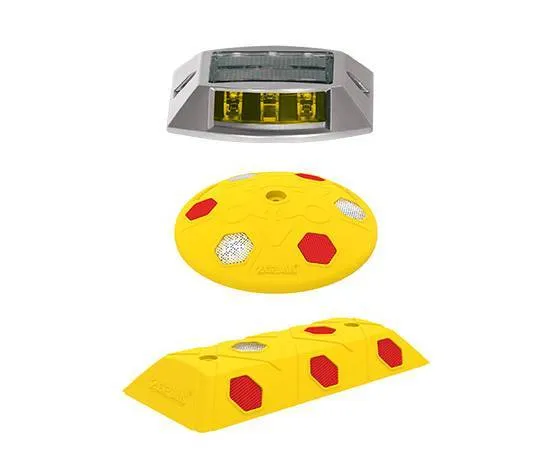
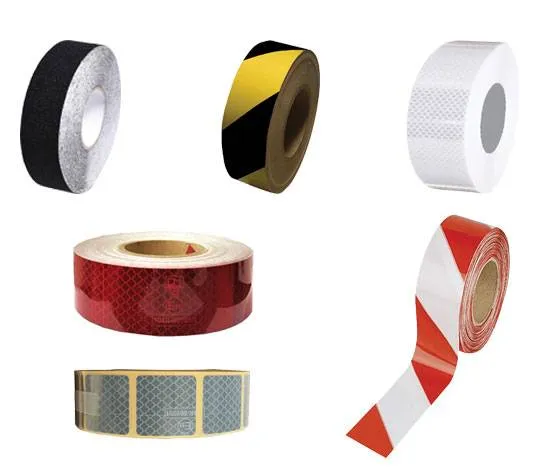
- Application: After shaping and vulcanization, the stops can be equipped with reflective elements or colored markings. These are applied either by gluing or painting to enhance the visibility of the final product.
- Testing: The stops undergo rigorous testing to ensure that the reflective materials are well attached and that the markings are clear and durable.
The Impact of the Manufacturing Process on the Environment
Although the manufacturing of rubber stops involves the use of natural resources and chemical processes, many manufacturers strive to reduce their environmental impact. The use of recycled rubber and the implementation of energy-efficient processes are important steps toward sustainable production. Additionally, rubber stops have a long lifespan, reducing the need for frequent replacements and, consequently, resource consumption.