


Traffic delimiters: solutions for the efficient organization and management of road space
Traffic delimiters play an essential role in creating and maintaining safety and organization on modern roads. These seemingly simple devices are a crucial element of road infrastructure, serving multiple functions, from managing traffic flow to protecting pedestrians and vehicles. In this article, we will explore the various types of traffic delimiters and how they contribute to safer and more efficient circulation in urban and rural environments.
What are traffic delimiters?
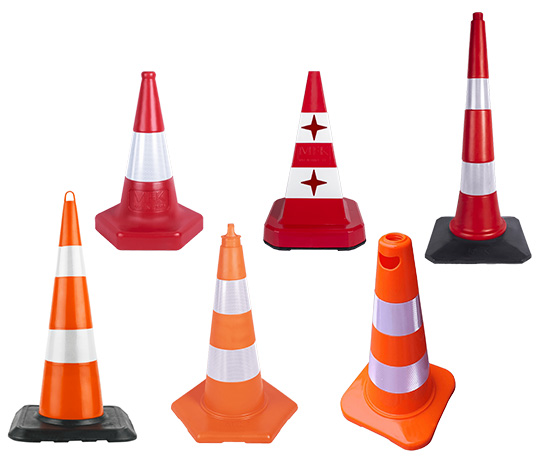
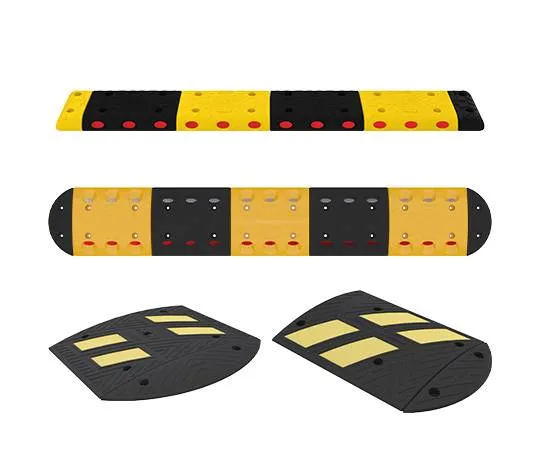
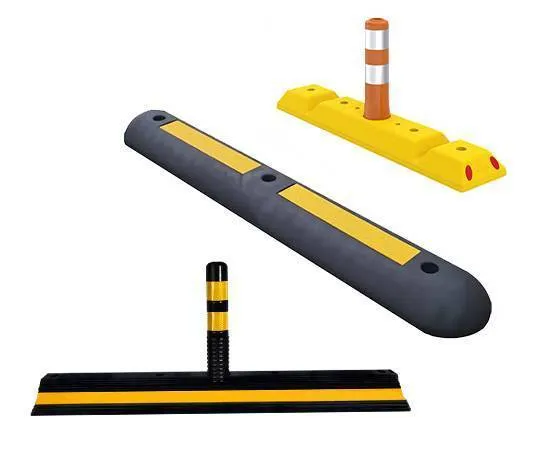
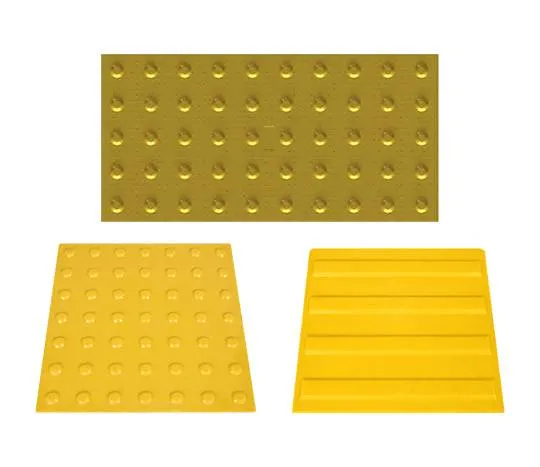
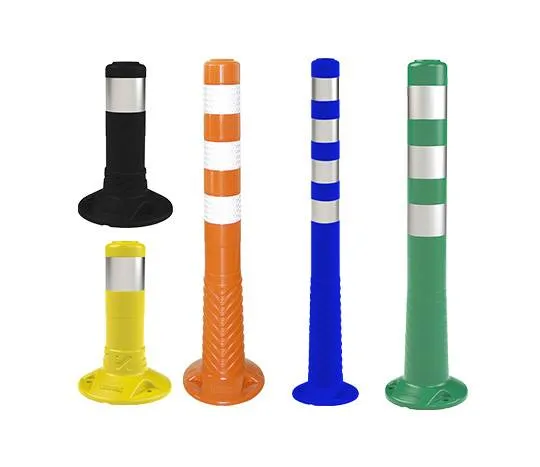
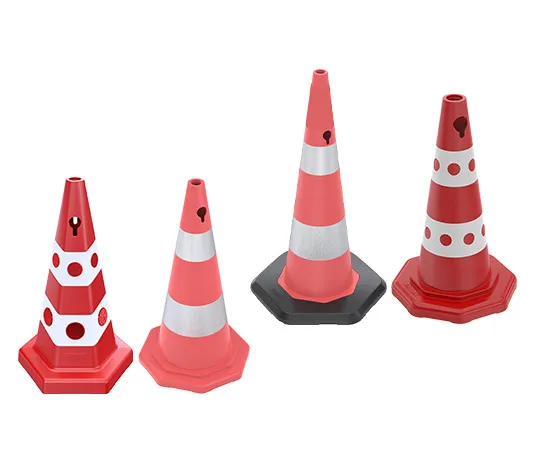
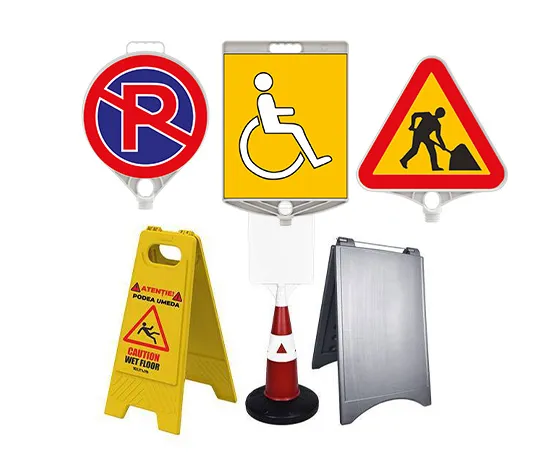
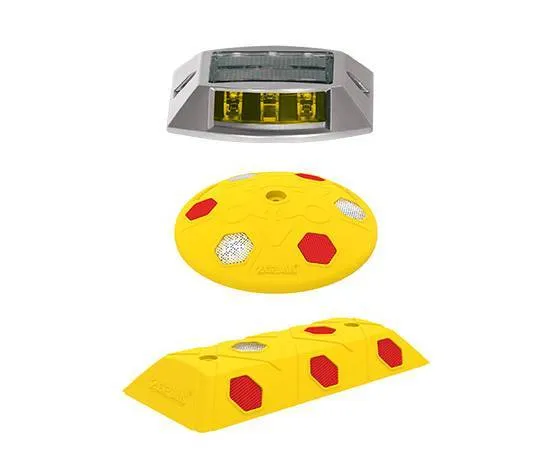
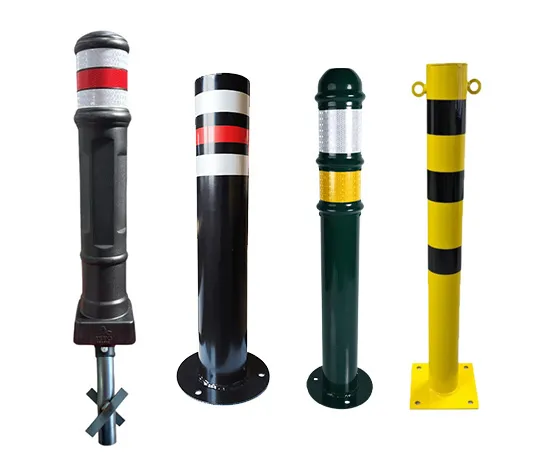
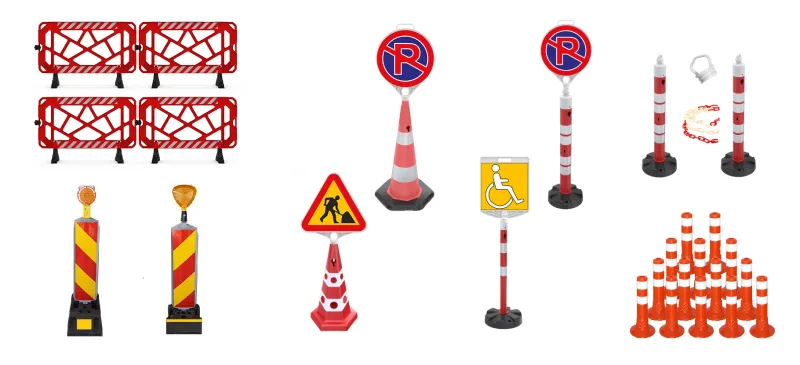
Traffic delimiters are physical elements placed on roads and in various other public spaces to direct and organize traffic flows. They can be made from a wide range of materials, including plastic, rubber, metal, or concrete, and are used for various purposes: from signaling work zones or closed roads to guiding vehicles and delineating traffic lanes.
Best-selling Delimiter Products
Types of delimiters and their uses
Delimiters can be classified based on the materials they are made from and their purpose. Here are some of the most common types of traffic delimiters:
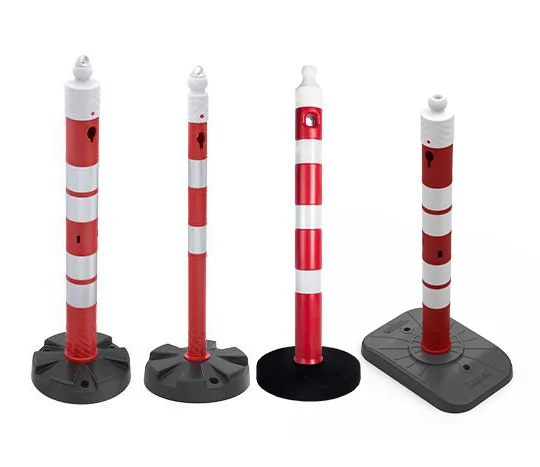
Plastic delimiters
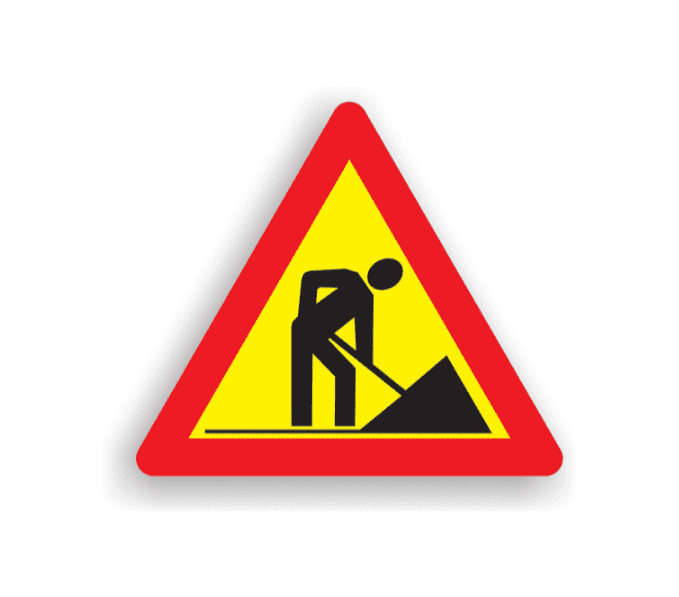
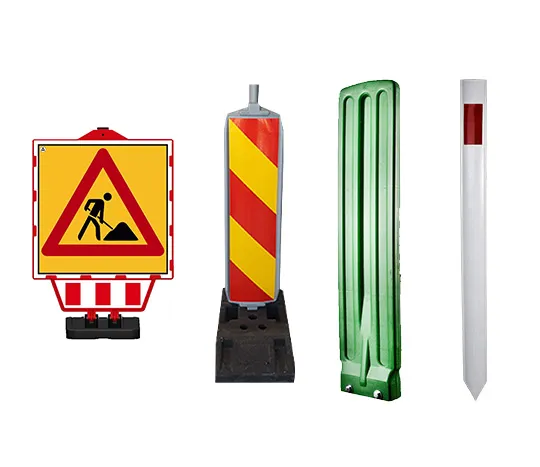
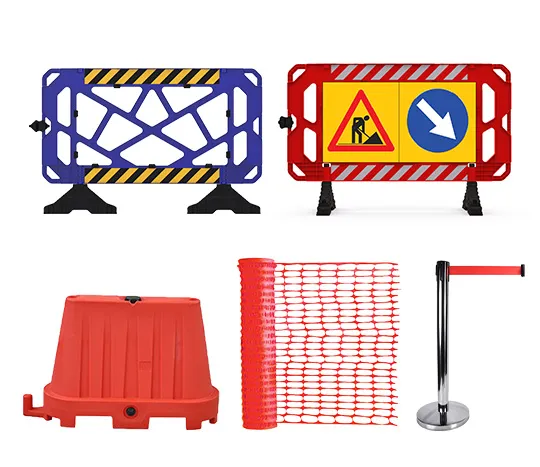
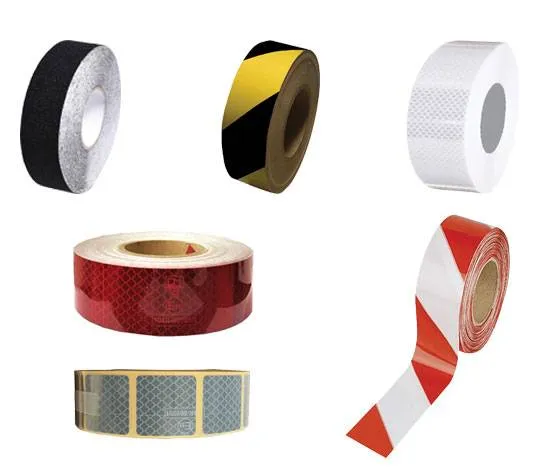
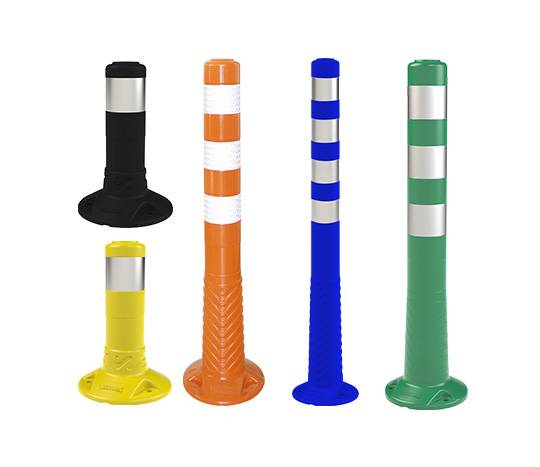
These are the most popular due to their ease of installation and relocation. They are often used temporarily, especially in areas where construction or road maintenance is taking place. Available in bright colors and featuring reflective surfaces, plastic delimiters are visible even in low visibility conditions.Rubber delimiters
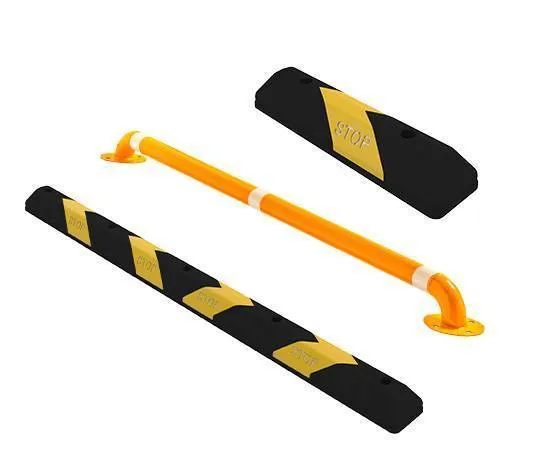
These delimiters are preferred for their flexibility and ability to absorb shocks. They are frequently used in parking lots or near schools and other areas with high pedestrian traffic, as they can minimize damage in the event of minor collisions.Concrete delimiters
These are primarily used to separate traffic flows on highways or busy roads due to their stability and durability. Concrete delimiters are often fixed and serve to prevent head-on collisions or skidding, providing a solid barrier between directions of travel.Metal delimiters
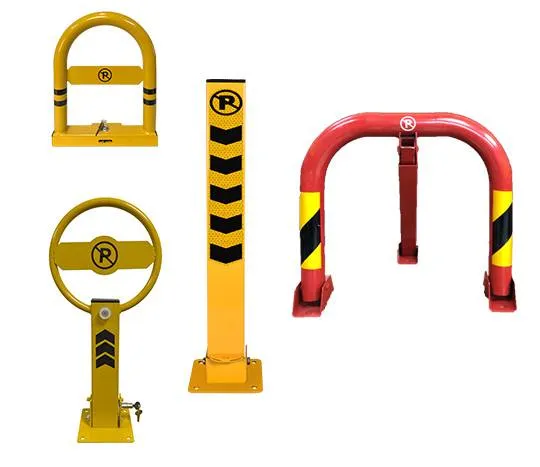
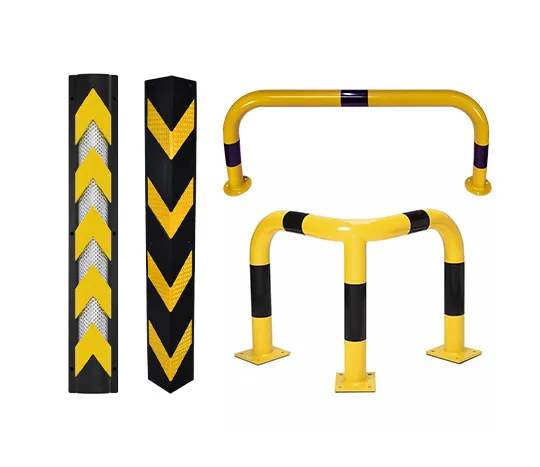
These delimiters are often used to protect structures or to direct vehicles in industrial or parking spaces. They are resistant and durable, suitable for long-term use.
The role of traffic delimiters in road safety
The main purpose of traffic delimiters is to enhance road safety. They help prevent accidents by clearly directing vehicles and separating different traffic flows. For example, delimiters placed on roads with a single lane in each direction can prevent head-on accidents, while delimiters in parking lots help guide cars and avoid collisions.
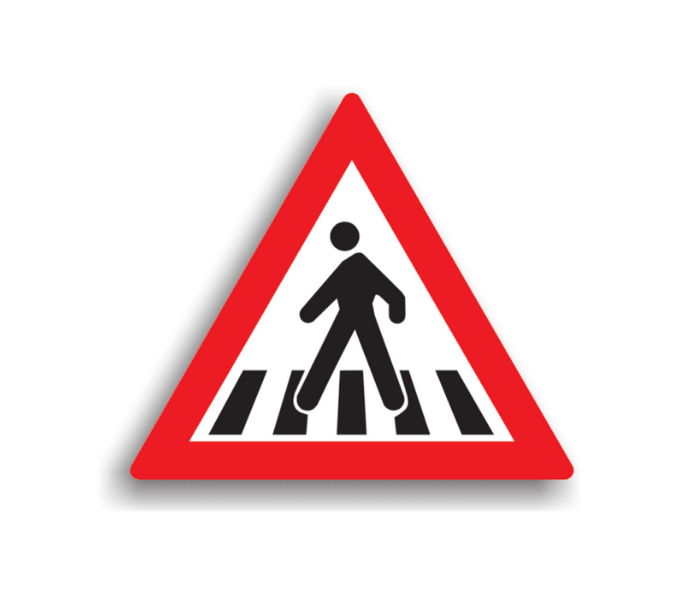
Additionally, delimiters play an important role in protecting pedestrians by ensuring their separation from motor traffic. In areas with heavy traffic, delimiters can be used to create safe pathways for pedestrians, minimizing the risk of accidents.
The benefits of using delimiters in urban and rural environments
Another advantage of using traffic delimiters is that they contribute to the organization and efficiency of road space. In cities, where traffic is often congested and unpredictable, delimiters help reduce congestion and maintain order. They can be used to mark bike lanes, parking areas, or pedestrian zones, making interactions between different categories of road users safer and more predictable.
In rural areas, delimiters can guide vehicles on narrower or unpaved roads, preventing them from leaving the roadway and thus protecting vehicles and drivers from potential hazards. They are also useful in marking hazardous areas, such as sharp curves or sloped roads.
Conclusion
Traffic delimiters are an indispensable element of modern road infrastructure, significantly contributing to the safety and efficiency of circulation. Whether used in urban areas, parking lots, on highways, or in rural environments, these devices ensure better organization of traffic flows and protection for road users. The diversity of materials and designs available allows them to be adapted to a wide range of needs and conditions, giving them an essential role in maintaining long-term road safety.