








Traffic Barriers and Their Impact on Traffic Management in Commercial Spaces and Public Parking Lots
Traffic barriers are essential equipment for organizing and controlling the flow of vehicles, playing a crucial role in enhancing safety and efficiency in various environments. While they are generally associated with public roads, barriers are equally important in commercial spaces, public parking lots, or residential areas. In this article, we will explore the role of barriers in managing these spaces, highlighting the benefits of their use and how they contribute to better traffic organization in areas with variable congestion.
Barriers in Public Parking Lots
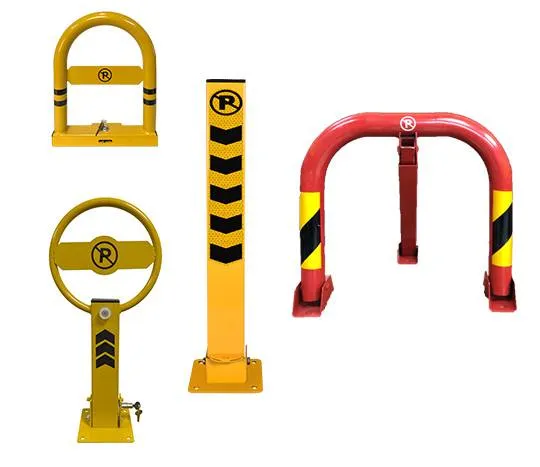
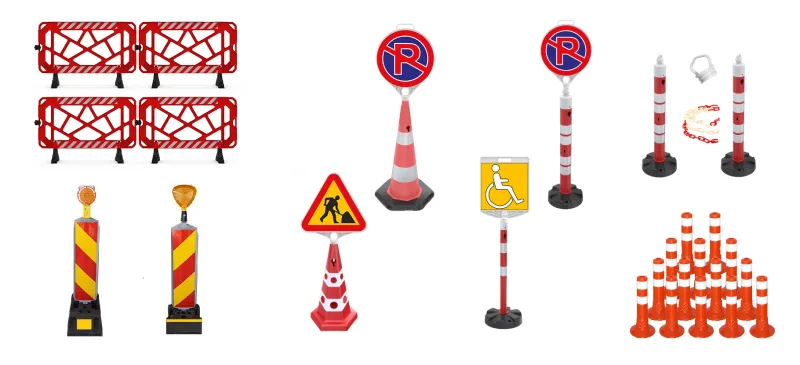
Public parking lots, especially large ones, can often become confusing and crowded places, particularly during peak hours or holiday periods. In these locations, traffic barriers play an essential role in separating the flow of vehicles and efficiently managing parking spaces. They can be used to mark the routes that drivers should follow, thus preventing situations where traffic becomes chaotic and potentially dangerous.
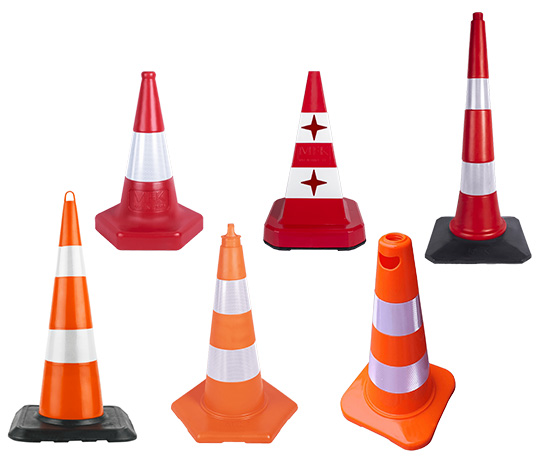
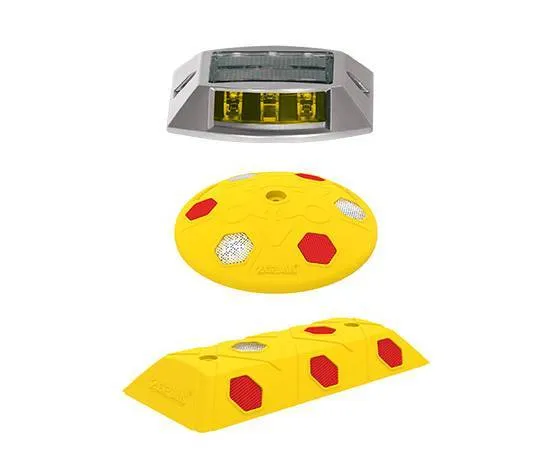
Rubber or plastic barriers are often preferred in such places due to their flexibility and mobility. They can be quickly placed or moved according to the specific needs of the parking lot and the flow of vehicles. Additionally, the use of barriers helps reduce the risk of accidents at intersections within parking lots, especially in areas where visibility is limited.
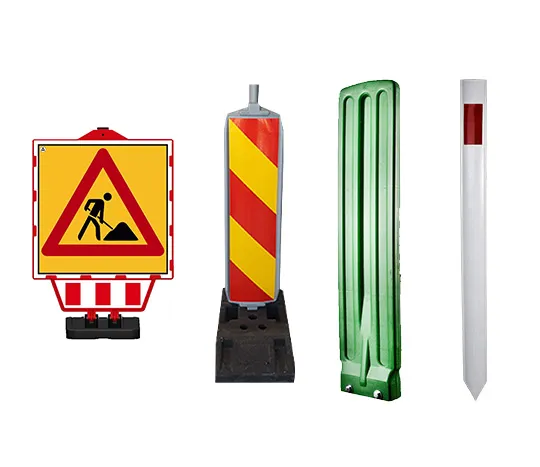
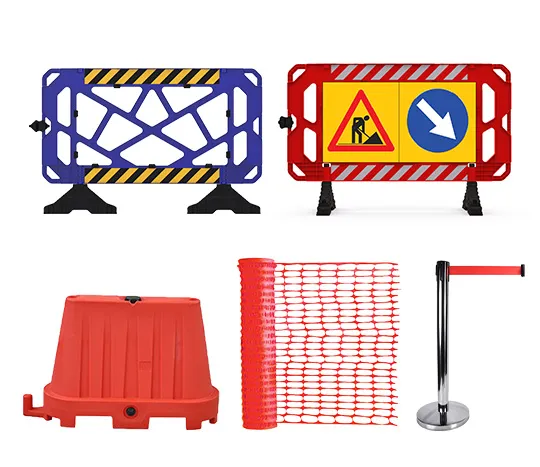
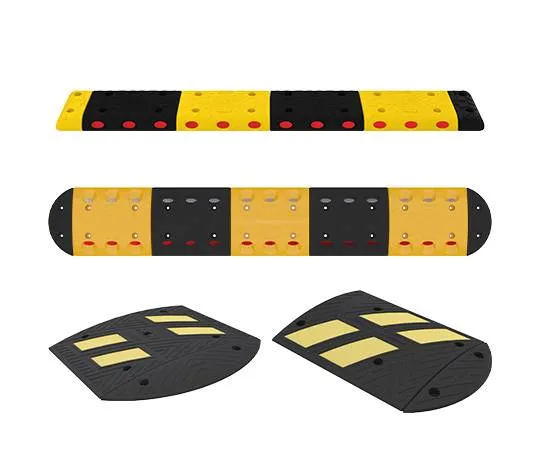
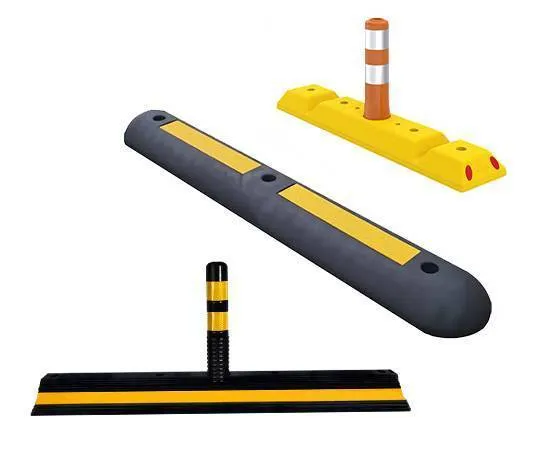
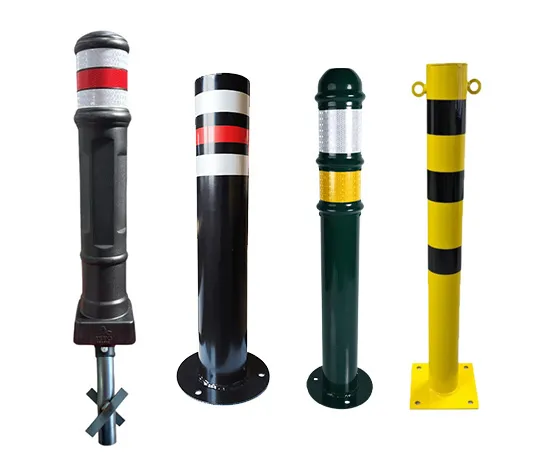
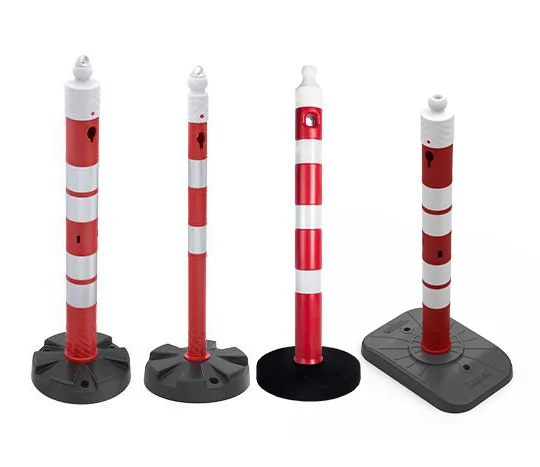
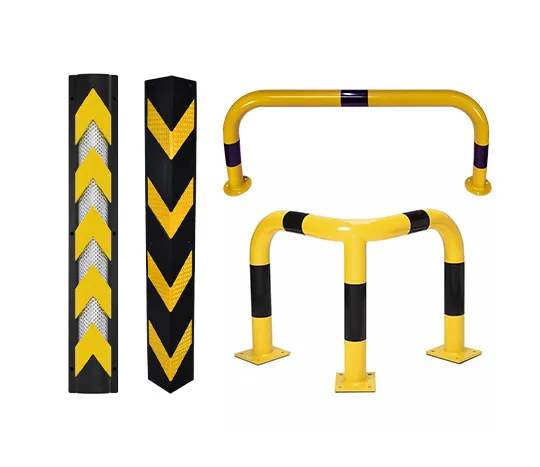
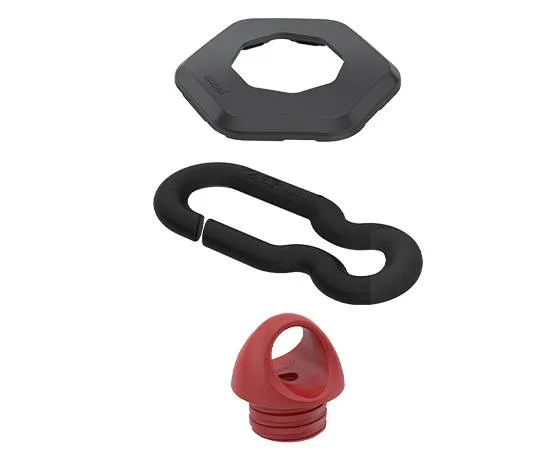
Best-Selling Barrier Products
Barriers in Shopping Centers
Shopping centers attract a large number of visitors daily, and managing traffic within their parking lots can become a real challenge. Barriers are used to create clear and safe routes for vehicles, as well as for pedestrians. In pedestrian access areas, barriers are used to separate spaces designated for cars from sidewalks or pedestrian zones, thus preventing accidents.
In many cases, barriers are also used to organize the entrances and exits of shopping centers, so that vehicles do not interfere with the flow of customers. Additionally, modular barriers are an excellent solution in these spaces, as they allow for quick modifications to the traffic configuration based on seasonal needs or during renovation works.
The Use of Barriers for Special Events
In the case of special events, such as fairs, festivals, or sports competitions, traffic can become extremely difficult to manage, especially in parking areas and near event locations. Barriers are essential for creating safe temporary routes and efficiently managing traffic in these situations.
These temporary barriers are easy to install and can be customized according to needs. They are often equipped with reflective elements or even lighting systems to be visible at night or in adverse weather conditions, ensuring safety at the highest level. Furthermore, mobile barriers can be quickly repositioned if a change in traffic configuration is desired, without requiring complex interventions.
The Impact of Barriers on Safety
One of the most important benefits of barriers is the increased level of safety for all road users. Whether we are talking about drivers, pedestrians, or cyclists, barriers help create a more organized and predictable space. They clearly signal where a safe area begins and ends, thus reducing the risk of accidents.
Moreover, the use of barriers in commercial spaces and parking lots has a positive impact on internal traffic as well. Drivers are less likely to venture into unsafe areas or violate traffic rules if the barriers are clearly visible and well-placed.
Conclusion
Barriers are not just a simple accessory for traffic organization, but an essential tool for creating a safe and well-structured environment, whether we are talking about public parking lots, shopping centers, or special events. They provide flexible and efficient solutions for managing the flow of vehicles, contributing to the overall safety of road users. Due to their versatility and customization options, barriers are an ideal choice in various scenarios, ensuring optimal organization and reducing traffic-related risks.