





Traffic Barriers and Their Impact on Road Safety in Urban Areas
In a modern city, road safety is a major priority, especially in areas with heavy traffic or near public institutions such as schools, hospitals, and shopping centers. Traffic barriers, often underestimated as infrastructure elements, play a crucial role in maintaining a safe and organized environment for all road users, including drivers, cyclists, and pedestrians.
The Role of Barriers in Speed Control
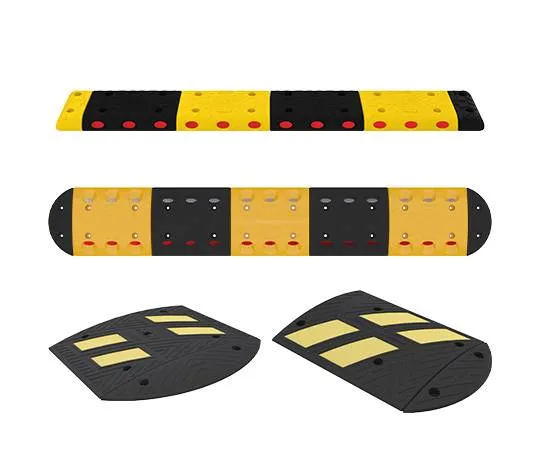
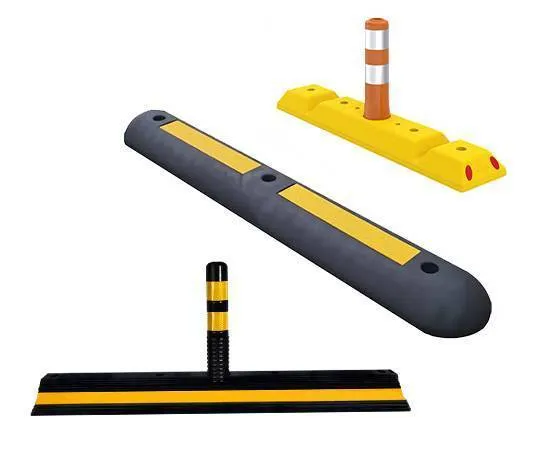
An important aspect regarding barriers is their ability to help reduce vehicle speeds. In urban areas, where road accidents are more frequent due to excessive speed, the installation of barriers can discourage drivers from exceeding speed limits. For example, barriers are often placed near schools or on residential streets to slow down traffic, thus protecting pedestrians and local residents.
In addition to this benefit, barriers can also be used to reduce speed in crowded parking lots or in access areas of public buildings, such as hospitals or shopping centers. By limiting speed and directing traffic in a controlled manner, the risk of collisions and accidents is significantly reduced.
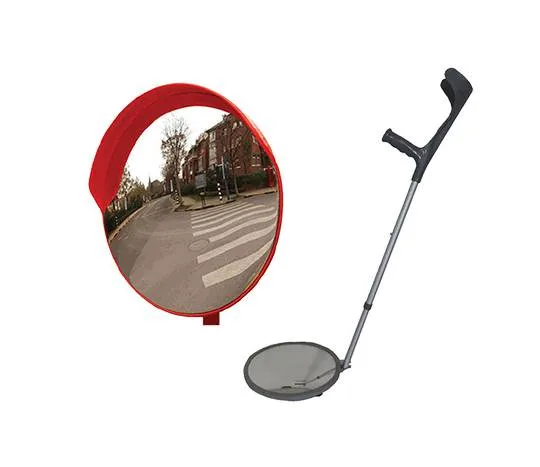
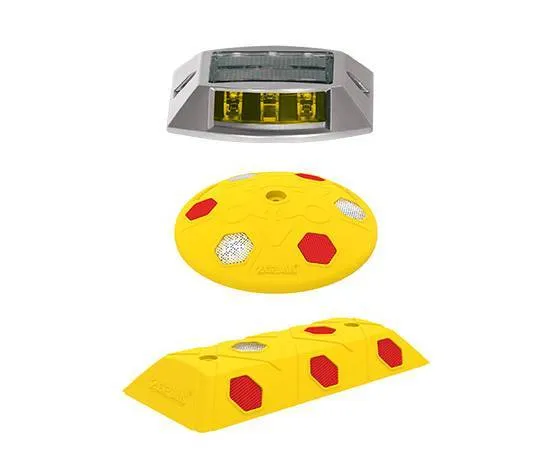
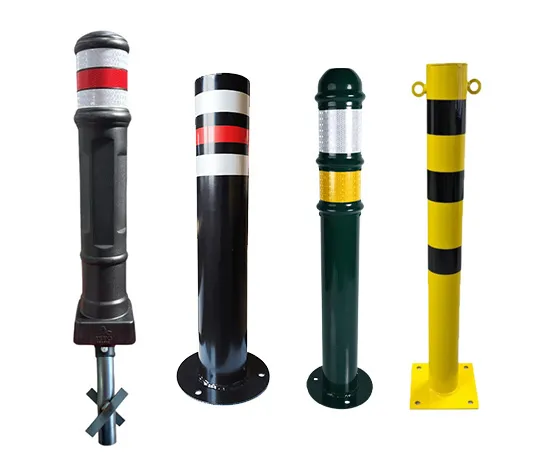
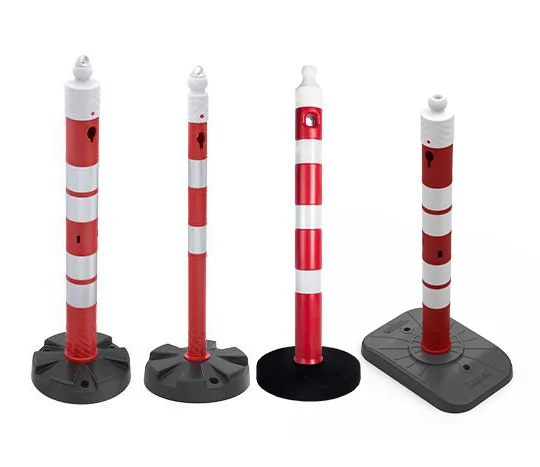
Best-Selling Barrier Products
Efficient Organization of Parking and Traffic in Intersections
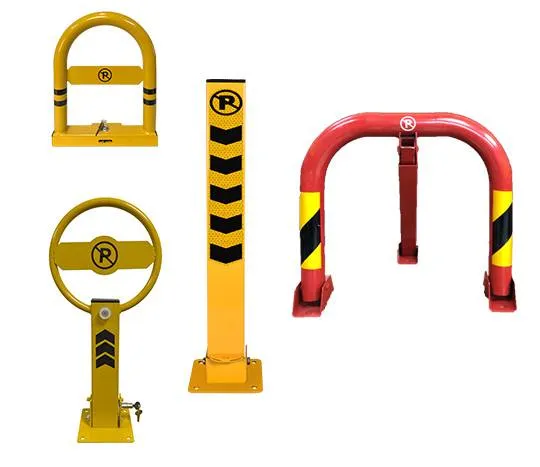
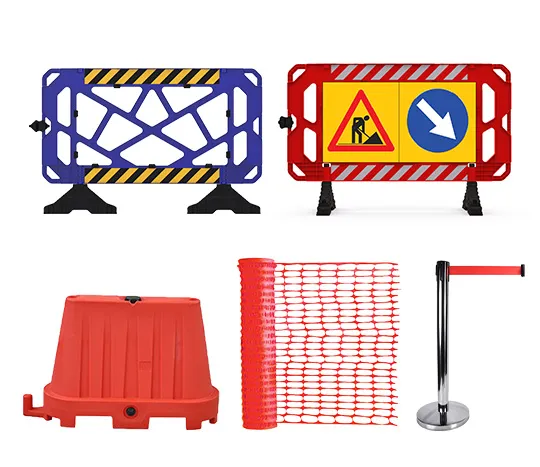
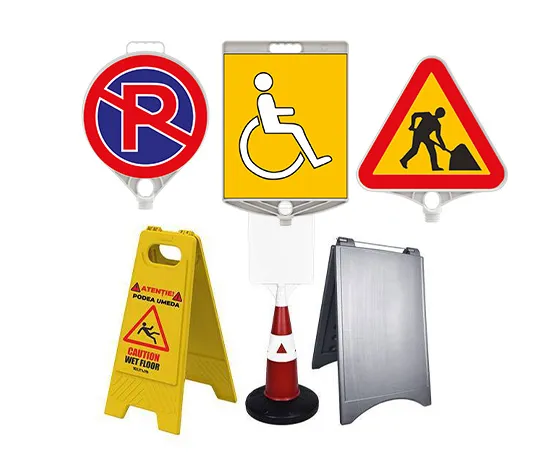
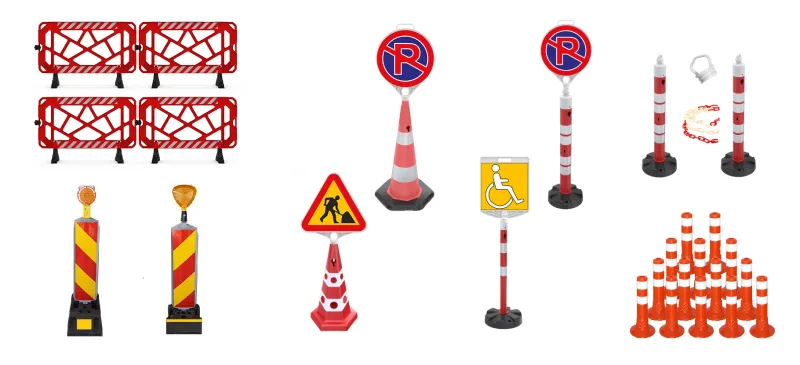
Another important role of barriers is in the efficient organization of parking spaces and traffic flows in busy intersections. In large parking lots, barriers can help clearly mark available spaces, thus avoiding congestion and unintentional collisions between vehicles. They are also useful in creating safe pathways for pedestrians or cyclists, separating them from the flow of vehicles.
In busy city intersections, barriers can guide vehicles in a clear and predictable manner, preventing traffic jams and reducing the risk of accidents. They can be used to delineate areas dedicated to public transport or to mark special turning lanes, thus ensuring a constant flow of traffic and better organization of intersections.
Barriers for the Safety of Cyclists and Pedestrians
A major issue in modern cities is the effective integration of alternative modes of transport, such as bicycles, into the road infrastructure. Traffic barriers are essential for creating bike lanes separate from vehicle lanes, thus protecting cyclists from potential accidents. Additionally, they contribute to better organization of urban spaces, providing extra safety for pedestrians and cyclists.
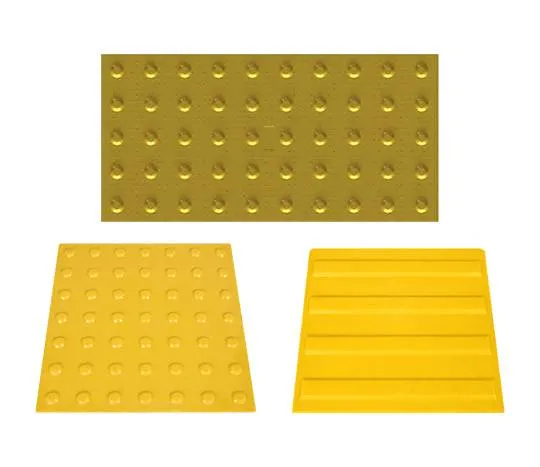
In many cities, barriers are used to separate sidewalks from main roads or to delineate pedestrian areas from roadways. This is particularly important near public transport stations, where congestion can increase the risk of accidents.
Materials and Visibility of Barriers
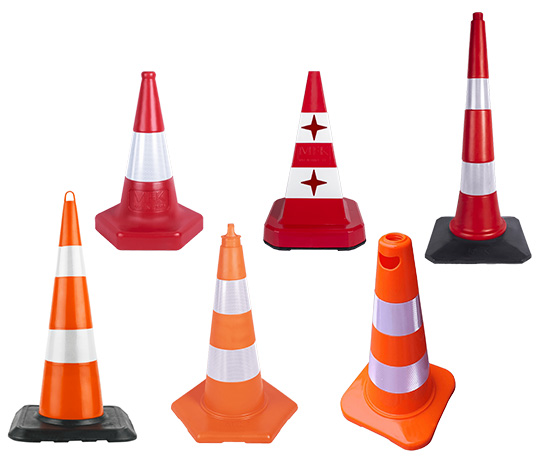
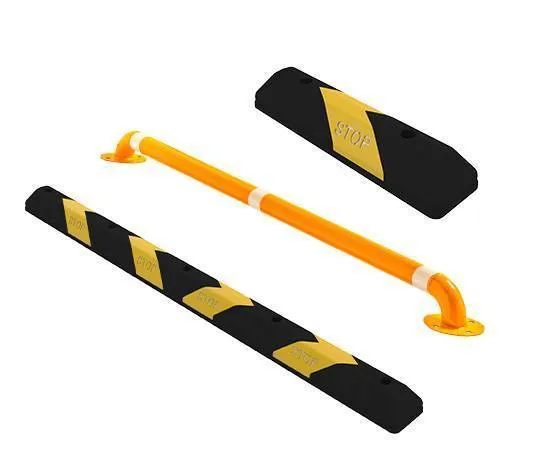
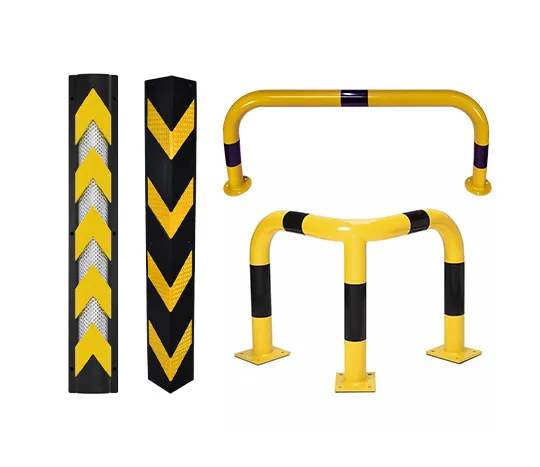
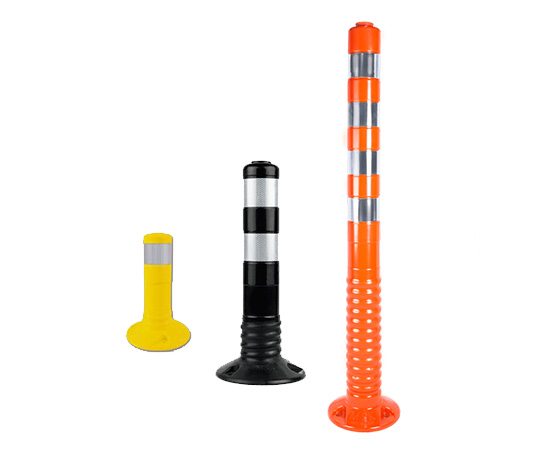
Traffic barriers are made from various materials, such as rubber, plastic, or metal, each having specific advantages. For example, rubber barriers are flexible and can absorb impact, making them ideal for urban areas where vehicles move at low speeds. On the other hand, plastic or metal barriers offer greater durability, being used in high-traffic areas.
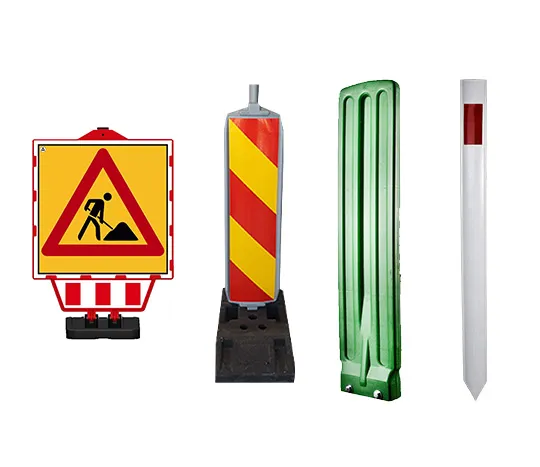
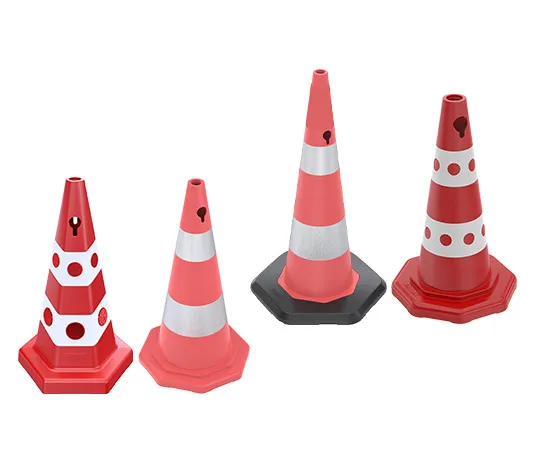
An essential aspect for road safety is the visibility of barriers, especially at night or in adverse weather conditions. Many barriers are equipped with reflective elements, making them easy to see and thus preventing accidents.
Conclusion
Traffic barriers represent an essential element for ensuring safety in urban areas, having multiple applications, from speed control to efficient traffic organization and protection of pedestrians and cyclists. By strategically installing these barriers, cities can reduce the risk of accidents and create a safer and more efficient traffic environment.