





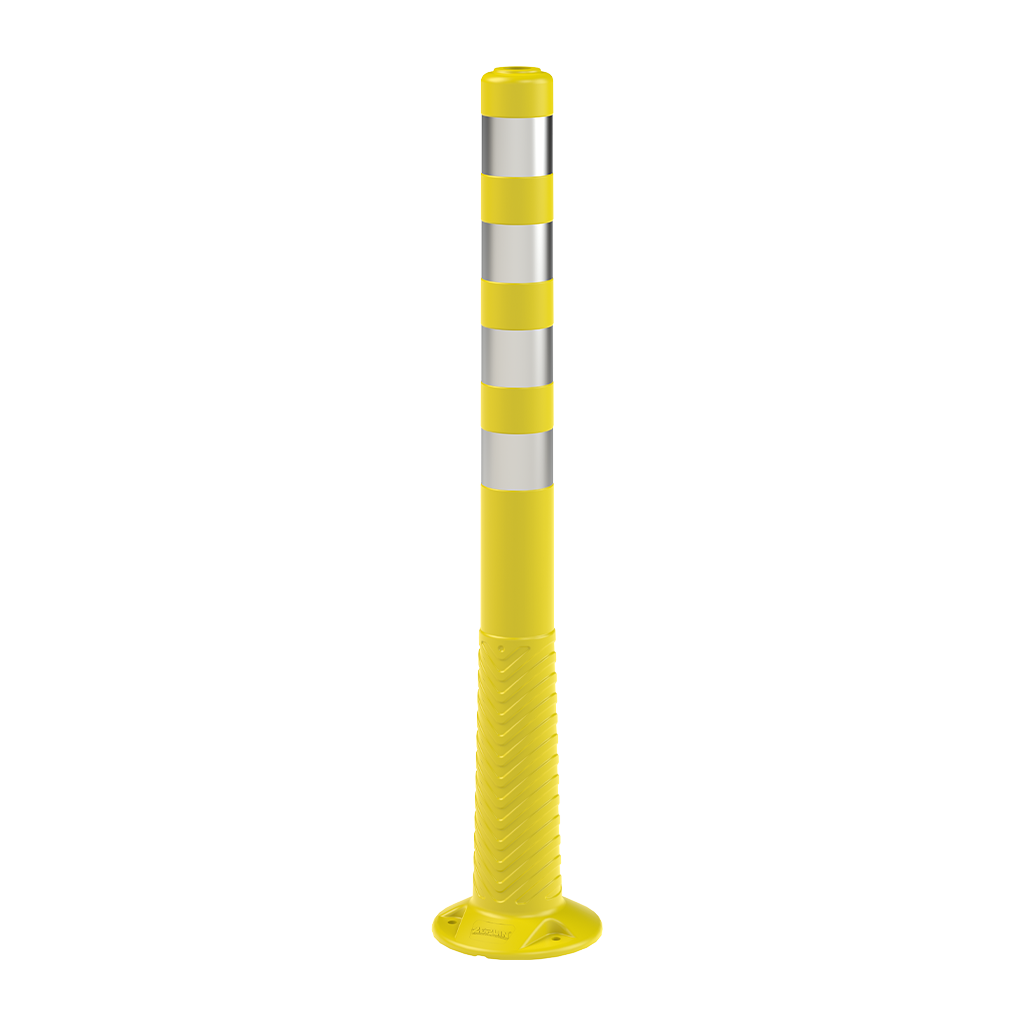
Barriers: Effective Solutions for Road Safety and Public Space Organization
Barriers play an essential role in traffic management and public space organization, being used to separate and control the flow of vehicles and pedestrians. These simple yet highly effective devices are utilized in various locations, from public roads and parking lots to industrial spaces or large-scale events. In this article, we will explore the different types of barriers, their role in enhancing safety, and how they can contribute to better traffic organization.
1. What are barriers and what is their purpose?
Barriers are traffic control devices designed to separate or organize the flows of vehicles and pedestrians in a safe and efficient manner. They can be made from various materials, such as rubber, plastic, or metal, and are available in multiple shapes and sizes, depending on their purpose.
In general, barriers are used for:
- Separating traffic lanes: Especially in areas with heavy traffic or near intersections, barriers help maintain order and prevent accidents caused by sudden lane changes.
- Creating safe pathways for pedestrians: In crowded public spaces, barriers are used to delineate pedestrian areas, thus ensuring the safety of individuals and preventing dangerous intersections with vehicle traffic.
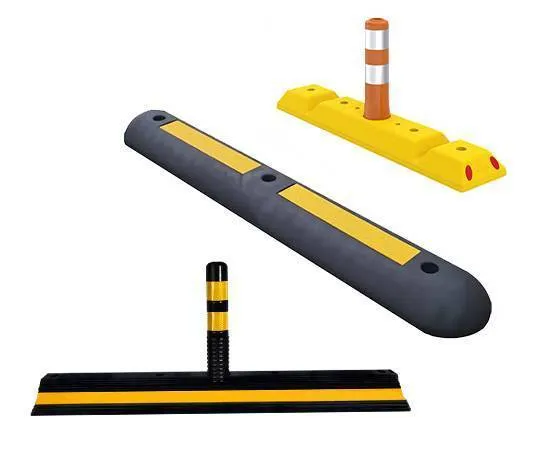
- Organizing parking: In large parking lots or industrial spaces, barriers are used to mark parking spaces and organize traffic within them.
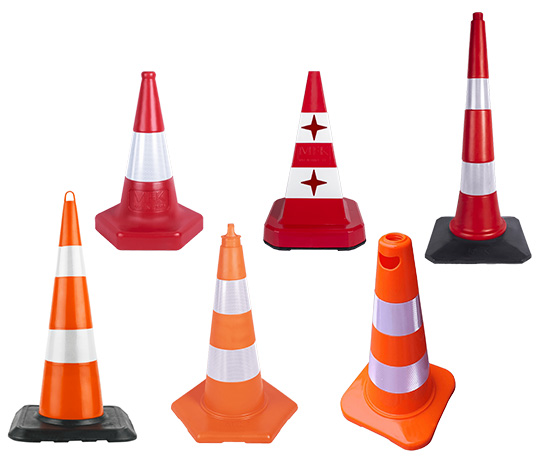
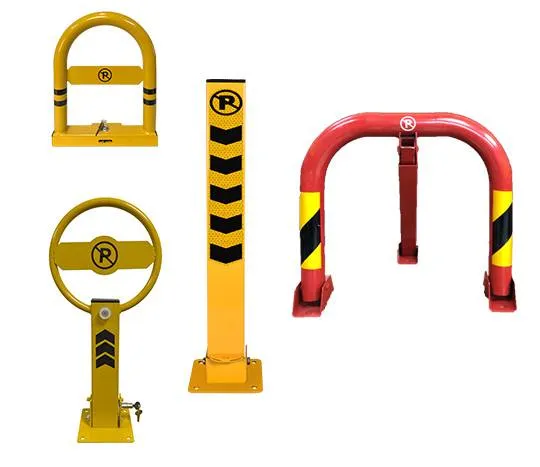
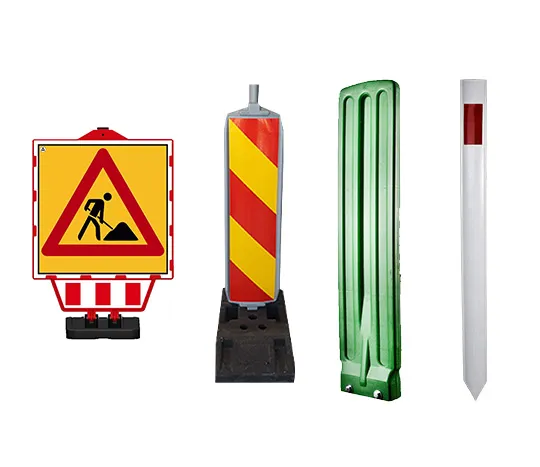
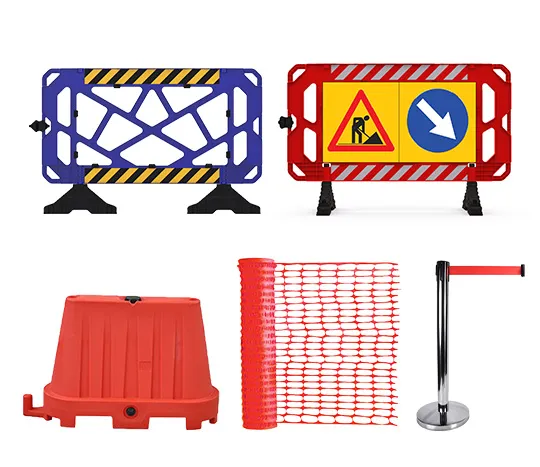
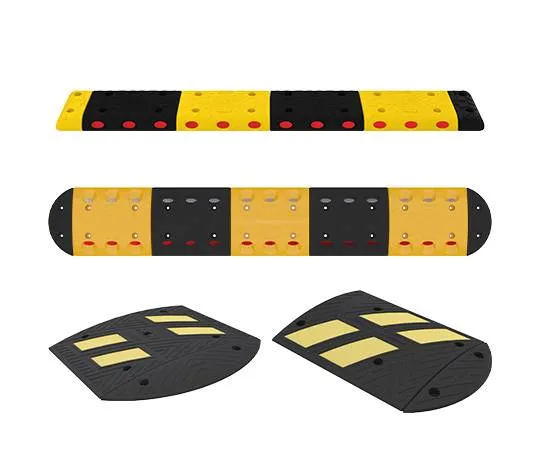
Best-selling Barrier Products
2. Types of barriers and their specific uses
There are several types of barriers, each designed for a specific use. Here are some common examples:
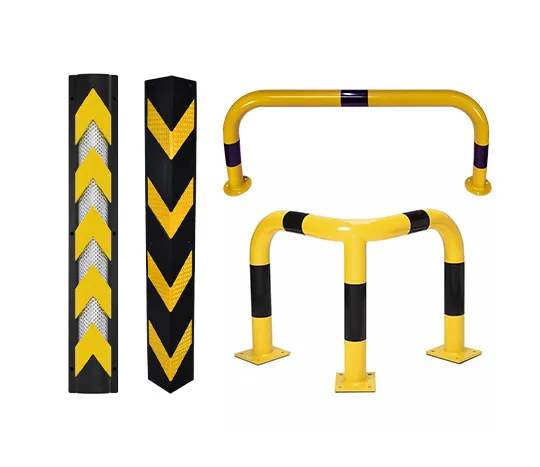
Rubber barriers: These are extremely popular due to their flexibility and durability. They are frequently used to delineate parking spaces or temporary traffic lanes, as they can withstand impacts without damage.
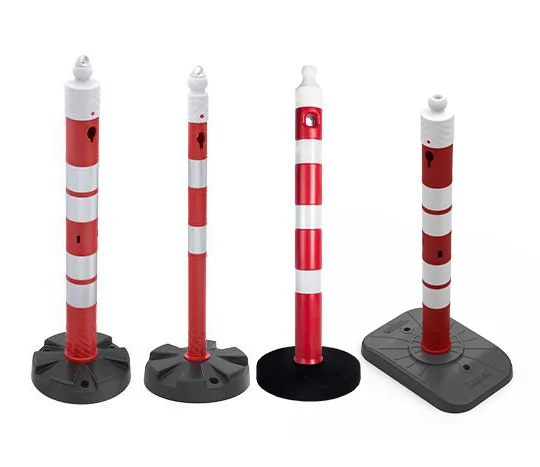
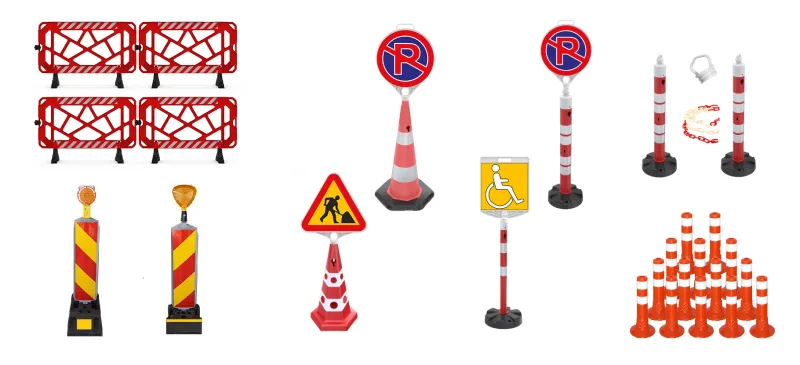
Plastic barriers: Lightweight and easy to install, plastic barriers are a cost-effective solution for temporary traffic organization, such as during events or roadworks.
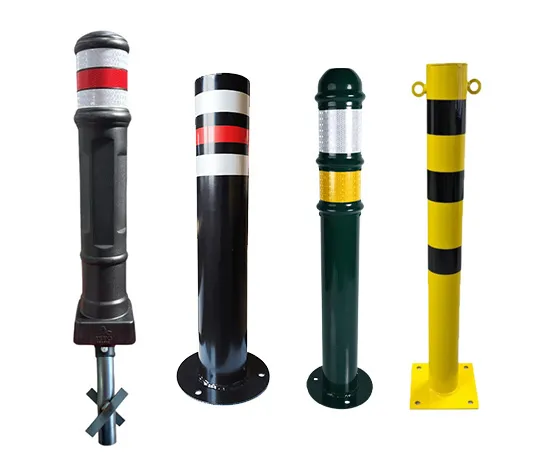
Metal barriers: These are used primarily for permanent delineations, such as separating pedestrian areas from those designated for vehicles or protecting certain areas in industrial spaces.
3. How do barriers contribute to road safety?
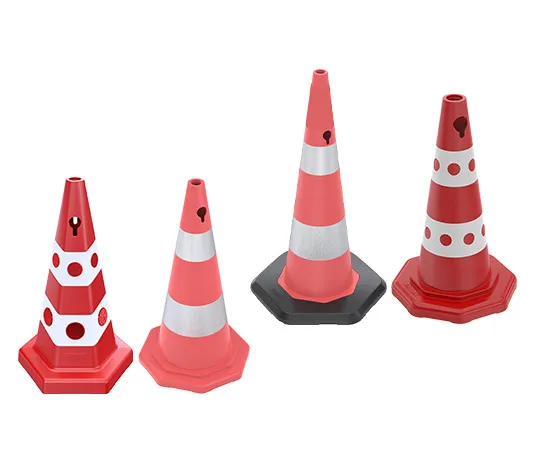
Road safety is a major concern, and barriers play a crucial role in reducing accident risks. They help channel traffic in an organized manner, thus reducing the likelihood of collisions and confusion on the roads. Additionally, barriers made from reflective materials are highly visible at night, thereby helping to prevent accidents in low visibility conditions.
Another significant benefit of barriers is that they can be used to alert drivers to changes in infrastructure, such as repair work or temporary obstacles. They are also essential in efficiently organizing traffic at large-scale events or in areas where traffic needs to be temporarily modified.
4. Smart barriers: a solution for the future
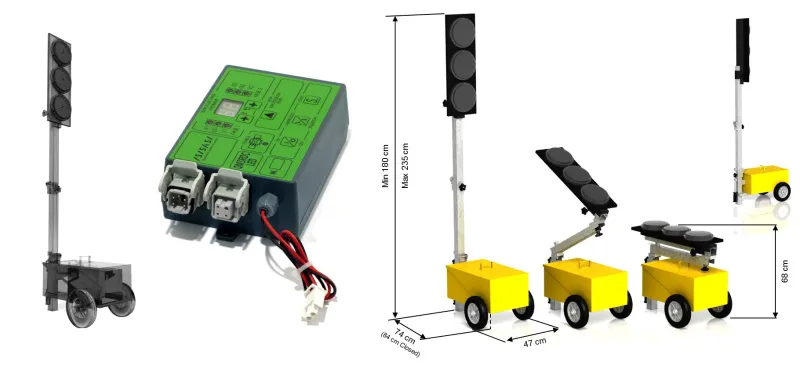
Technology has also entered the field of traffic management, and smart barriers are becoming increasingly popular. These devices are equipped with sensors or connectivity technologies that allow for real-time traffic monitoring and dynamic route adjustments. Smart barriers can communicate with traffic management systems and send signals to drivers regarding changes in traffic or unexpected obstacles.
In the future, the use of smart barriers could become a norm in urban traffic management, contributing to reducing congestion and increasing safety on the roads.
Conclusion
Barriers are an essential element of road infrastructure, ensuring efficient traffic organization and contributing to road safety. Whether used to separate traffic lanes, organize parking spaces, or protect pedestrians, barriers represent a simple yet effective solution. As technology advances, smart barriers will bring even more benefits, transforming the way we manage traffic in urban environments.