







Barriers: Essential Solutions for Traffic Safety and Organization
In modern road infrastructure, safety and efficient traffic organization are top priorities. Barriers are essential elements for creating a safe and well-structured environment for both vehicles and pedestrians. They are used in various spaces, from public roads to parking lots, construction sites, or pedestrian areas, to prevent accidents, manage traffic flow, and clearly delineate access zones.
What are barriers?
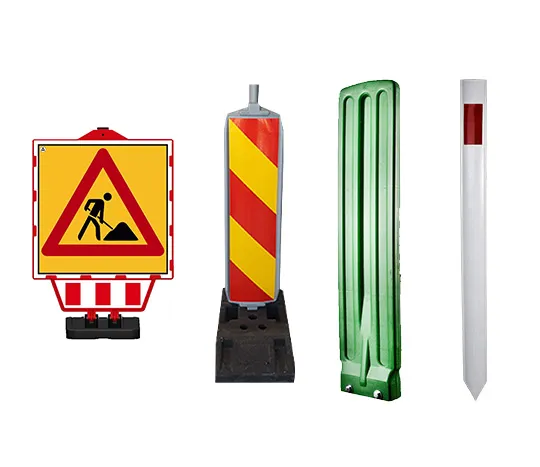
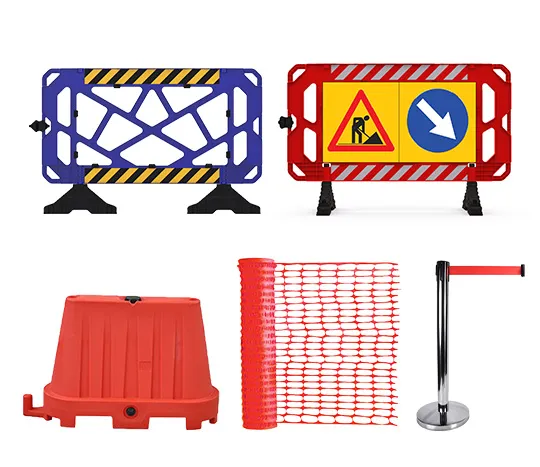
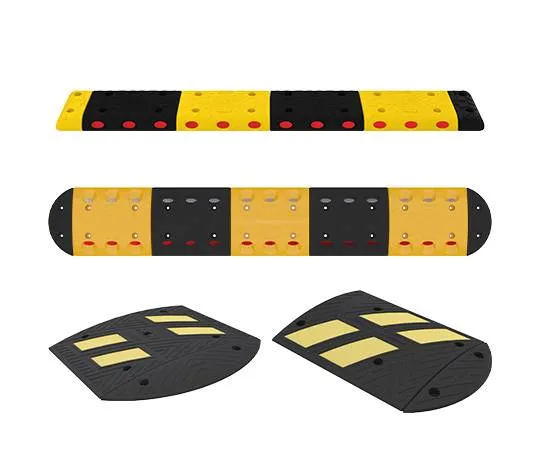
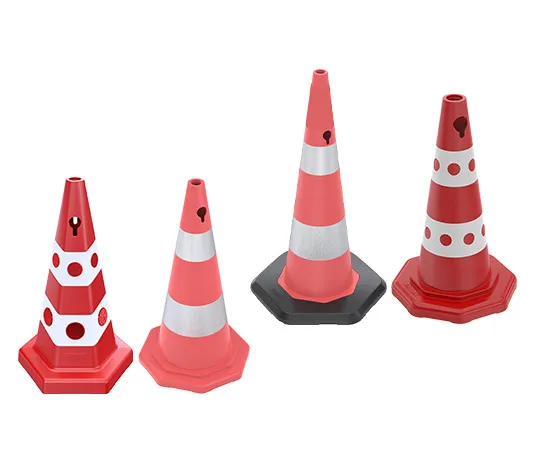
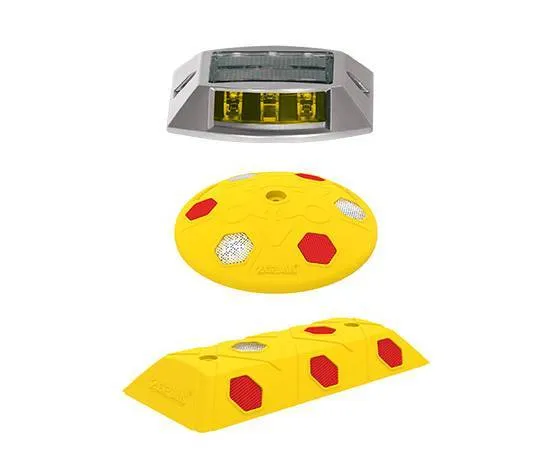
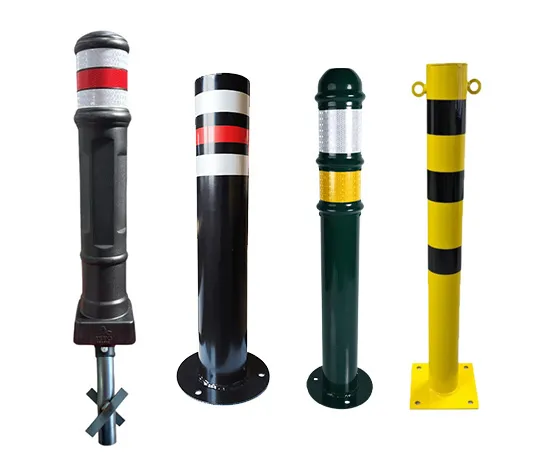
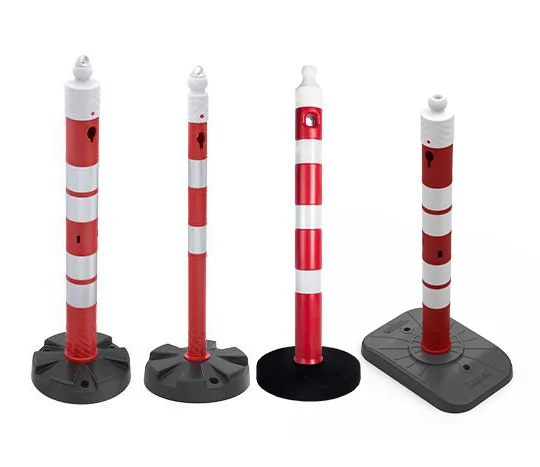
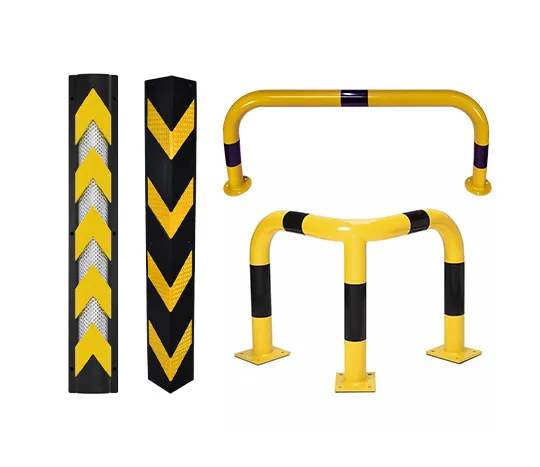
Barriers are physical devices that help separate and organize different traffic lanes or access areas. They are designed to guide vehicles, restrict access to certain areas, and ensure order in parking lots or other public spaces. They can be made from various materials, such as rubber, plastic, or metal, and are usually equipped with reflective elements to be visible at night or in low visibility conditions.
There are several types of barriers, each adapted for specific needs:
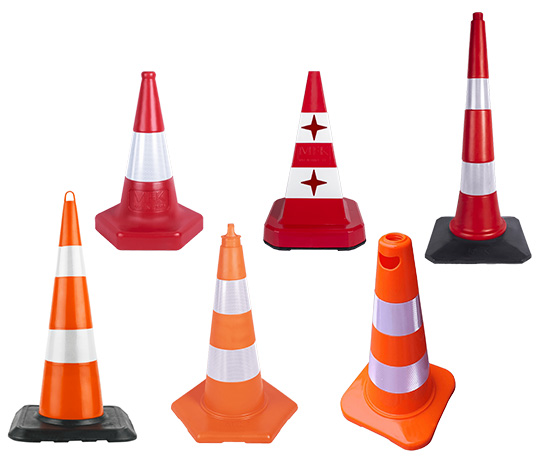
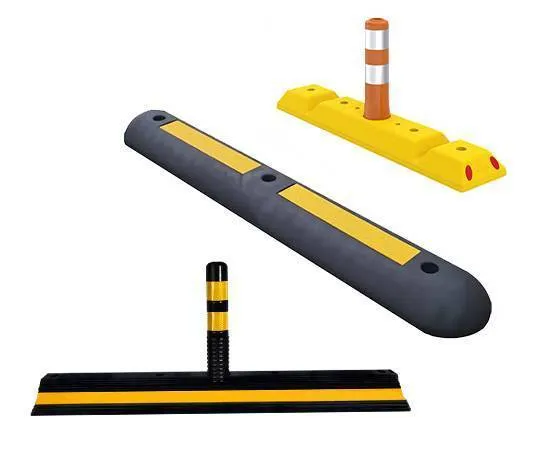
Rubber barriers: These are flexible and durable, ideal for temporary delineation or for areas where greater protection for vehicles is needed.
Plastic barriers: These are lightweight and easy to install, frequently used for delineating traffic lanes or pedestrian areas.
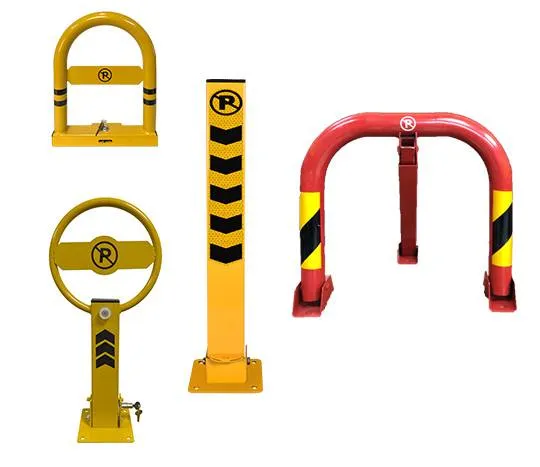
Metal barriers: These provide a more robust and durable solution, being used especially in areas where a sturdier barrier is required.
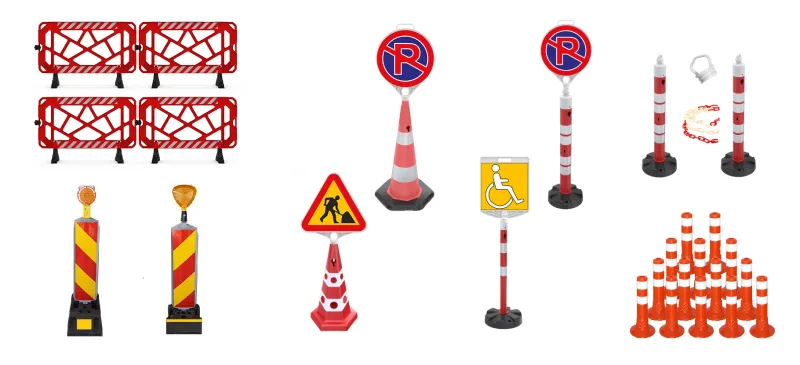
Best-selling Barrier Products
The Advantages of Using Barriers
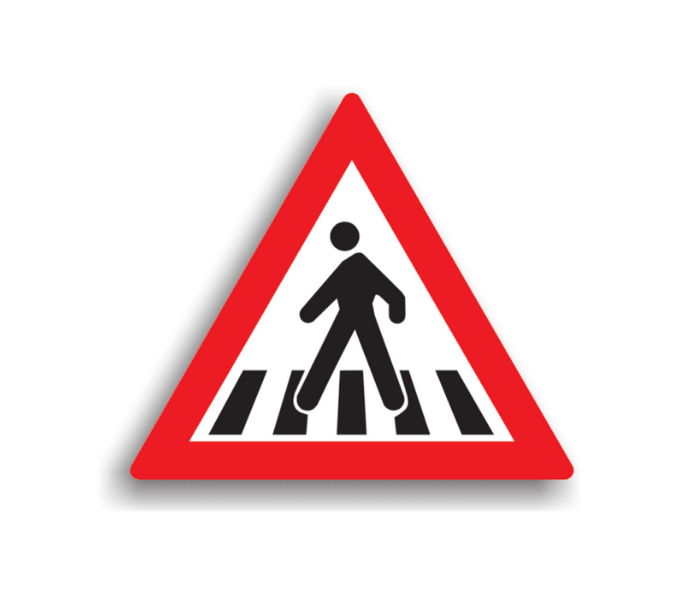
Increased road safety: Barriers are designed to enhance safety in high-traffic areas or locations where work is being carried out. They contribute to the clear separation of traffic lanes, preventing collisions and accidents. Additionally, they are useful for protecting pedestrians by delineating crossing areas or restricting vehicle access to certain spaces.
Efficient traffic organization: In parking lots or at entrances to public buildings, barriers help efficiently organize traffic, preventing congestion and ensuring an orderly flow of vehicles. They can be strategically placed to guide drivers to parking spots or to delineate areas reserved for specific activities.
Durability and low maintenance: Barriers are made from resistant materials capable of withstanding heavy traffic and varying weather conditions. This durability makes them a long-term investment with minimal maintenance costs. Whether used on public roads or in commercial spaces, barriers maintain their effectiveness and appearance for extended periods.
Flexibility and ease of installation: Most barriers are easy to install and can be quickly moved or adjusted according to current needs. This makes them ideal for temporary use, such as at public events or during construction work, where the flow of vehicles and pedestrians may vary frequently.
Common Uses of Barriers
Barriers have a wide range of applications and can be found in various urban and road spaces:
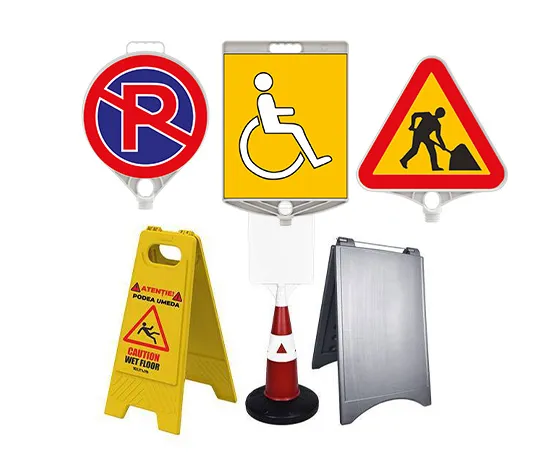
Parking lots: Barriers are used to efficiently organize parking spaces, delineating spots designated for vehicles and preventing chaos. They can also be used to separate areas reserved for emergency vehicles or to mark parking spaces for persons with disabilities.
Pedestrian areas: In crowded areas, such as city centers or public squares, barriers help separate pedestrian traffic from vehicle traffic, preventing accidents and ensuring an orderly flow of people and cars.
Public events: At large events, such as festivals or concerts, barriers are used to control vehicle access and to delineate spaces dedicated to participants or organizing teams.
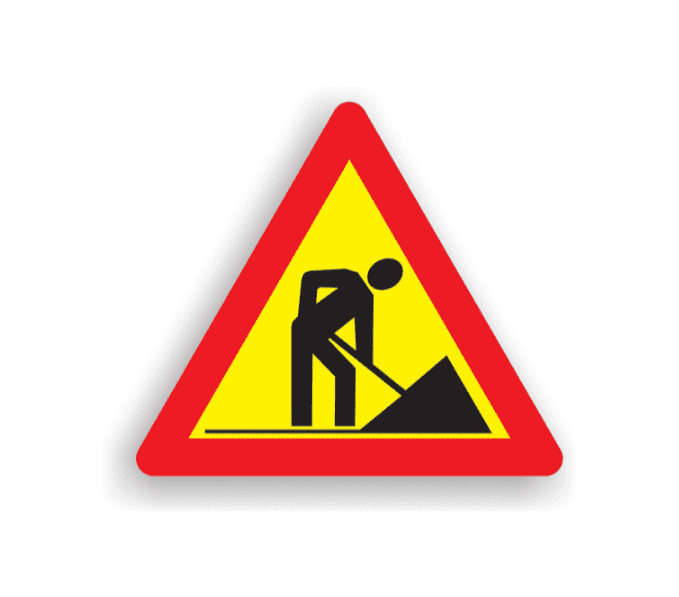
Construction sites: In areas where construction work is taking place, barriers are essential for protecting workers and restricting unauthorized access to hazardous perimeters.
Conclusion
Barriers are an indispensable element for organizing and ensuring traffic safety, both in public and private spaces. Due to their versatility, they can be used in a wide range of applications, from parking lots and roads to public events and construction sites. With simple installation, excellent durability, and a direct impact on safety, barriers are an essential solution for modern road infrastructure. Regardless of specific needs, the correct use of barriers significantly contributes to accident prevention and ensures a safe and well-organized environment.