









Barriers: Essential Solutions for Traffic Safety and Organization
Barriers are one of the most important elements of road infrastructure, contributing to the safety of road users and the efficient organization of vehicle flow. They are used in various situations, from marking hazardous areas to delineating construction sites or temporarily managing traffic. In this article, we will explore the multiple types of barriers, their functions, and how they contribute to road safety.
Types of Barriers and Their Uses
Barriers can be classified based on their purpose and the materials from which they are made. Some of the most common types of barriers are:
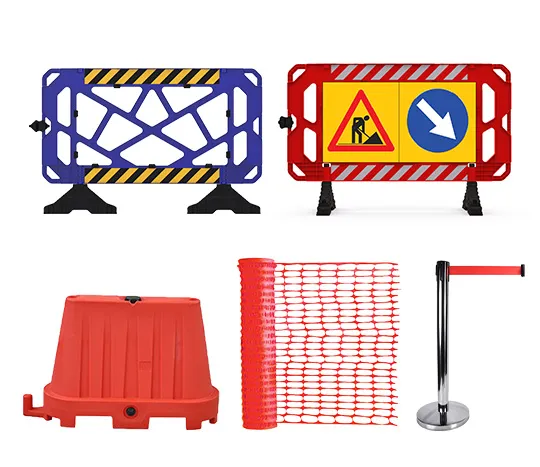
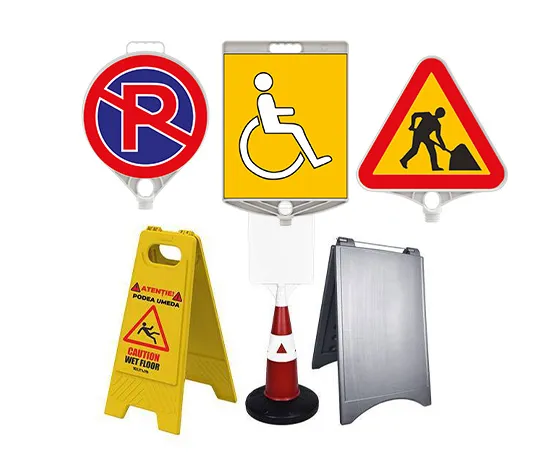
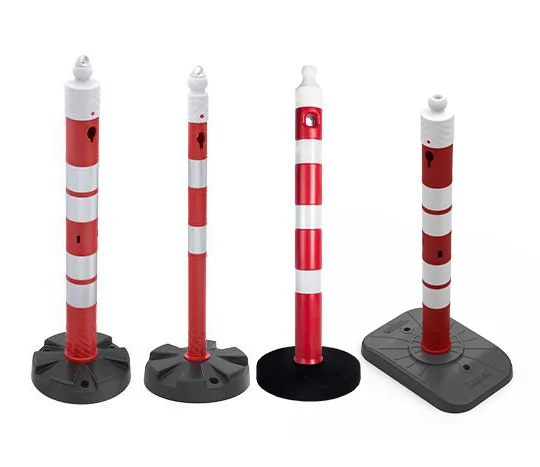
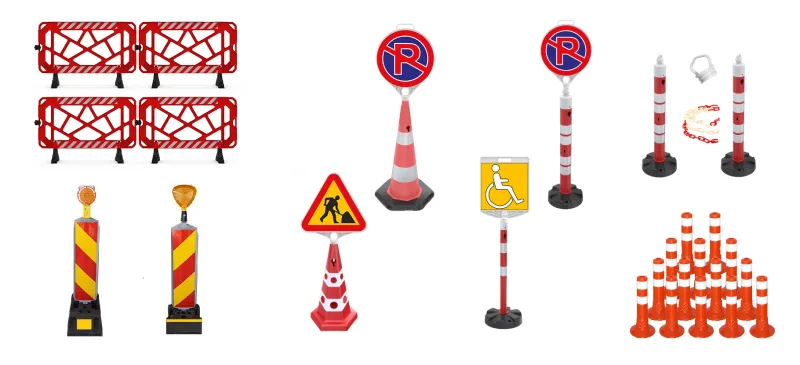
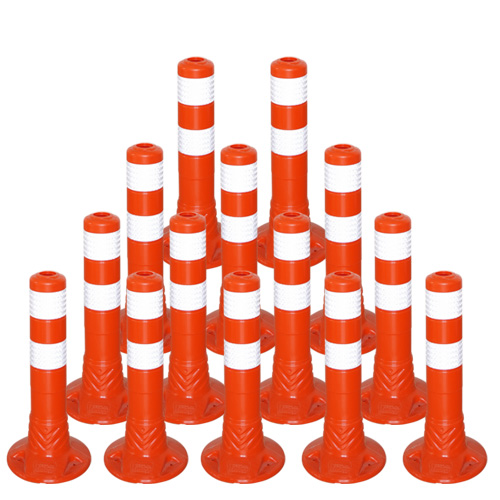
Plastic Barriers - These are often used in areas with temporary traffic or to separate vehicle flows during roadworks. They are easy to handle and install, providing a flexible and cost-effective solution for traffic organization.
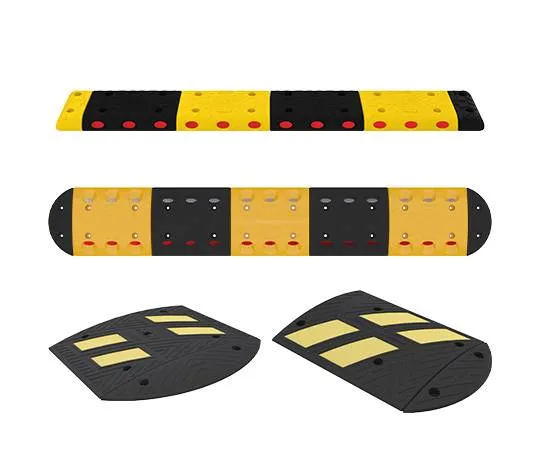
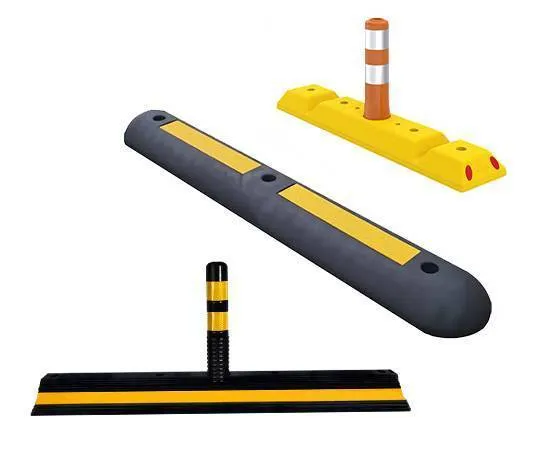
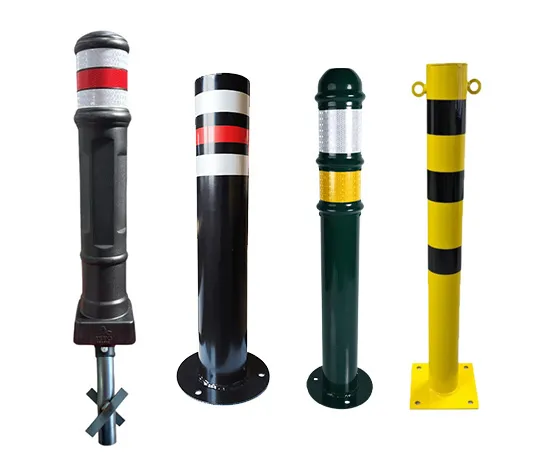
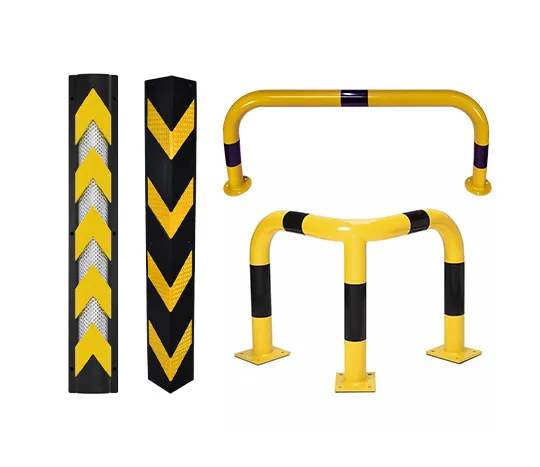
Rubber Barriers - These are more robust and are often used to manage traffic in high-traffic areas or at parking lot exits. The rubber material has the advantage of being durable and absorbing shocks, providing additional protection for vehicles.
Concrete Barriers - These are the most durable and are used primarily in areas that require a permanent separation of traffic lanes. Concrete barriers are difficult to move, providing a solid barrier between different parts of the road, preventing serious accidents.
Modular Barriers - These are modern systems that can be configured and customized to meet the specific needs of each project. Modular systems are easy to install and dismantle, making them extremely useful in emergency situations or temporary projects.
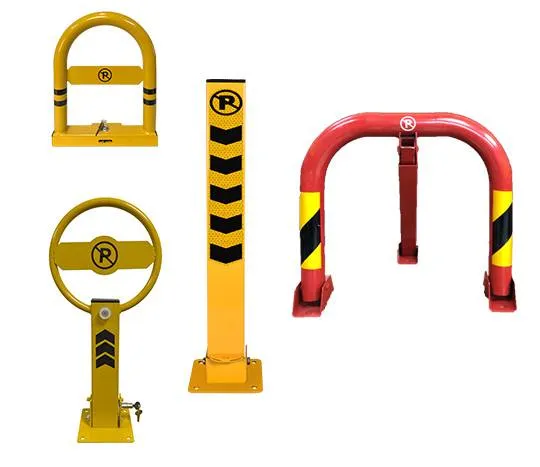
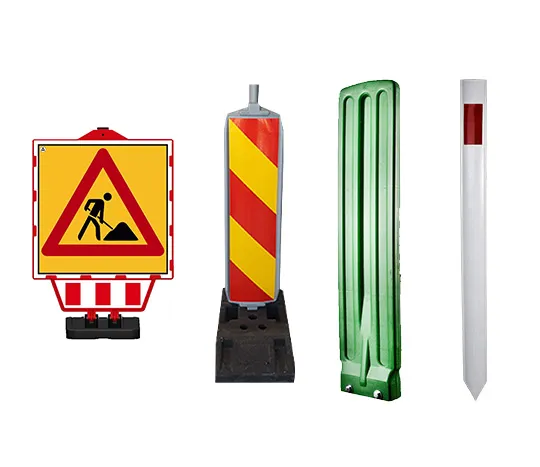
Best-Selling Barrier Products
The Role of Barriers in Road Safety
One of the main roles of barriers is to prevent accidents by guiding vehicles along safe routes. In roadwork situations, barriers are essential for separating the work area from traffic lanes, protecting both workers and drivers. They are also used to separate opposing traffic lanes in high-risk areas, reducing the likelihood of head-on collisions.
Additionally, barriers are essential in managing traffic at large events, such as sports competitions, concerts, or other large gatherings. They allow organizers to redirect traffic and create safe temporary routes, thus ensuring an organized flow and preventing chaos.
Adaptability and Customization of Barriers
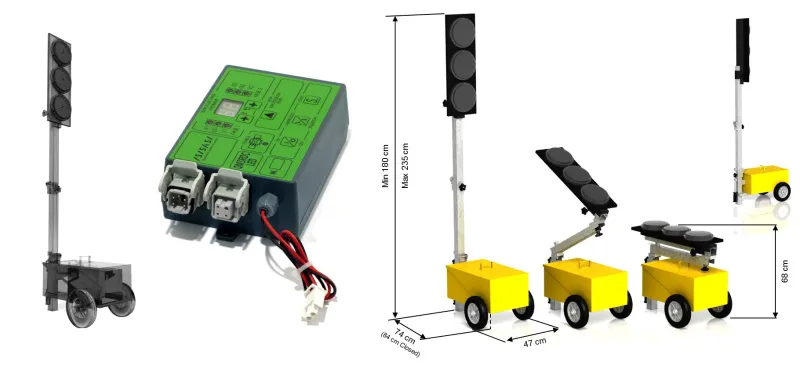
Modern barriers are designed to be as adaptable and customizable as possible. They can be equipped with reflective elements or LED lighting to be visible at night or in low visibility conditions. Some barriers are painted in vibrant colors that attract the attention of drivers, providing an additional level of safety.
Moreover, the flexibility of modular systems makes them extremely useful in managing traffic in urban areas. They can be quickly reconfigured according to traffic requirements or infrastructure works, ensuring constant adaptation to changing needs.
Environmental Impact and Sustainable Solutions
As environmental concerns become increasingly important, barrier manufacturers are focusing on developing sustainable solutions. Barriers made from recycled materials, such as recycled rubber or plastic, represent an eco-friendly alternative to traditional solutions.
These barriers not only reduce environmental impact but also have a long lifespan, providing a sustainable solution for road infrastructure. Furthermore, using recycled materials helps reduce the amount of waste produced by the road industry, contributing to the protection of natural resources.
Conclusion
Barriers play a crucial role in traffic safety and organization, being essential for managing roadworks as well as separating vehicle flows in various situations. Although they may seem like simple infrastructure equipment, recent innovations, such as modular systems and the use of sustainable materials, transform barriers into a key element of modern road infrastructure. These solutions not only enhance road safety but also contribute to environmental protection and efficient traffic management.