The Aesthetic and Functional Impact of Metal Poles in Urban Design
In modern urban design, aesthetics and functionality go hand in hand. Metal poles, besides their traditional role of delimitation and protection, are increasingly becoming an integral part of the urban landscape, influencing the overall aesthetics of cities. In this article, we will explore how metal poles can be used not only to enhance safety but also to add visual and functional value to the urban environment.
Integration of Urban and Architectural Design
Metal poles are not just utility elements; they can be designed to complement the architecture and aesthetics of a space. In many cities, they are integrated into the urban design concept, being customized according to the architectural style of the surrounding buildings and spaces. For example, in historic areas or neighborhoods with specific architecture, metal poles can be customized with ornamental details to match the style of the surrounding buildings.
Moreover, in modern areas with minimalist architecture, metal poles can have a simple and elegant design, highlighting clean lines and the functionality of the space. The choice of material and finish (for example, stainless steel, galvanized steel, or painted in various colors) can significantly influence their visual impact in the urban landscape.
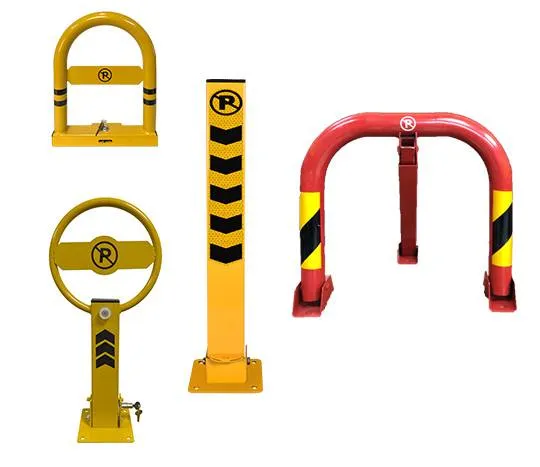
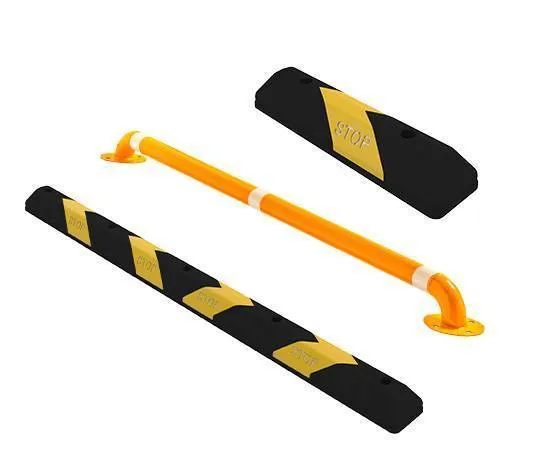
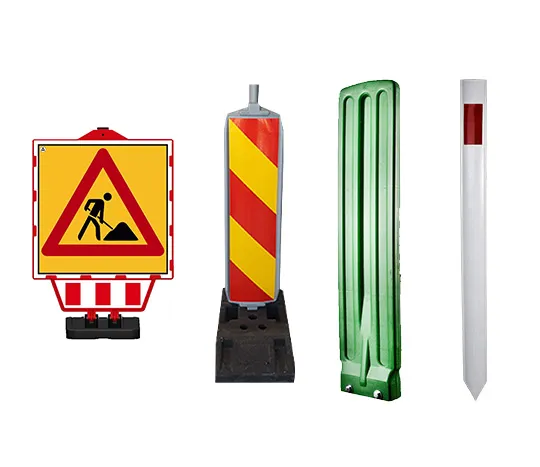
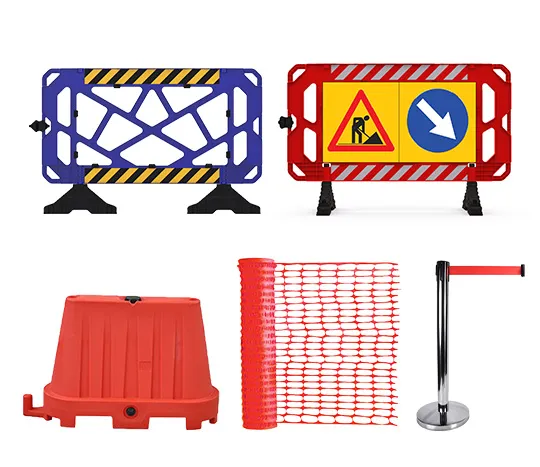
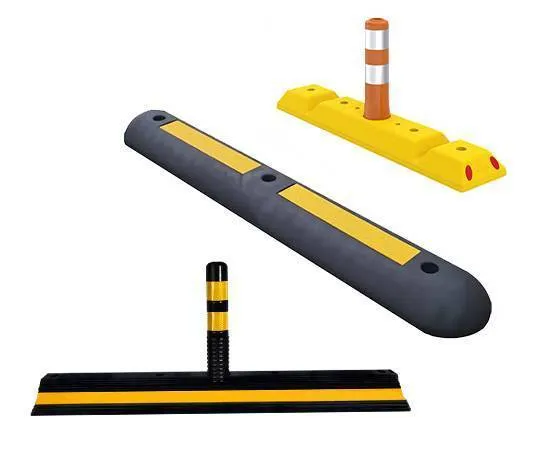
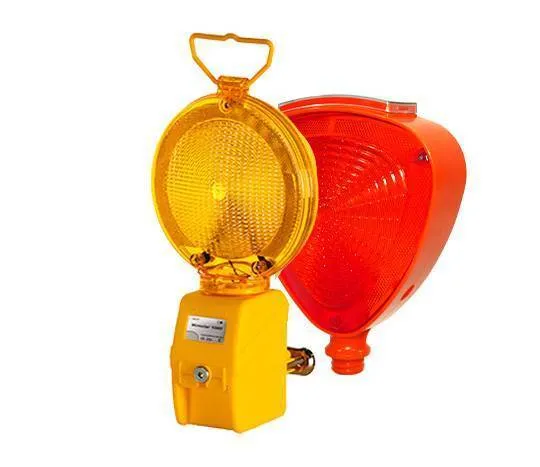
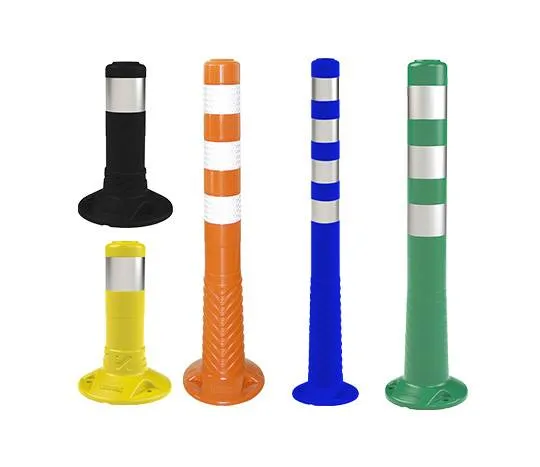
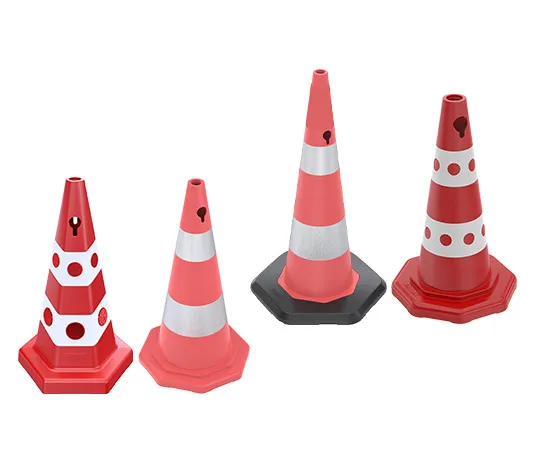
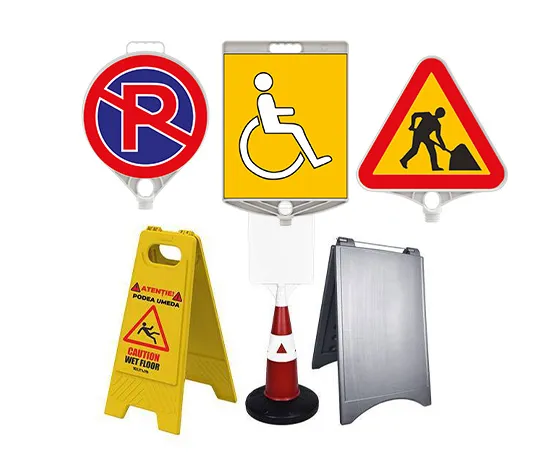
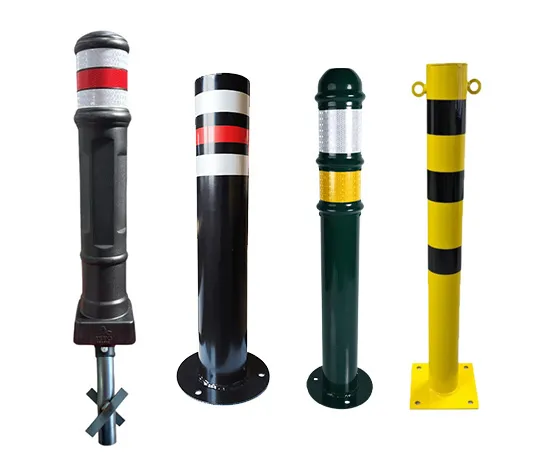
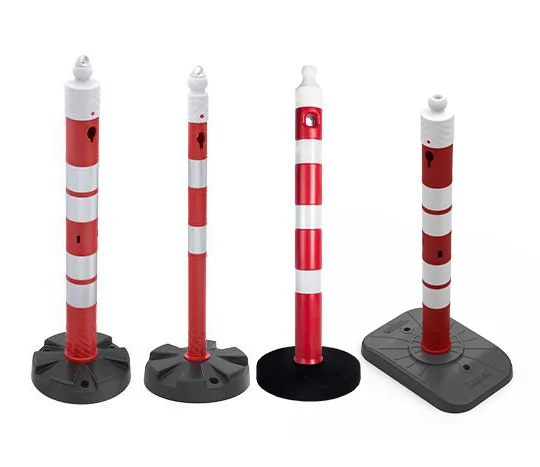
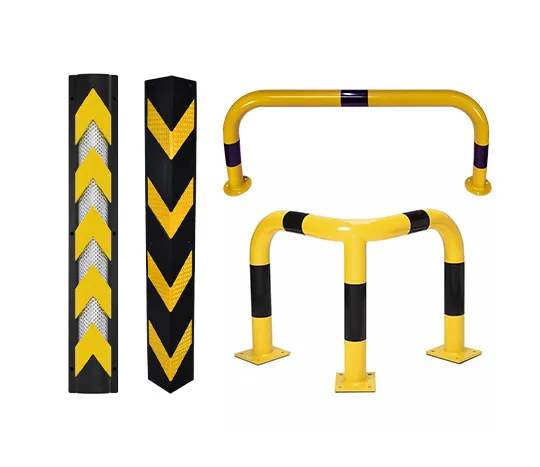
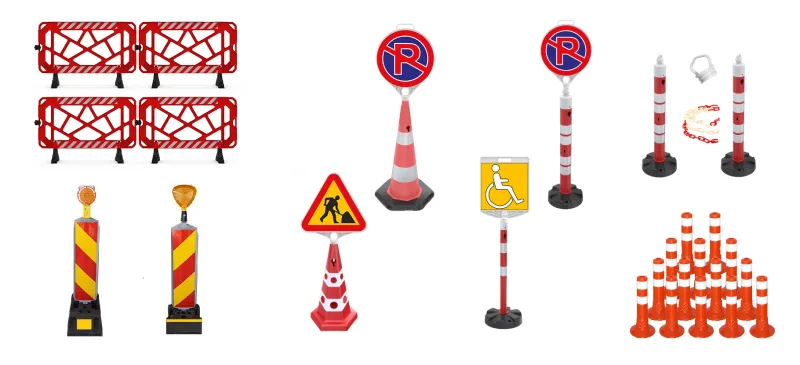
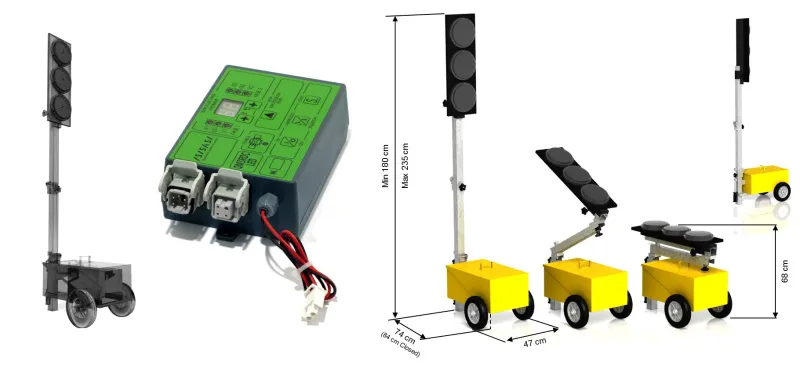
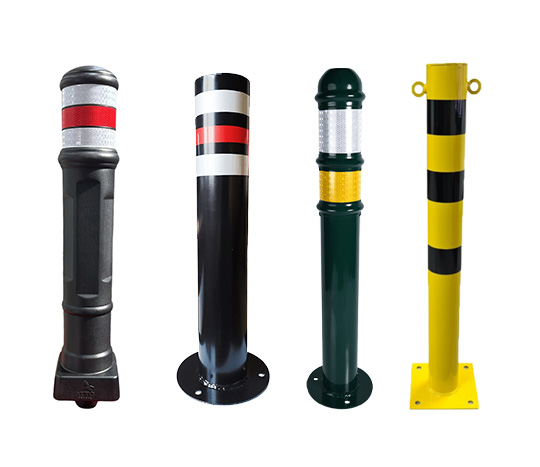
Best-Selling Metal Pole Products
The Role of Metal Poles in Landscape Design
Metal poles can be used not only to delineate pedestrian and vehicle traffic areas but also in landscape design. They are often used to organize green spaces, public gardens, and parks, thus creating a clear demarcation between the different functions of an open space. Additionally, they can support ambient lighting or decorative elements, contributing to the creation of a pleasant and functional environment.
Furthermore, metal poles can be used to support vegetation as part of an urban landscaping project. For example, they can serve as supports for climbing plants, adding a natural element to a space dominated by built elements. In this way, metal poles contribute to creating a balance between nature and the urban environment.
The Use of Metal Poles in Urban Mobility Projects
Urban mobility is a crucial aspect of modern city planning, and metal poles play an essential role in this regard. They are used to delineate bike lanes, bus or tram stations, and to organize pedestrian traffic flows. In this context, metal poles contribute not only to the safety of citizens but also to the smooth flow of traffic in crowded cities.
Moreover, metal poles are used for installing signage and directional indicators, facilitating the orientation of pedestrians and drivers. Thus, they become a key element in the organization and efficient management of urban traffic, reducing the risk of accidents and contributing to more efficient mobility.
Durability and Maintenance
Metal poles stand out for their high durability and ability to withstand extreme weather conditions. The materials from which they are made – such as galvanized or stainless steel – make them resistant to corrosion, meaning they require minimal long-term maintenance. This characteristic makes them an ideal solution for urban infrastructure, where low maintenance requirements are essential for reducing costs and intervention time.
Conclusion
Metal poles have evolved from simple functional elements to essential components of urban and landscape design. By combining aesthetics with functionality, they contribute to creating a safe, organized, and visually pleasing urban space. Whether used for delimitation, traffic organization, or as part of a landscaping project, metal poles remain a versatile and durable solution for modern cities.