





The impact of speed bumps on safety in residential communities
In recent years, road safety has become a priority for residential communities around the world. A crucial element in ensuring this safety is the installation of speed bumps. They not only help reduce vehicle speeds but also improve the quality of life in areas where families and children live.
Why are speed bumps essential in residential neighborhoods?
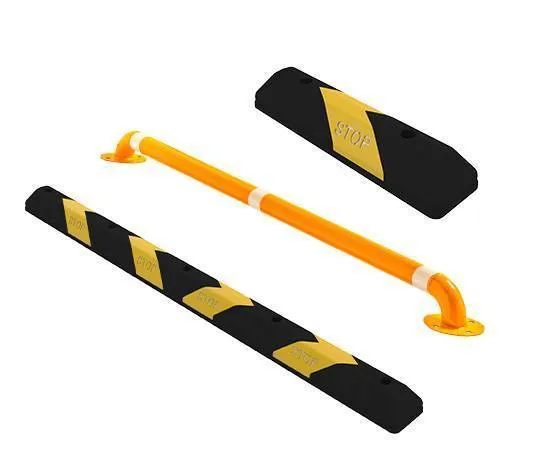
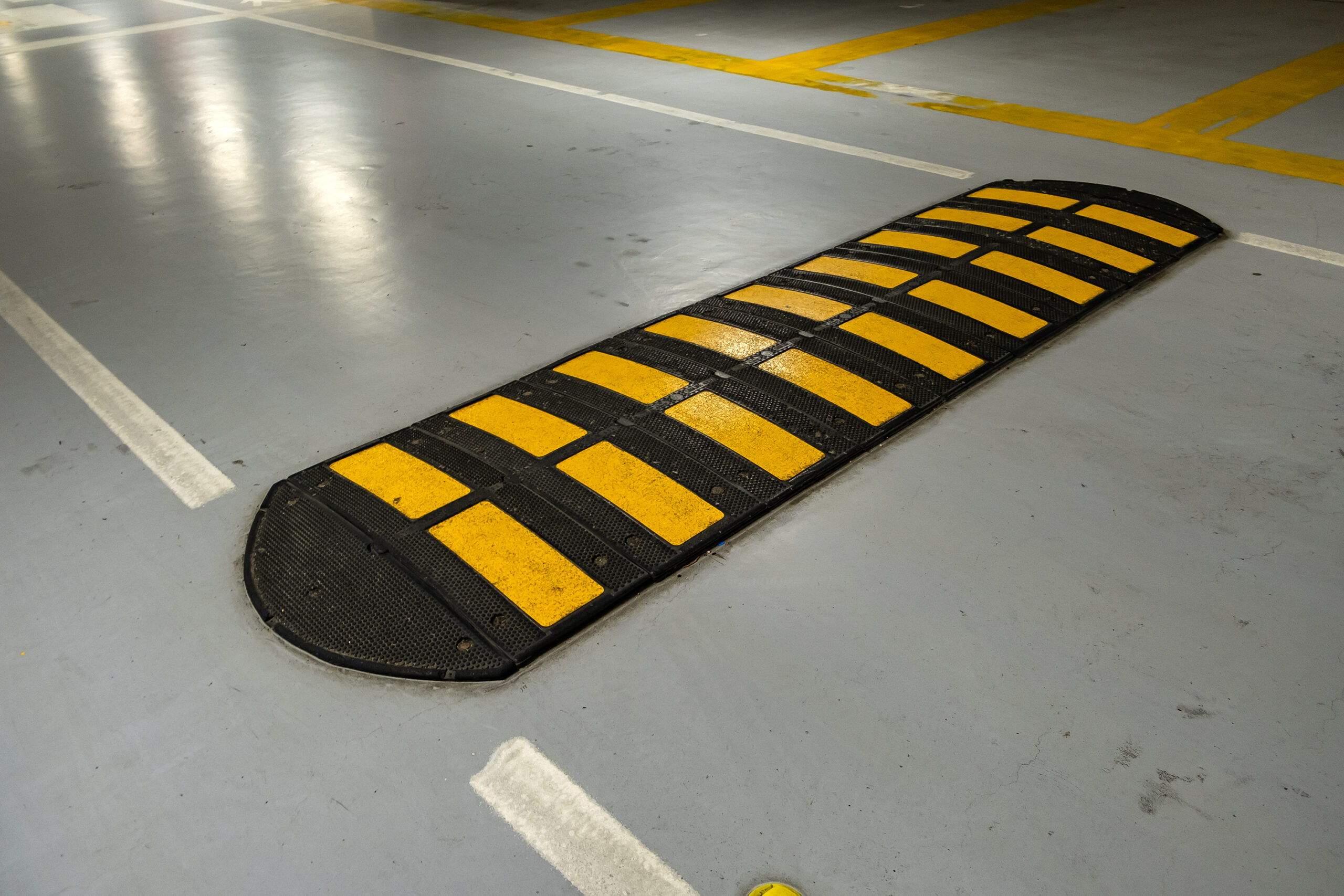
Residential communities are often places where children play outside, where people walk or bike, and where streets are frequently used by pedestrians. Without strict regulation of vehicle speeds, these areas become dangerous for all road users. Speed bumps act as a physical barrier that forces drivers to slow down, thereby reducing the risk of serious accidents.
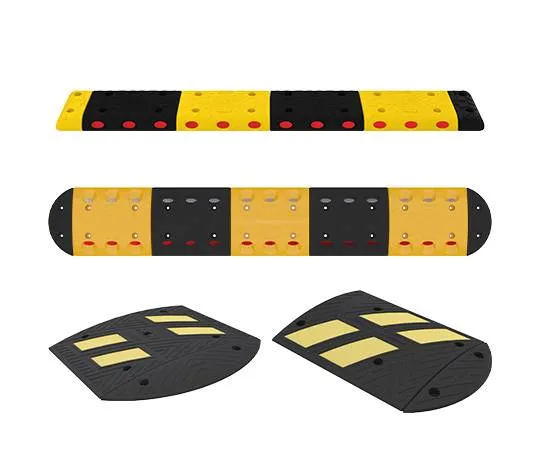
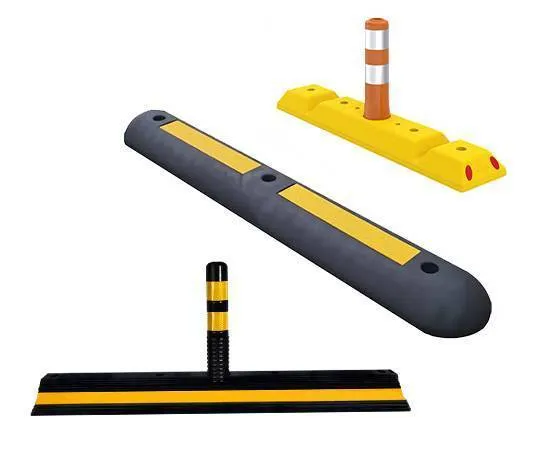
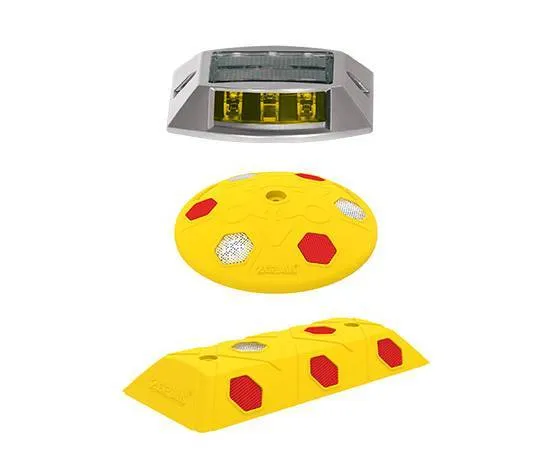
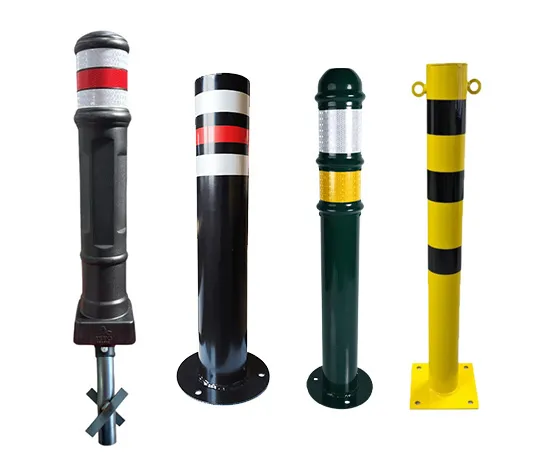
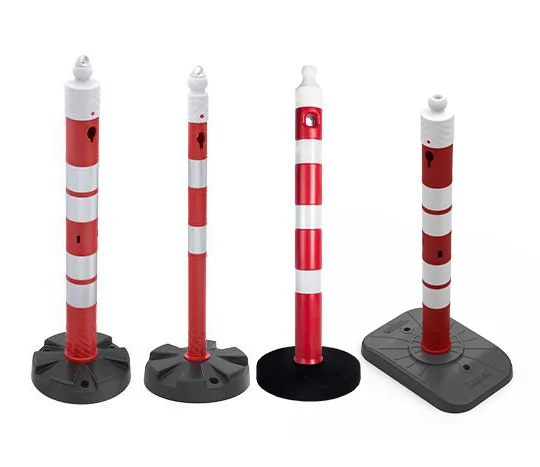
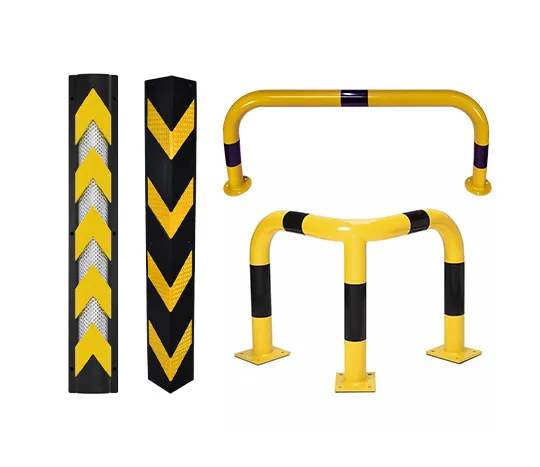
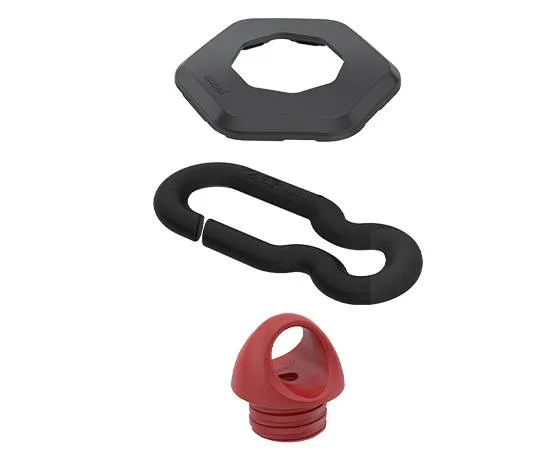
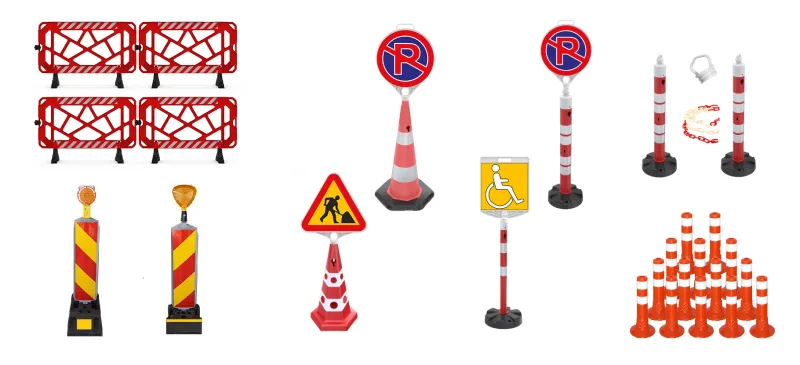
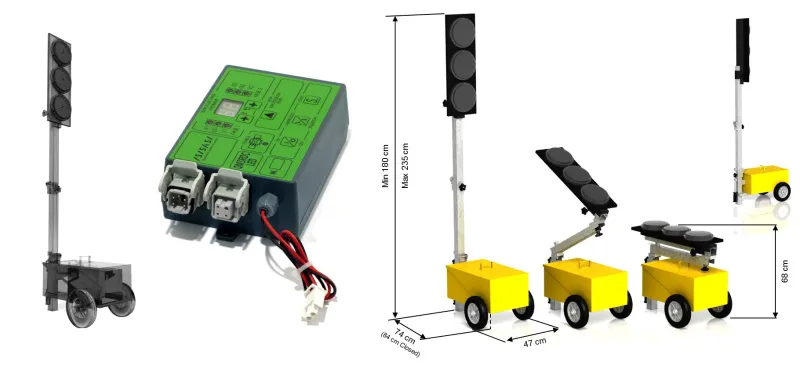
Best-selling Speed Bumps Products
Benefits for residents' safety
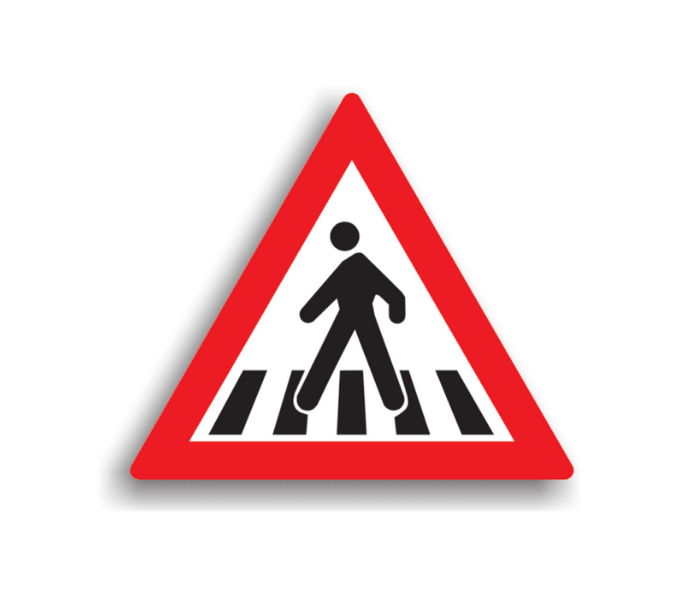
Protection of children and pedestrians: In many residential neighborhoods, children often play near streets or cross roads to reach schools and parks. Speed bumps reduce the risk of accidents as cars are forced to travel at a lower speed.
Prevention of road accidents: High speed is a major factor in many serious accidents. By limiting speed to a safe level, drivers have more time to react to unforeseen situations, such as the sudden appearance of a pedestrian on the road or a sudden stop of another vehicle.
Creating a quieter environment: Reduced vehicle speed not only prevents accidents but also contributes to a quieter environment. The noise generated by vehicles traveling at high speeds is a source of discomfort for nearby residents. Speed bumps help reduce this noise, creating a more peaceful and friendly environment for all residents.
Where should speed bumps be installed?
Speed bumps are particularly important in areas where pedestrian traffic is high, such as near schools, parks, and residential buildings. They are also useful in areas with narrow roads, where high speeds can create dangerous situations. In these locations, speed bumps help maintain a safe and efficient traffic flow while ensuring the protection of pedestrians and cyclists.
Long-term effectiveness of speed bumps
In the long run, speed bumps provide benefits for both public safety and road infrastructure. By reducing accidents, the costs of road maintenance and repairs needed after accidents are also diminished. Additionally, residents of communities benefiting from such measures feel safer, contributing to better social cohesion and an overall sense of comfort.
Conclusion
In conclusion, the installation of speed bumps in residential communities is essential for enhancing road safety. They not only protect lives, especially those of children and pedestrians, but also contribute to a quieter and more pleasant living environment. As cities continue to expand, such measures will become increasingly important for maintaining order and safety in populated areas.