


The Impact of Car Stops on Vehicle Security: Protection Against Damage
In modern parking lots, vehicle safety is a major priority. Car stops play a vital role in protecting vehicles, not only by preventing minor collisions but also by providing an effective solution for organizing parking spaces. In this article, we will discuss the impact of car stops on vehicle security, particularly regarding protection against damage caused by unintended impacts and other parking risks.
Preventing Vehicle Damage
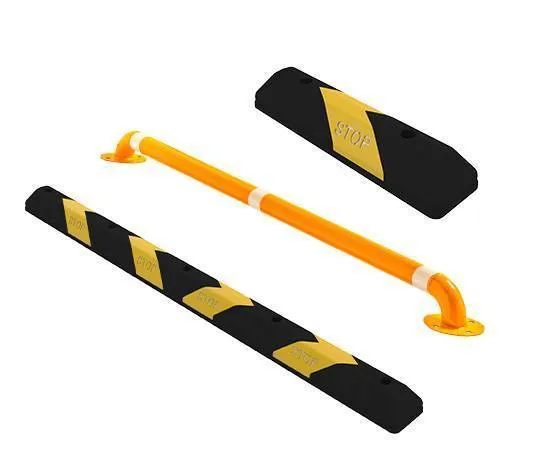
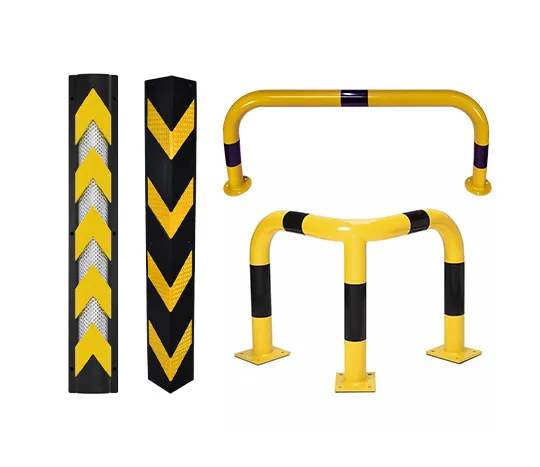
One of the biggest concerns for car owners is the risk of vehicle damage during parking. Whether it's scratches, dents, or other damages, parking lots are often where such incidents can occur. Car stops function as a preventive barrier between the vehicle and surrounding obstacles, such as walls, fences, or other parked cars. They are strategically placed to limit vehicle movement, ensuring that it remains in a safe and protected position.
Protecting the Structural Elements of the Parking Lot
In addition to protecting vehicles, car stops contribute to maintaining the integrity of the structures surrounding the parking lot. For example, without stops, vehicles may accidentally hit walls or other structures, causing considerable damage. Car stops ensure a safe distance between the vehicle and these structures, reducing the risk of damage and associated repair costs. Thus, they protect not only cars but also the parking infrastructure.
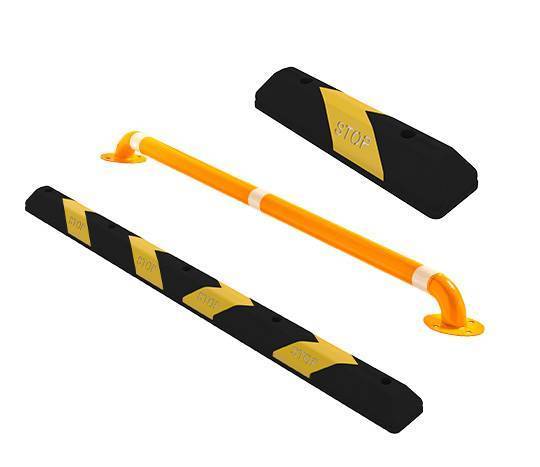
Best-Selling Car Stops
Car Stops and Parking in Commercial Spaces
In the parking lots of large shopping centers or office spaces, where traffic volume is high, the risk of minor accidents is greater. Car stops become an essential tool for ensuring vehicle safety in such areas. They help clearly delineate parking spaces, thus reducing the risk of cars being parked too close to one another. Additionally, stops help avoid collisions with other objects, such as shopping carts, sidewalks, or curbs.
Materials Used and Their Impact on Performance
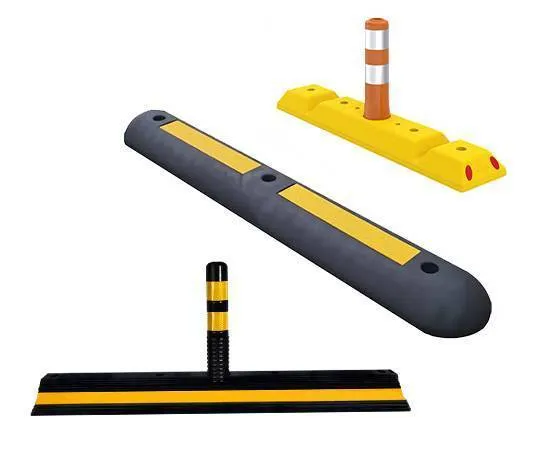
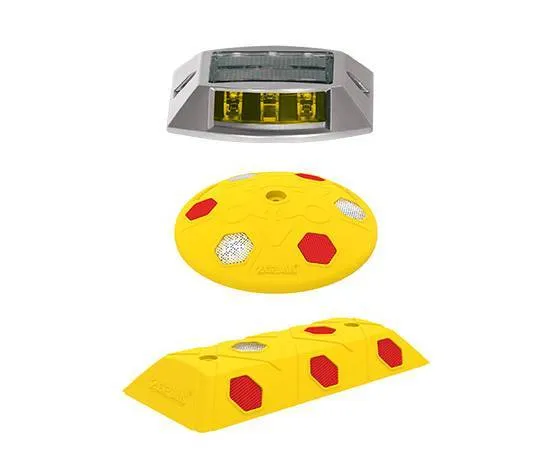
The materials from which car stops are made play an essential role in their performance and durability. The most popular stops are made from rubber, concrete, or durable plastic. Rubber stops, for example, are preferred for their ability to absorb impacts while protecting the vehicle from damage. Additionally, these stops are often resistant to extreme weather conditions, meaning they can be used outdoors without deteriorating over time. This durability is crucial in parking lots constantly exposed to sun, rain, or snow.
The Role of Stops in Residential Parking Lots
Car stops are not only useful in commercial parking lots but also in residential ones. In housing complexes or multi-story buildings, stops help organize parking spaces and prevent cars from accidentally hitting walls, fences, or other vehicles. They also create a buffer zone between the vehicle and sidewalks, ensuring the safety of pedestrians moving near the parking spaces.
Pedestrian Safety and Car Stops
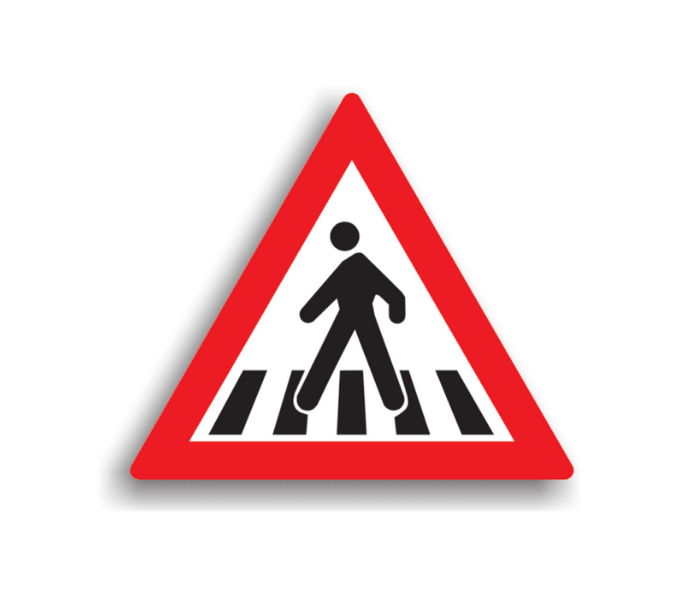
Another important aspect of car stops is pedestrian protection. In many parking lots, pedestrians must cross parking areas to reach their destination. Car stops help create a physical barrier that prevents vehicles from entering pedestrian traffic areas. Thus, the risk of accidents is reduced, and overall safety in the parking lot is improved.
Visibility and Safety in Low Light Conditions
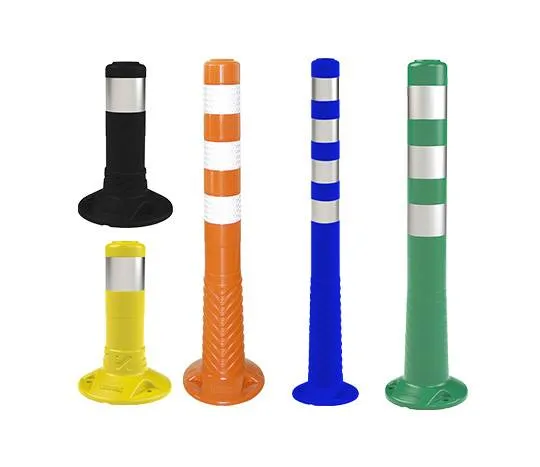
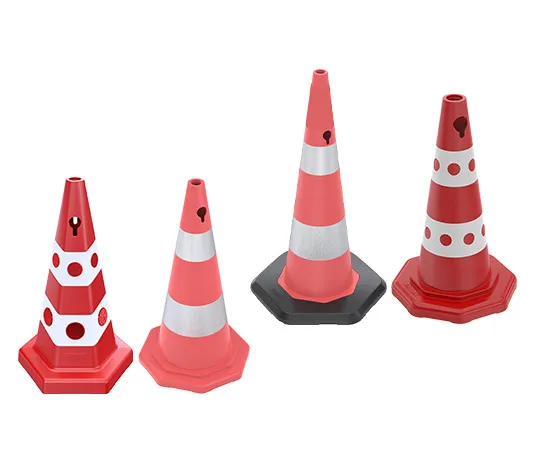
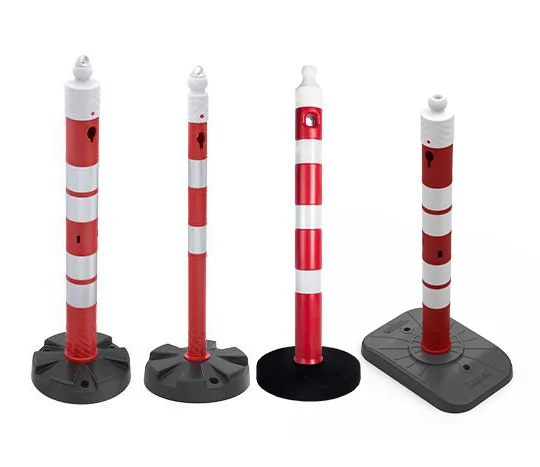
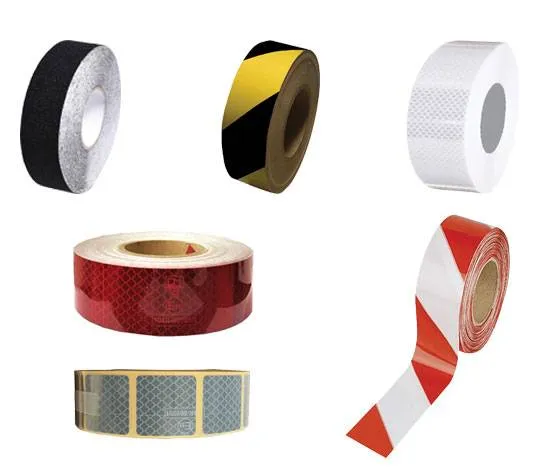
Another important feature of car stops is their visibility. In poorly lit parking lots, stops are often equipped with reflective strips or other elements that make them more visible to drivers. This feature is essential for preventing accidents, especially at night or in low visibility conditions. A well-placed and visible stop can prevent a collision before it occurs, thereby protecting both the vehicle and pedestrians.
Conclusion
Car stops are essential for ensuring the safety of vehicles and pedestrians in modern parking lots. They provide an effective solution for preventing damage, organizing space, and protecting parking infrastructure. Durable materials and visibility features contribute to the long-term performance of these devices, making them indispensable for any type of parking.