









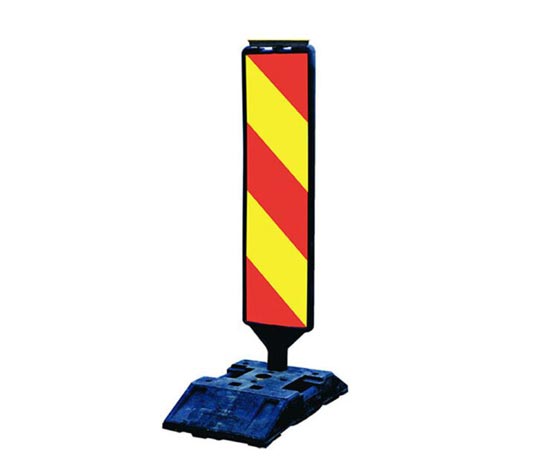
The Importance of Road Beacons in Emergency Situations and Extreme Conditions
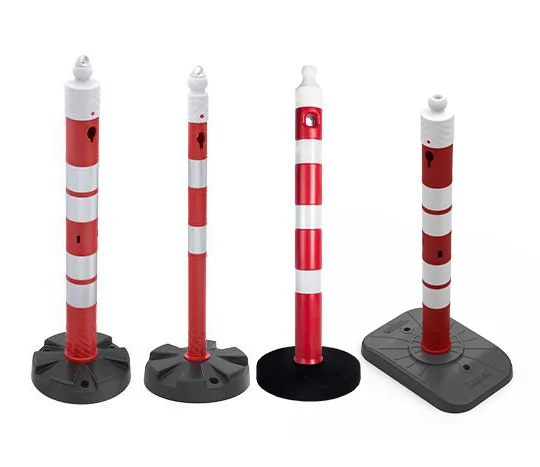
Road beacons are essential elements for traffic organization, but their role becomes even more vital in emergency situations and extreme conditions. These simple yet highly effective devices can make the difference between smooth traffic and complete chaos, especially when road infrastructure is put to the test. In this article, we will explore how road beacons contribute to managing emergency situations and ensuring safety on roads affected by extreme phenomena.
The Use of Road Beacons in Case of Accidents
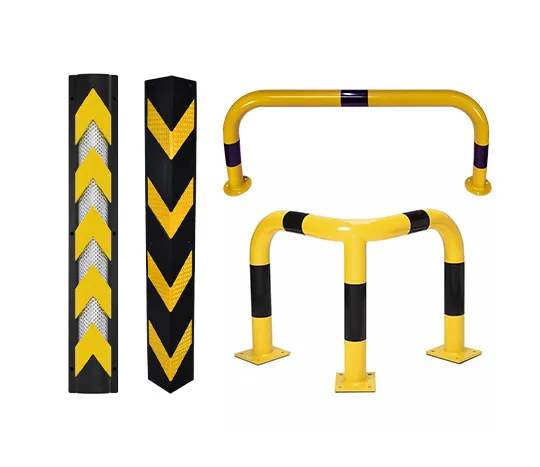
One of the most important roles of road beacons is to ensure efficient traffic management following road accidents. When an accident occurs, authorities must react quickly to avoid further collisions or traffic blockages. Road beacons are placed to safely divert traffic, delineating the affected area and allowing access for emergency vehicles, such as ambulances and fire crews.
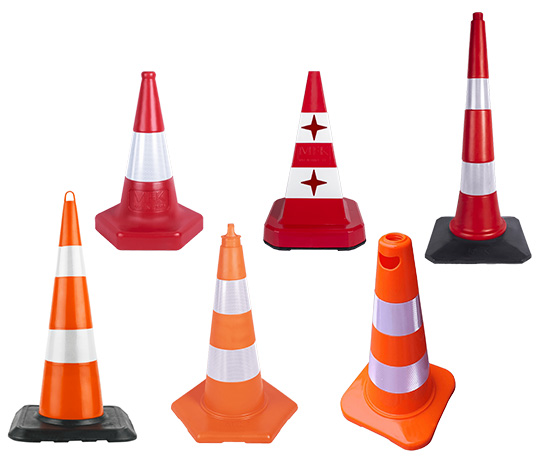
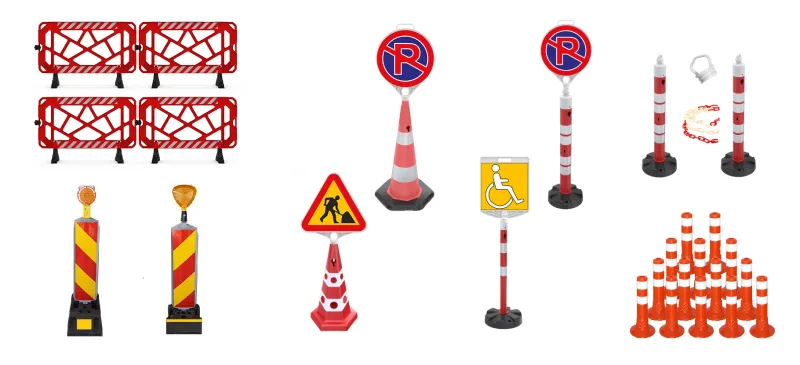
Road beacons, in combination with cones and other temporary signage, help reduce speed near the accident and redirect drivers onto alternative routes. These measures not only protect road users but also create a safe perimeter around emergency teams, allowing them to operate without additional risks.
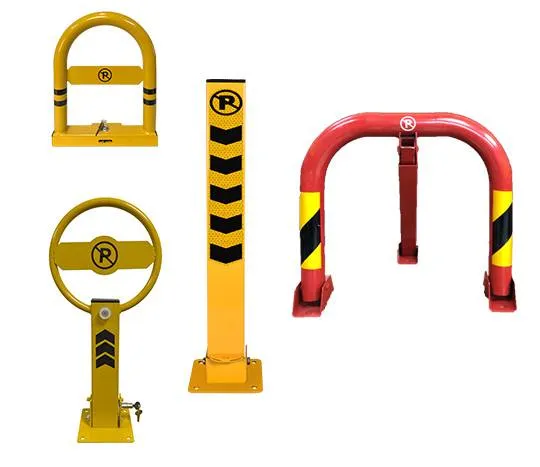
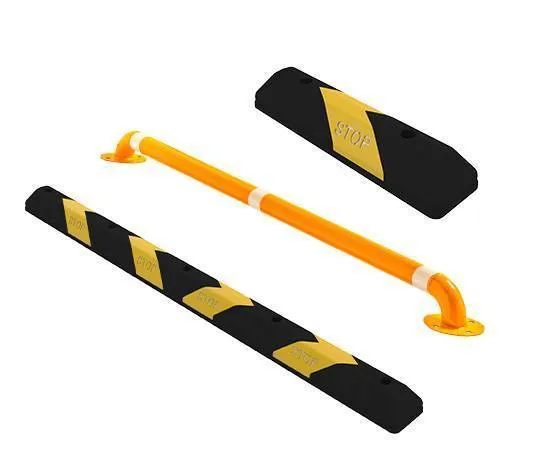
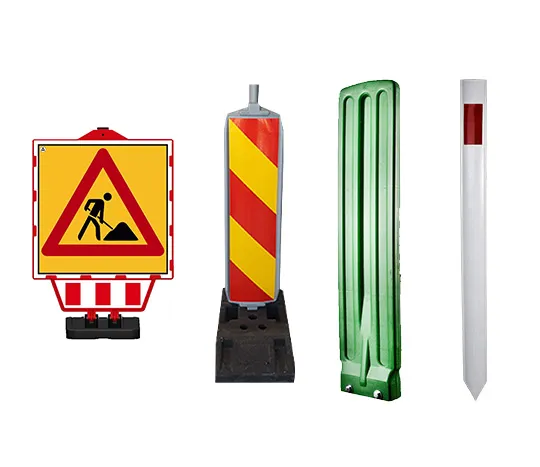
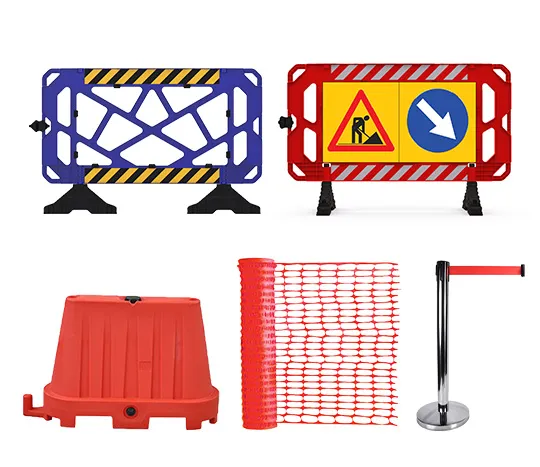
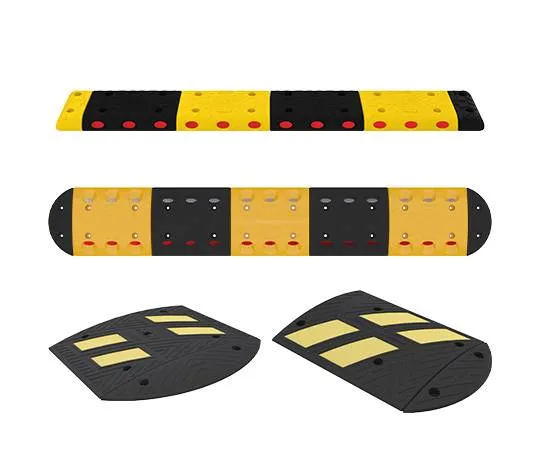
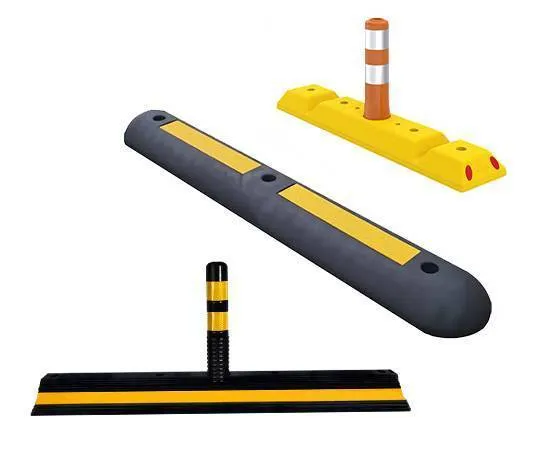
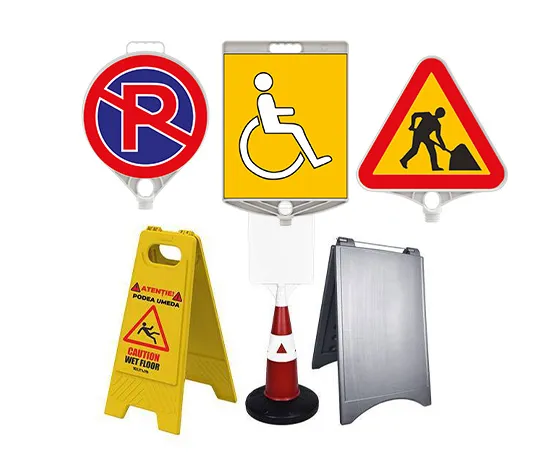
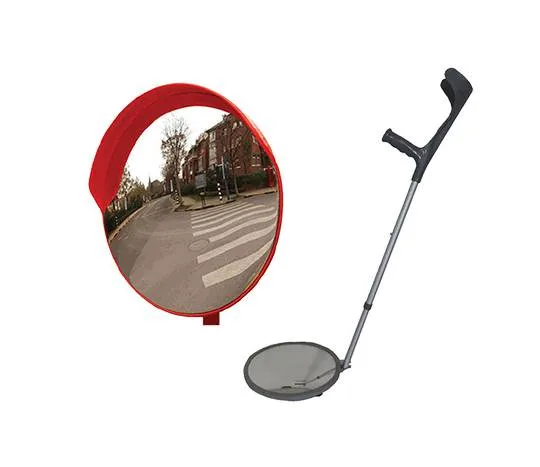
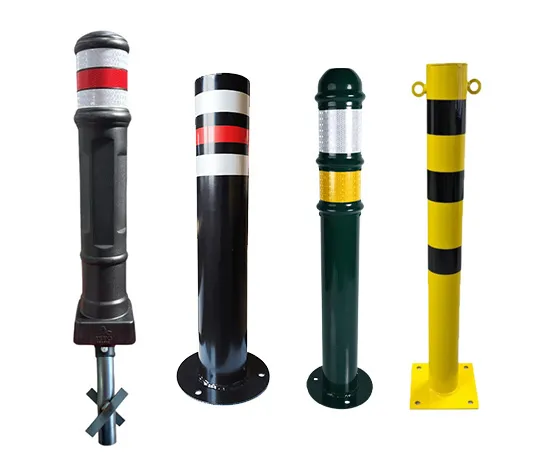
Best-Selling Road Beacon Products
Road Beacons in Extreme Weather Conditions
Extreme weather phenomena, such as snowstorms, heavy rains, or dense fog, can quickly turn a safe road into a major danger zone. In these conditions, reduced visibility and slippery road surfaces significantly increase the risk of accidents. Road beacons are often used to mark the edges of roads or to signal dangerous curves, allowing drivers to navigate safely.
During winter, beacons equipped with reflectors are essential for guiding traffic on snow-covered roads, especially in sections where road markings are temporarily obscured. Additionally, in mountainous areas or on highways exposed to adverse weather conditions, road beacons can be used to indicate areas at risk of landslides or avalanches, thus enabling authorities to take swift preventive measures against incidents.
Road Beacons in Emergency Evacuations
In the case of major emergencies, such as wildfires or floods, evacuating the population from affected areas is a priority. Road beacons are essential for creating safe and organized routes in such scenarios. During evacuations, traffic often becomes congested, and drivers may be disoriented due to stress and crowding. Strategically placed road beacons guide vehicles to evacuation routes, ensuring a steady and organized flow of traffic.
Moreover, in combination with other signaling equipment, beacons can be used to delineate hazardous areas where access is prohibited, thus protecting people from imminent dangers. For example, in the case of floods, beacons can mark flooded roads or unsafe bridges, thereby preventing accidents and blockages.
Modern Road Beacons with LED Technology
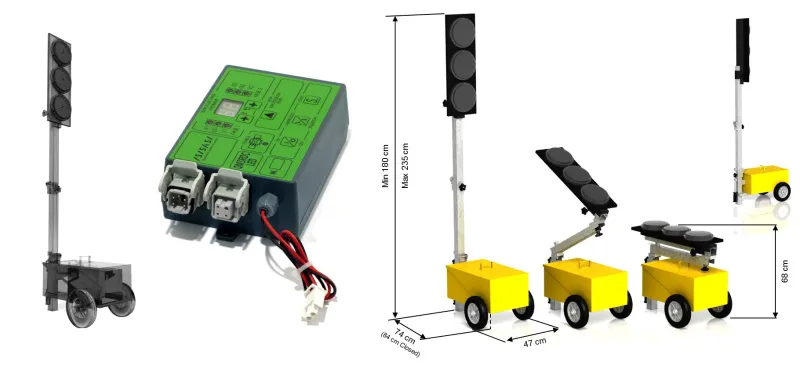
A recent innovation in the field of road beacons is the integration of LED technology, which makes them much more visible in low light conditions or extreme weather situations. These modern beacons are equipped with flashing lights that can be seen from great distances, giving drivers extra reaction time.
Additionally, LED beacons are often solar-powered, making them energy-efficient and suitable for long-term use in areas without access to electric power sources. This makes them ideal for rural areas or less-traveled roads, where visibility is critical for driver safety.
Conclusion
Road beacons are much more than simple road delineation devices. In emergency situations and extreme conditions, they become vital tools for protecting lives and managing traffic. Whether used to signal an accident, guide traffic during a storm, or organize evacuations in the event of natural disasters, road beacons play a crucial role in maintaining order and safety on our roads. Investments in modern road beacons equipped with advanced technologies will contribute to increased road safety and more efficient traffic management under difficult conditions.