





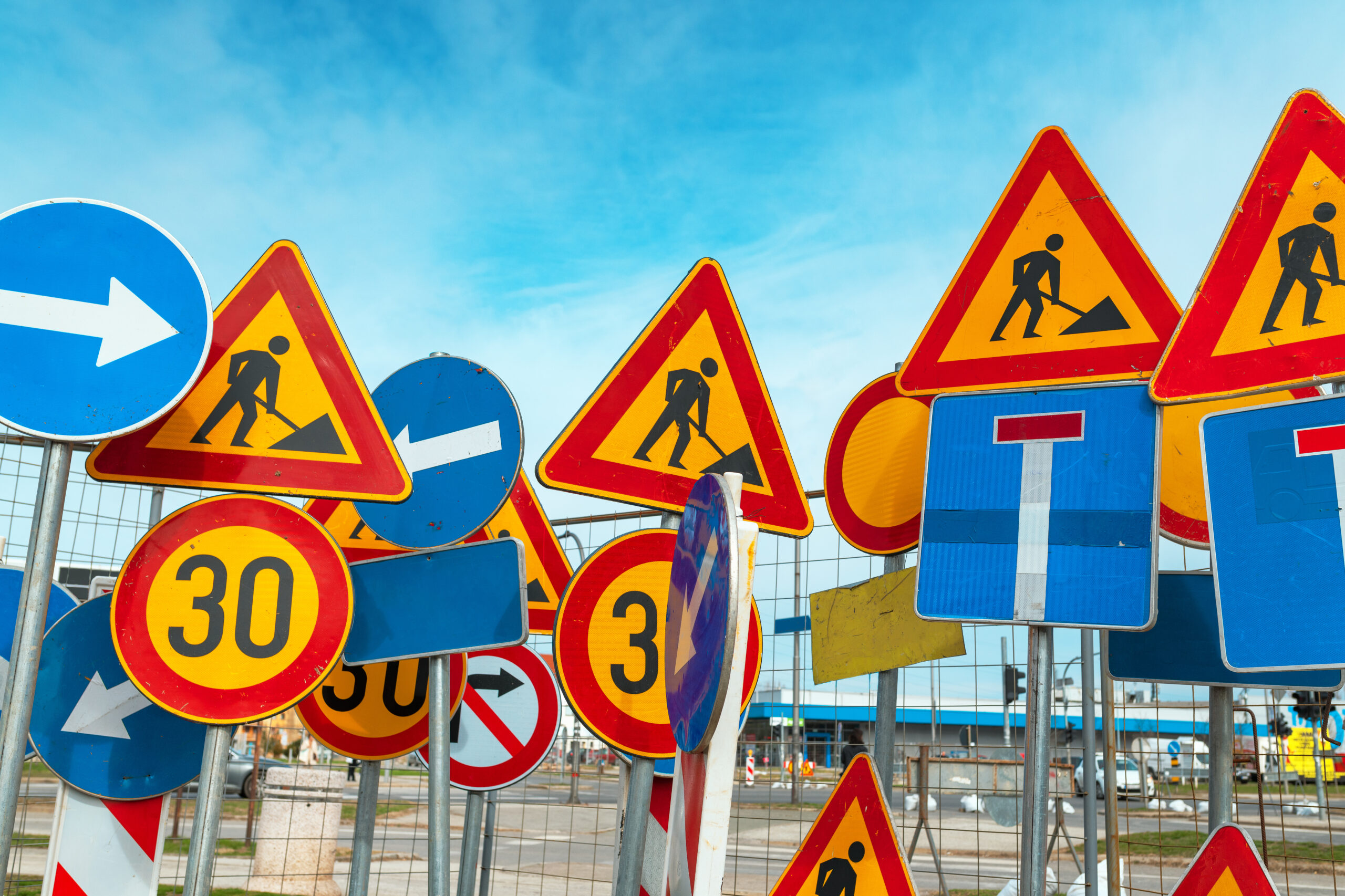
The Importance of Proper Installation of Road Sign Poles
Road signs play a crucial role in traffic safety, providing drivers and pedestrians with clear information about directions, speed limits, and other essential regulations. However, just as important as the message of the signs is the way they are installed and supported by the appropriate poles. Correct and strategic installation of road sign poles can make the difference between smooth traffic and chaotic or dangerous conditions. In this article, we will discuss the importance of proper placement and installation of these poles, as well as the factors that influence their durability and efficiency.
Key Factors in Pole Placement
One of the most important aspects regarding road sign poles is their correct placement. If a pole is placed in an inappropriate location or at an incorrect height, drivers and pedestrians may have difficulty reading and understanding the message conveyed. This can lead to confusion and even traffic accidents.
The first factor to consider is visibility. Sign poles must be placed in such a way that the signs are visible in advance, allowing drivers to react appropriately. In urban areas, it is essential that poles are positioned at an optimal height and placed so that buildings or other structures do not obstruct their visibility.
In rural areas or on highways, where vehicle speeds are higher, pole placement must be designed to provide sufficient reaction time. Additionally, these poles must be sturdy enough to withstand extreme weather conditions and potential impacts.
Correct Installation for Durability
In addition to placement, the correct installation of poles is another factor that influences their efficiency and durability. Depending on the type of road and local conditions, various fixing methods are chosen. Generally, sign poles are fixed either by being concreted directly into the ground or by using metal bases that provide stability and resistance to wind or impacts.
A well-installed pole must be able to withstand mechanical pressures caused by heavy traffic, adverse weather conditions, as well as potential incidents. The use of quality materials, such as galvanized steel or aluminum, contributes to extending the lifespan of the poles and reducing maintenance costs.
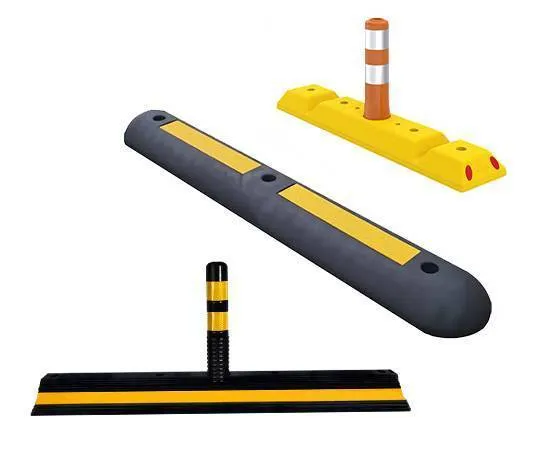
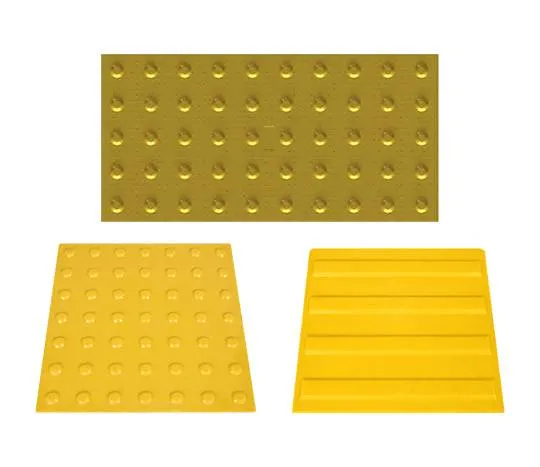
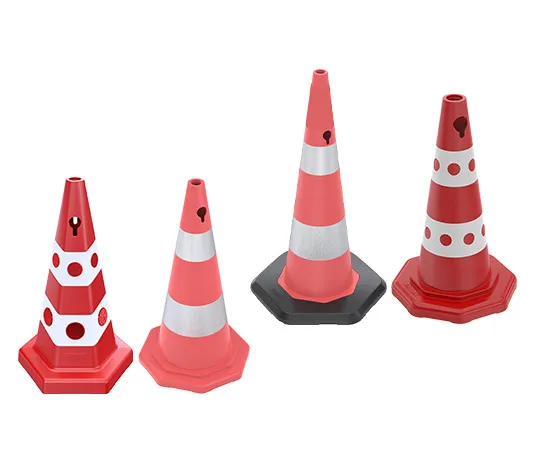
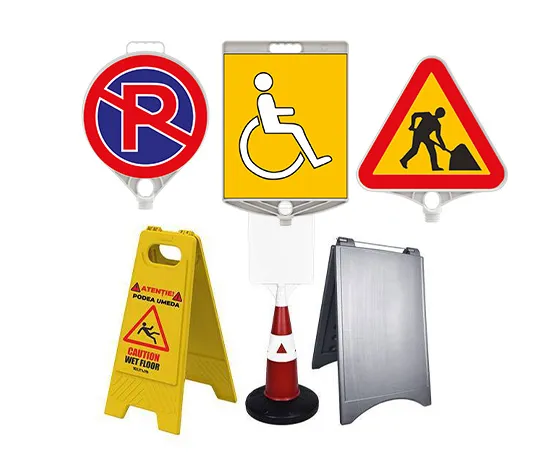
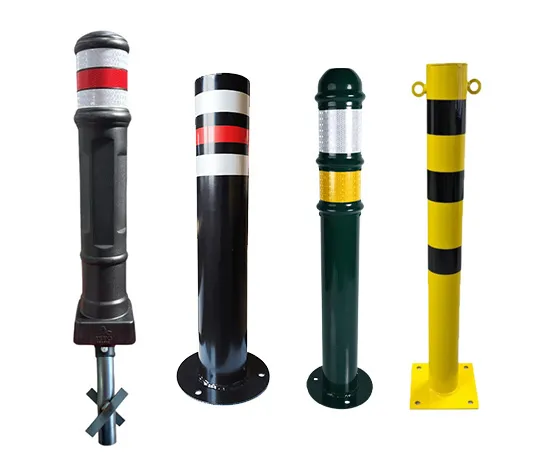
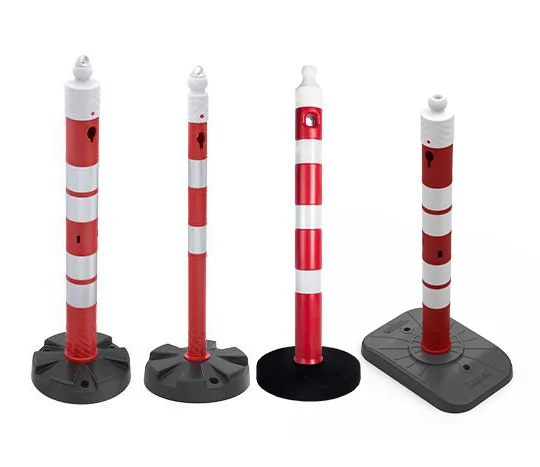
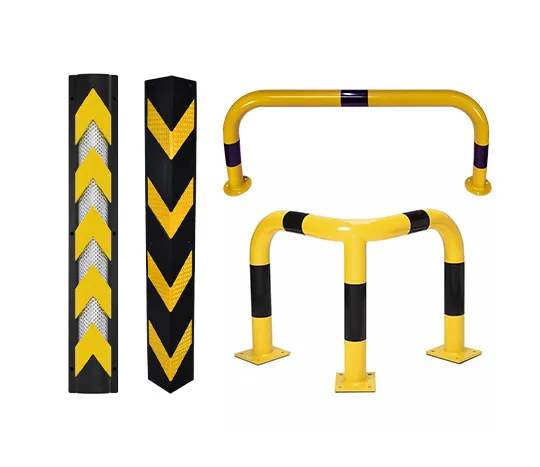
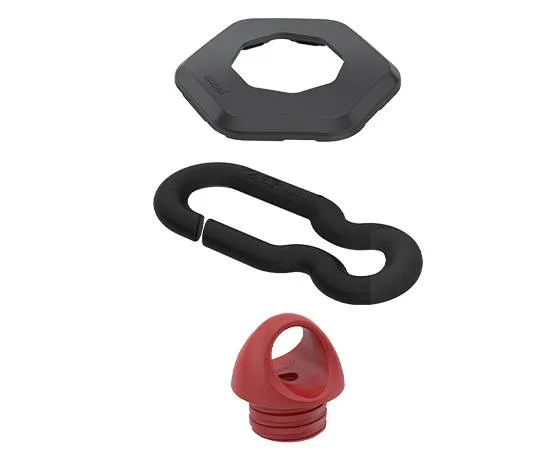
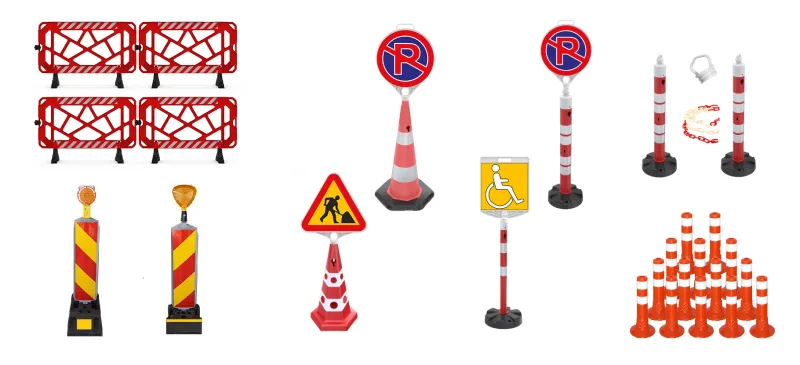
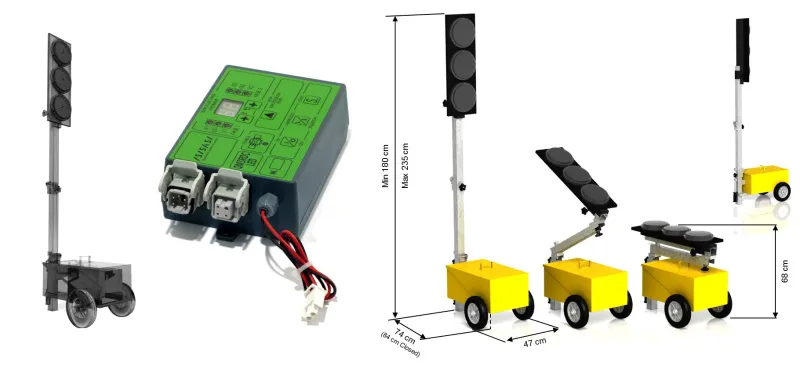
Best-Selling Road Sign Pole Products
Security Aspects and Compliance with Standards
In addition to strength and visibility, road sign poles must comply with legal standards and safety regulations imposed by authorities. This includes not only the size and shape of the poles but also the minimum distances from the road edge that must be maintained to avoid potential hazards.
Furthermore, in many areas, road sign poles must be equipped with reflective materials or lights to ensure visibility at night or in low visibility conditions, such as fog or heavy rain.
Modern Solutions for Pole Installation
In recent years, technology has also influenced the field of road sign pole installation. In addition to traditional methods, modern solutions such as flexible poles or poles equipped with sensors have been implemented in certain regions. Flexible poles, for example, can reduce the risk of injury if struck by vehicles, returning to their original shape after impact. Additionally, in areas where weather conditions are extreme, poles equipped with monitoring systems can transmit real-time information to authorities about road conditions.
Conclusion
The proper installation and placement of road sign poles are critical elements in the efficient management of traffic and the prevention of accidents. Both the construction materials used and the installation technologies influence the durability and functionality of these poles. It is essential for authorities and companies responsible for road infrastructure to pay close attention to these details to ensure safe and efficient traffic. With modern solutions available, road sign poles are no longer just simple supports for traffic signs but essential components of a modern and safe traffic system.