






The Importance of Metal Traffic Signs in Traffic Safety and Flow
Metal traffic signs are essential for the efficient management of road traffic and for preventing accidents. Every driver, cyclist, or pedestrian relies on these signs to navigate public roads safely and to understand the traffic rules applicable in certain areas. These signs are particularly important in heavy traffic conditions, providing clear and visible information about restrictions and traffic rules.
The Role of Metal Traffic Signs
Traffic signs serve to regulate, warn, and guide road users. Each sign has a well-defined purpose, such as informing about speed limits, warning of hazards, directing towards important destinations, or prohibiting certain maneuvers.
Metal traffic signs, unlike those made from other materials, offer increased durability and higher resistance to extreme weather conditions. They are designed to withstand long-term exposure to rain, wind, high temperatures, and even light mechanical impacts, maintaining their functionality and visibility.
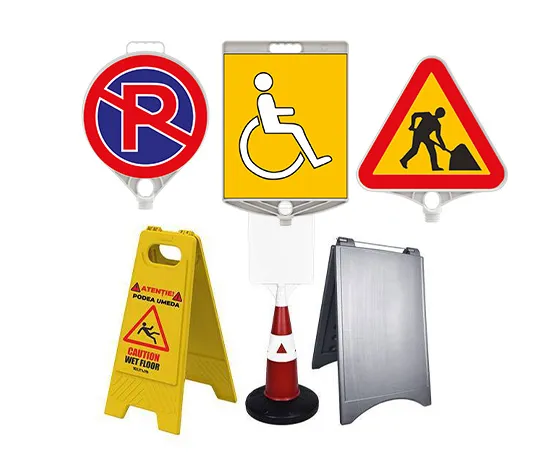
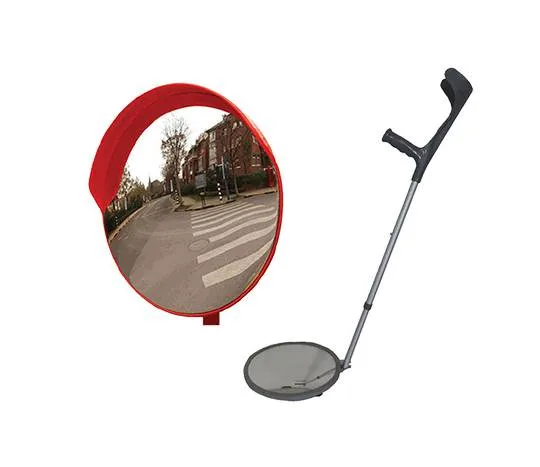
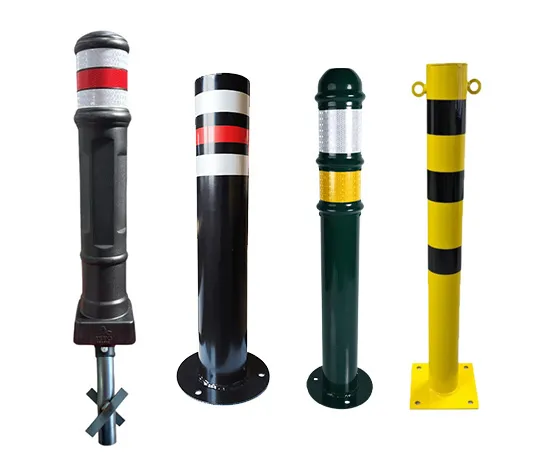
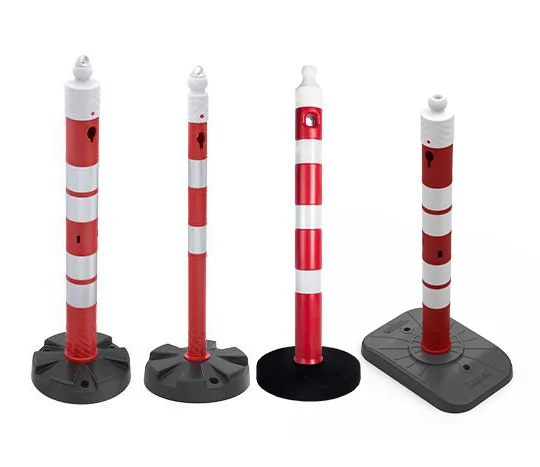
Best-Selling Metal Traffic Sign Products
Types of Metal Signs
There are several types of metal traffic signs, each serving a specific purpose in road traffic. Among the most common are:
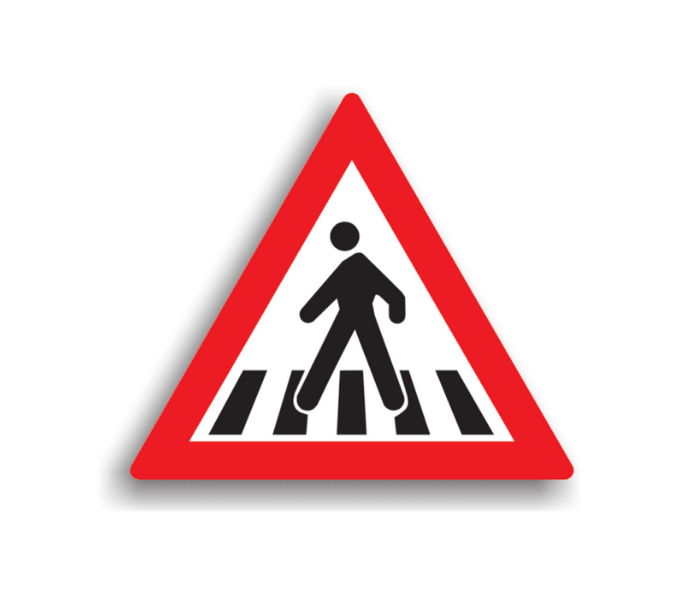
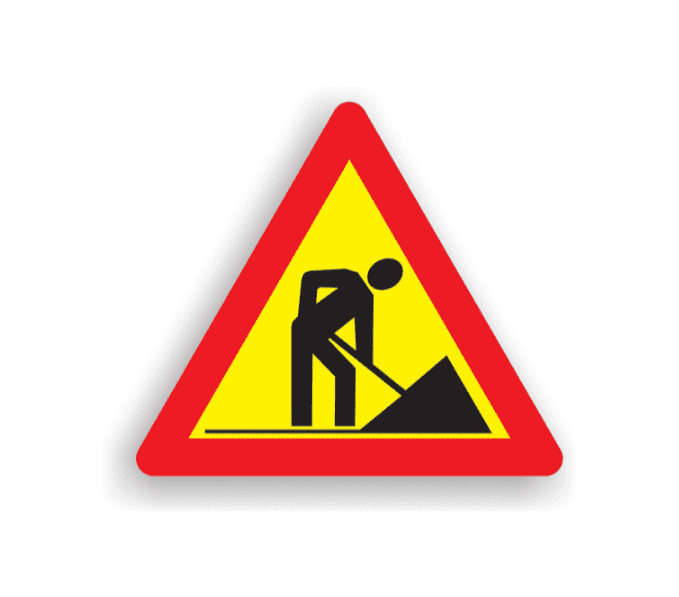
Warning signs – These signs are used to alert drivers to potential hazards on the road, such as dangerous curves, intersections, or pedestrian crossings. Typically, these signs have a triangular shape and a yellow background, making them easy to spot from a distance.
Regulatory signs – These signs establish strict traffic rules that must be followed, such as speed limits, mandatory stops, or prohibitions on access to certain areas. For example, the “Stop” sign or the one indicating “No Entry” are classic examples of regulatory signs.
Directional signs – These signs provide information about directions and distances to various locations or points of interest, such as gas stations, hospitals, or parking lots. They are very useful in areas with heavy traffic or in places where drivers are unfamiliar with the route.
The Advantages of Metal in Manufacturing Traffic Signs
The main reason traffic signs are made from metal is durability. Aluminum, commonly used in the manufacture of these signs, is a lightweight material but extremely resistant to corrosion and damage. Unlike other materials, metal can withstand years of exposure without being significantly affected by harsh weather conditions or exposure to solar radiation.
In addition to durability, metal allows for the application of reflective films, which are crucial for the visibility of signs at night. Furthermore, metal traffic signs are easy to maintain and clean, making them an excellent choice for heavily trafficked roads.
Contribution to Road Safety
Metal traffic signs play a vital role in ensuring safety on the roads. They provide drivers with clear and concise information, allowing them to make quick and correct decisions while traveling. For example, a speed limit sign can help prevent accidents in hazardous areas, while a sign indicating a pedestrian crossing can save lives.
Studies show that the presence of well-placed and visible traffic signs significantly contributes to reducing road accidents and increasing traffic flow. In their absence, drivers may become confused, increasing the risk of collisions and violations of traffic rules.
Modern Manufacturing Technologies
Currently, the manufacturing of metal traffic signs benefits from modern technologies that ensure superior quality and optimal visibility. The use of high-quality reflective films and advanced printing methods allows for the creation of signs that are easy to read, even in low visibility conditions.
Additionally, modern processes for manufacturing metal traffic signs are more environmentally friendly, using renewable resources and reducing the negative impact on the surrounding environment.
Conclusion
Metal traffic signs represent a cornerstone of safety and efficiency in road traffic. Due to their durability, increased visibility, and resistance to weather conditions, these signs are indispensable for a safe road infrastructure. Moreover, their contribution to accident prevention and traffic flow makes them an essential investment for any public road.