






The importance of road markings for traffic safety and fluidity
Road markings are essential elements of traffic infrastructure, designed to guide and inform drivers, pedestrians, and cyclists about traffic rules. They significantly contribute to road safety by preventing accidents and ensuring a more efficient flow of traffic. In this context, the importance of these signals becomes evident, especially in crowded areas or on roads with a high degree of danger.
Types of road markings
Road markings can be of several types, depending on their purpose and the area in which they are applied:
Longitudinal markings: These are white or yellow lines that delineate traffic lanes. They indicate whether overtaking is permitted or not, separating directions of travel or traffic lanes. Continuous markings prohibit lane changes, while discontinuous ones allow overtaking, ensuring safe and organized traffic.
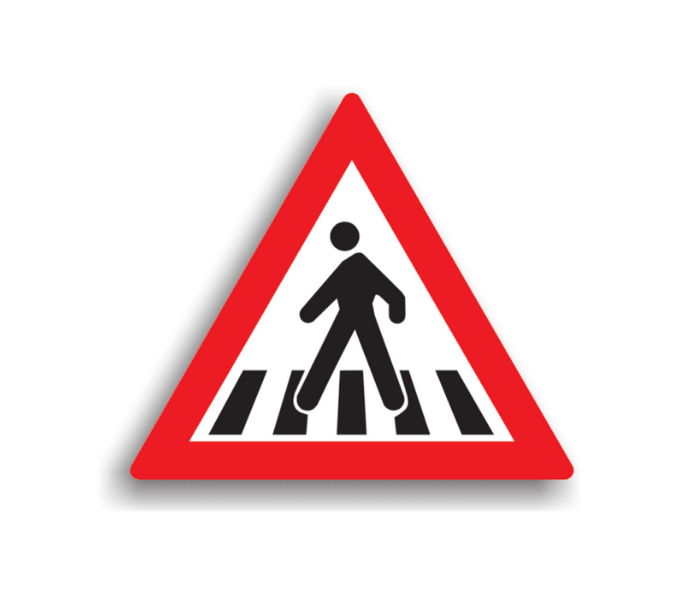
Transversal markings: These are lines that cross roads and serve to indicate pedestrian crossings or stopping at traffic lights and intersections. The pedestrian crossing, known as a "zebra crossing," is a classic example of a transversal marking that protects pedestrians and signals where they have the right of way.
Arrows and symbols: These markings are used to indicate directions of travel and the regime of traffic lanes. Additionally, symbols are used to mark parking spaces reserved for certain categories of vehicles, such as those for people with disabilities or for taxis.
Parking markings: These are lines drawn on asphalt that delineate parking spaces. They help organize parking, reducing the risk of traffic blockage and facilitating access to designated parking areas.
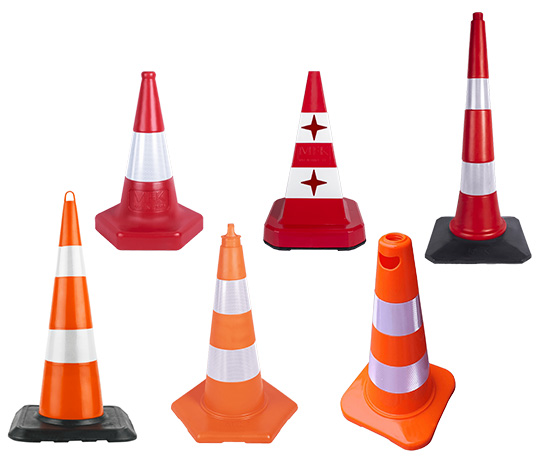
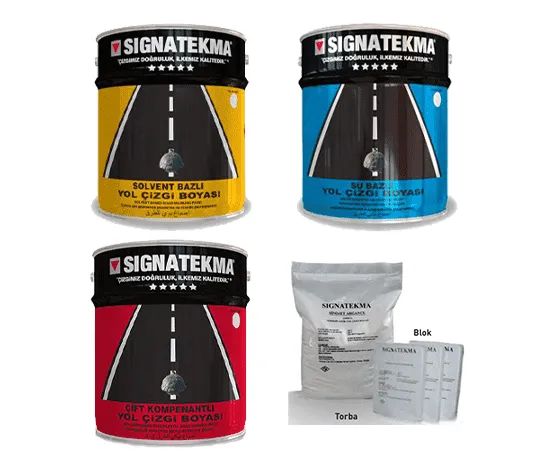
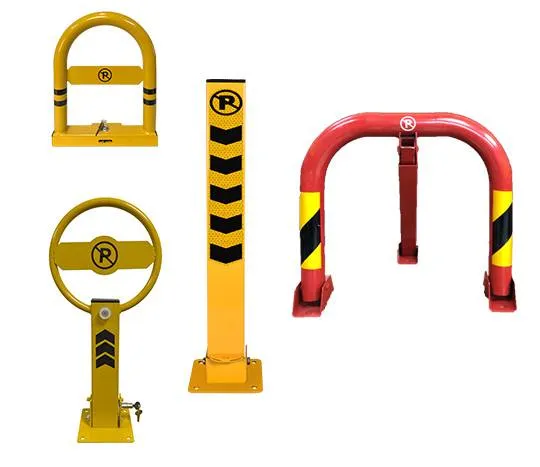
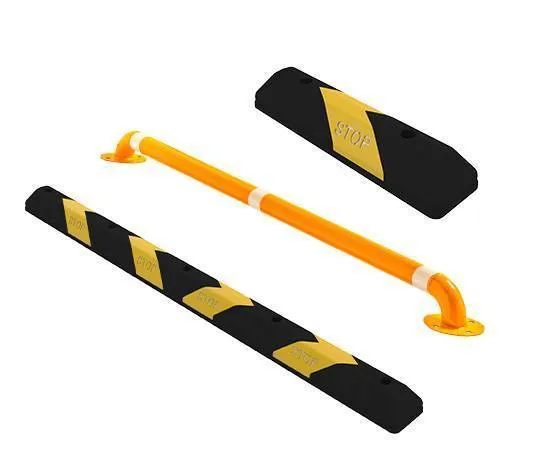
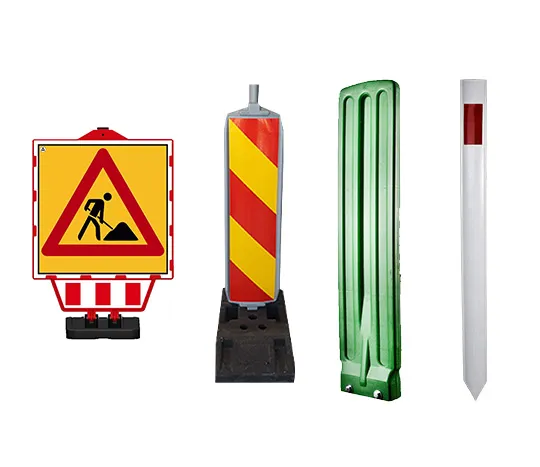
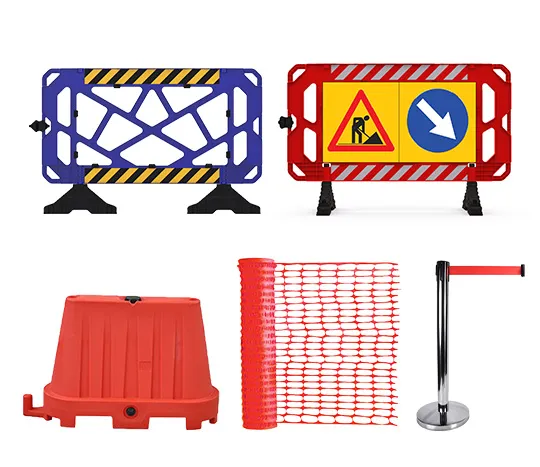
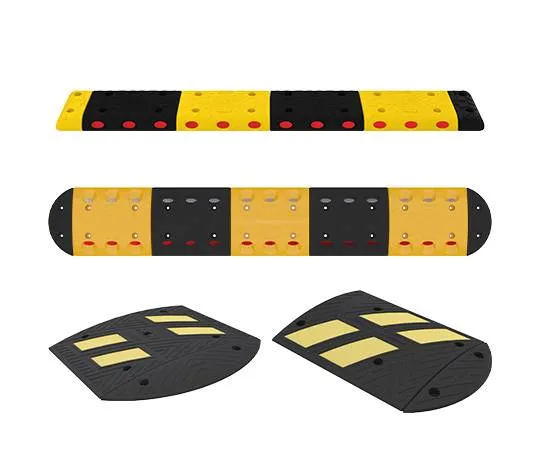
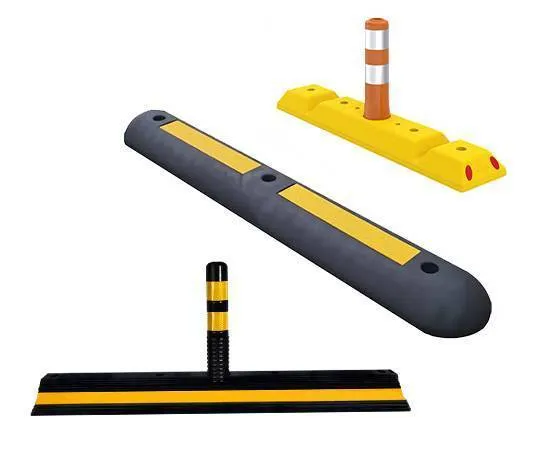
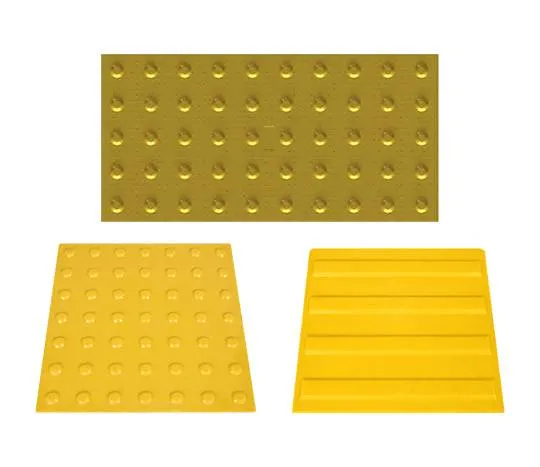
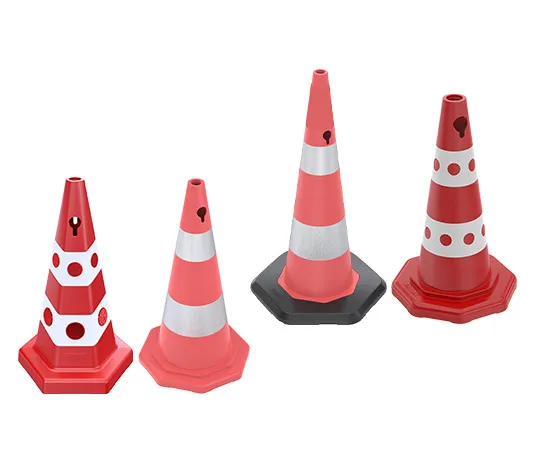
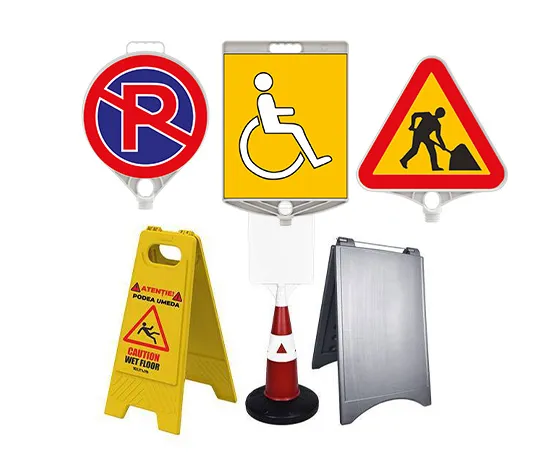
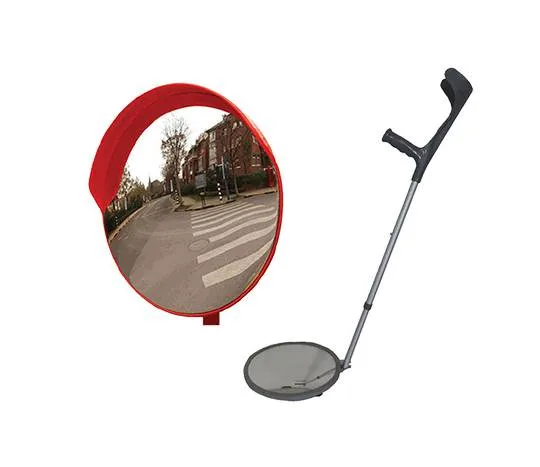
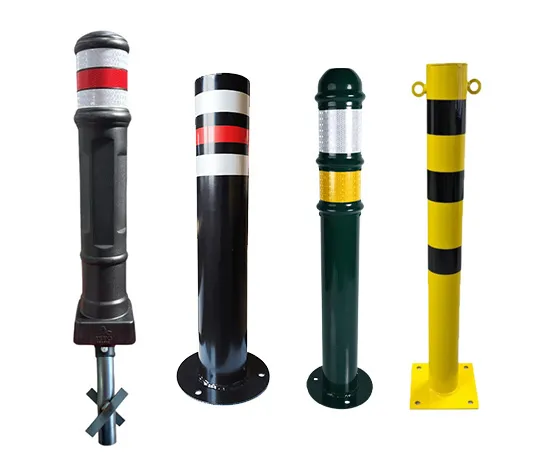
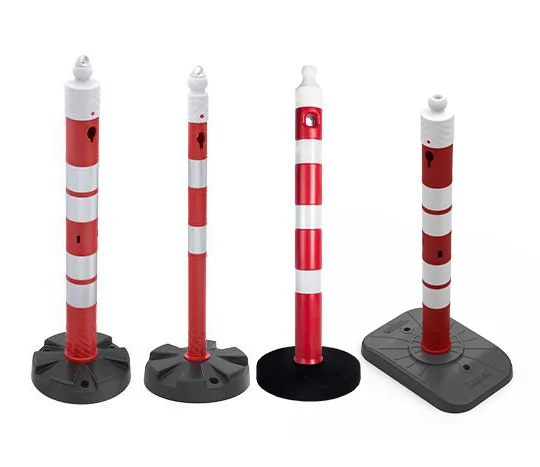
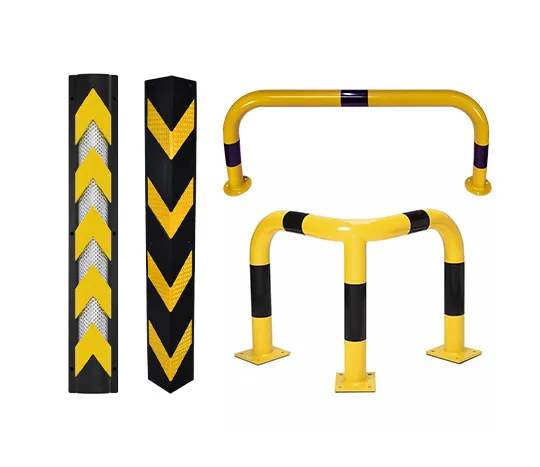
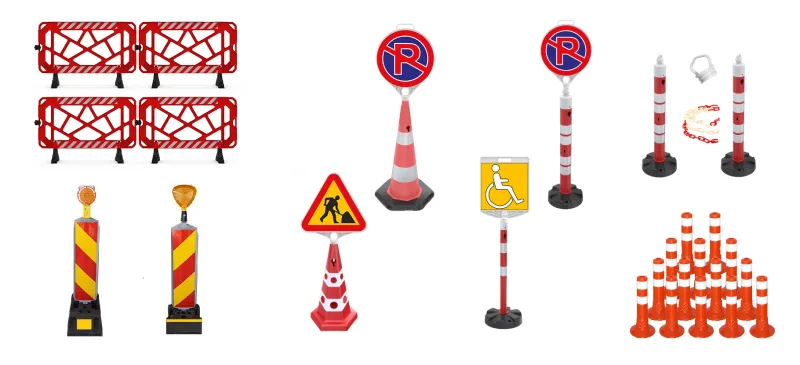
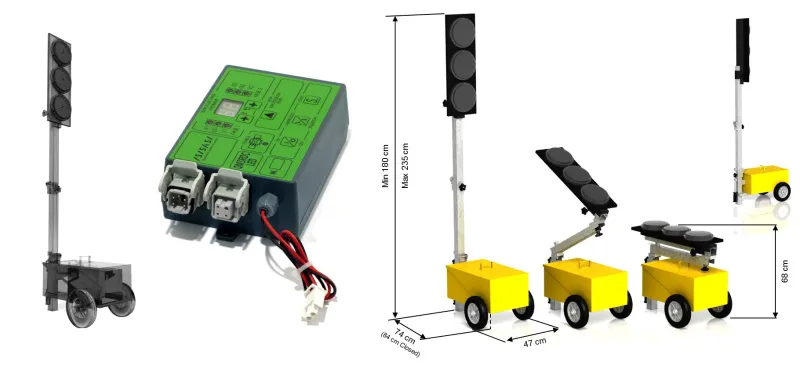
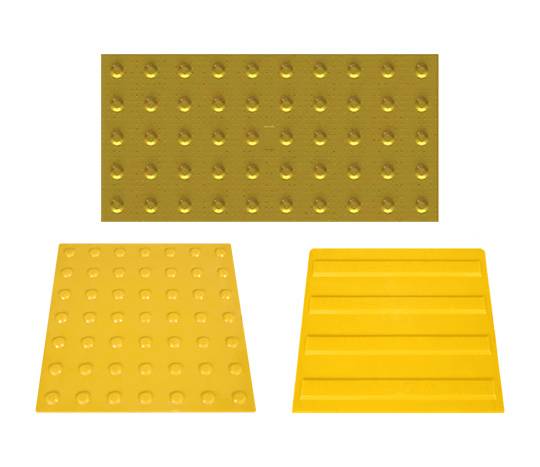
Best-selling Road Marking Products
The role of road markings in traffic safety
Road markings play an essential role in ensuring the safety of traffic participants. They provide clear and direct visual information that helps drivers adjust their behavior on the road. For example, continuous or discontinuous lines inform drivers about when and where it is safe to change lanes or overtake. This visual communication reduces confusion and the risks of accidents.
In urban areas, road markings are essential for pedestrian safety. A well-marked and visible pedestrian crossing is a clear signal for drivers to yield. This is particularly important in crowded intersections or near schools and parks.
On highways and express roads, road markings help maintain a constant and safe flow of traffic, preventing accidents caused by inattention or misunderstanding of traffic rules. Additionally, reflective markings, visible at night, are essential for driving in low visibility conditions.
Materials used for road markings
Modern road markings are made from high-quality materials designed to withstand heavy traffic and varying weather conditions. The most common materials are road paint and thermoplastic tape.
Road paint: This is the most commonly used solution for temporary markings or for areas with low traffic. The paint can be applied quickly and is a cost-effective solution. However, it may require frequent reapplications, especially in high-traffic areas.
Thermoplastic tape: This is a more durable solution, used on heavily trafficked roads or in crowded intersections. Thermoplastic is applied by melting and solidifies quickly, forming a durable layer resistant to wear and extreme weather conditions.
Innovations in road markings
In recent years, road markings have benefited from a series of technological innovations aimed at improving their visibility and durability. One example is the use of reflective materials, which make markings visible at night or in foggy conditions.
Additionally, eco-friendly solutions are being explored, such as water-based road paints, which are less polluting and have a reduced impact on the environment. Furthermore, smart road markings, which can communicate directly with autonomous vehicles, represent a developing innovation that could completely transform how road infrastructure operates.
Conclusion
Road markings are a vital component of traffic infrastructure, contributing to the safety and fluidity of circulation. The correct choice of marking types and the use of durable materials are essential factors for maintaining an efficient and safe road network. As technology advances, road markings are becoming increasingly intelligent and better suited to modern requirements, providing innovative solutions for safer and better-organized traffic.