

The Importance of Materials in the Manufacturing of Iron Barriers
Iron barriers play a crucial role in the safety and organization of road traffic, as well as in protecting public or private spaces. One of the most important aspects when it comes to these barriers is the material they are made from, in this case, iron. In this article, we will explore why iron is the chosen material for these products and what remarkable properties it has that ensure durability and optimal performance.
The Durability of Iron
Iron is known for its exceptional durability, being able to withstand harsh weather conditions, including strong winds, rain, and extreme temperatures. Iron barriers can endure years of intense use without losing their functionality or structure. This durability is essential, especially in high-traffic areas where barriers are constantly subjected to impact forces and wear.
Another advantage of iron is its resistance to deformation. Even in the event of an impact, iron barriers maintain their structural integrity better than other materials, such as plastic or wood. This makes them ideal for use in areas where security is of utmost importance.
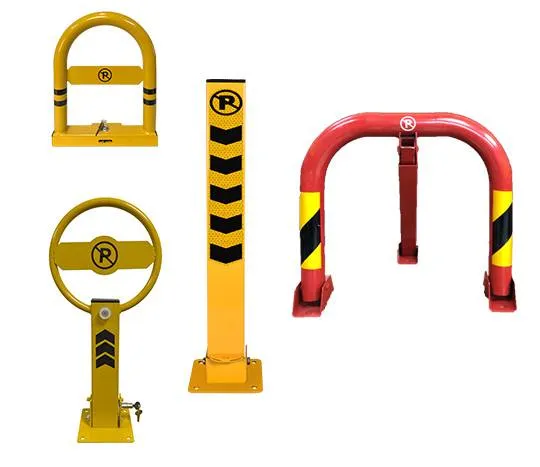
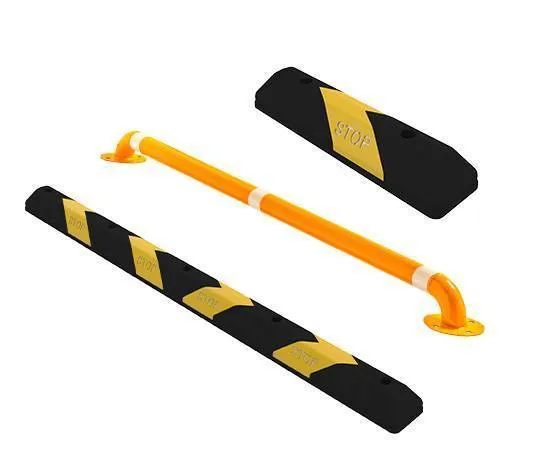
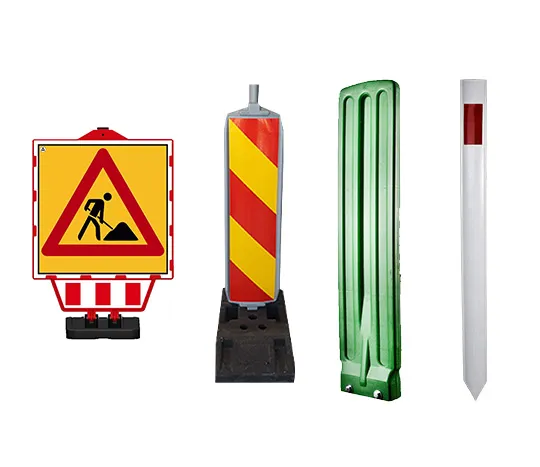
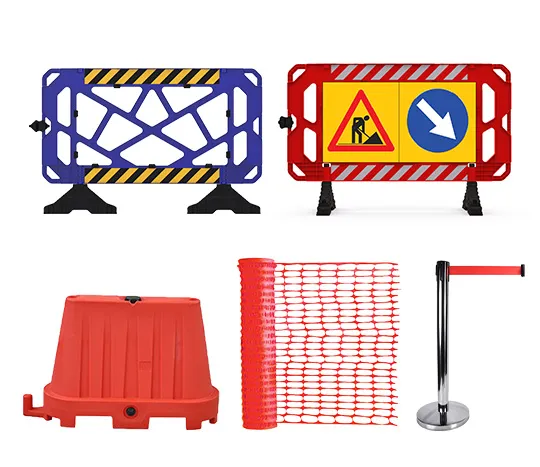
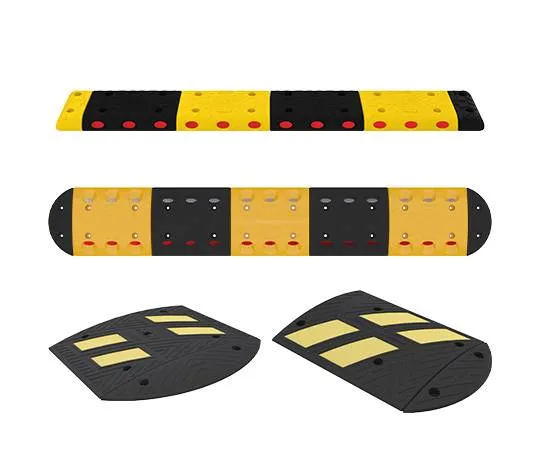
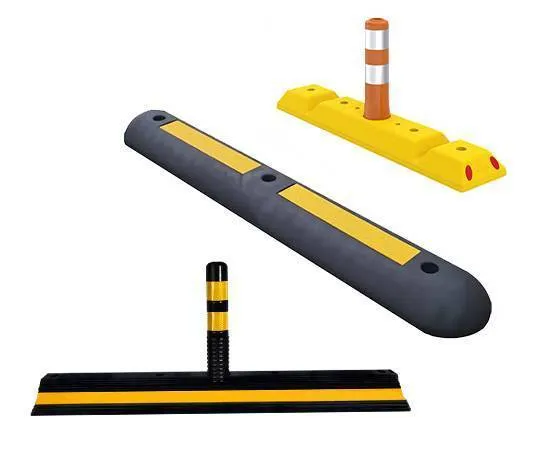
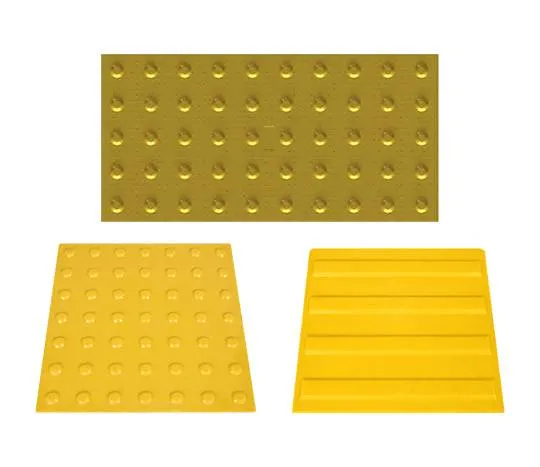
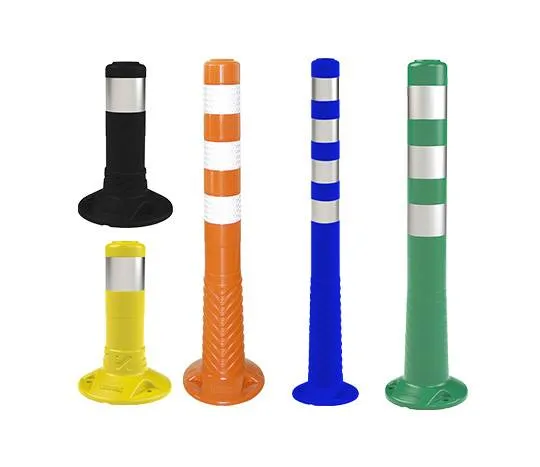
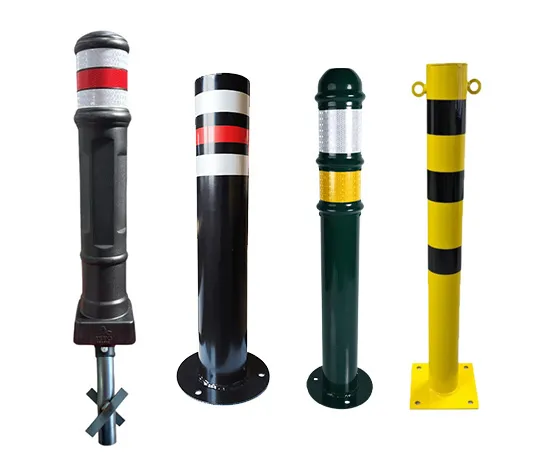
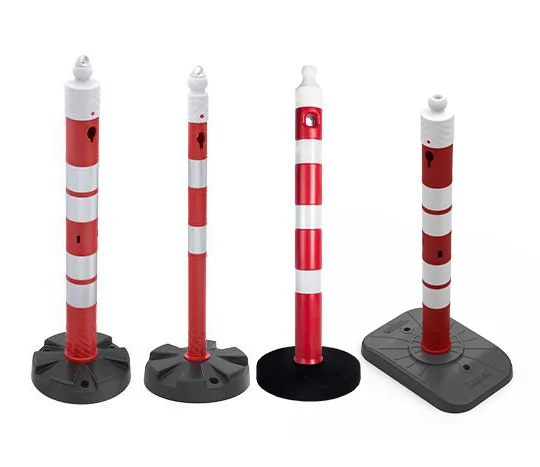
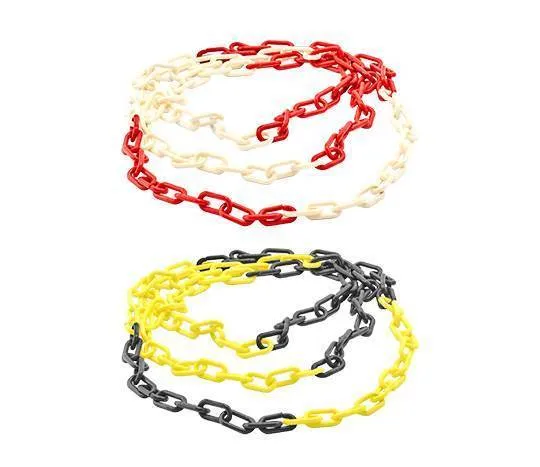
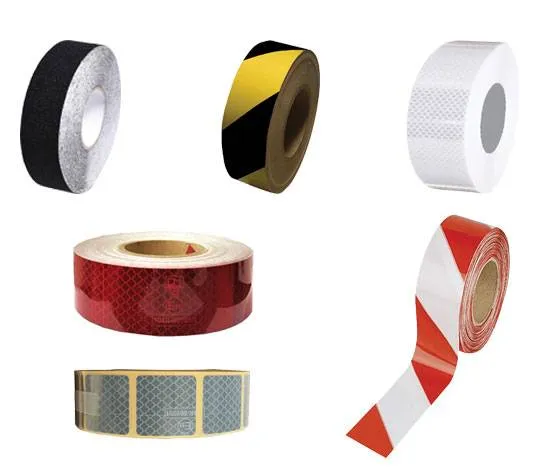
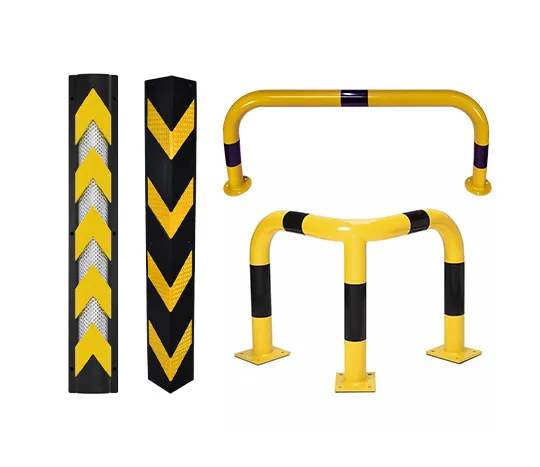
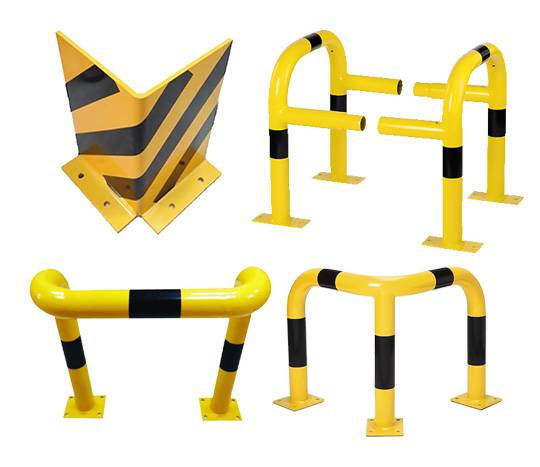
Best-Selling Iron Barrier Products
Anti-corrosive Properties
Although raw iron is prone to rust and corrosion, iron barriers are often treated with a protective layer of zinc or painted with special anti-corrosive materials. This galvanization process not only extends the life of the barriers but also maintains their aesthetic appearance over time. In urban environments, where aesthetics and functionality go hand in hand, these anti-corrosive treatments are essential.
Adaptability and Versatility
Iron is an incredibly versatile material, allowing manufacturers to create a variety of barrier designs tailored to specific needs. For example, iron barriers can be made in simple, functional shapes or can be shaped to add an aesthetic element. This adaptability makes iron preferred not only in industrial spaces but also in commercial or residential areas.
Additionally, iron can be combined with other materials, such as wood or glass, to create modern design barriers. This allows for the integration of barriers into various architectural contexts without compromising security.
The Sustainability of Iron
Another important advantage of iron is its sustainability. Iron can be recycled and reused, making iron barriers an eco-friendly choice. In an age where sustainability is becoming increasingly important, choosing materials that can be reused contributes to reducing environmental impact.
Costs and Maintenance
Although iron may be more expensive than other materials initially, the long-term investment is well worth it. Iron barriers require minimal maintenance and, due to anti-corrosive treatments, do not need to be replaced frequently. This makes iron a cost-effective and efficient solution in the long run.