


The Importance of Materials in the Manufacturing of Metal Poles
In the field of infrastructure and construction, metal poles play a crucial role in supporting and delineating various structures. These poles are used in multiple applications, from road signage to industrial and commercial constructions. In this context, the importance of the materials used for manufacturing metal poles cannot be underestimated. The choice of the right materials influences the durability, safety, and efficiency of these essential structures.
1. Durability and Strength
Metal poles are often exposed to varying weather conditions and constant wear. Therefore, the materials used must provide excellent resistance to corrosion, abrasion, and impact. Stainless steel and aluminum are two of the most commonly used materials for metal poles due to their durability and strength properties. Stainless steel, in particular, is valued for its ability to withstand extreme humidity and contamination conditions, while aluminum is the ideal choice for applications that require a combination of strength and lightness.
2. Structural Properties
Metal materials are also chosen for their structural properties. Steel and aluminum provide an excellent combination of strength and flexibility, allowing for the design of poles that can support heavy loads without compromising structural integrity. Additionally, metal materials allow for the creation of poles with various shapes and sizes, tailored to the specific requirements of each project. This is essential for projects that require customized and adaptable solutions.
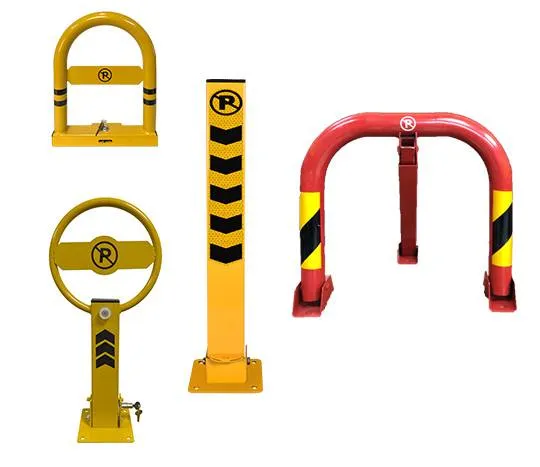
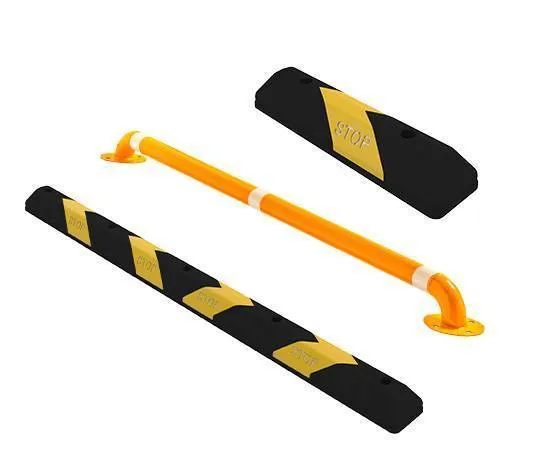
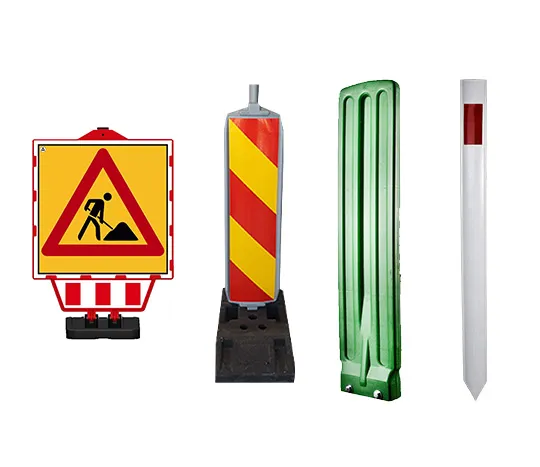
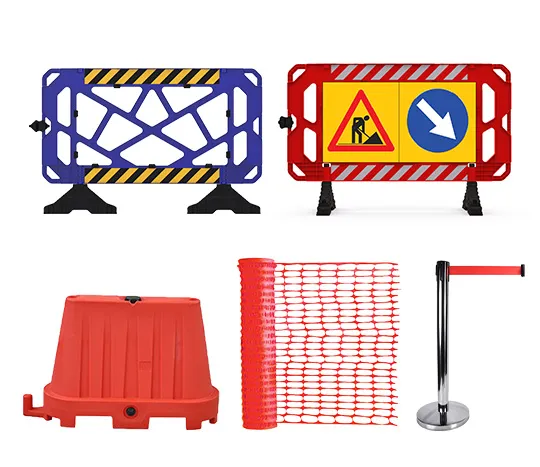
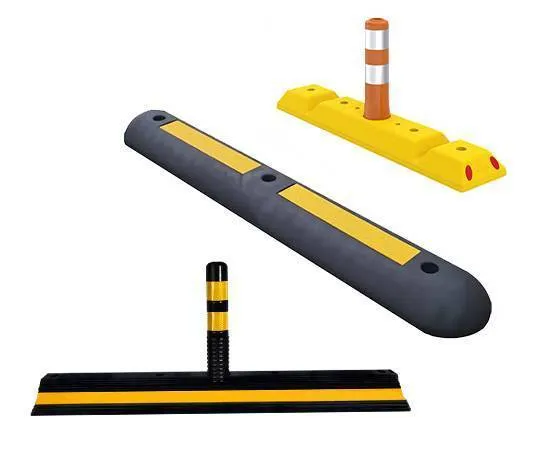
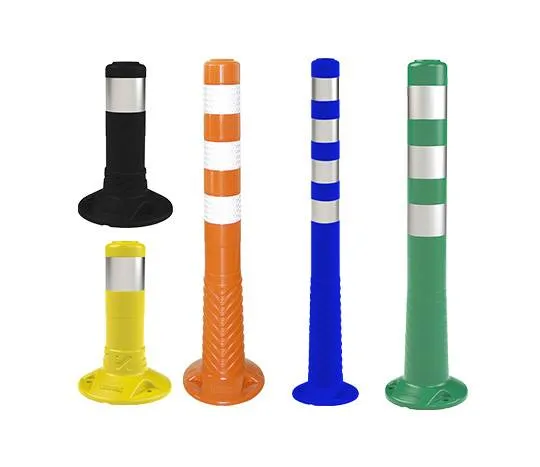
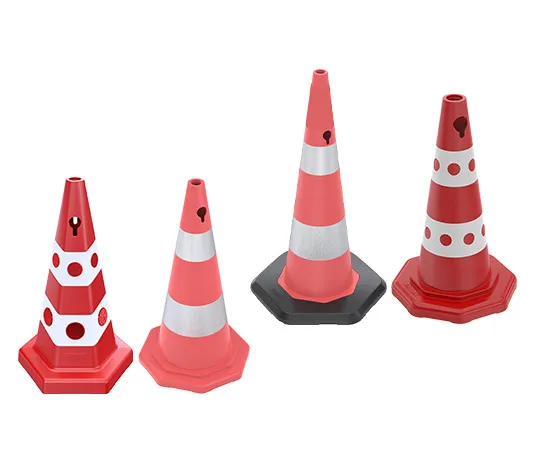
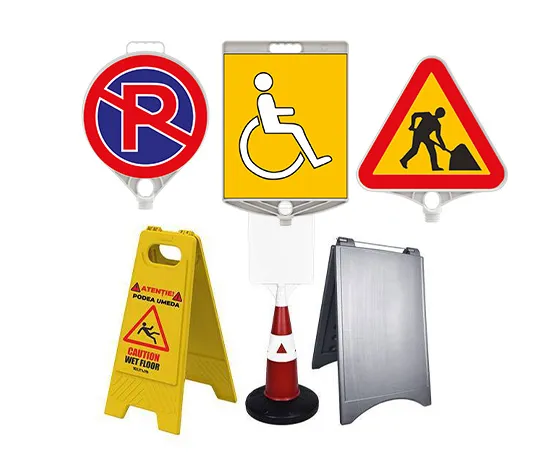
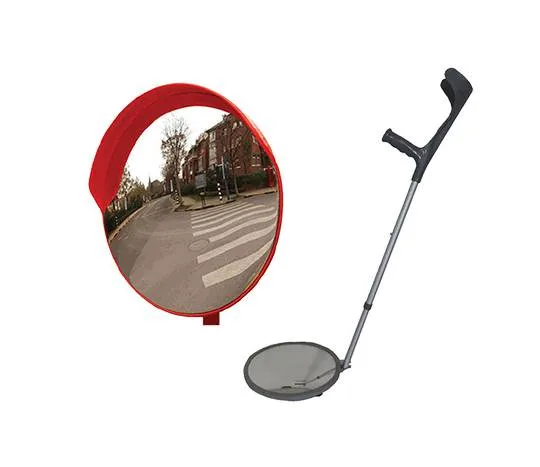
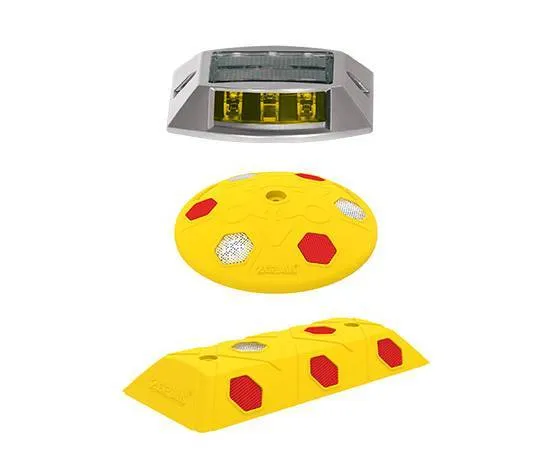
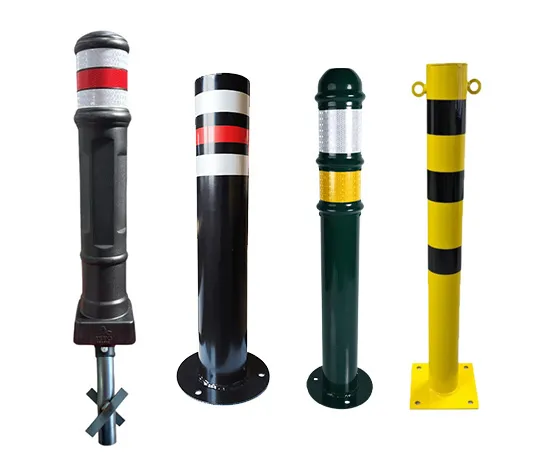
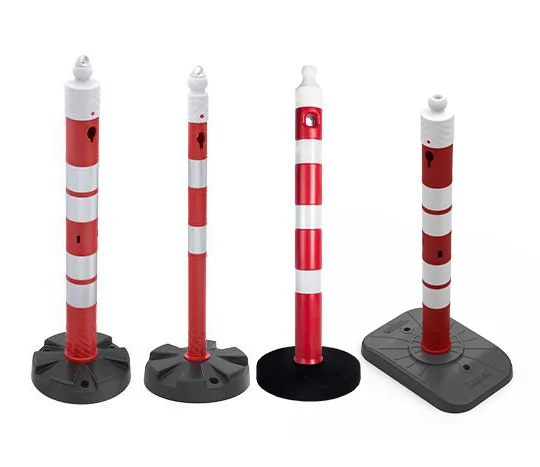
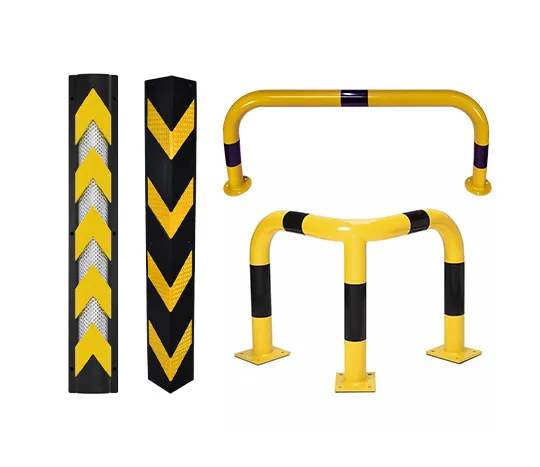
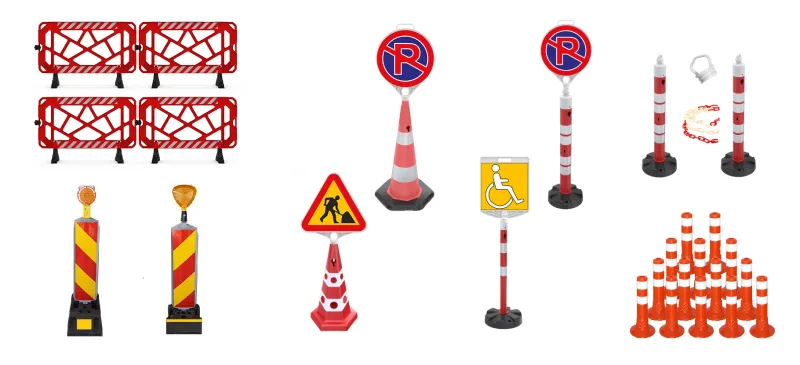
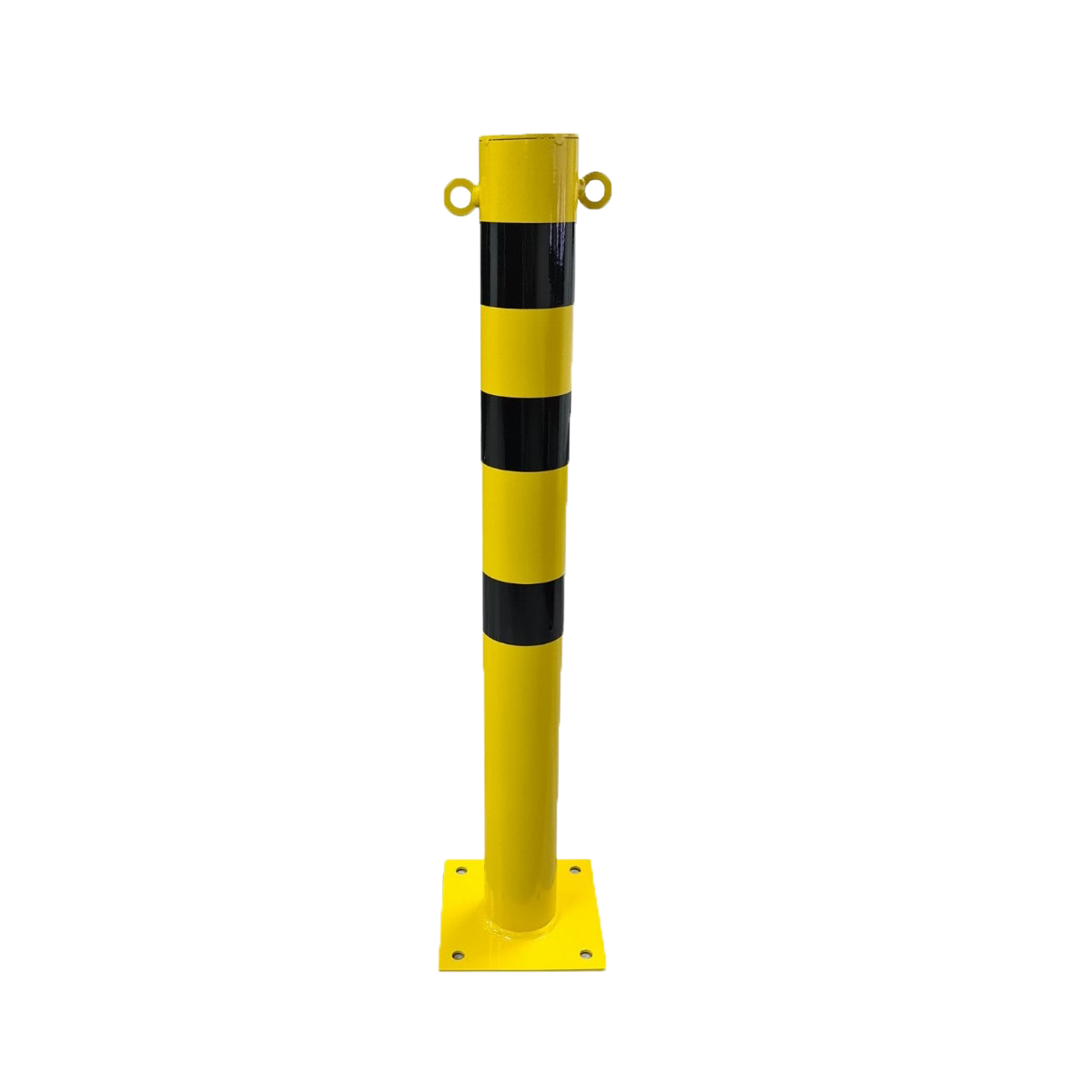
Best-Selling Metal Pole Products
3. Aesthetics and Maintenance
In addition to their functionality, metal poles must harmoniously integrate into the surrounding environment. The materials used influence the aesthetic appearance of the poles. Steel can be painted in a wide range of colors to align with urban design, while aluminum can be finished to provide a modern and elegant look. Furthermore, metal poles require minimal maintenance due to the self-cleaning properties of the materials, making them a cost-effective and practical long-term option.
4. Costs and Efficiency
The costs associated with metal poles vary depending on the material used. Although steel may have a higher initial cost, its durability and strength provide long-term value. Aluminum, on the other hand, may be more expensive per unit, but offers benefits in terms of weight and maintenance. It is important that the decision regarding materials is made based on a balance between costs and the benefits offered by each type of metal.
Depending on the specific applications, the choice of material may vary. For example, in road signage projects, galvanized steel poles are often preferred for their resistance to intense traffic conditions and weather. In contrast, for use in residential or commercial areas, aluminum poles may be a more aesthetic and easy-to-maintain option.
In conclusion, the choice of materials for metal poles is crucial for ensuring their durability, efficiency, and aesthetics. A careful evaluation of the available materials and the specific requirements of each project will lead to the creation of high-quality structures capable of withstanding the test of time and meeting user demands.