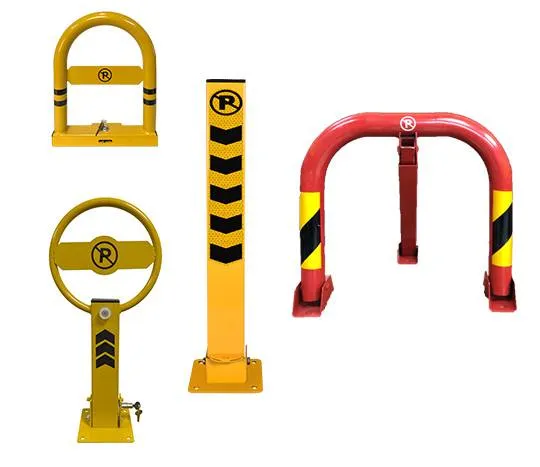
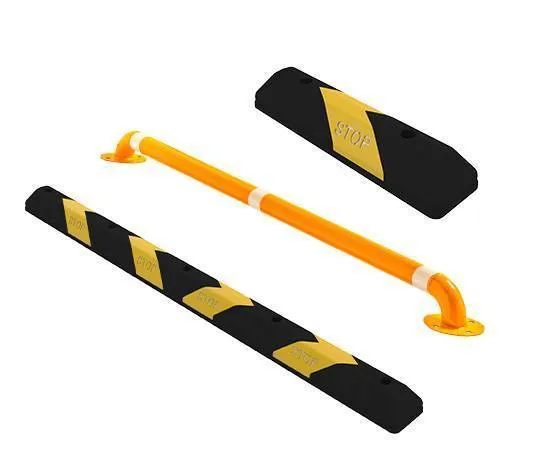
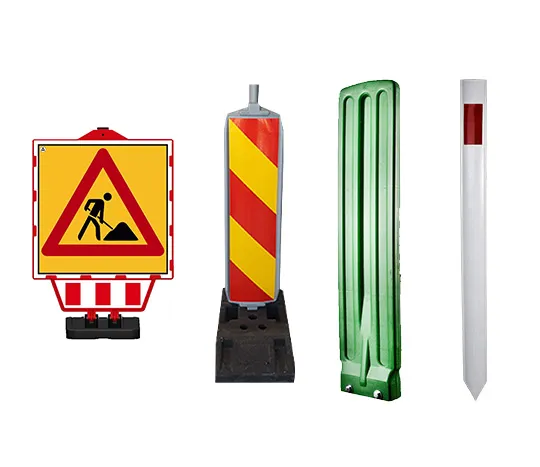
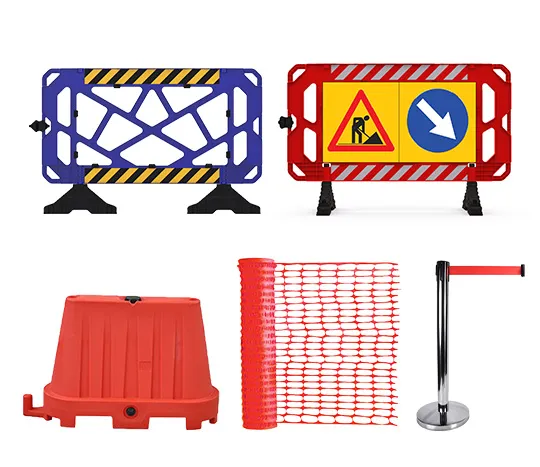

The poles for road signs play an essential role in ensuring traffic safety and fluidity, providing visibility and orientation for drivers. While the functionality of these poles is paramount, an equally important aspect is the material they are made of. Choosing the right materials ensures durability, resistance to extreme weather conditions, and, implicitly, a safe and long-lasting road infrastructure. In this article, we will explore why materials are a key element in the construction of poles for road signs and how their quality influences this.
Types of materials used for road sign poles
There are various materials used in the manufacturing of poles for road signs, each having specific characteristics that contribute to their efficiency and durability:
-
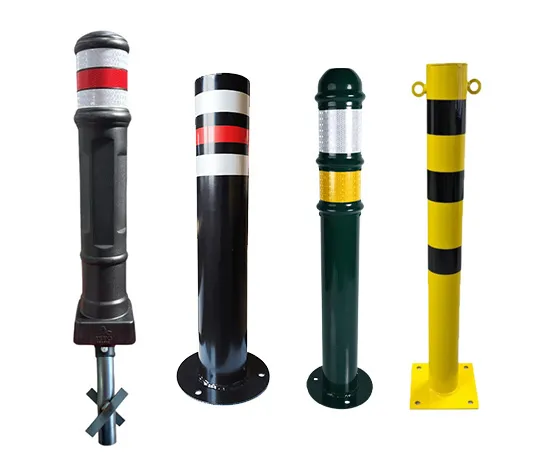
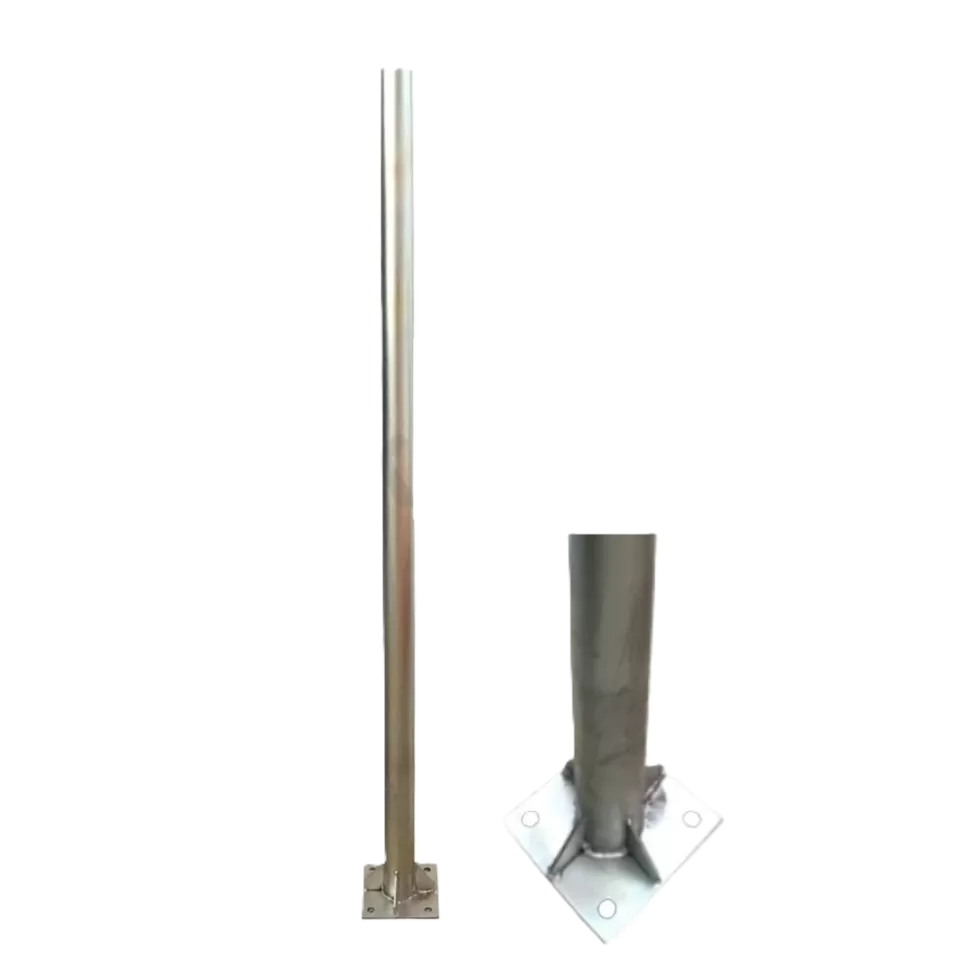
Galvanized steel – Galvanized steel is the most commonly used material for road sign poles due to its durability and high resistance to corrosion. The galvanization process involves coating the steel with a layer of zinc, which prevents rusting and ensures a long life for the product, even in extreme conditions of humidity, acid rains, or de-icing salts.
-
Aluminum – Aluminum is another preferred material for road sign poles due to its lightweight and natural resistance to corrosion. It is ideal for areas where minimal maintenance is required, and its lighter weight facilitates the installation and maneuverability of the poles.
-
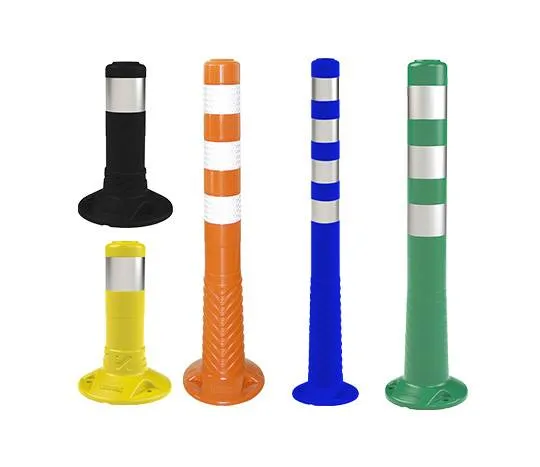
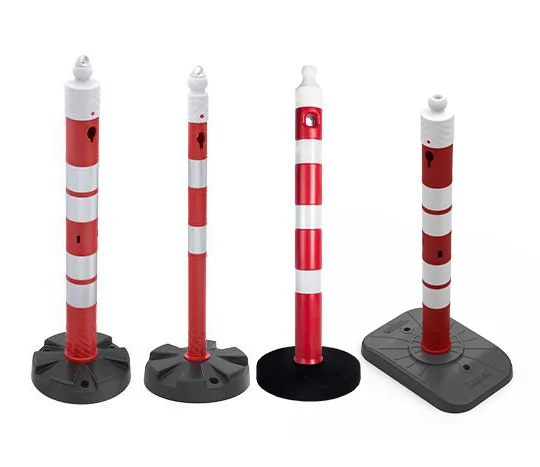
Durable plastic materials (PVC, HDPE) – Although less common, poles made from plastic materials are used in certain specific applications, such as in high-impact risk areas. The flexibility of plastic materials like PVC or high-density polyethylene (HDPE) makes them ideal for absorbing impacts without permanently deforming, providing great longevity and resistance to road accidents.
Best-selling Road Sign Pole Products
Durability and weather resistance
One of the most important criteria in choosing the material for road sign poles is durability. These poles are exposed daily to a range of external factors that can affect their strength and structure, such as rain, snow, strong winds, extreme temperatures, or humidity. Materials like galvanized steel and aluminum provide excellent protection against these elements, ensuring that the poles remain functional and safe over the long term.
Additionally, corrosion resistance is essential in urban and industrial areas, where air pollution and acid rains can accelerate the oxidation process of metals. Therefore, galvanized steel and aluminum are preferred in these environments, as they provide a natural barrier against corrosive factors.
Road safety and the role of materials
The materials from which road sign poles are made play an important role in road safety. A quality pole, made from durable materials, ensures that road signs remain visible and stable over time, providing drivers with the necessary information to navigate roads safely. If the materials are not of good quality, there is a risk that the poles will degrade quickly, which can lead to their collapse and the disappearance of critical information for drivers.
Moreover, in the event of an impact with a vehicle, flexible poles, made from plastic materials or flexible steels, can reduce the severity of accidents, as they absorb some of the energy, thereby minimizing damage.
Ecology and sustainability
Materials such as aluminum and PVC are recyclable, which contributes to reducing the ecological impact of producing road sign poles. Additionally, using durable materials means that the frequency of replacements is reduced, leading to long-term resource savings.