
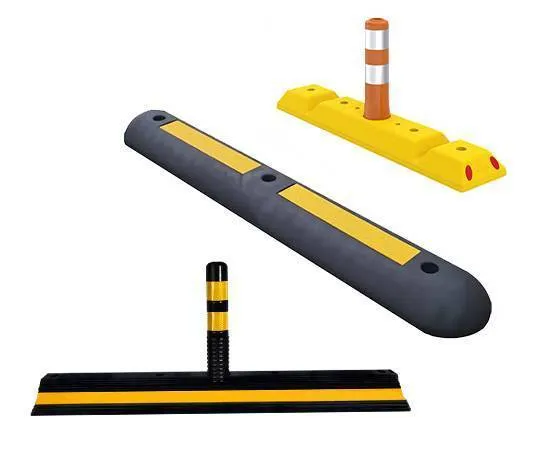




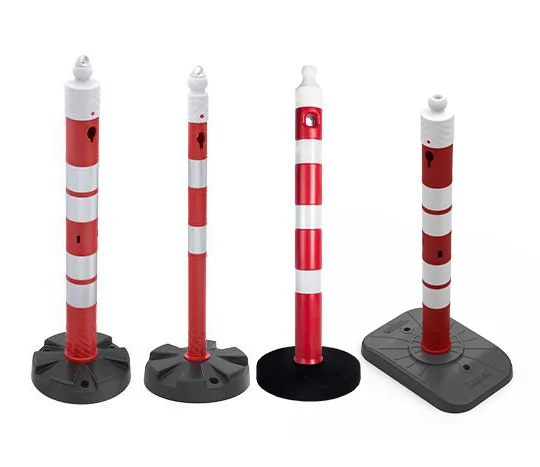

The plastic ballast barriers are essential solutions for traffic control and road safety, providing a temporary and effective barrier in various situations. However, the success and efficiency of these barriers depend not only on their design but also on the materials from which they are made. In this article, we will explore the importance of materials in the production of plastic ballast barriers and how they contribute to their performance and durability.
Plastic: A Versatile and Durable Material
Ballast barriers are primarily made from high-density polyethylene (HDPE) or polyethylene. These materials have been chosen for their unique properties, which make the barriers lightweight yet strong, and easy to handle while being able to withstand difficult conditions.
Durability and Impact Resistance: HDPE plastic is known for its durability. In the road environment, barriers must be able to withstand impacts without significant damage. This material offers an excellent combination of strength and flexibility, absorbing shocks without cracking or breaking. This is an essential feature, especially in areas with heavy traffic or adverse weather conditions.
Weather Resistance: Another major advantage of HDPE plastic is its resistance to extreme weather conditions. Barriers exposed to sun, rain, wind, or snow must maintain their structural integrity and functionality. The plastic used in barriers is treated to withstand UV radiation, preventing discoloration and material brittleness.
Ease of Handling and Installation: Plastic ballast barriers are easy to transport and install due to the lightweight nature of the material. Additionally, plastic allows for modular designs, facilitating quick assembly and disassembly. This is an essential feature in situations where time is a critical factor, such as during road maintenance work or traffic management at temporary events.
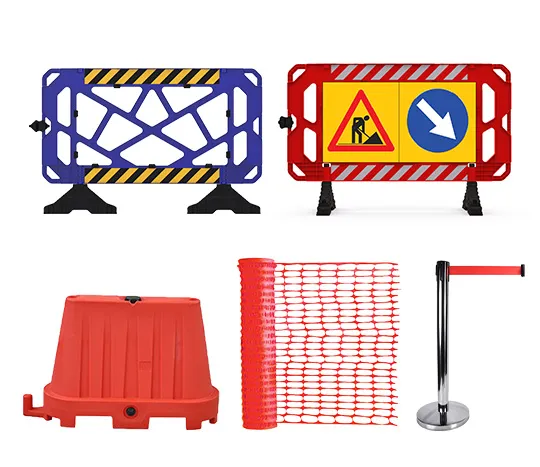
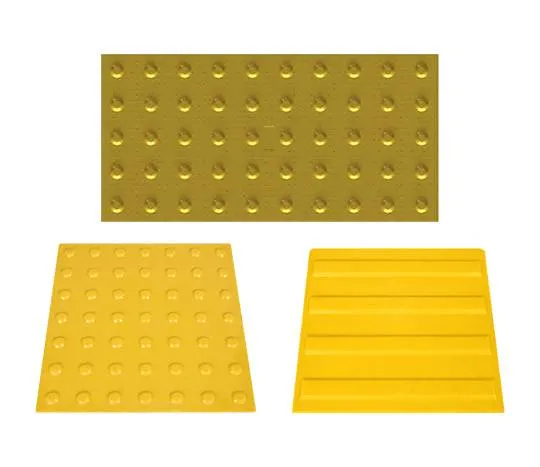
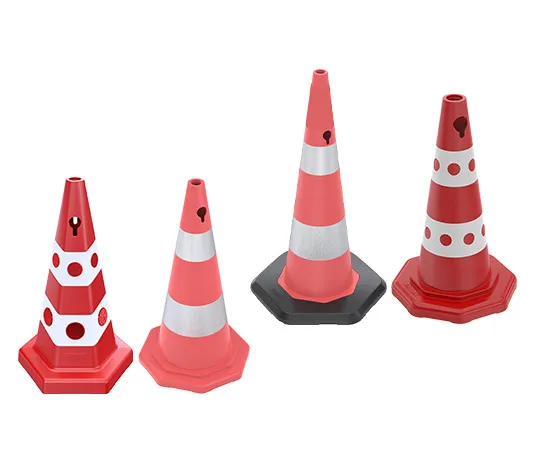
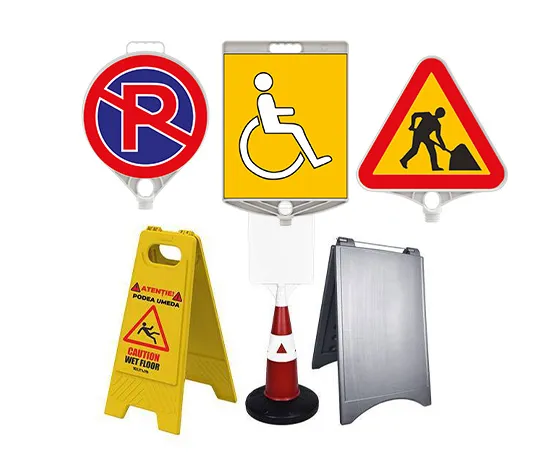
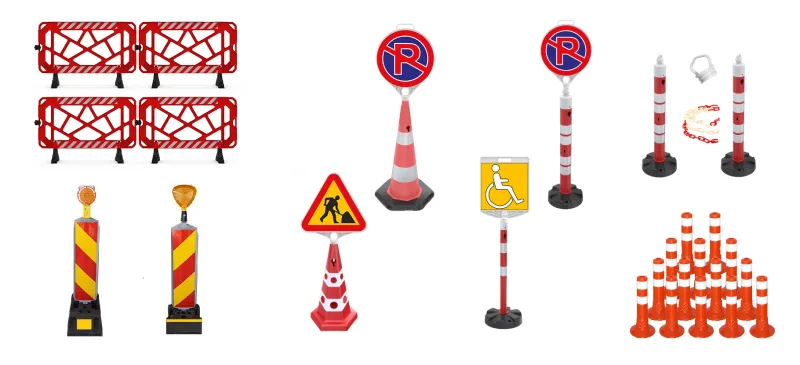
Best-Selling Plastic Ballast Barrier Products
Ballasting: A Key Factor
The ballast of the barriers is ensured by their ability to be filled with water or sand, thus providing additional stability. This feature is directly related to the plastic material used, which must be strong enough to support the added weight without deforming or breaking.
Adaptability to Various Scenarios: The ability to adjust the weight of the barriers according to needs makes them extremely versatile. Whether it is a temporary road work or a permanent delineation of a hazardous area, plastic ballast barriers can be customized to provide the necessary stability.
Reduced Maintenance Costs: Plastic is also a material that requires little maintenance. Compared to other materials, such as metal, which can rust or corrode over time, weather-resistant plastic maintains its properties without requiring special treatments. This reduces maintenance costs and extends the lifespan of the barriers.
Environmental Impact
In addition to durability and performance, the materials used in plastic ballast barriers are often recyclable. The use of recycled or recyclable materials contributes to reducing environmental impact, an increasingly important factor in the construction and road safety industry.