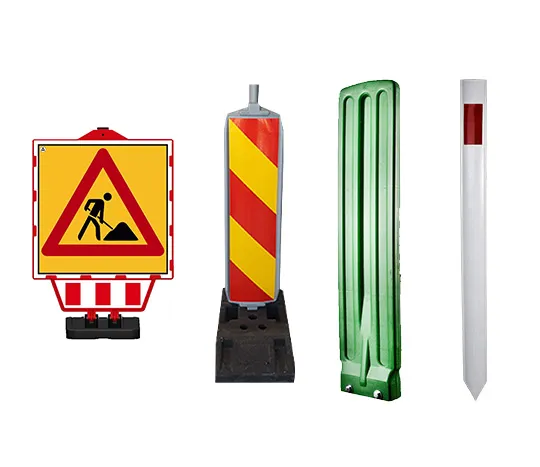
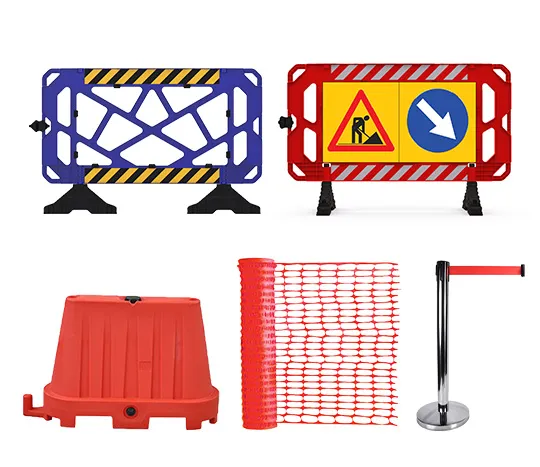
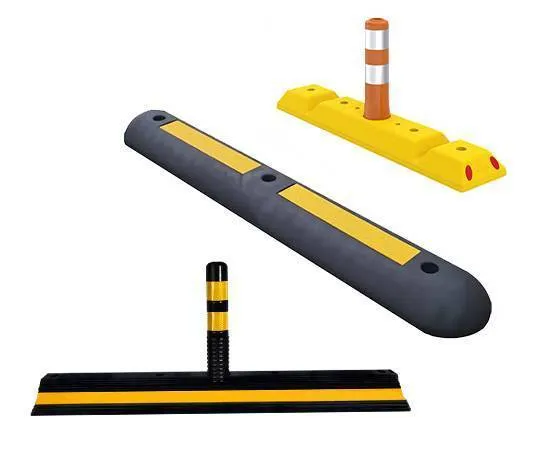
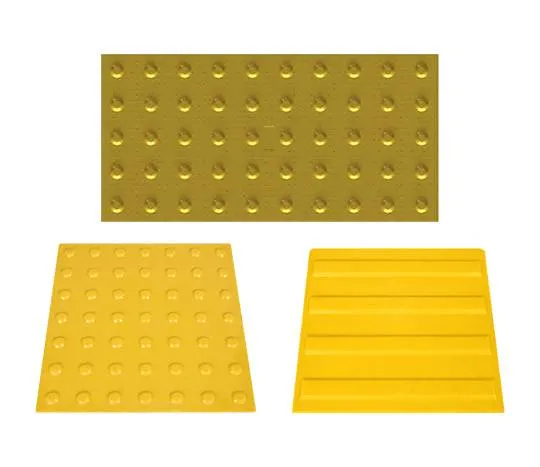
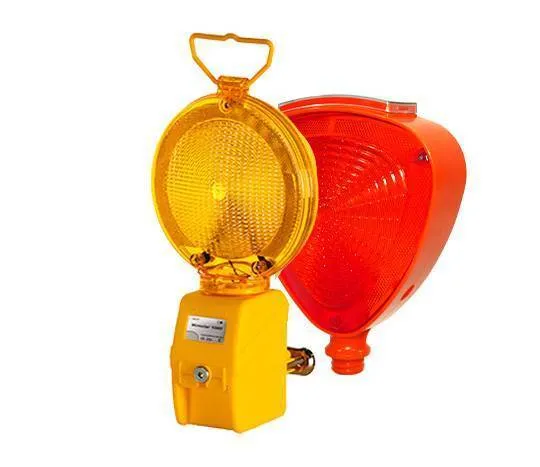
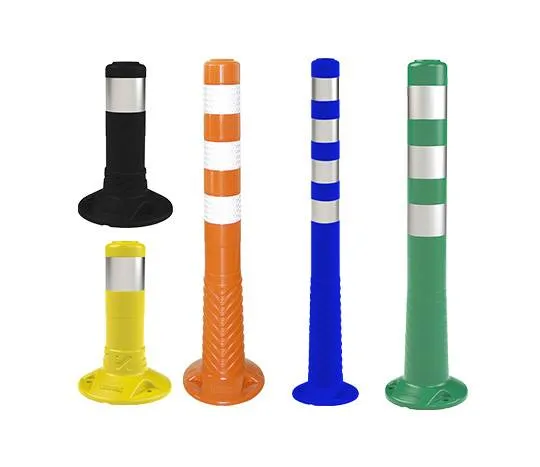
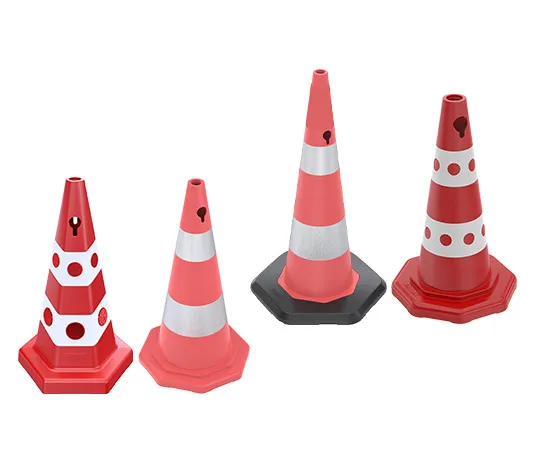
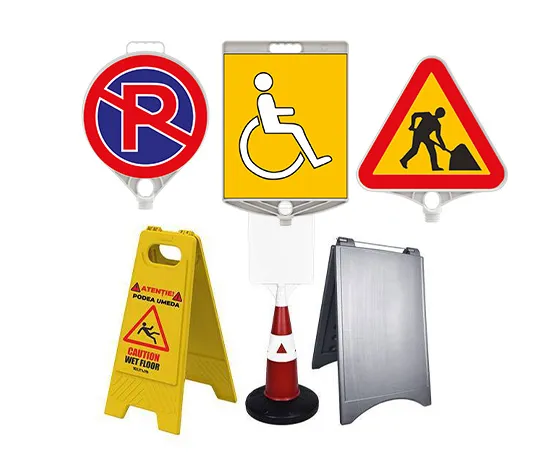
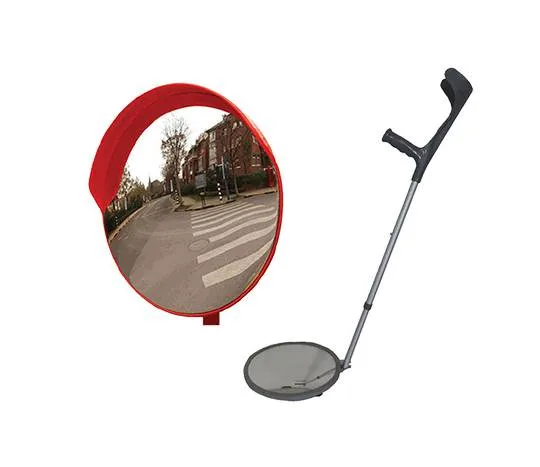
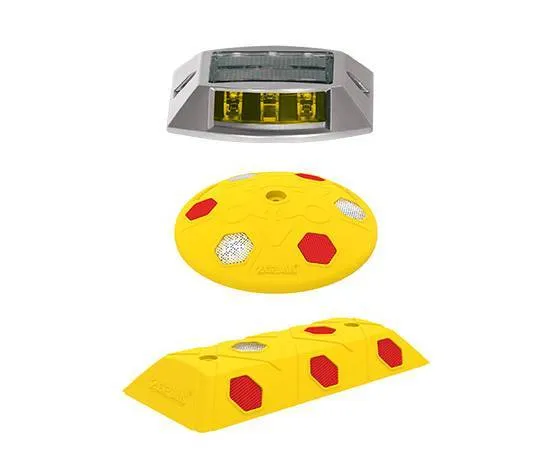
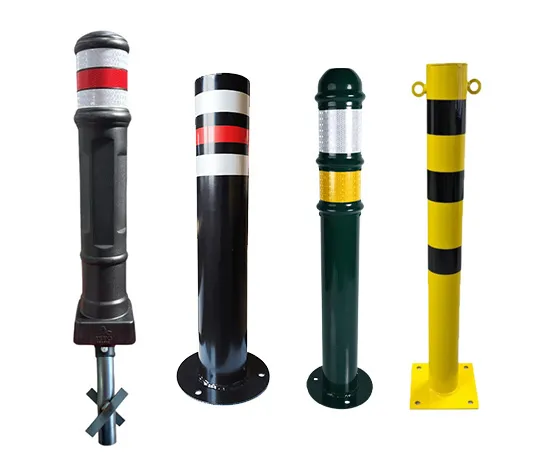
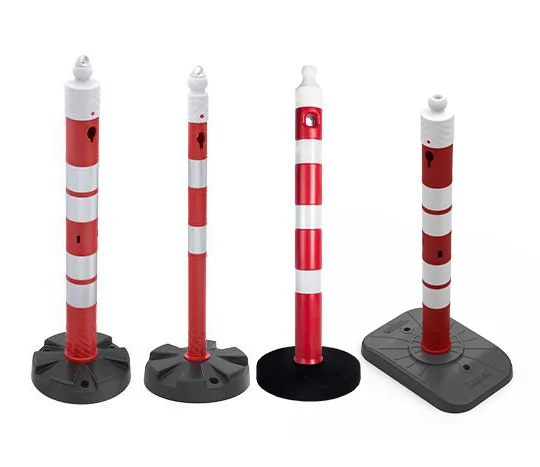
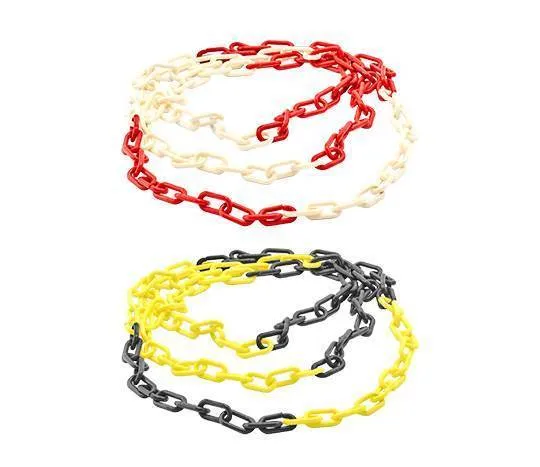
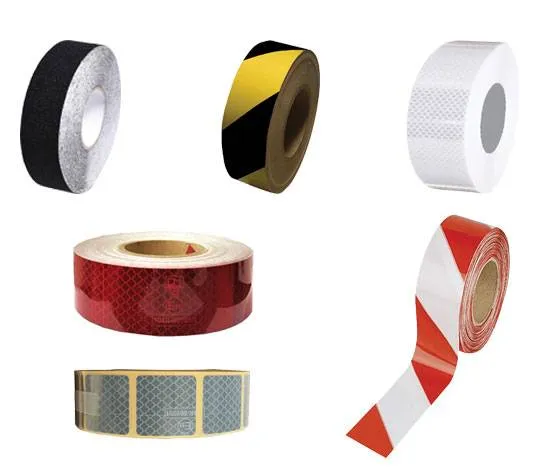
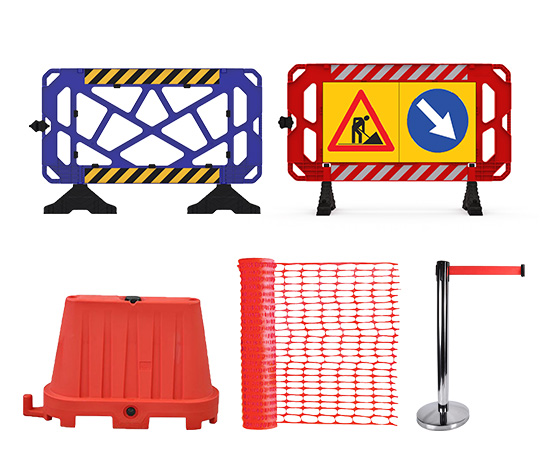
Panel barriers are essential elements in managing safety in various environments, such as construction sites, public events, or high-traffic areas. The role of these barriers is to delineate and protect certain areas, thus ensuring the safety of both pedestrians and vehicles. Although the design and functionality of these barriers are essential aspects, the quality of the materials from which they are made plays a crucial role in their effectiveness. In this article, we will analyze the importance of the materials used in the production of panel barriers and how they contribute to the durability and safety of these equipment.
1. Durable Materials for Long-Term Use Usage
Panel barriers are often subjected to harsh conditions, whether it is exposure to the elements or daily wear in high-traffic environments. For this reason, the choice of materials is essential to ensure a long lifespan and optimal performance.
Galvanized steel: Steel is a preferred material for panel barriers due to its exceptional strength. Galvanizing steel adds a protective layer against corrosion, which is essential for outdoor use, where barriers are constantly exposed to moisture and temperature variations. This zinc layer prevents rust and significantly extends the lifespan of the barrier.
Aluminum: In certain cases, aluminum can be used instead of steel, due to its lightweight and corrosion resistance. Aluminum is also easy to handle and install, making it ideal for panel barriers used temporarily or in places where mobility is an important factor.
Best-Selling Panel Barrier Products
2. Impact Resistance and Protection of Sensitive Areas
Panel barriers must be strong enough to withstand the impact of vehicles or other moving objects without sustaining significant damage. Therefore, choosing materials with high impact resistance is essential to ensure effective protection of the delineated areas.
High-density polyethylene (HDPE): HDPE plastic is a durable alternative to metal, being resistant to impacts and harsh weather conditions. It is often used in the production of panel barriers due to its ability to absorb shocks without cracking or deforming. Additionally, HDPE is resistant to chemicals and can be used in industrial environments or on construction sites.
Fiberglass composites: For applications requiring additional impact resistance and low weight, barriers made from composite materials, such as fiberglass, can be an excellent solution. They offer a combination of strength and flexibility, making them suitable for uses that require high protection without sacrificing mobility.
3. Adaptability and Versatility in Various Environments
The materials from which panel barriers are made must be versatile, adaptable, and easy to customize to meet the specific needs of each usage environment. For example, in the case of temporary events, where barriers need to be installed and dismantled quickly, low weight and ease of handling are essential characteristics.
- Recyclable materials: Panel barriers made from recyclable materials not only fulfill basic functions but also contribute to environmental sustainability. The use of recyclable materials, such as HDPE or recycled aluminum, is an increasingly common practice, providing an eco-friendly solution without compromising quality or safety.