







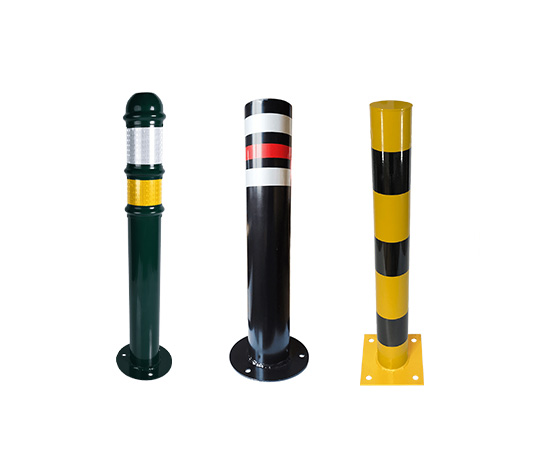
The Importance of Materials in Metal Poles: The Right Choice for Durability and Performance
Metal poles are essential in many constructions, from road infrastructure to commercial and industrial projects. Choosing the right material for these poles is crucial for ensuring durability, safety, and long-term performance. In this article, we will explore the importance of the materials used in the manufacturing of metal poles and why these choices are so important.
1. Types of Materials and Their Properties
Metal poles are generally made from steel, aluminum, or other metal alloys, each with its own characteristics and advantages:
Steel: Steel is the most commonly used material for metal poles due to its high strength and durability. Steel can withstand heavy loads and is resistant to deformation, making it ideal for applications that require robust support. Additionally, steel can be treated to resist corrosion, which is essential for use in outdoor environments.
Aluminum: Aluminum is lighter than steel and offers excellent corrosion resistance. This material is often used in applications where low weight is an important factor, such as in the construction of poles for traffic signs or lighting. Furthermore, aluminum is easier to process and can be customized in ways that are not possible with steel.
Metal Alloys: Other alloys, such as those based on zinc or copper, can be used depending on the specific requirements of the application. These alloys are often chosen for their special properties, such as enhanced corrosion resistance or the ability to withstand extreme environmental conditions.
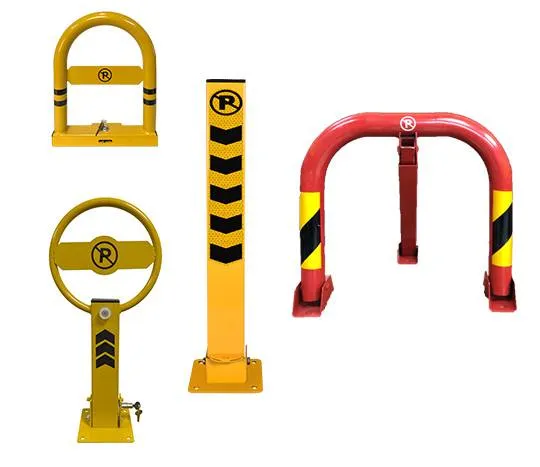
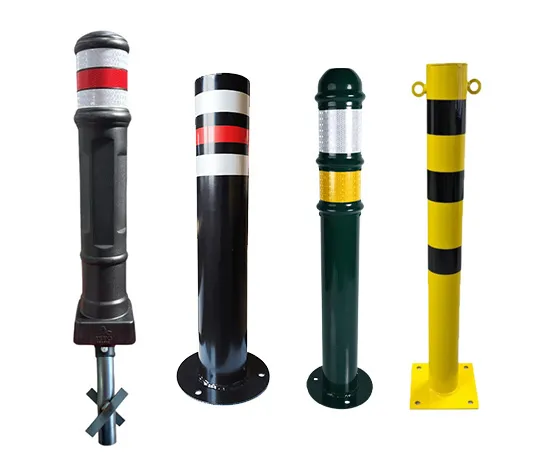
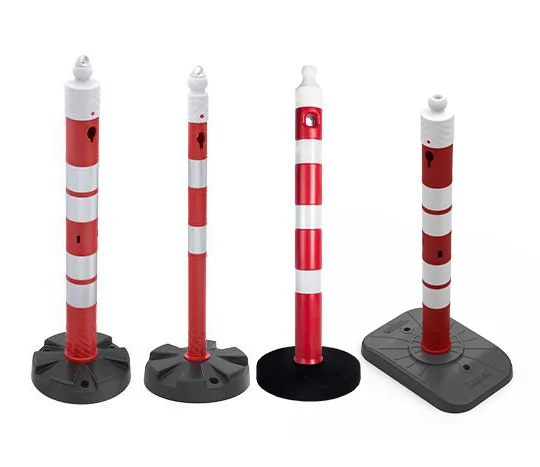
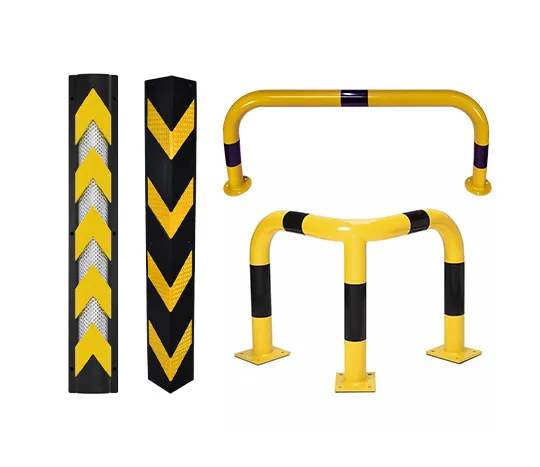
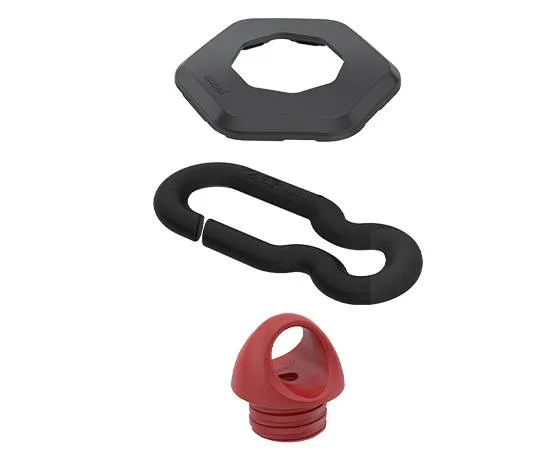
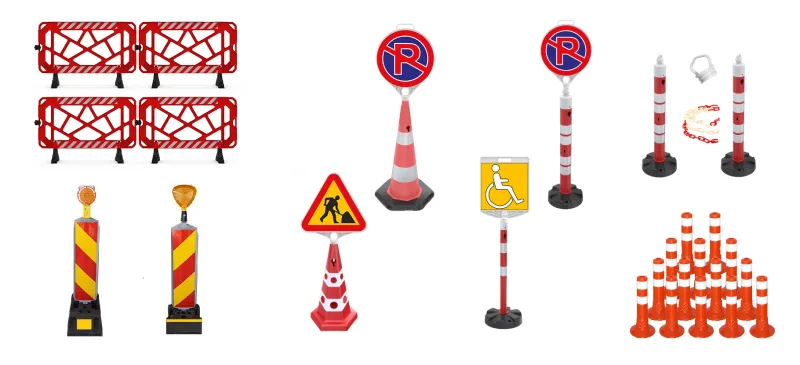
Best-Selling Metal Poles Products
2. Decision Factors for Choosing Material
The choice of material for metal poles depends on several factors, including:
Usage Environment: Poles that will be exposed to harsh weather conditions, such as high humidity or corrosive chemicals, require materials that can withstand these conditions. Galvanized steel or aluminum are often preferred in such situations.
Load and Stress: Poles that will bear heavy loads or structural stresses must be made from high-strength materials, such as steel. In contrast, for lighter applications, aluminum may be sufficient.
Cost: The available budget can influence the choice of material. Although aluminum may be more expensive, its advantages in terms of weight and corrosion resistance can justify the higher cost in certain applications.
3. Benefits of Choosing the Right Material
Choosing the right material for metal poles can bring multiple benefits, including:
Durability: Poles made from suitable materials will have a longer lifespan, reducing the need for frequent maintenance and replacement.
Safety: Quality materials ensure that poles will withstand applied stresses, preventing accidents and damages.
Performance: Choosing the right material ensures that poles will perform their functions efficiently, whether it involves supporting traffic signs, lighting, or support structures.
In conclusion, the choice of material for metal poles is a critical factor that influences their durability, safety, and performance. Each type of material offers unique characteristics that must be evaluated based on the specific requirements of the application.