





The importance of materials and design in the manufacturing of speed bumps
Speed bumps are essential elements for road safety, yet they are often overlooked in discussions about traffic infrastructure. A key aspect that deserves attention is the choice of materials and design of these devices. Effective speed bumps not only slow down traffic but must also withstand intensive use and various weather conditions. In this article, we will explore the impact of materials and design on the performance of speed bumps and why these aspects are crucial for their success in managing road traffic.
Materials used in the manufacturing of speed bumps
To be effective and durable, speed bumps are made from a variety of materials, each having its own advantages and disadvantages. Among the most common materials are rubber, plastic, and asphalt.
Recycled rubber: This is one of the most commonly used materials due to its flexibility and durability. Rubber speed bumps are wear-resistant and can be easily installed on any road surface. Another advantage is that these bumps are less damaging to vehicles, as they absorb shocks more effectively than other materials. Additionally, recycled rubber is an eco-friendly option, promoting sustainable resource use.
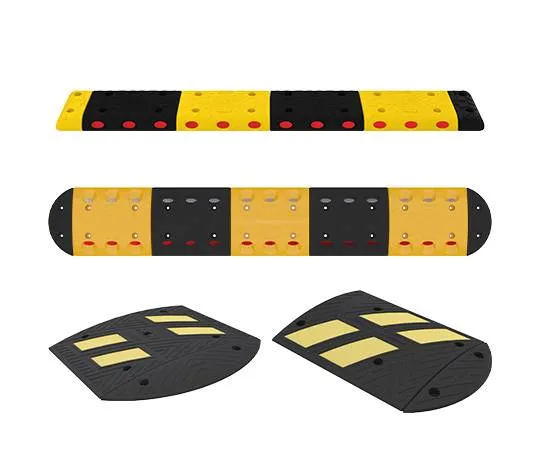
High-density plastic: This material is a lightweight and economical alternative to rubber. Plastic speed bumps are often used in temporary road work areas or in places where a mobile solution is needed. Although they are less durable than rubber ones, they offer high flexibility regarding installation and quick removal.
Asphalt and concrete: Speed bumps made from these materials are permanent and are usually integrated into road construction. They are particularly used on public roads with heavy traffic or in areas where a long-term solution is needed. The durability of asphalt and concrete is indisputable; however, once installed, these bumps are more difficult to modify or replace.
Best-selling Speed Bumps Products
The design of speed bumps and their efficiency
The design of speed bumps is just as important as the materials used. Their shape, size, and placement significantly influence how effectively they fulfill their function. For example, a speed bump that is too high can cause discomfort to drivers and damage to vehicles, while one that is too low may not have the desired effect.
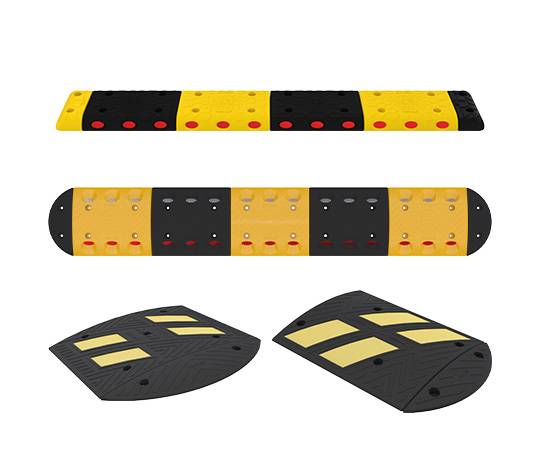
Trapezoidal speed bumps: These are some of the most common models and are designed to effectively slow down vehicles. Their shape allows drivers to pass over them at a reduced speed without causing damage to the vehicle. They are particularly used in residential areas and near schools.
Hump-type speed bumps: These are steeper than trapezoidal ones and are used to force drivers to significantly slow down. They are usually installed on roads with heavy traffic or in pedestrian crossing areas.
Temporary or modular speed bumps: These are ideal for events or temporary construction zones. They can be adjusted as needed and are easy to install and dismantle. This flexibility makes them a preferred solution in many situations requiring temporary traffic management.
Impact on comfort and safety
The design and materials of speed bumps must ensure a balance between safety and comfort. An effective speed bump should reduce vehicle speed without causing a sudden stop or damage. It must be sufficiently visible, both during the day and at night, and strategically placed in areas where speed reduction is absolutely necessary.
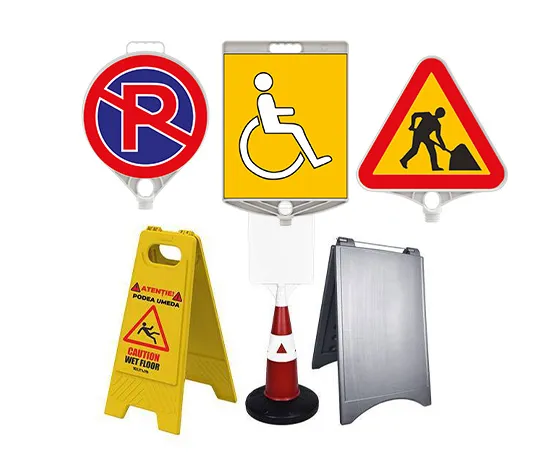
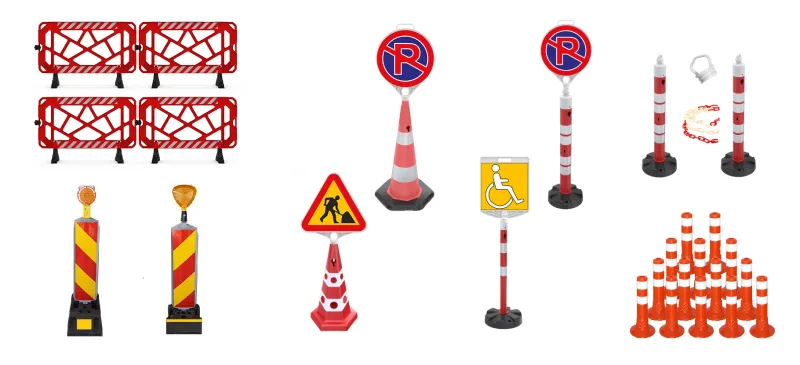
Proper signaling is essential to alert drivers to the presence of speed bumps. Road markings and reflective signs can enhance their visibility, thus preventing accidents or driver discomfort.
Conclusion
Speed bumps are more than just simple road elevations. The materials they are made from and their design have a significant impact on their efficiency and durability. The correct choice of material and appropriate design can contribute to better traffic management and accident prevention while providing increased comfort for drivers. Investing in high-quality speed bumps not only improves road safety but also extends the lifespan of the infrastructure.