





The Importance and Evolution of Road Markings: Safety, Durability, and Innovation
Road safety is an essential priority for all transport infrastructures, and Road Markings play a crucial role in maintaining this safety. In this blog, we will explore the importance of diversifying the types of road markings and how they contribute to traffic management and increased visibility for both drivers and pedestrians. Additionally, we will focus on modern technologies used to enhance the durability and efficiency of these markings.
Types of road markings and their functions
Depending on their purpose, road markings can be classified into several categories, each having a specific role in guiding traffic:
Longitudinal markings: These are the most common types of markings, used to separate traffic directions and delineate lanes. Solid lines prohibit overtaking, while broken lines allow it. They contribute to traffic flow and accident prevention.
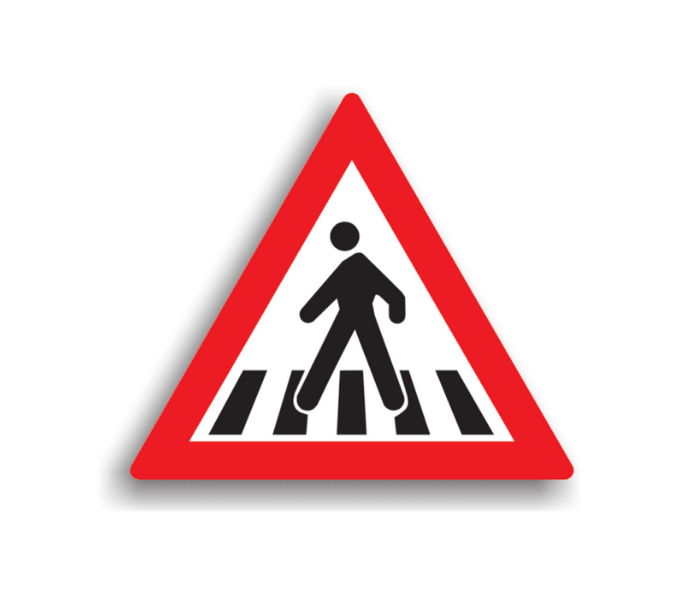
Transverse markings: Used to indicate where drivers must stop (such as at pedestrian crossings or traffic lights), these help protect pedestrians and manage busy intersections.
Directional markings: Arrows and other symbols are used to inform drivers about mandatory directions to follow or imminent lane changes. They reduce confusion and increase traffic efficiency.
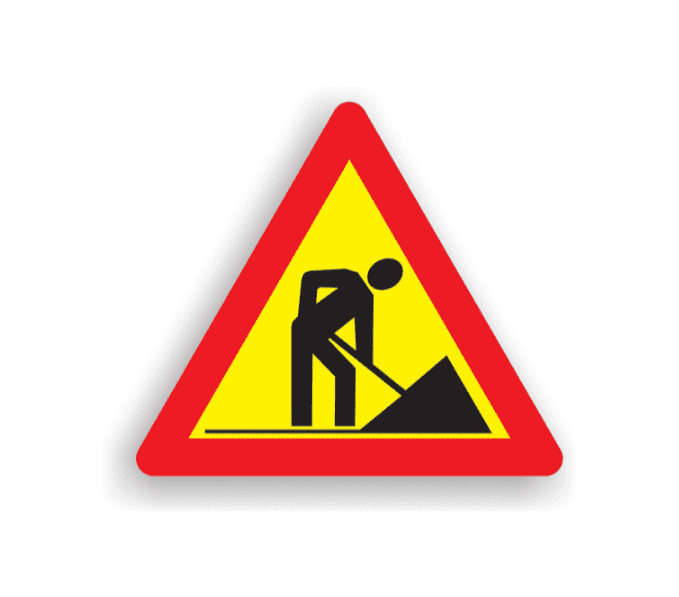
Special markings for hazardous areas: These markings are used in dangerous curves, construction zones, or near level crossings with railways. They are usually accompanied by other signaling elements to draw drivers' attention to potential hazards.
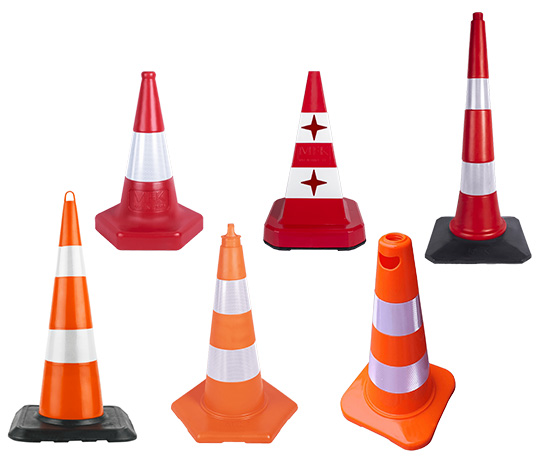
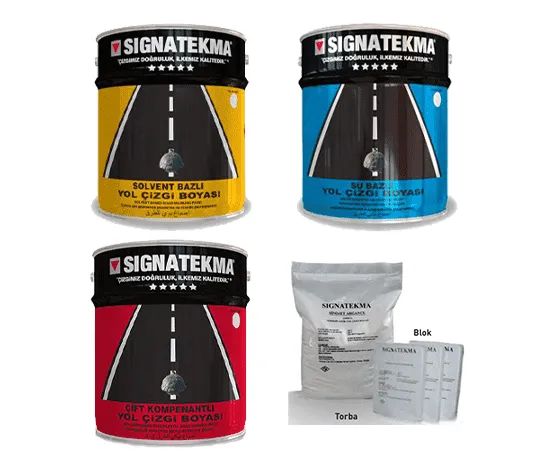
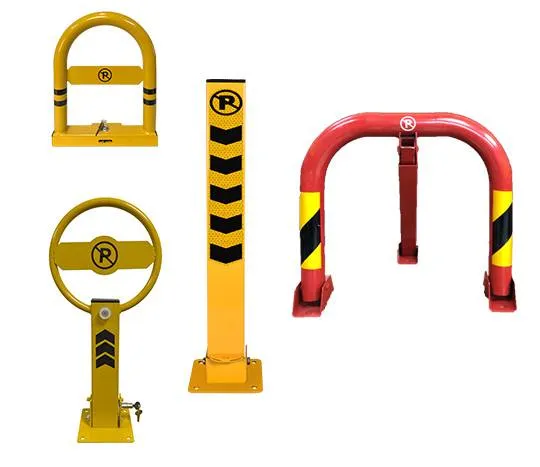
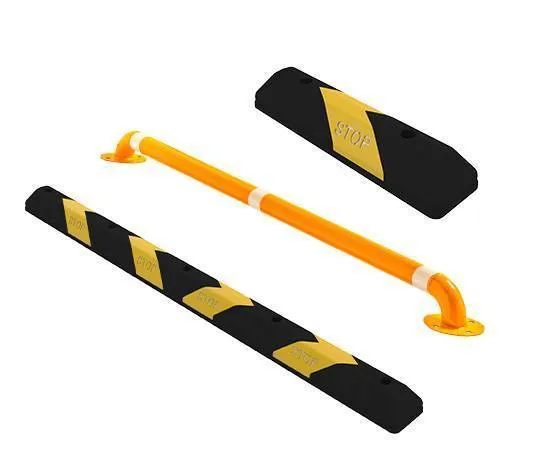
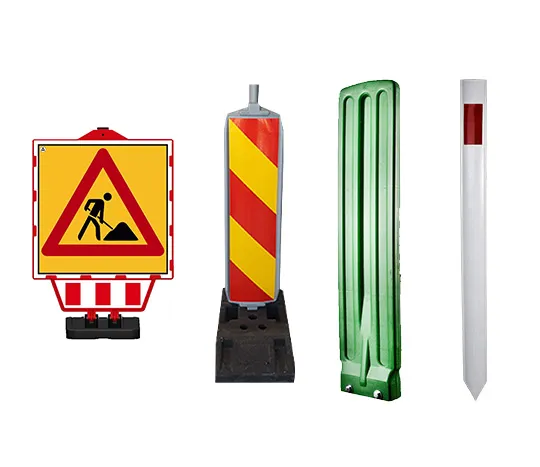
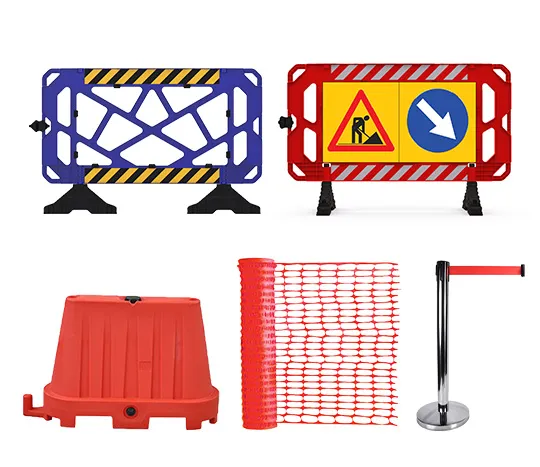
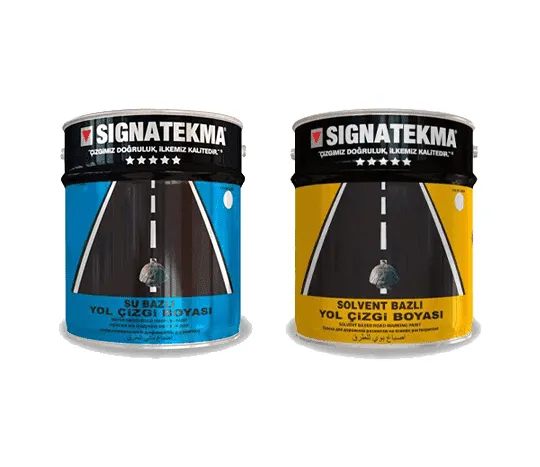
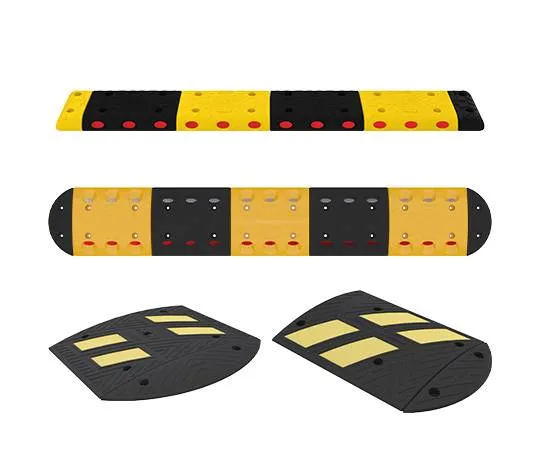
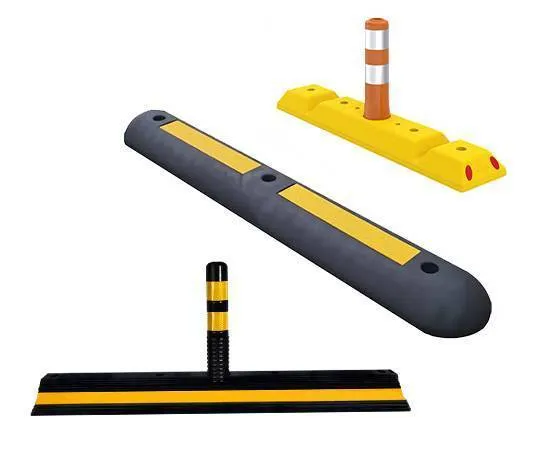
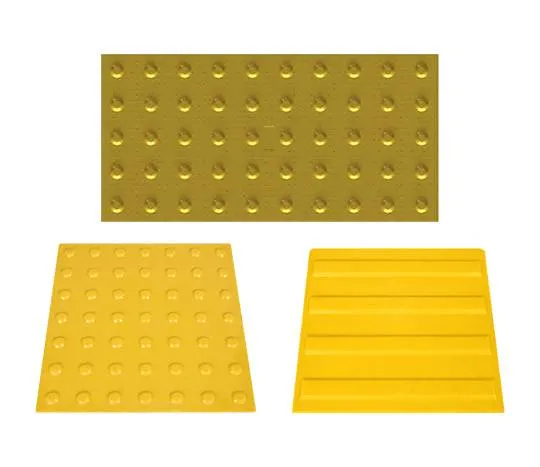
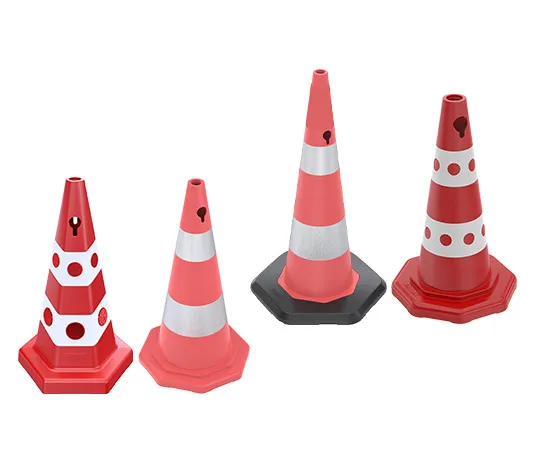
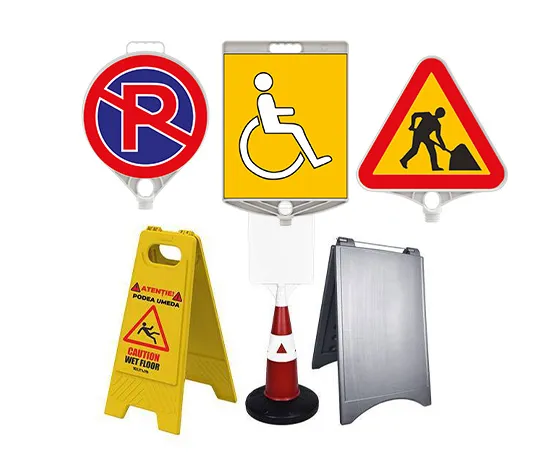
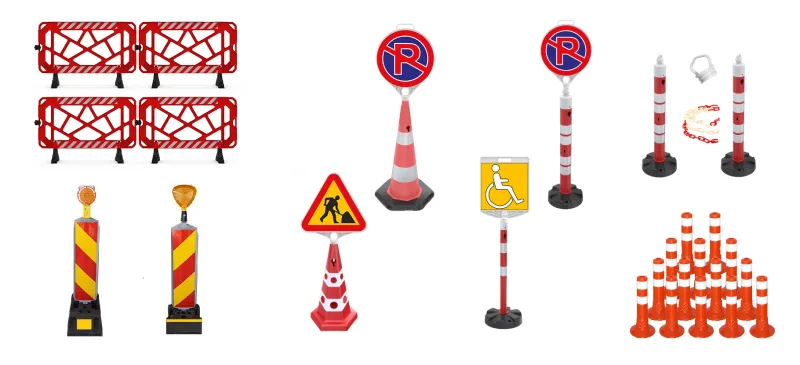
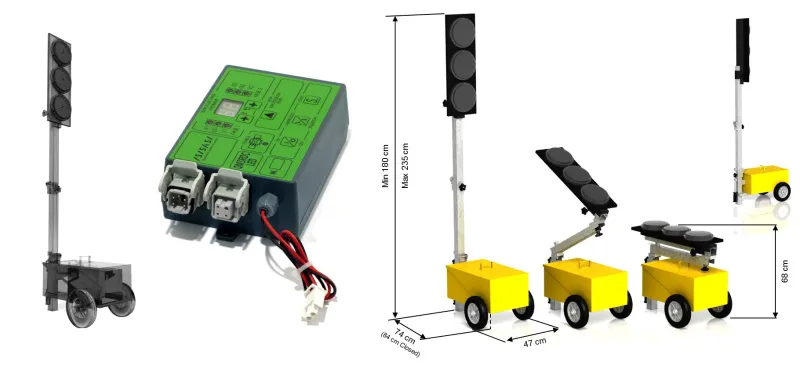
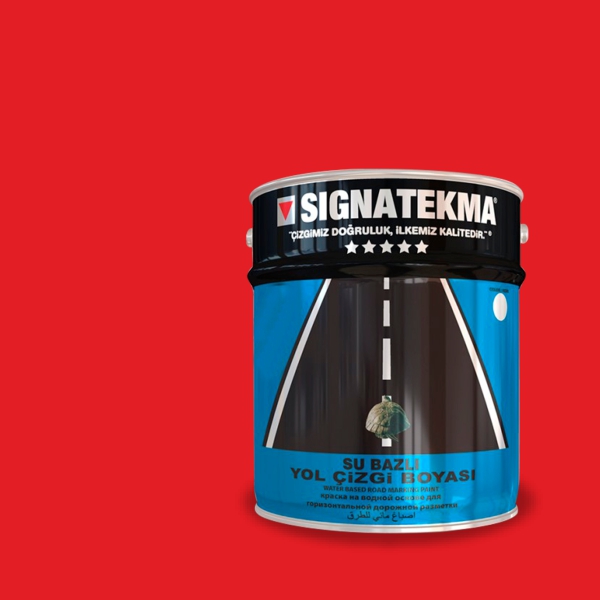
Best-selling Road Marking Products
Modern materials used in road marking
Technology has significantly advanced in the field of materials used for road markings, ensuring a longer lifespan and improved visibility. Here are some of the most common materials used today:
- Thermoplastic paints: These are the most durable and are preferred for highways or heavily trafficked roads. They are applied at high temperatures, which provides greater resistance to wear and weather.
- Acrylic paints: These are used on roads with moderate traffic and offer a more affordable solution, although they have lower durability compared to thermoplastic ones.
- Reflective materials: Reflective road markings are extremely important for nighttime safety. They use small glass beads embedded in the paint, which reflect the light from headlights back to the driver, thus improving visibility.
Recent innovations in road markings
Recently, innovative solutions have emerged to enhance road safety through markings. For example, photoluminescent paints can store solar energy during the day and glow at night without requiring additional artificial lighting. This technology is extremely effective in low-light areas or on rural roads.
Additionally, intelligent road marking systems utilize sensors and indicators that can alert drivers to unfavorable road conditions, such as ice or dense fog. These systems contribute to reducing accidents and improving overall safety on public roads.
Conclusion
Road markings are more than just simple lines on asphalt. They play an essential role in traffic management, protecting road users, and enhancing road safety. Modern materials and recent innovations in this field have transformed how they are made, ensuring greater durability and increased visibility. As technology advances, we can expect road markings to become increasingly smarter and more efficient.